Inklingo

demora

/de-MOH-rah/

delay

A person sitting patiently on a wooden bench next to a suitcase, looking out a window at falling rain.

A person waiting with their luggage illustrates a 'demora' or a period of waiting.

demora(noun)

fA2

delay

?

a period of waiting or a hold-up

Also:

wait

?

time spent waiting

,

lateness

?

arriving after the expected time

📝 In Action

Pedimos disculpas por la demora del tren.

A2

We apologize for the train delay.

Necesito los documentos sin más demora.

B1

I need the documents without further delay.

Word Connections

Synonyms

  • retraso (delay)
  • tardanza (slowness/delay)

Antonyms

  • adelanto (advance/early arrival)
  • rapidez (speed)

Common Collocations

  • sin demorawithout delay/immediately
  • sufrir una demorato experience a delay

💡 Grammar Points

Always Feminine

Even though it ends in 'a', just like most words for objects, this noun is feminine. Use 'la demora' or 'una demora'.

❌ Common Pitfalls

Demora vs. Retraso

Mistake: "Using 'retraso' for everything."

Correction: While 'retraso' is more common in daily speech, 'demora' is the preferred word in professional settings like airports or official letters.

⭐ Usage Tips

Professional Tone

Use 'demora' when you want to sound polite and formal, especially when apologizing for being late.

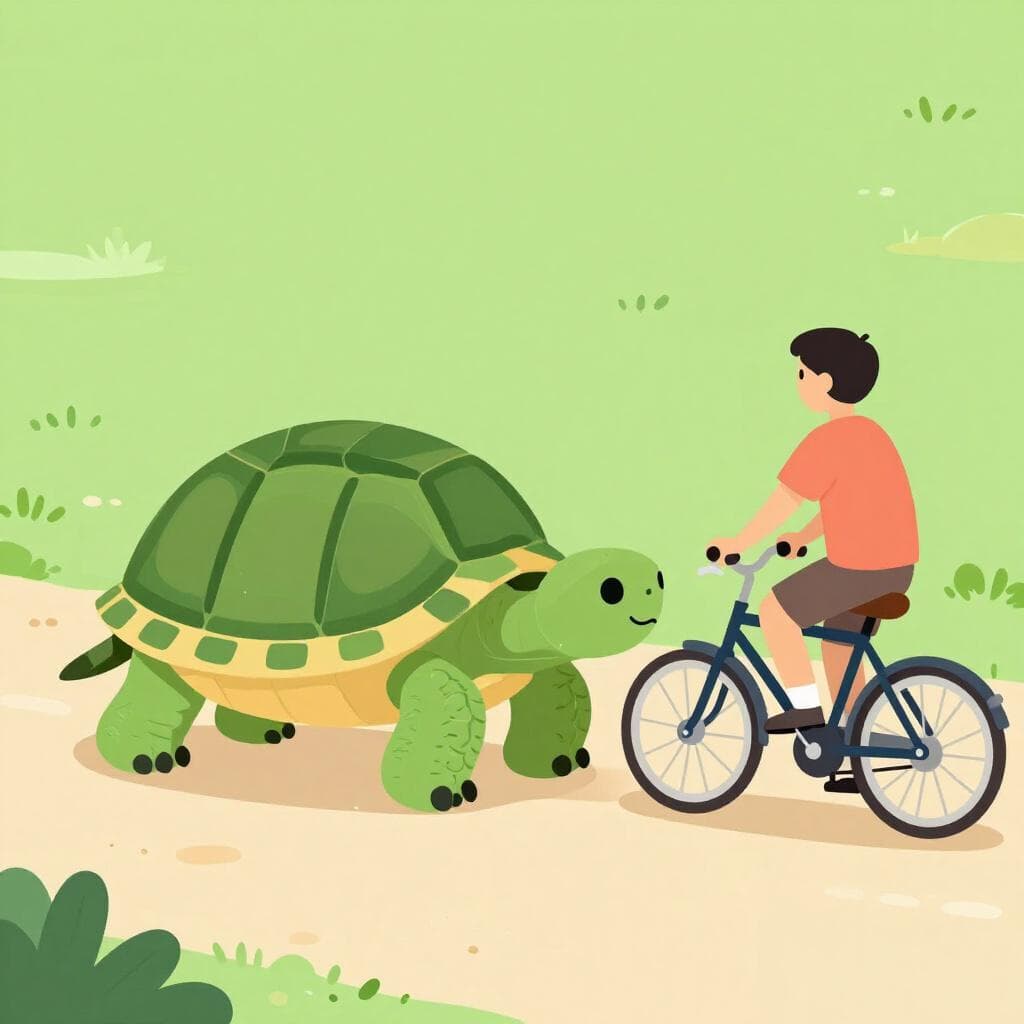
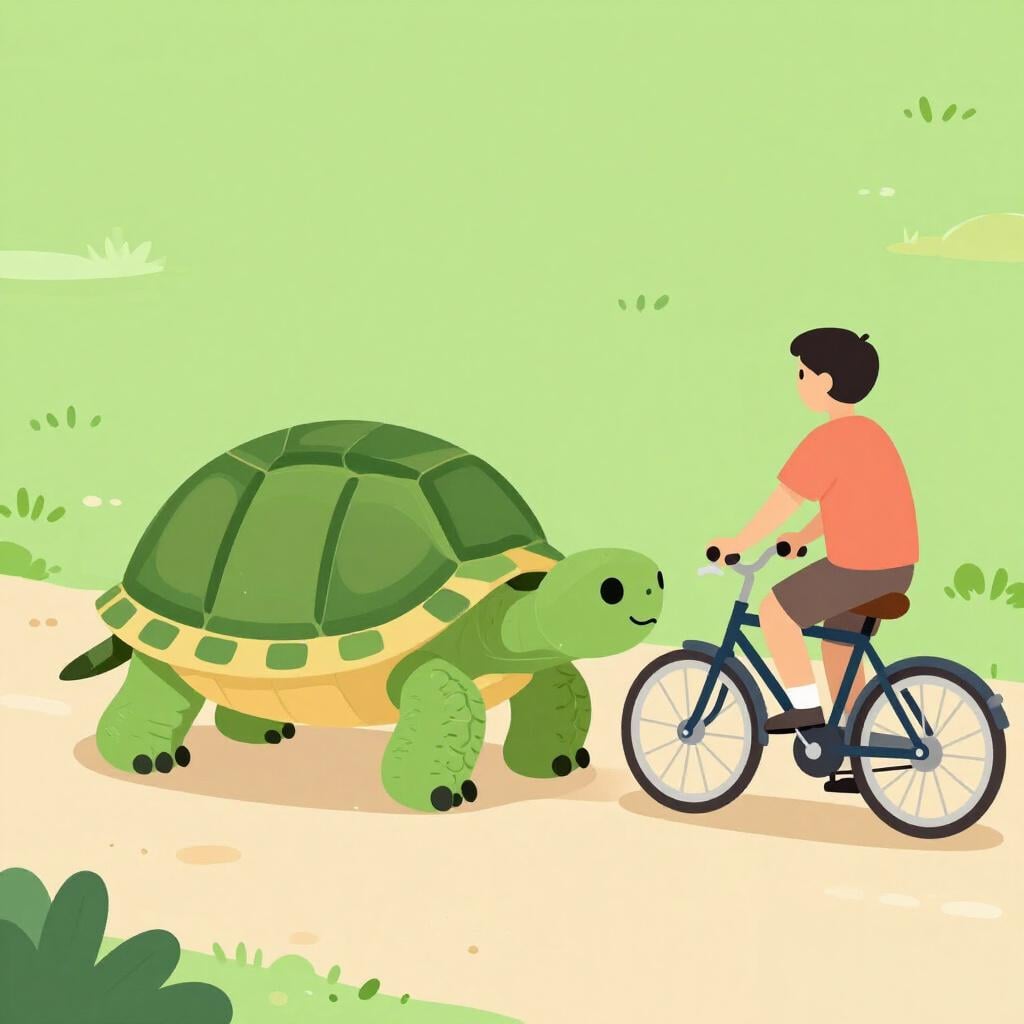
A large turtle slowly crossing a path in front of a person on a bicycle, forcing the cyclist to stop.

The slow turtle delays the cyclist, making them arrive later at their destination.

demora(verb)

B1regular ar

delays

?

when someone or something makes another thing late

Also:

takes time

?

when a person spends a certain amount of time doing something

📝 In Action

Ella siempre se demora mucho en arreglarse.

B1

She always takes a long time to get ready.

El tráfico demora la entrega de los paquetes.

B1

Traffic delays the delivery of the packages.

Word Connections

Synonyms

  • tardar (to take time)
  • retrasar (to delay)

Antonyms

  • adelantar (to move forward/hurry)
  • apresurar (to rush)

Common Collocations

  • demorarse ento take a long time to (do something)

💡 Grammar Points

Using it with 'se'

When you want to say a person is taking a long time, use the 'se' form: 'se demora'. For example: 'Él se demora' means 'He is taking a while'.

❌ Common Pitfalls

Forget the 'se'

Mistake: "Yo demoro mucho."

Correction: Say 'Me demoro mucho' if you mean you are taking a long time yourself. Use 'demoro' alone only if you are delaying something else.

⭐ Usage Tips

Describing Processes

It is great for describing how long a task takes: 'Este proceso demora tres días' (This process takes three days).

🔄 Conjugations

subjunctive

imperfect

ellos/ellas/ustedesdemoraran
yodemorara
demoraras
vosotrosdemorarais
nosotrosdemoráramos
él/ella/usteddemorara

present

ellos/ellas/ustedesdemoren
yodemore
demores
vosotrosdemoréis
nosotrosdemoremos
él/ella/usteddemore

indicative

preterite

ellos/ellas/ustedesdemoraron
yodemoré
demoraste
vosotrosdemorasteis
nosotrosdemoramos
él/ella/usteddemoró

imperfect

ellos/ellas/ustedesdemoraban
yodemoraba
demorabas
vosotrosdemorabais
nosotrosdemorábamos
él/ella/usteddemoraba

present

ellos/ellas/ustedesdemoran
yodemoro
demoras
vosotrosdemoráis
nosotrosdemoramos
él/ella/usteddemora

✏️ Quick Practice

💡 Quick Quiz: demora

Question 1 of 2

Which of these is the most common way to say 'without delay'?

📚 More Resources

Word Family

Frequently Asked Questions

Is 'demora' the same as 'retraso'?

Yes, they both mean 'delay'. However, 'demora' is often used in more formal settings, like flight announcements or legal papers, while 'retraso' is more common in everyday conversation.

Can 'demora' mean 'it takes time'?

Yes, as a verb form (demora), it can mean 'it delays' or 'it takes time' to happen.