demorar
“demorar” means “to delay” in Spanish. It has 2 different meanings depending on context:
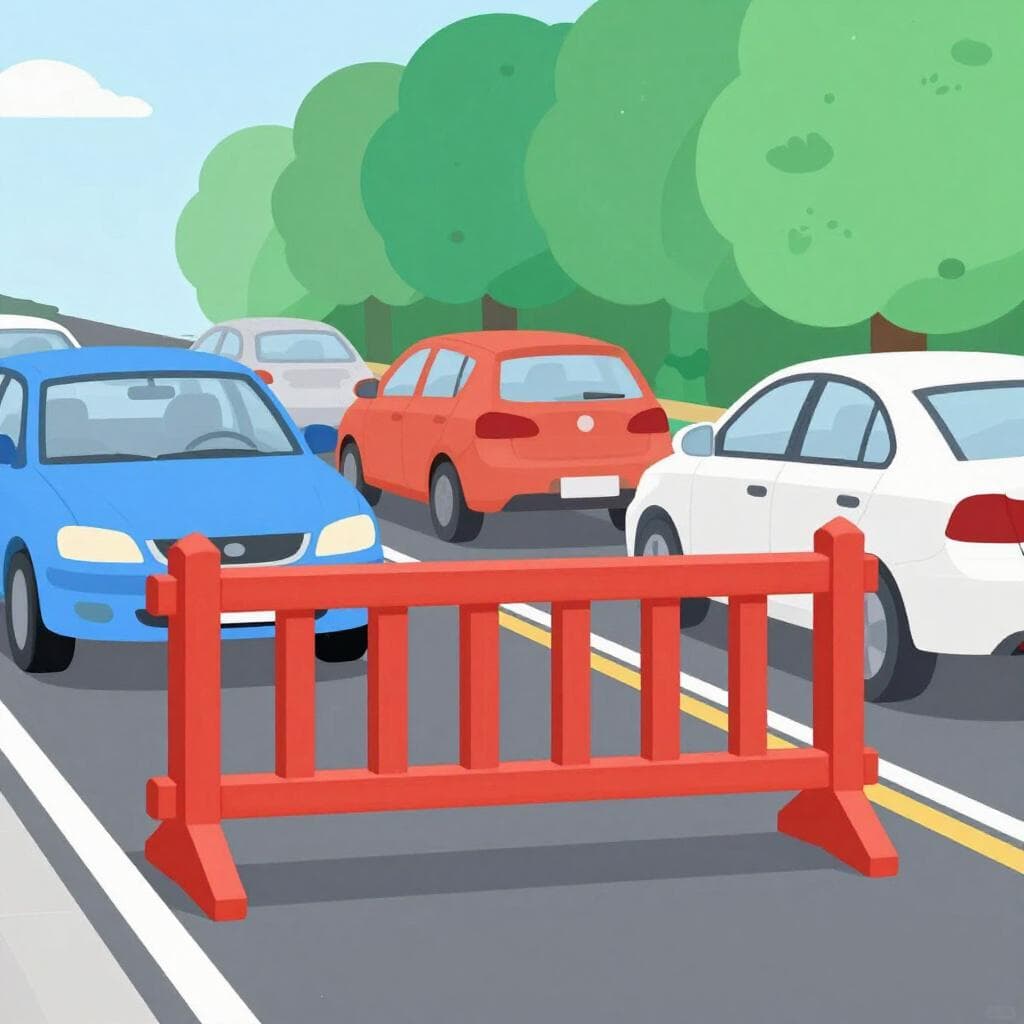
to delay
Also: to hold up, to postpone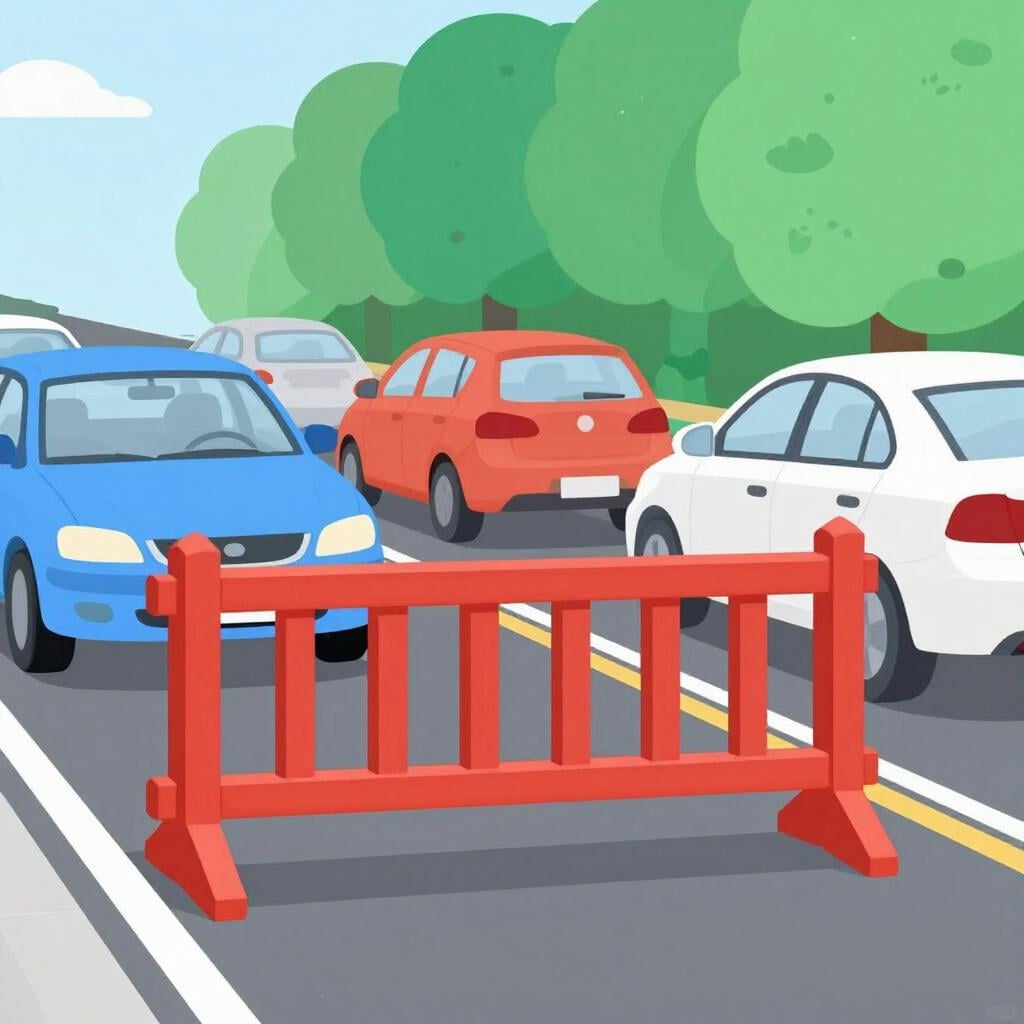
📝 In Action
El mal tiempo va a demorar el vuelo.
A2The bad weather is going to delay the flight.
No quiero demorar más el inicio de la reunión.
B1I don't want to hold up the start of the meeting any longer.
Ciertos trámites pueden demorar la entrega del paquete.
B2Certain paperwork can delay the delivery of the package.
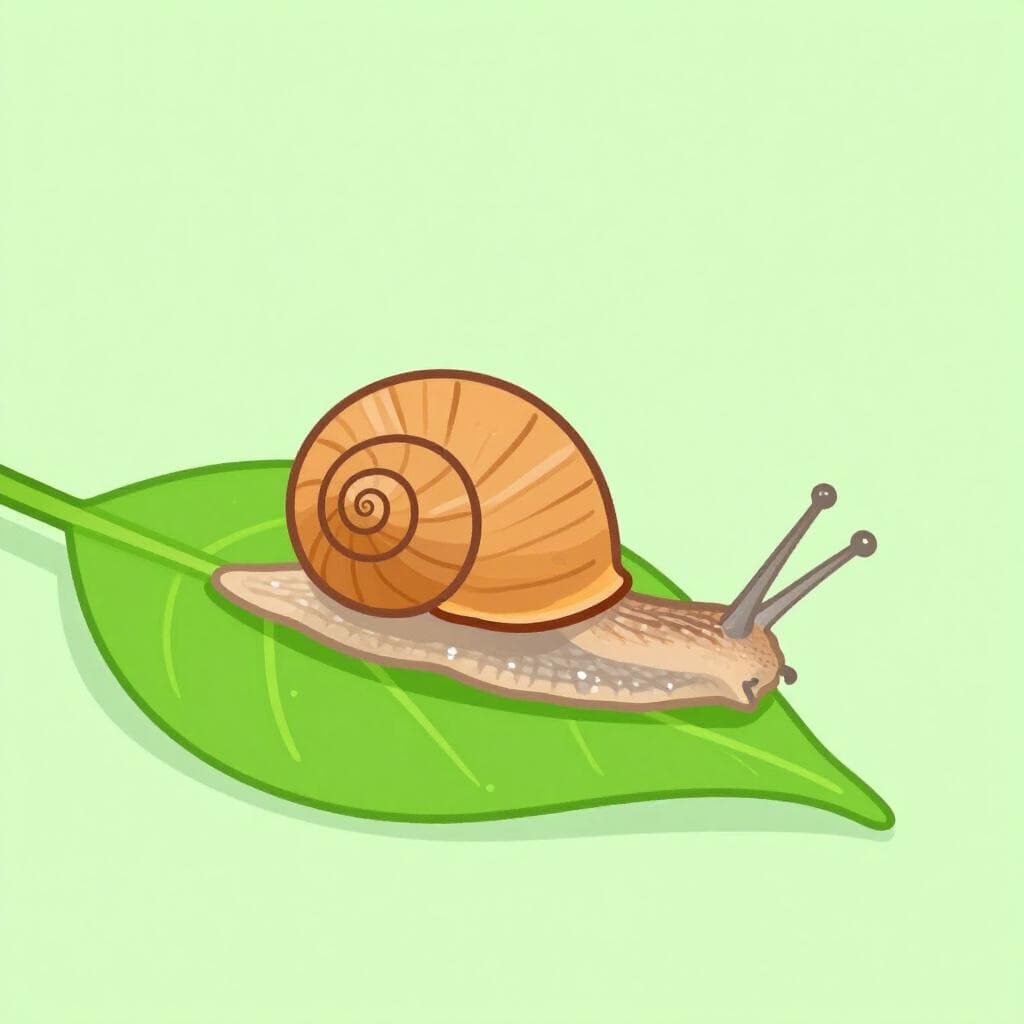
to take time
Also: to be late, to linger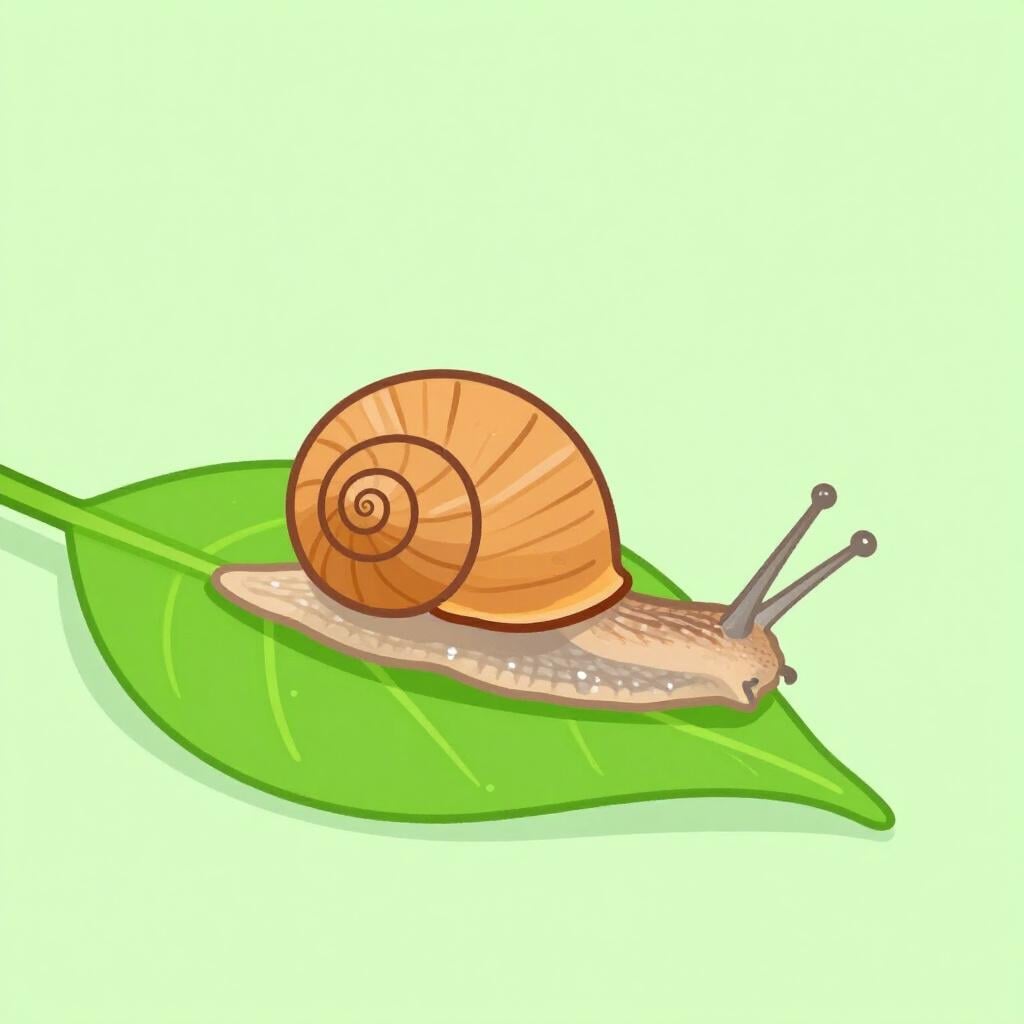
📝 In Action
Me demoré una hora en llegar.
A2It took me an hour to get here.
No te demores mucho en la tienda.
B1Don't take too long at the store.
El médico se demoró con el paciente anterior.
B1The doctor was held up with the previous patient.
Subjunctive
Imperfect Subjunctive
Present Subjunctive
Indicative
Preterite
Imperfect
Present
🔀 Commonly Confused With
Translate to Spanish
✏️ Quick Practice
Quick Quiz: demorar
Question 1 of 3
Which sentence means 'Don't be late'?
📚 More Resources
👥 Word Family▼
📚 Etymology▼
From the Latin word 'demorari,' which combines 'de-' (an intensive marker) and 'morari' (to stay or linger). It shares roots with the English word 'demur'.
First recorded: 13th century
Cognates (Related words)
💡 Master Spanish
Take your Spanish to the next level. Read 200+ illustrated and narrated Spanish stories tailored to your level with the Inklingo app!
Frequently Asked Questions
What is the difference between 'demorar' and 'tardar'?
They are very similar! 'Tardar' is more common in Spain, while 'demorar' is more common in Latin America. Both mean to take time or be late.
Is 'demorar' a formal word?
It is neutral. You can use it with friends ('No te demores') or in a professional email ('El envío se va a demorar').
Does 'demora' always need the 'se' (me, te, se)?
Not always. Use the 'se' part when you are talking about someone taking a long time. Don't use it when one thing is actively delaying another (e.g., 'The rain delayed the flight').