How to Say "to delay" in Spanish
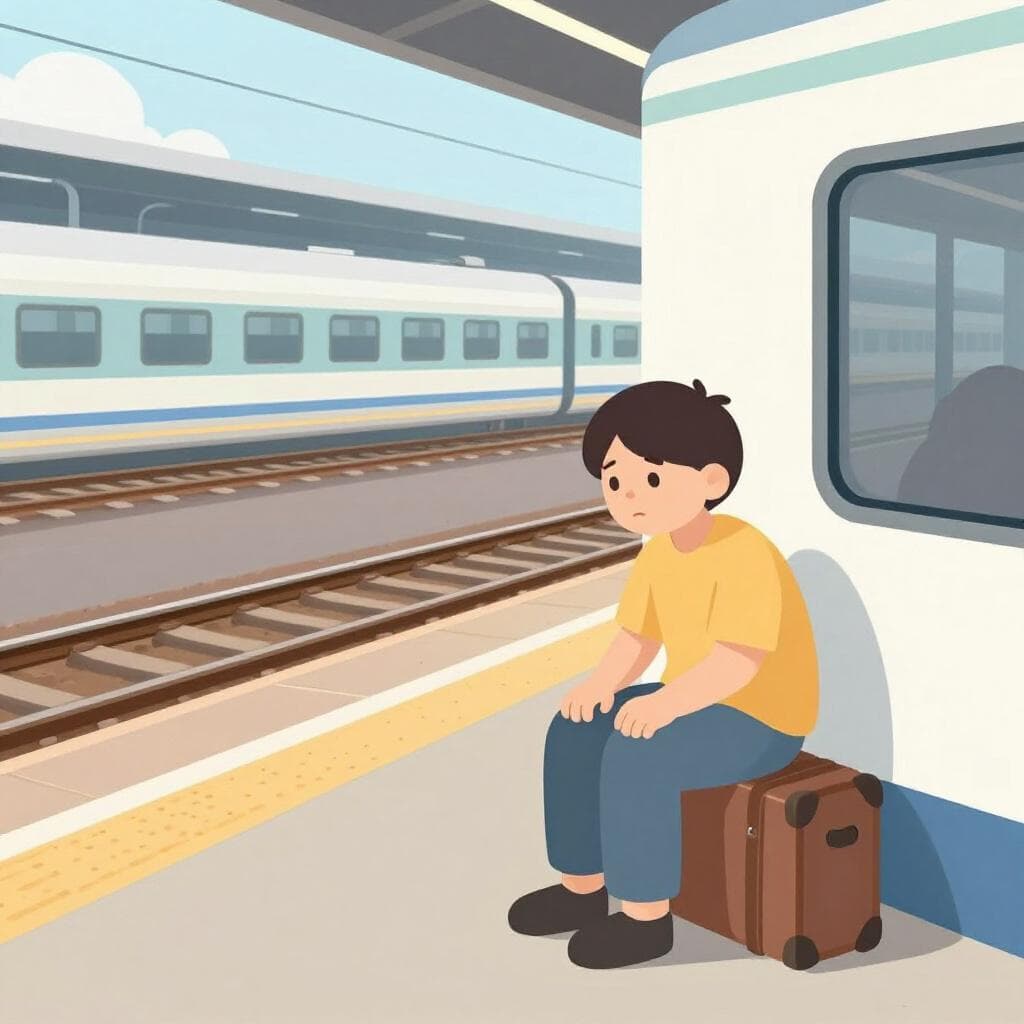
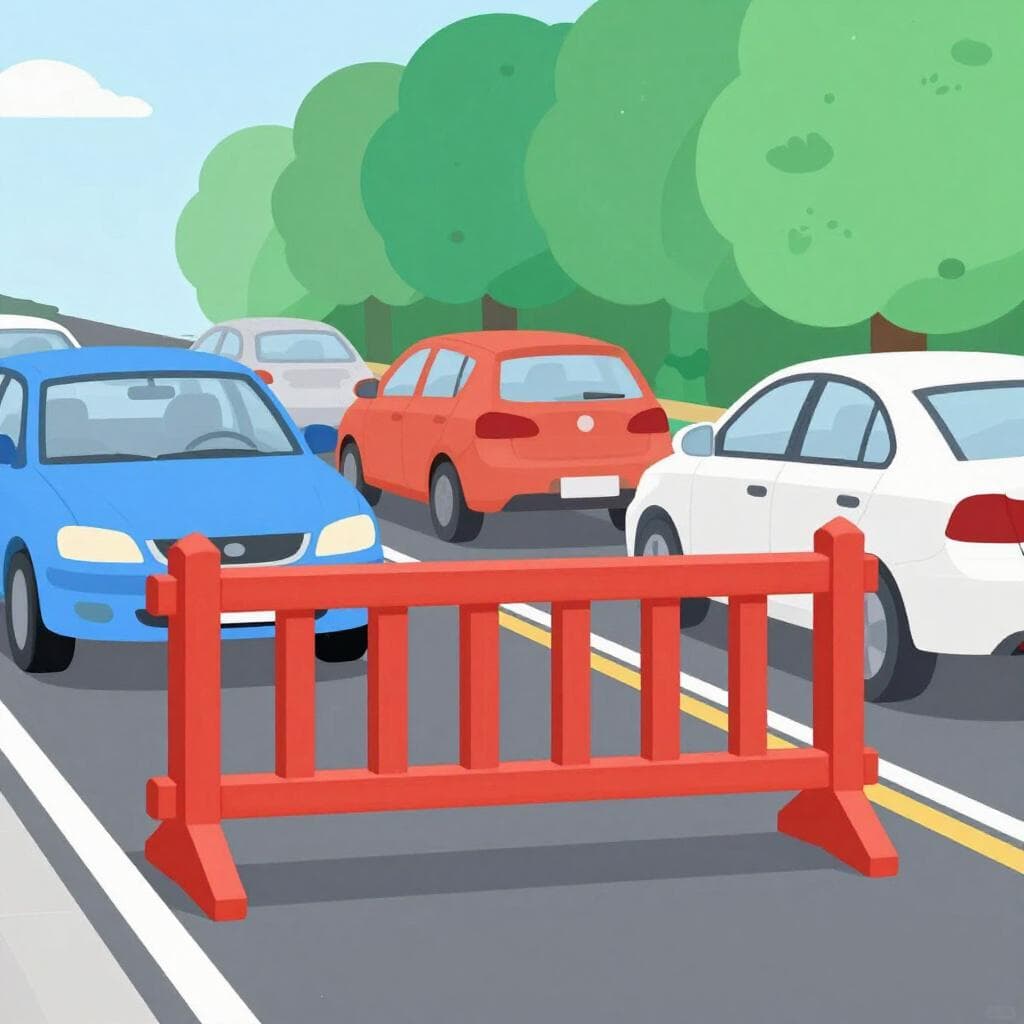
The most common Spanish word for “to delay” is “retrasar” — use this when an external factor causes something to happen later than planned, like weather affecting a schedule.





retrasar
rre-trah-SAHRretɾaˈsaɾ

Examples
La lluvia va a retrasar el comienzo del partido.
The rain is going to delay the start of the match.
Decidieron retrasar la reunión hasta el lunes.
They decided to postpone the meeting until Monday.
No quiero retrasar tu trabajo con mis preguntas.
I don't want to slow down your work with my questions.
Using the verb with objects
This verb is used when you are actively delaying something else, like a flight, a meeting, or a clock.
Moving Clocks
When Daylight Savings ends and you have to 'fall back,' use 'retrasar' to describe moving the hands of the clock back.
Retrasar vs. Tardar
Mistake: “Retrasé tres horas en llegar.”
Correction: Tardé tres horas en llegar. Use 'tardar' for the time YOU spent doing something; use 'retrasar' for making something happen later.
tardar
tar-dartaɾˈðaɾ

Examples
¿Cuánto tardas en llegar a la oficina?
How long does it take you to get to the office?
El tren tardó dos horas debido a la nieve.
The train was delayed by two hours due to the snow.
No tardes mucho, por favor. Te estamos esperando.
Don't take too long, please. We are waiting for you.
Using 'tardar' with 'en'
When you say how long you take to do an action, you must follow 'tardar' with the word 'en' and then the action verb in its base form (infinitive): 'Tardé una hora en terminar' (I took an hour to finish).
Tardar vs. Durar
Use 'tardar' when the focus is on the subject (the person doing the action) and the time they require. Use 'durar' when the focus is on the event itself and its total length: 'El viaje tardó (I took time)' vs. 'La película duró (The movie lasted)'.
Incorrect Preposition
Mistake: “Tardo diez minutos *para* llegar.”
Correction: Tardo diez minutos *en* llegar. Use 'en' to link 'tardar' to the action that is taking time.
aplazar
ah-plah-SAHRaplaˈθaɾ

Examples
Tuvimos que aplazar la boda hasta el próximo año.
We had to postpone the wedding until next year.
El partido se aplazó por la lluvia.
The match was delayed because of the rain.
No puedes aplazar tus decisiones para siempre.
You cannot put off your decisions forever.
Spelling Change Rule
The 'z' changes to 'c' when followed by an 'e'. This happens in the 'yo' form of the past (aplacé) and all forms of the special 'wish' verb form (subjunctive).
Preposition Match
Use 'para' or 'hasta' when saying the new date. For example: 'Lo aplazamos para el lunes' (We postponed it for Monday).
The Spelling Error
Mistake: “Yo aplazé la cita.”
Correction: Yo aplacé la cita. Because 'z' and 'e' rarely go together in Spanish, we switch to 'c'.
posponer
pohs-poh-NEHRpospoˈner

Examples
Tuvimos que posponer la reunión para el próximo martes.
We had to postpone the meeting until next Tuesday.
No pospongas tus sueños por miedo al fracaso.
Don't put off your dreams because of fear of failure.
Si sigue lloviendo, pospondrán el partido.
If it keeps raining, they will postpone the match.
Conjugates like 'poner'
This verb follows the exact same patterns as the common word 'poner'. If you know 'pongo' and 'puse', you already know 'pospongo' and 'pospuse'!
The 'D' in the future
When talking about the future, the 'e' drops out and a 'd' appears, making it 'pospondré' instead of 'posponeré'.
Regularizing the Past
Mistake: “Yo posponí la cita.”
Correction: Yo pospuse la cita. (Because it follows 'poner', the past form changes the stem to 'pus-').
demorar
deh-moh-rahrde.moˈɾaɾ
Examples
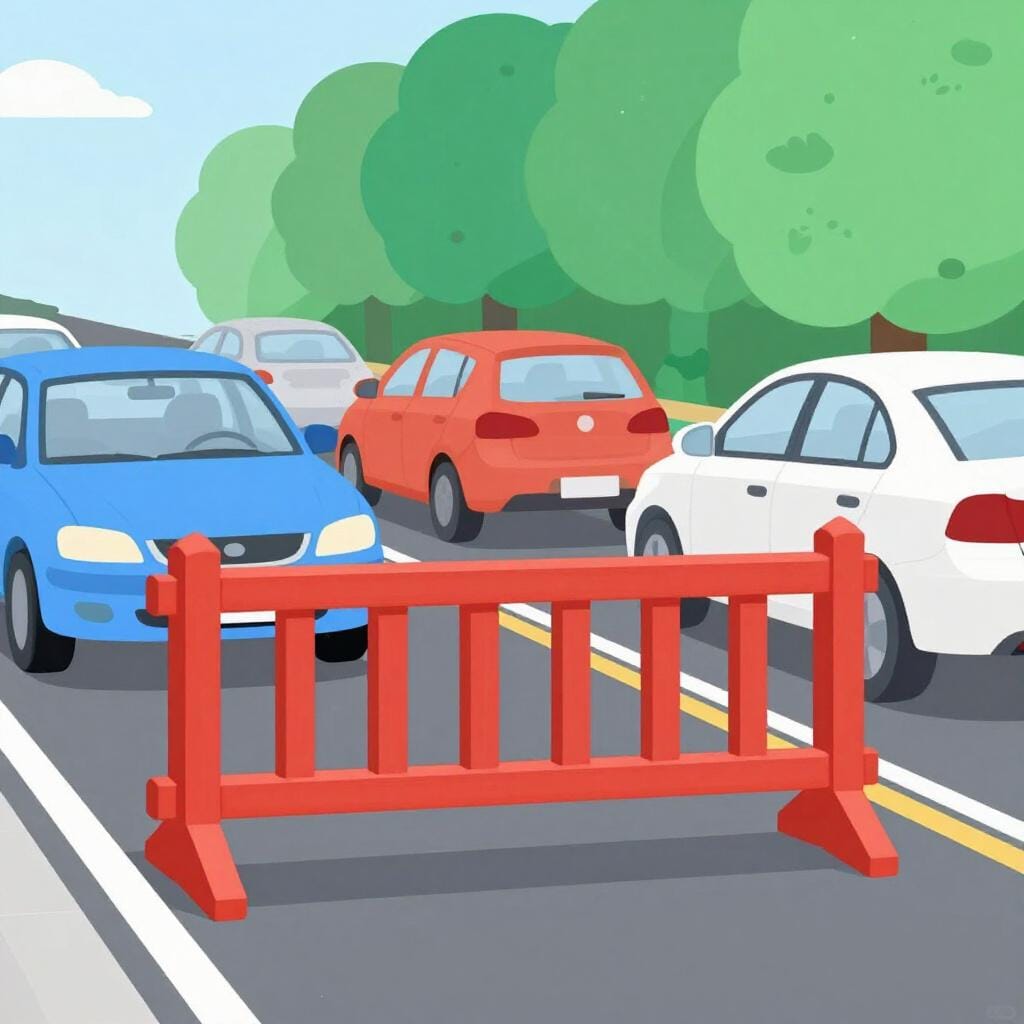
El mal tiempo va a demorar el vuelo.
The bad weather is going to delay the flight.
No quiero demorar más el inicio de la reunión.
I don't want to hold up the start of the meeting any longer.
Ciertos trámites pueden demorar la entrega del paquete.
Certain paperwork can delay the delivery of the package.
Making it personal
When you want to say YOU are taking a long time or are being late, add 'se' to the end (demorarse). For example: 'No te demores' means 'Don't be late'.
Using 'en' for actions
If you want to say someone is taking a long time doing something, follow 'demorar' with the word 'en' and then the activity. For example: 'Demoró en responder' (He took a long time to reply).
Don't use 'tomar tiempo'
Mistake: “La película tomó mucho tiempo.”
Correction: La película se demoró mucho. (In Spanish, we use 'demorar' or 'tardar' rather than 'tomar' when talking about things taking time.)
entretener
en-tre-te-nerentɾeteˈneɾ

Examples
Perdón por la demora, es que me entretuvo un cliente.
Sorry for the delay, it's just that a client held me up.
No quiero entretenerte mucho porque sé que tienes prisa.
I don't want to delay you much because I know you're in a hurry.
Se entretuvo hablando con el vecino y llegó tarde.
He got held up talking to the neighbor and arrived late.
Softening a Delay
In Spanish, using 'entretener' instead of 'retrasar' (to delay) sounds a bit more natural and polite when you got distracted by something else.
retener
rreh-teh-NEHRre.teˈner

Examples
Por favor, retén este paquete hasta que yo vuelva.
Please keep this package until I return.
La lluvia nos retuvo en casa toda la tarde.
The rain held us back at home all afternoon.
No quiero retenerte más, sé que tienes prisa.
I don't want to keep you any longer, I know you're in a hurry.
The 'Tener' Family Pattern
This word works exactly like 'tener.' If you know how to say 'tengo' or 'tuve,' you just add 're-' to the front: 'retengo,' 'retuve.'
Shortened Command
When telling a friend to 'keep' or 'hold' something, the word shortens to 'retén' instead of 'retene.'
Using the wrong past tense
Mistake: “Yo retení el libro.”
Correction: Yo retuve el libro. Remember, it follows the same special past tense pattern as 'tener' (tuve).
Postpone vs. Cause a Delay
Related Translations
Learn Spanish with Inklingo
Interactive stories, personalized learning, and more.