How to Say "to detain" in Spanish
The most common Spanish word for “to detain” is “detener” — use 'detener' when referring to the act of stopping someone or holding them, especially by police or legal authorities, implying a temporary or official holding.
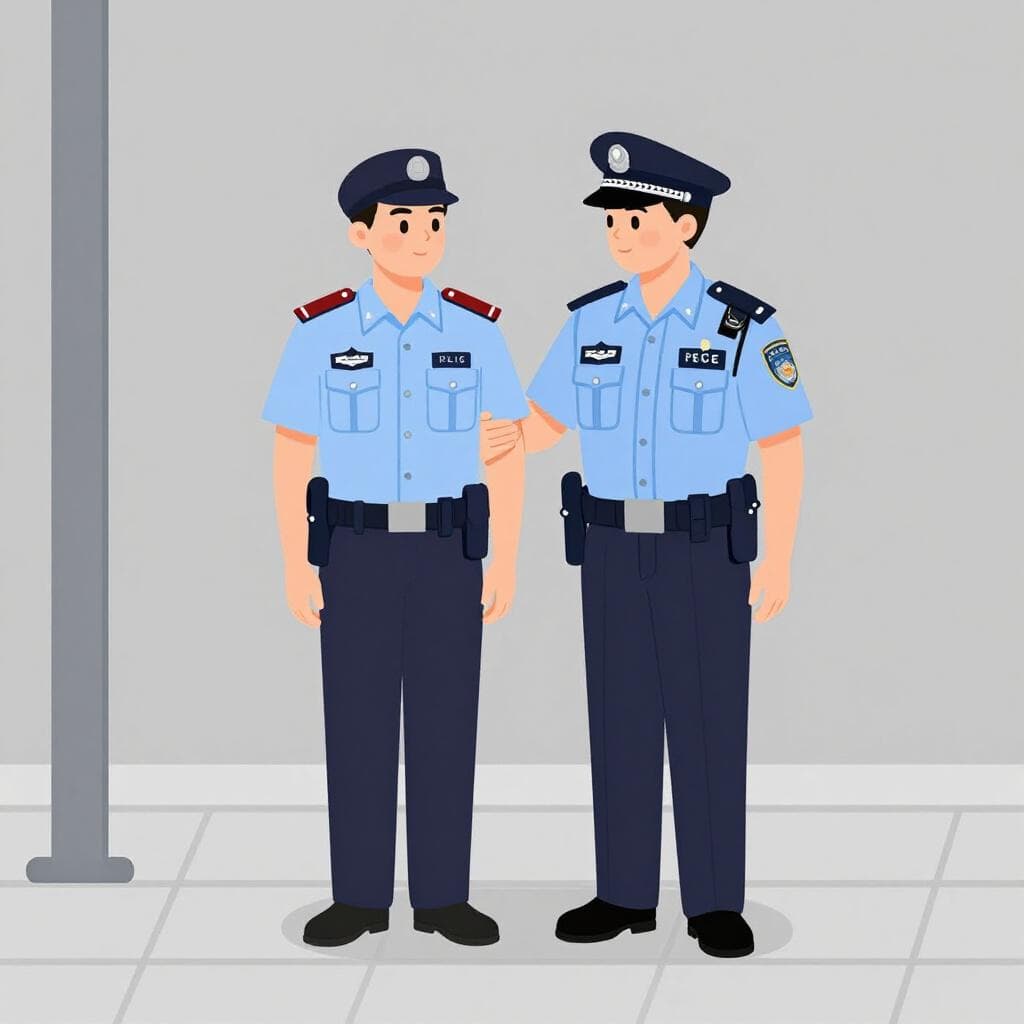
Use 'detener' when referring to the act of stopping someone or holding them, especially by police or legal authorities, implying a temporary or official holding.
Learn more →
Choose 'arrestar' specifically when the detention involves a formal arrest, taking someone into custody as part of a legal process, often after a crime.
Learn more →
Use 'retener' when the meaning is to hold something or someone back, or to keep possession of something, such as withholding taxes from a paycheck or detaining someone's luggage.
Learn more →deh-teh-NEHRde.teˈneɾ

Examples
La policía detuvo a dos sospechosos anoche.
The police detained two suspects last night.
El juez ordenó detener al acusado.
The judge ordered the accused to be arrested.
ah-rrehs-TAHRa.resˈtaɾ

Examples
La policía logró arrestar al sospechoso después de la persecución.
The police managed to arrest the suspect after the chase.
Arrestaron a varias personas por el disturbio.
They arrested several people for the disturbance.
Si te arrestan, tienes derecho a hacer una llamada.
If they arrest you, you have the right to make one phone call.
Regular -AR Verb
This verb follows the most common pattern for Spanish verbs, making its conjugations predictable and easy to learn. Just drop the '-ar' and add the standard endings.
False Cognate Warning
Mistake: “Using 'arrestar' to mean 'to rest' (descansar).”
Correction: While 'arrestar' sounds like 'rest,' it only means 'to detain/take into custody.' Use 'descansar' for taking a break.
rreh-teh-NEHRre.teˈner

Examples
La empresa retiene los impuestos de mi nómina.
The company withholds taxes from my payroll.
La policía retuvo al sospechoso para interrogarlo.
The police detained the suspect for questioning.
Algunas medicinas pueden hacer que el cuerpo retenga líquidos.
Some medicines can cause the body to retain fluids.
Formal Contexts
In legal or financial contexts, the action is usually done by an authority (bank, police, government) to a person or their property.
Detener vs. Arrestar
Learners often confuse 'detener' and 'arrestar' because both can mean to hold someone in official custody. Remember that 'arrestar' specifically implies a formal arrest, while 'detener' is broader and can mean to stop or detain someone without necessarily implying a formal arrest.
Related Translations
Learn Spanish with Inklingo
Interactive stories, personalized learning, and more.