How to Say "bit" in Spanish
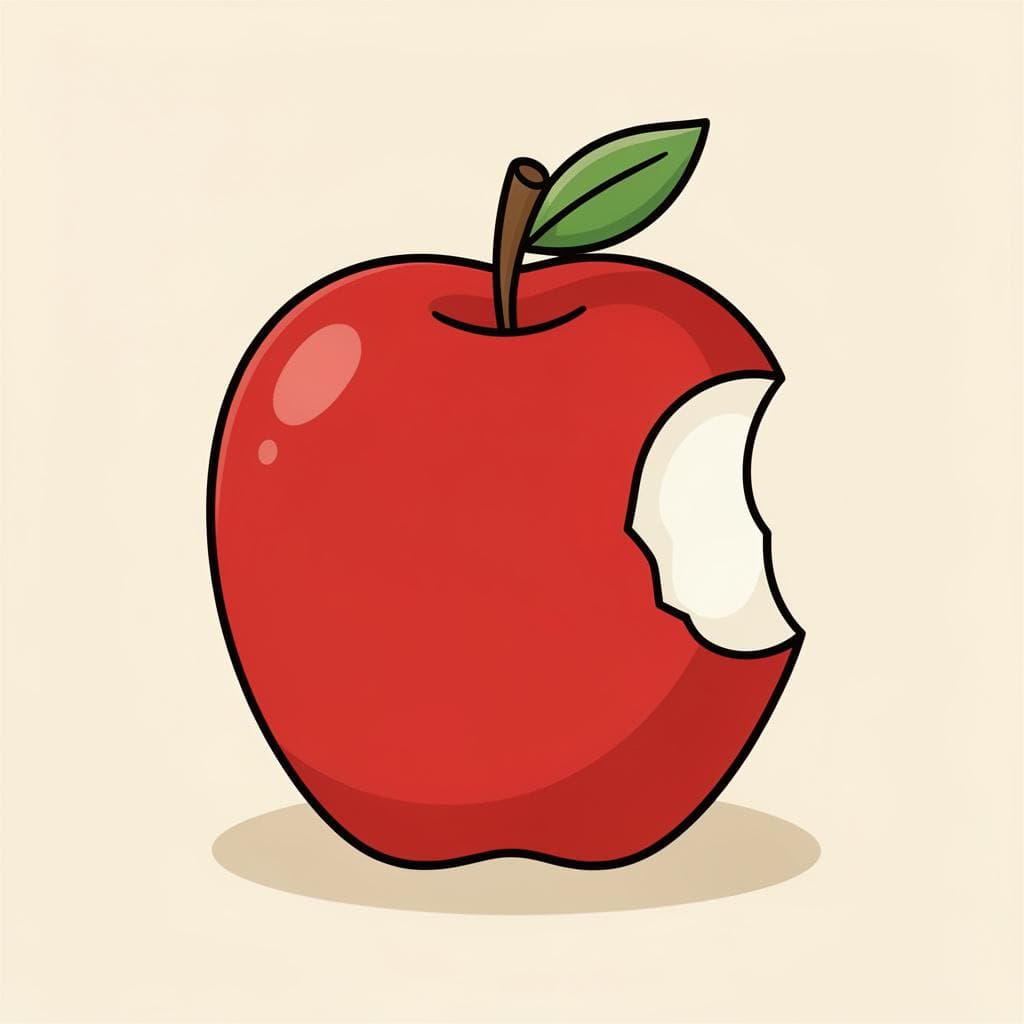
The most common Spanish word for “bit” is “pedacito” — use 'pedacito' when referring to a very small, often desirable, piece or portion of something tangible, like food.
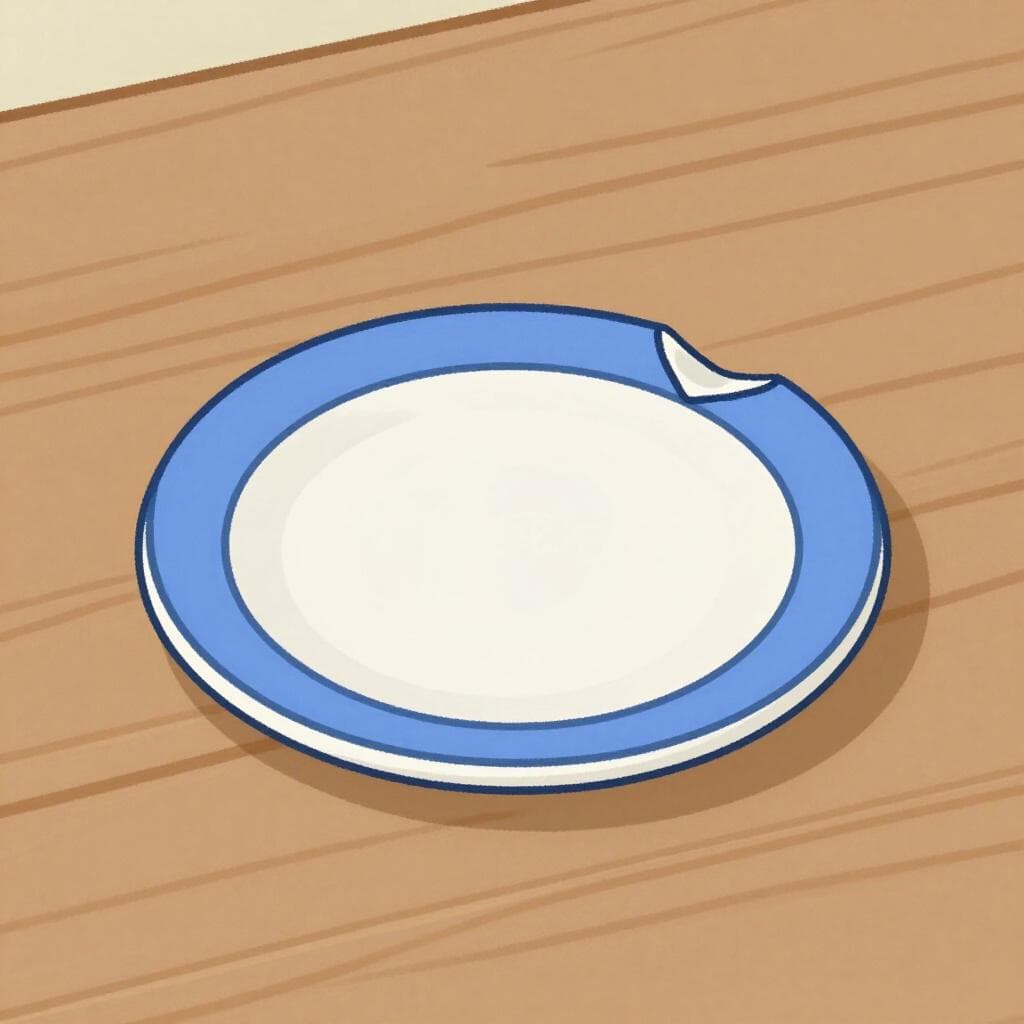
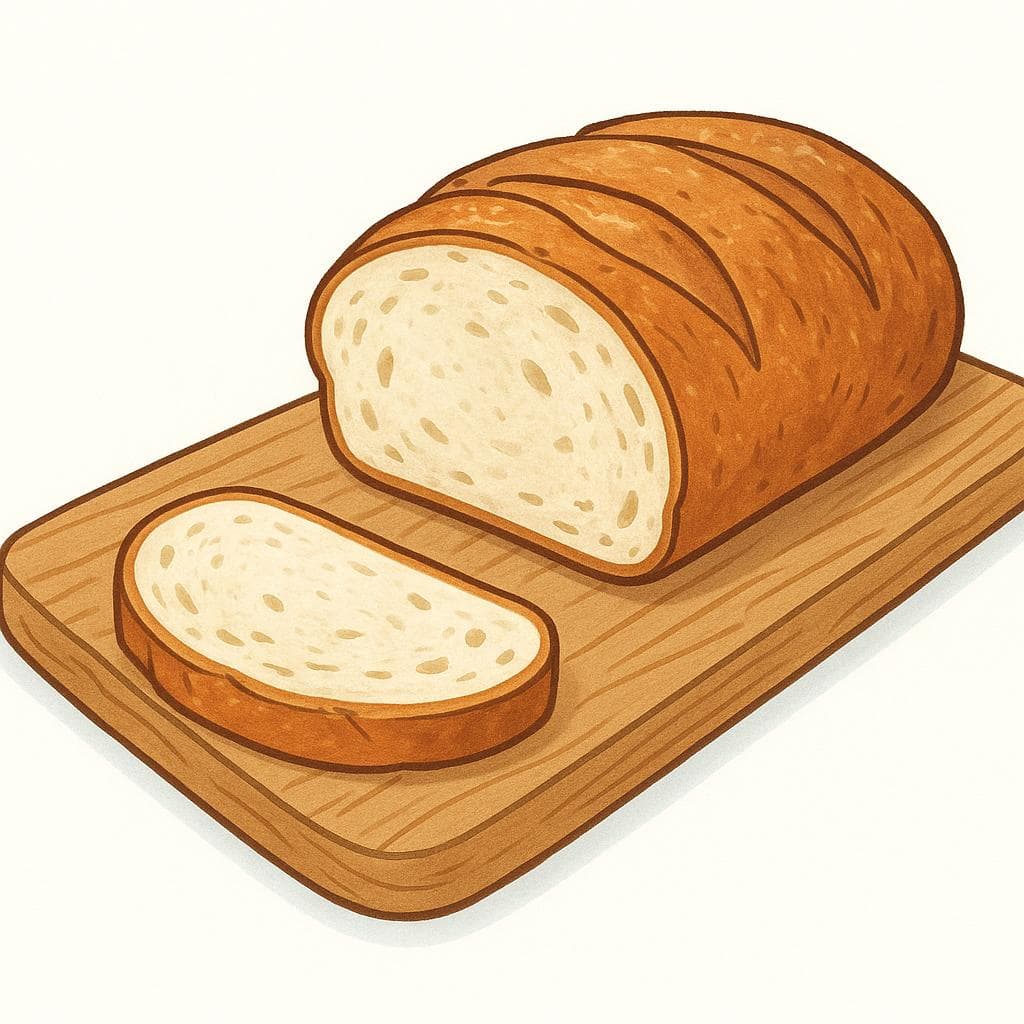
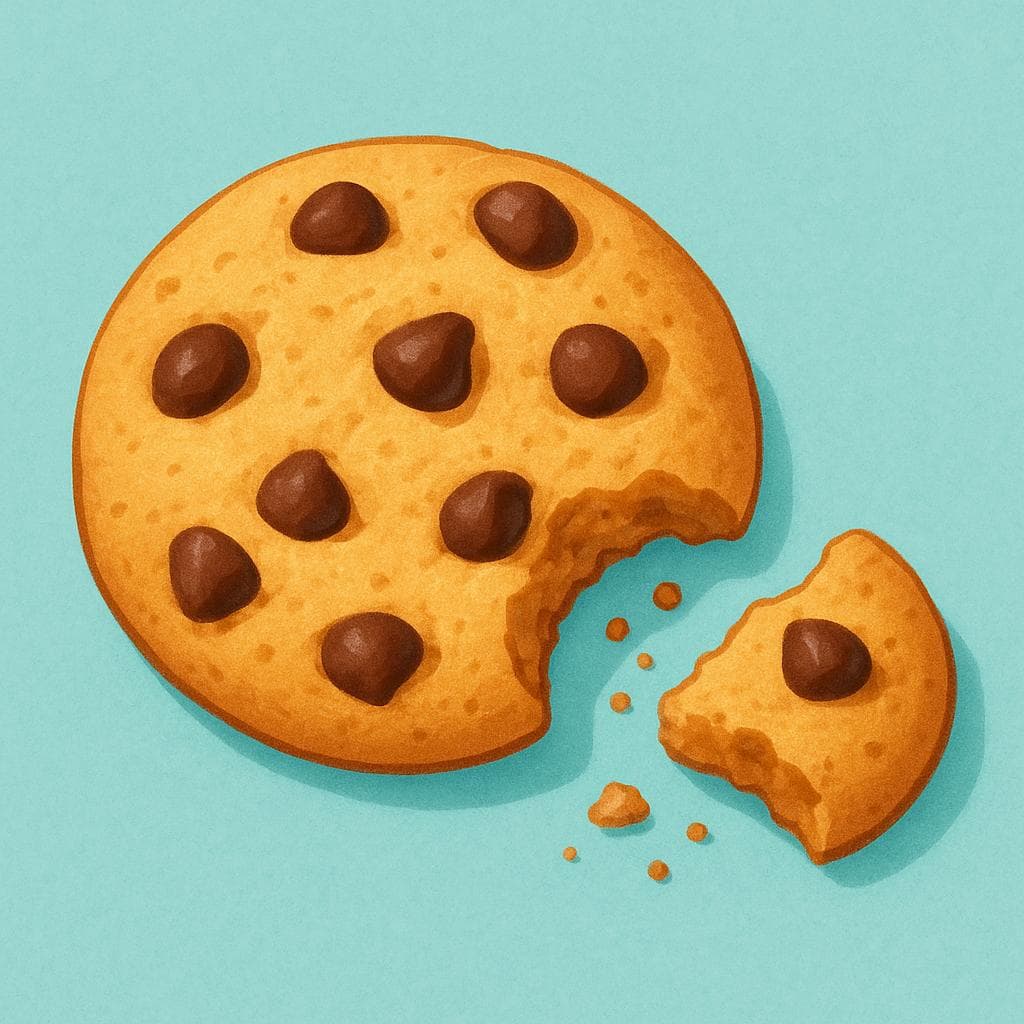

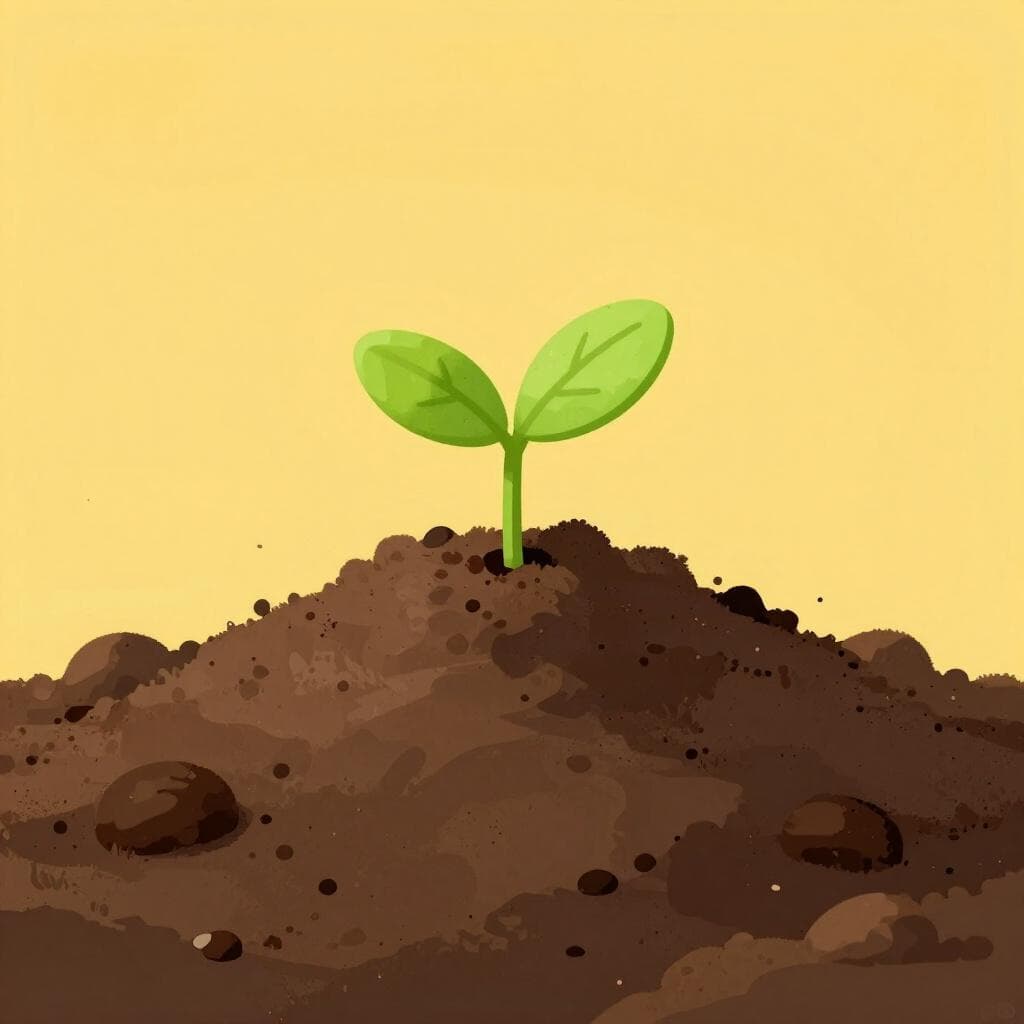




pedacito
peh-dah-SEE-tohpeðaˈsito
Examples
¿Me das un pedacito de pastel?
Can you give me a little piece of cake?
¿Me das un pedacito de chocolate?
Can you give me a small piece of chocolate?
Solo necesito un pedacito de papel para escribir el número.
I only need a little scrap of paper to write the number.
Ella guarda cada pedacito de recuerdo de su viaje.
She keeps every little bit of memory from her trip.
The 'Smallness' Ending
This word comes from 'pedazo' (piece). By adding '-ito' to the end, Spanish speakers make the word sound smaller, cuter, or more polite.
Spelling Change
Notice that the 'z' in 'pedazo' changes to a 'c' in 'pedacito'. In Spanish, 'z' usually turns into 'c' before the letter 'i' to keep the same soft sound.
Using it for liquids
Mistake: “Un pedacito de agua.”
Correction: Un poquito de agua.
trozo
TROH-sohˈtɾoso
Examples
Quiero un trozo de pizza.
I want a piece of pizza.
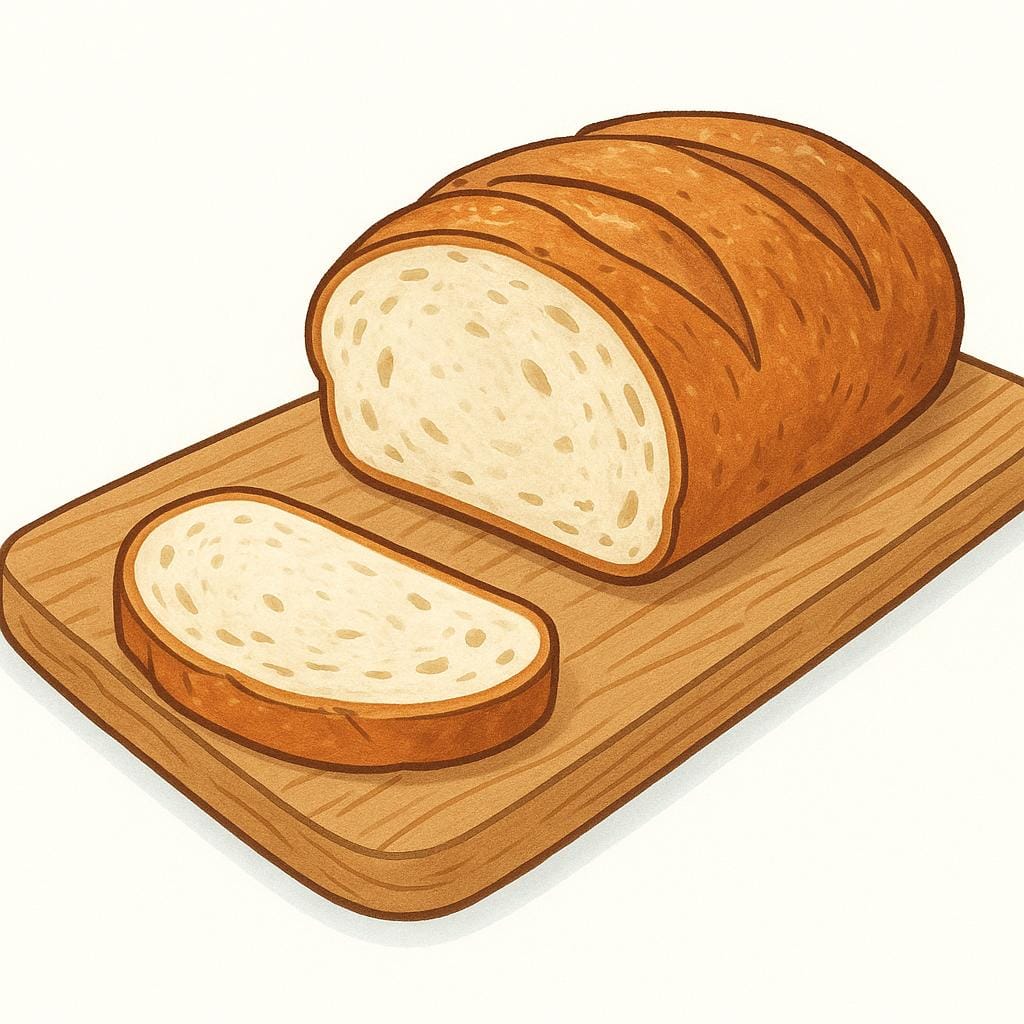
Dame un trozo de pan, por favor.
Give me a piece of bread, please.
Encontré un trozo de vidrio en el suelo.
I found a piece of glass on the floor.
Necesitamos un trozo de cuerda más largo.
We need a longer piece of rope.
Masculine Noun
Remember that 'trozo' is always masculine, so you must use the masculine articles: 'el trozo' (the piece) or 'un trozo' (a piece).
Using 'la' instead of 'el'
Mistake: “La trozo de queso es grande.”
Correction: El trozo de queso es grande. (Even though it ends in 'o', it's easy to forget the gender, but always use 'el'.)
pedazo
peh-DAH-thoh (Spain) / peh-DAH-soh (Latin America)peˈðaθo
Examples
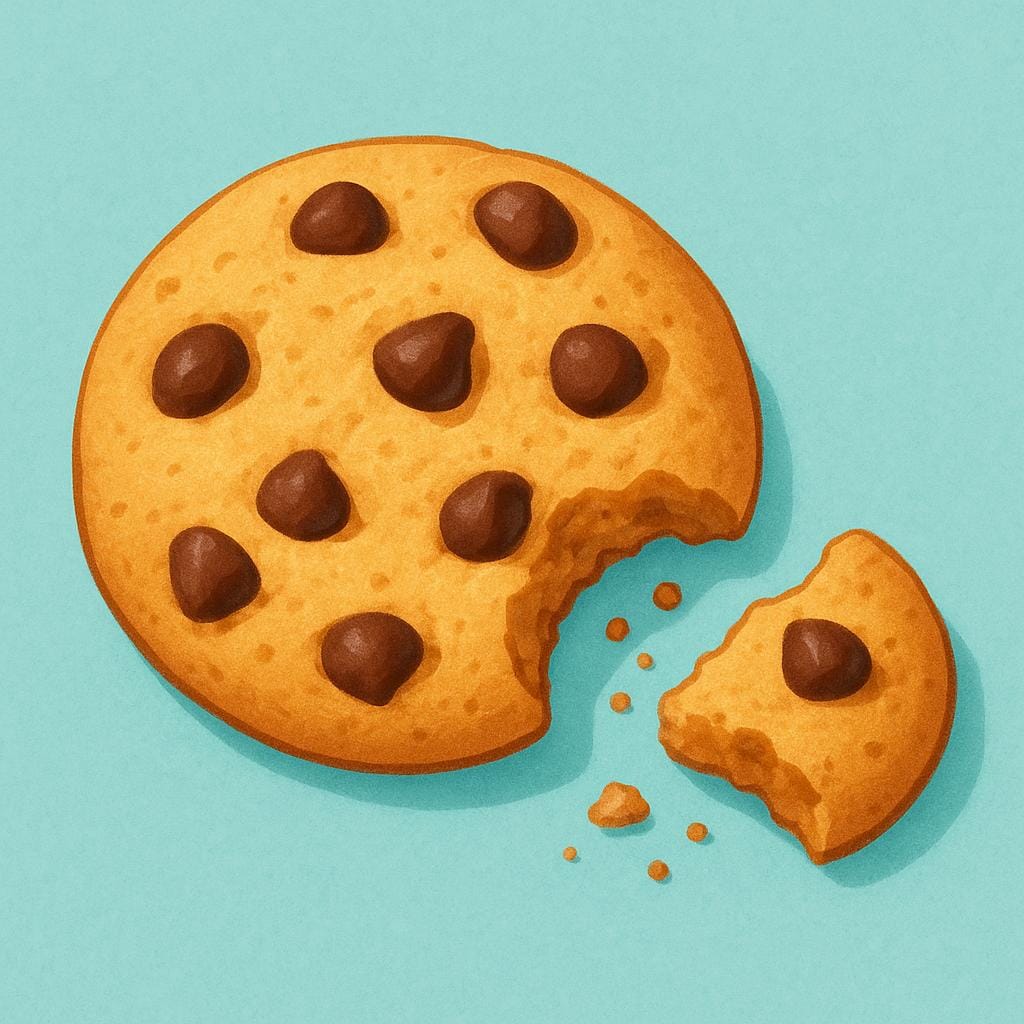
Necesito un pedazo de tela para mi proyecto.
I need a piece of fabric for my project.
Necesito un pedazo de papel para escribir una nota.
I need a piece of paper to write a note.
El jarrón se cayó y se rompió en mil pedazos.
The vase fell and broke into a thousand pieces.
Guárdame un pedazo de pizza, por favor.
Save me a slice of pizza, please.
Always Masculine
Even when referring to items that might be feminine (like 'la tarta'), 'pedazo' itself is always masculine: 'un pedazo de tarta' (a piece of cake).
Confusing 'piece' and 'part'
Mistake: “Usar 'parte' para una porción física pequeña (e.g., 'una parte de pastel').”
Correction: Use 'pedazo' or 'trozo' for a physical portion you can hold or eat. 'Parte' refers more to a section or role.
gota
GOH-tahˈɡo.ta

Examples
Solo queda una gota de agua en la botella.
There's only a drop of water left in the bottle.
No queda ni una gota de café en la jarra.
There isn't a single drop (a bit) of coffee left in the pot.
Ella tiene una gota de talento para la música.
She has a touch (a trace) of talent for music.
Using 'Ni una gota'
This phrase is often used for emphasis in negative sentences, meaning 'absolutely none left'.
pizca
PEES-kahˈpiθka
Examples
Le falta una pizca de sal a la sopa.
The soup needs a pinch of salt.
No tiene ni una pizca de vergüenza.
He doesn't have a shred of shame.
Sus palabras no tenían ni una pizca de verdad.
His words didn't have a bit of truth in them.
A ese plan le falta una pizca de lógica.
That plan lacks an ounce of logic.
The power of 'Ni'
When you want to say 'not a single bit,' put the word 'ni' before 'una pizca' to make your sentence much stronger.
Using it for physical size
Mistake: “Ese juguete es una pizca.”
Correction: Ese juguete es pequeñito. Use 'pizca' for amounts or qualities, not the physical size of an object.
dosis
DOH-seesˈdo.sis

Examples
La película tiene una dosis de acción emocionante.
The movie has a dose of exciting action.
Su presentación tenía una dosis de humor muy necesaria.
His presentation had a much-needed bit of humor.
A veces solo necesitamos una dosis de motivación para empezar.
Sometimes we just need a measure of motivation to start.
Figurative Use
When used figuratively, 'dosis' usually refers to a small, specific amount of a quality, like patience, cynicism, or energy.
chispa
chees-pahˈtʃispa

Examples
Queda una chispa de esperanza en su voz.
There's a spark of hope left in his voice.
Todavía queda una chispa de esperanza en sus ojos.
There is still a trace of hope in his eyes.
bocado
bo-KAH-doboˈkaðo

Examples
El caballo se resistía al bocado.
The horse resisted the bit.
El jinete le puso el bocado al caballo.
The rider put the bit on the horse.
Context is key
This meaning only applies when you are talking about horses or specific tools; otherwise, people will assume you mean food.
freno
FREH-nohˈfɾeno
Examples
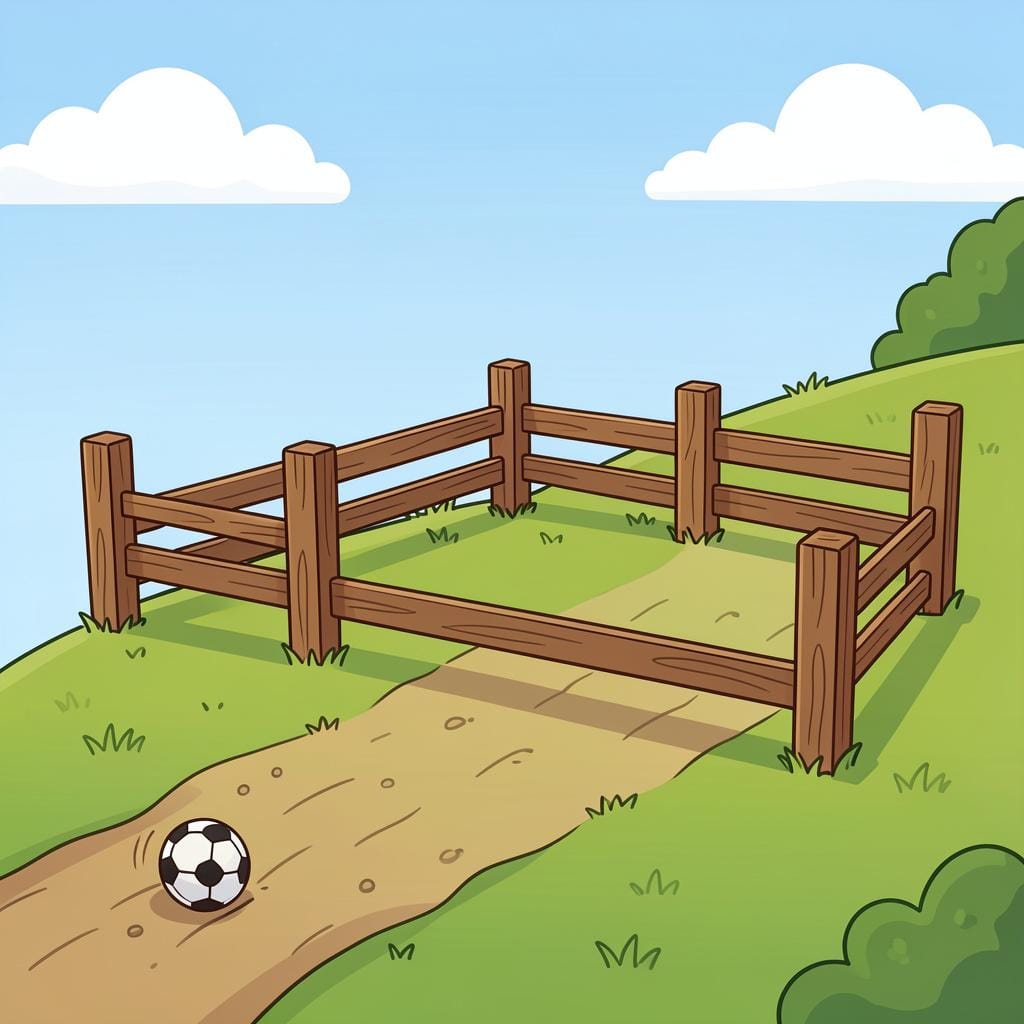
Sin freno, se comió todo el pastel.
Without restraint, he ate the whole cake.
No tiene freno cuando se pone a hablar.
He has no restraint once he starts talking.
La ley sirvió como un freno a la corrupción.
The law served as a check on corruption.
Figurative use
Just like in English, we use the word for stopping a car to describe stopping a behavior.
gramo
GRAH-mohˈɡɾamo

Examples
No le pongas ni un gramo de picante.
Don't put even a gram of spice in it.
Necesito cien gramos de azúcar para la receta.
I need one hundred grams of sugar for the recipe.
Este anillo de oro pesa cinco gramos.
This gold ring weighs five grams.
No tiene ni un gramo de sentido común.
He doesn't have even a bit of common sense.
Always Masculine
Even though it ends in 'o', it's helpful to remember that almost all units of measurement in Spanish are masculine. You should always use 'el' or 'un' with gramo.
Pluralization
To talk about more than one, simply add an 's' to make 'gramos'. This is just like adding 's' in English.
Gramo vs. Grama
Mistake: “La grama de azúcar.”
Correction: El gramo de azúcar. 'La grama' actually means a specific type of lawn grass, so confusing the two might make people think you're eating your yard!
mordió
mor-DYOHmoɾˈðjo
Examples
El perro mordió la pelota.
The dog bit the ball.
El perro mordió el juguete con mucha fuerza.
The dog bit the toy very hard.
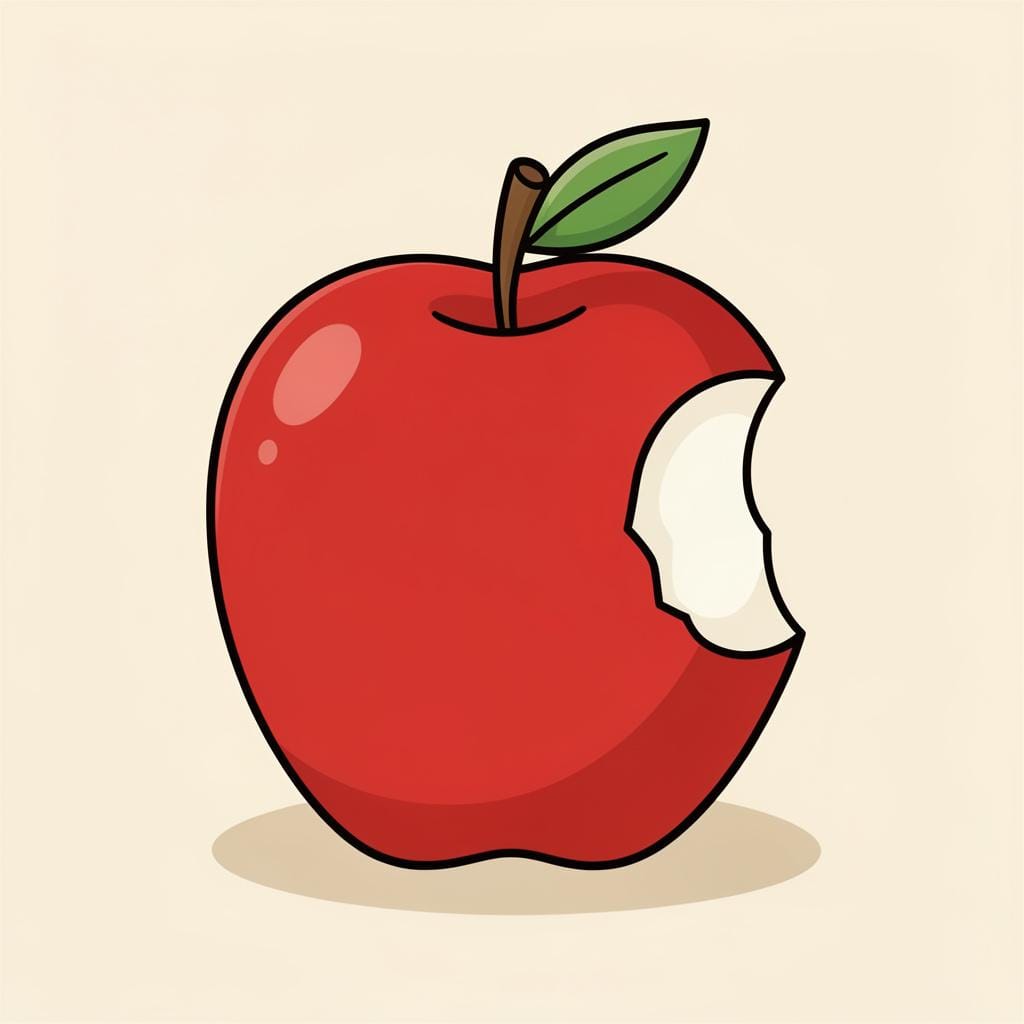
Ella mordió la manzana y encontró un gusano.
She bit the apple and found a worm.
El estafador puso una trampa y el cliente mordió el anzuelo.
The scammer set a trap and the client took the bait.
The Importance of the Accent Mark
The 'ó' at the end tells you that this action happened in the past and was done by 'him,' 'her,' 'it,' or 'you' (formal). Without that accent, it wouldn't be a correctly written word in this tense!
A Stable Past
Even though the base verb 'morder' often changes its 'o' to 'ue' (like 'muerdo'), it stays as a simple 'o' in this past tense form.
Missing the Accent
Mistake: “El perro mordio.”
Correction: El perro mordió. Spanish needs the accent to show the stress is at the end for this past tense.
Tangible vs. Intangible Amounts
Learn Spanish with Inklingo
Interactive stories, personalized learning, and more.