How to Say "piece" in Spanish
The most common Spanish word for “piece” is “pedazo” — use this for a general, often informal, portion or chunk of something larger, like food or paper.
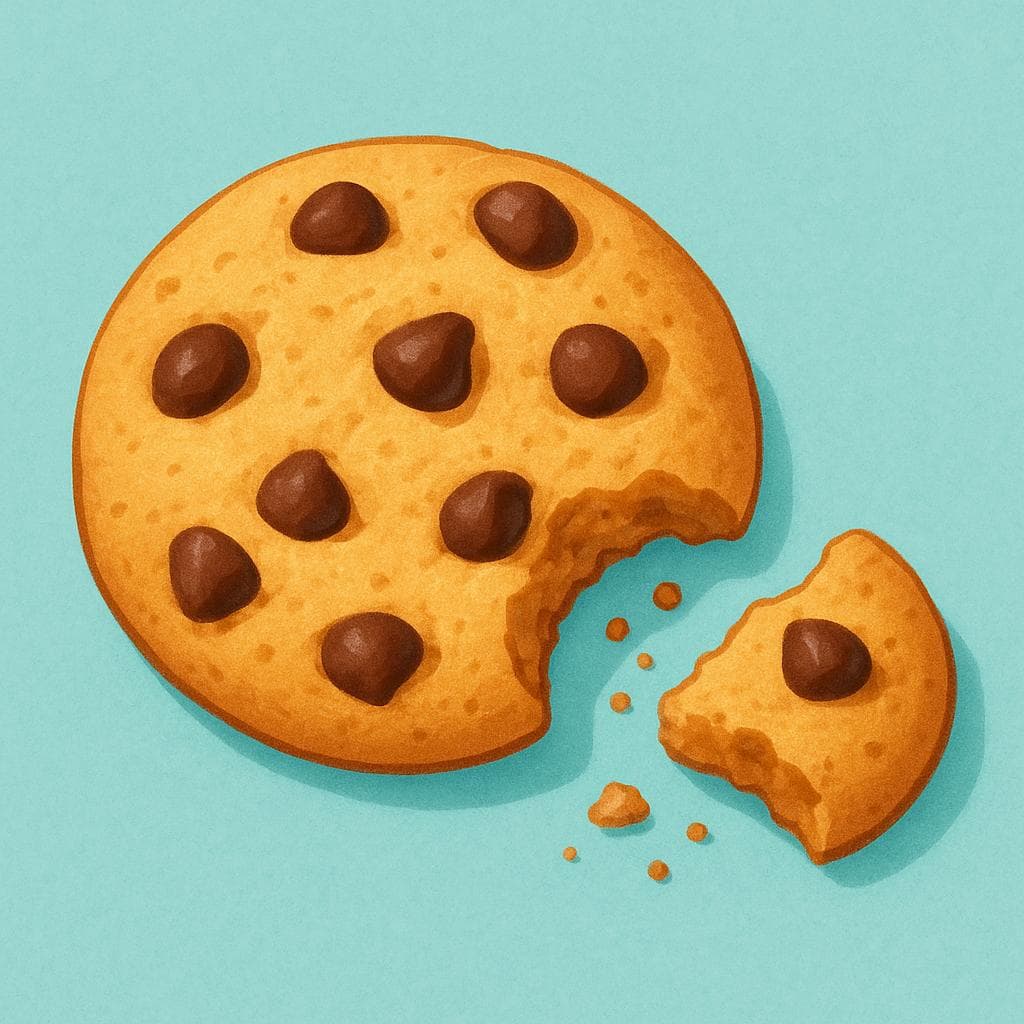



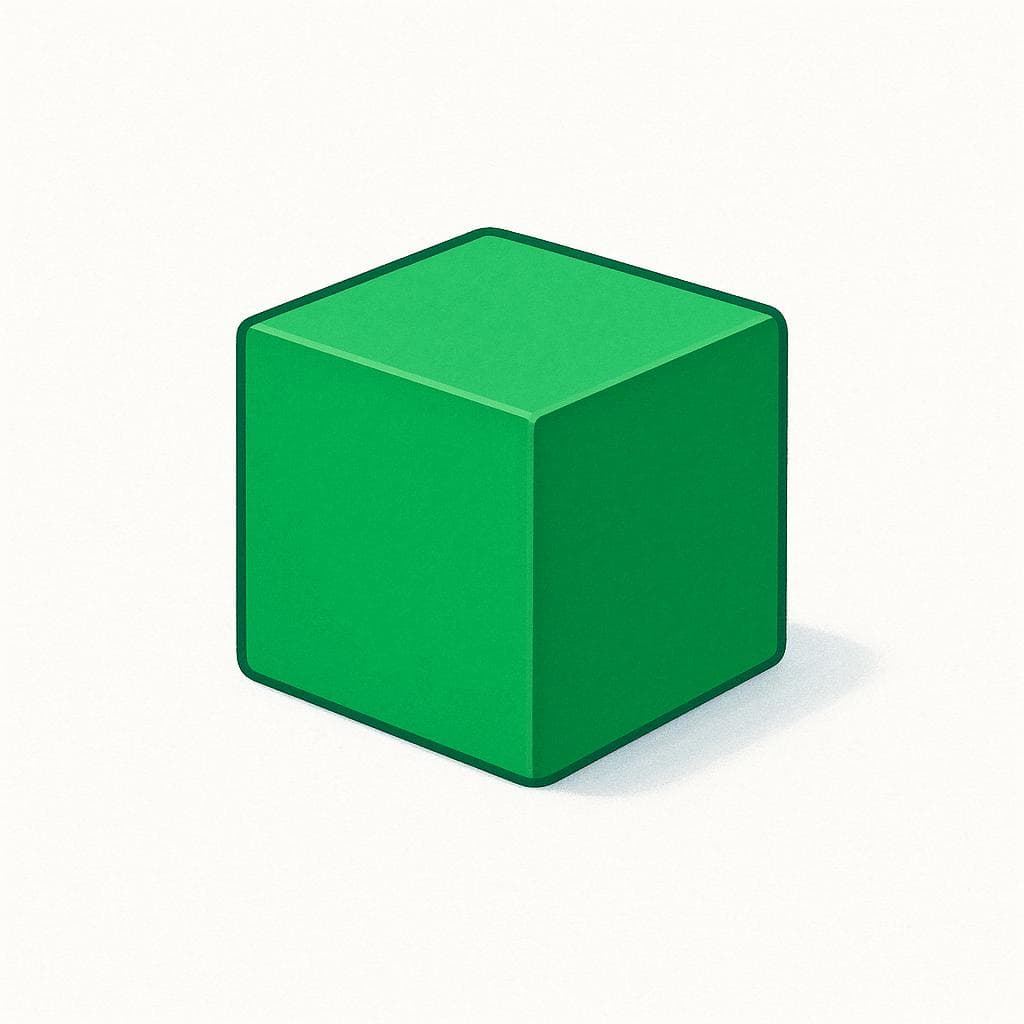

pedazo
peh-DAH-thoh (Spain) / peh-DAH-soh (Latin America)peˈðaθo
Examples
Necesito un pedazo de papel para escribir una nota.
I need a piece of paper to write a note.
El jarrón se cayó y se rompió en mil pedazos.
The vase fell and broke into a thousand pieces.
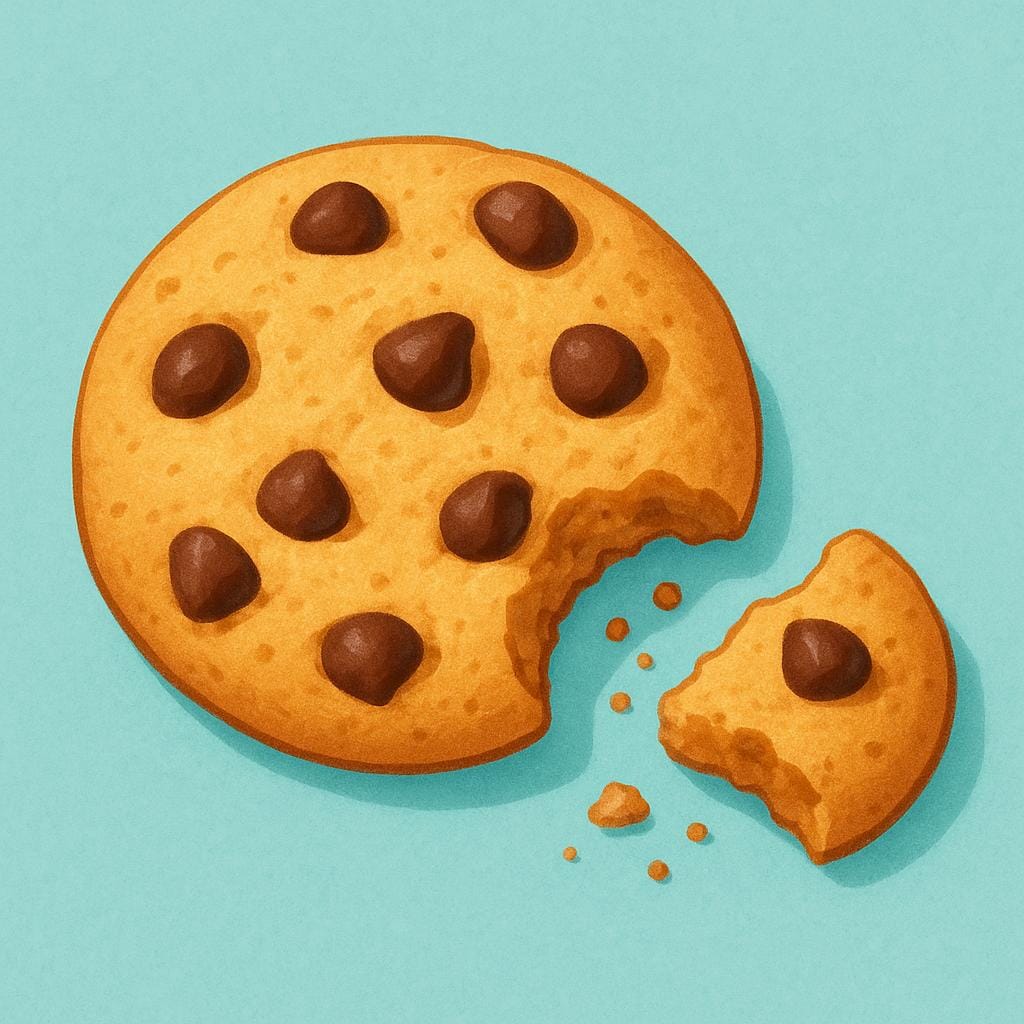
Guárdame un pedazo de pizza, por favor.
Save me a slice of pizza, please.
Always Masculine
Even when referring to items that might be feminine (like 'la tarta'), 'pedazo' itself is always masculine: 'un pedazo de tarta' (a piece of cake).
Confusing 'piece' and 'part'
Mistake: “Usar 'parte' para una porción física pequeña (e.g., 'una parte de pastel').”
Correction: Use 'pedazo' or 'trozo' for a physical portion you can hold or eat. 'Parte' refers more to a section or role.
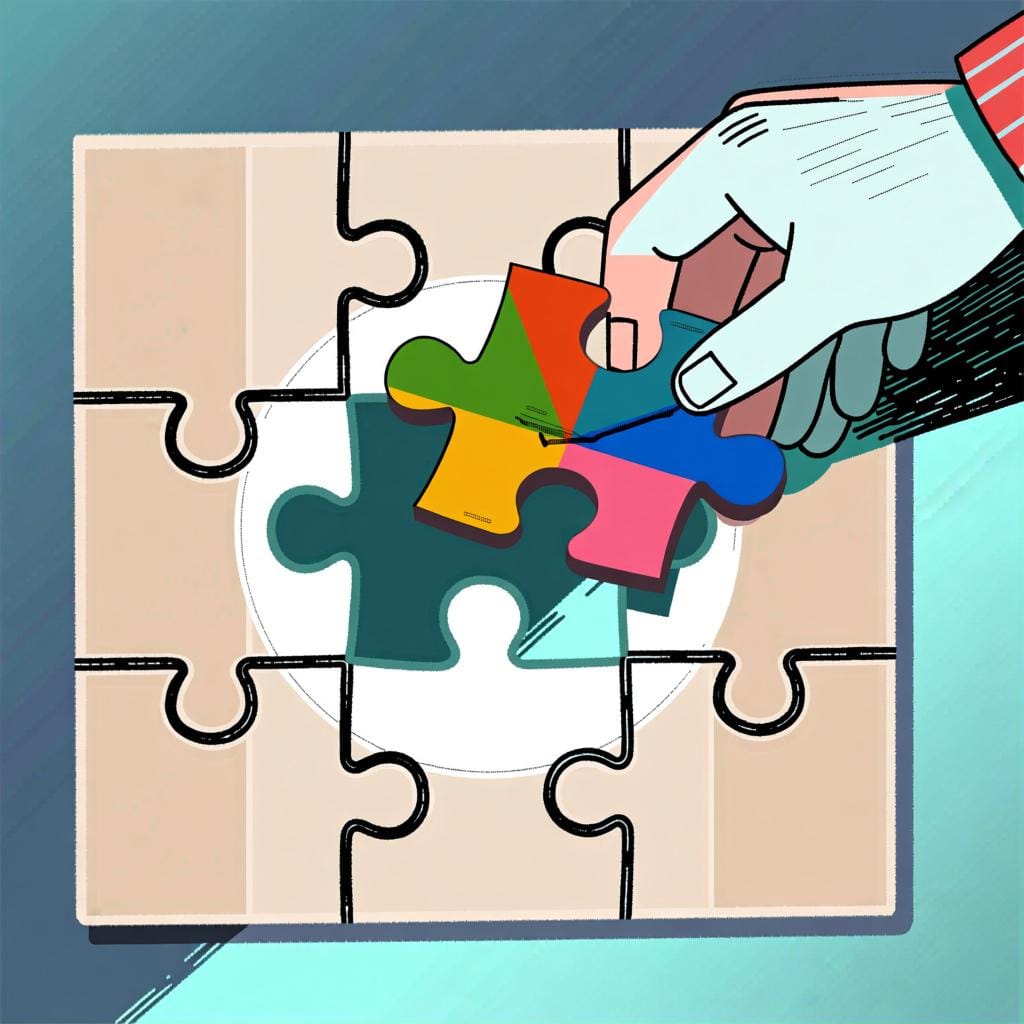
parte
PAR-tehˈpaɾte
Examples
La primera parte de la película fue un poco lenta.
The first part of the movie was a bit slow.
Quiero una parte del pastel de chocolate.
I want a piece of the chocolate cake.
Esa es mi parte favorita de la canción.
That's my favorite part of the song.
Always Feminine: 'la parte'
Even though it ends in '-e', this word is almost always feminine. Remember to use 'la', 'una', and adjectives that end in '-a'. For example, 'la parte más bonita' (the prettiest part).
Using 'el' instead of 'la'
Mistake: “Me gusta el parte de atrás del coche.”
Correction: Me gusta la parte de atrás del coche. Unless you mean 'official report', always use 'la' with this meaning.
trozo
TROH-sohˈtɾoso
Examples
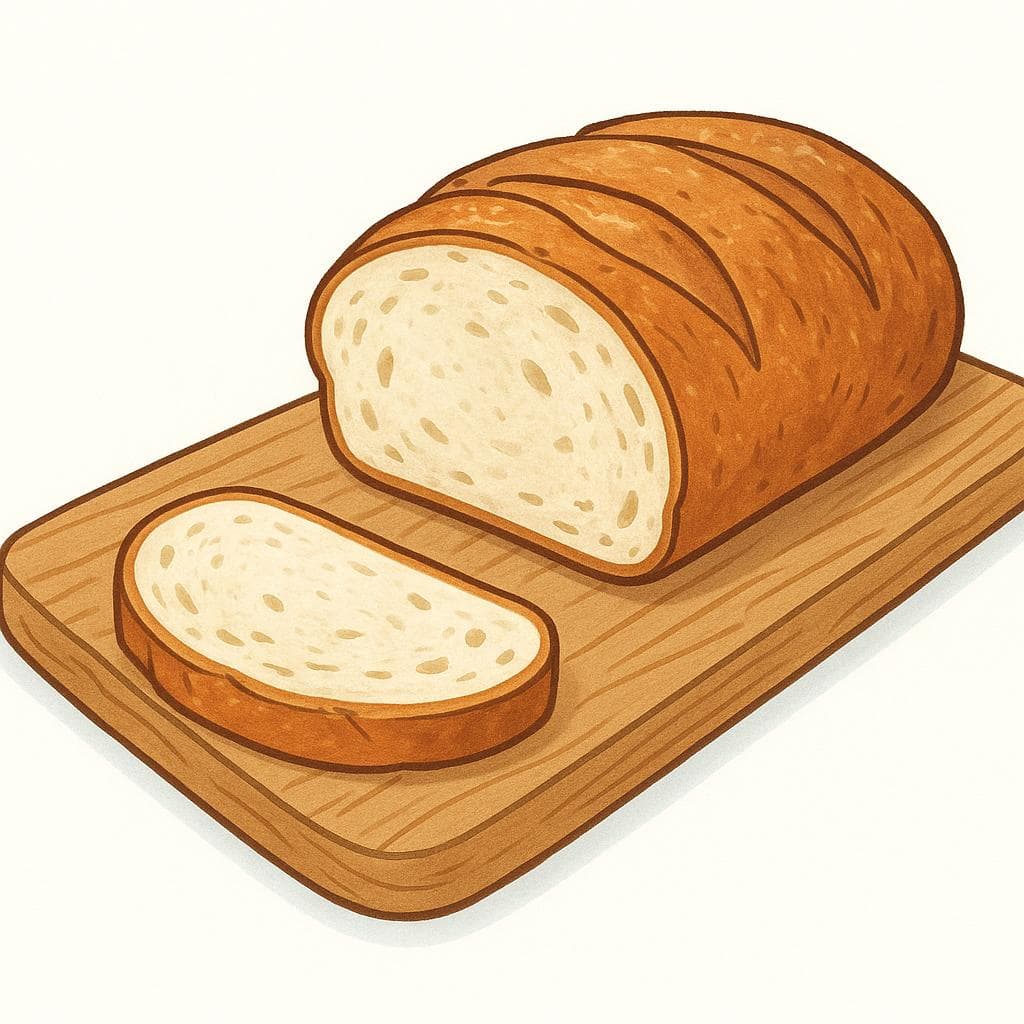
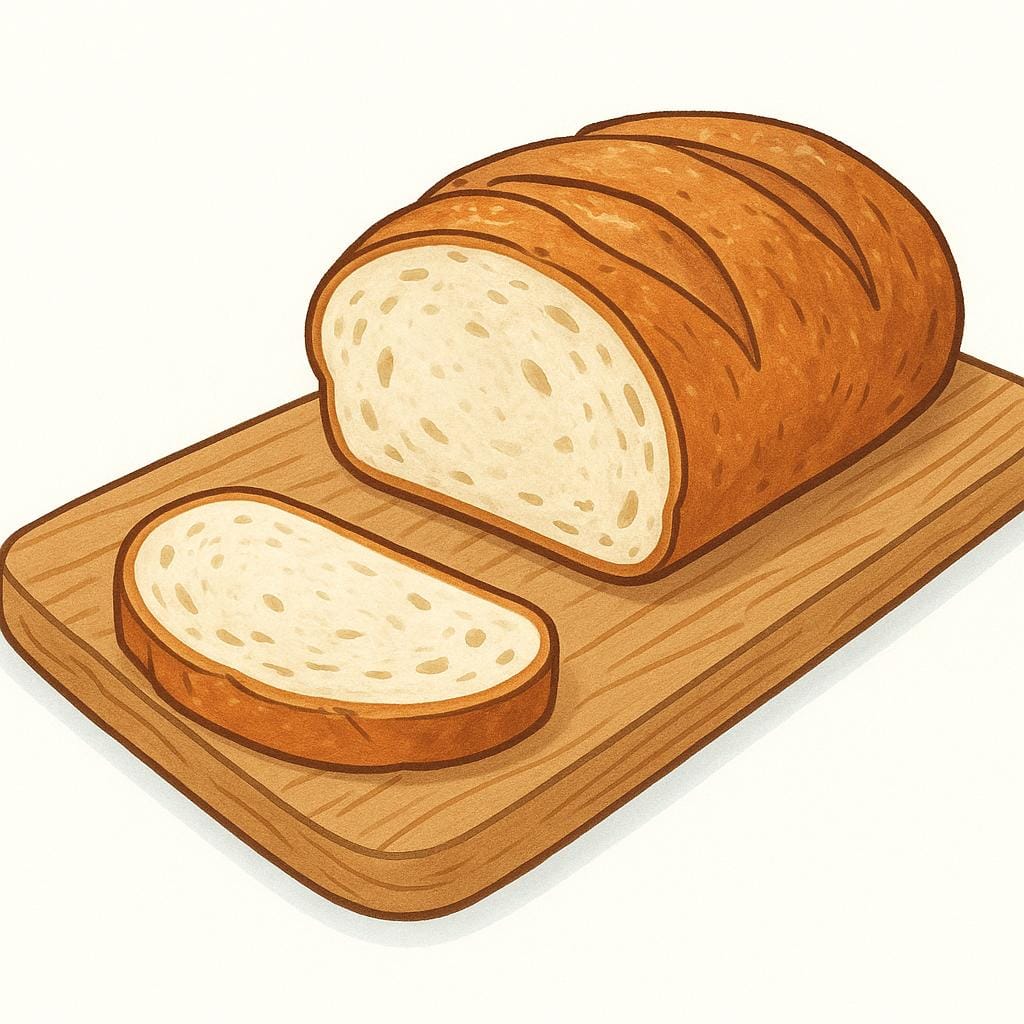
Dame un trozo de pan, por favor.
Give me a piece of bread, please.
Encontré un trozo de vidrio en el suelo.
I found a piece of glass on the floor.
Necesitamos un trozo de cuerda más largo.
We need a longer piece of rope.
Masculine Noun
Remember that 'trozo' is always masculine, so you must use the masculine articles: 'el trozo' (the piece) or 'un trozo' (a piece).
Using 'la' instead of 'el'
Mistake: “La trozo de queso es grande.”
Correction: El trozo de queso es grande. (Even though it ends in 'o', it's easy to forget the gender, but always use 'el'.)
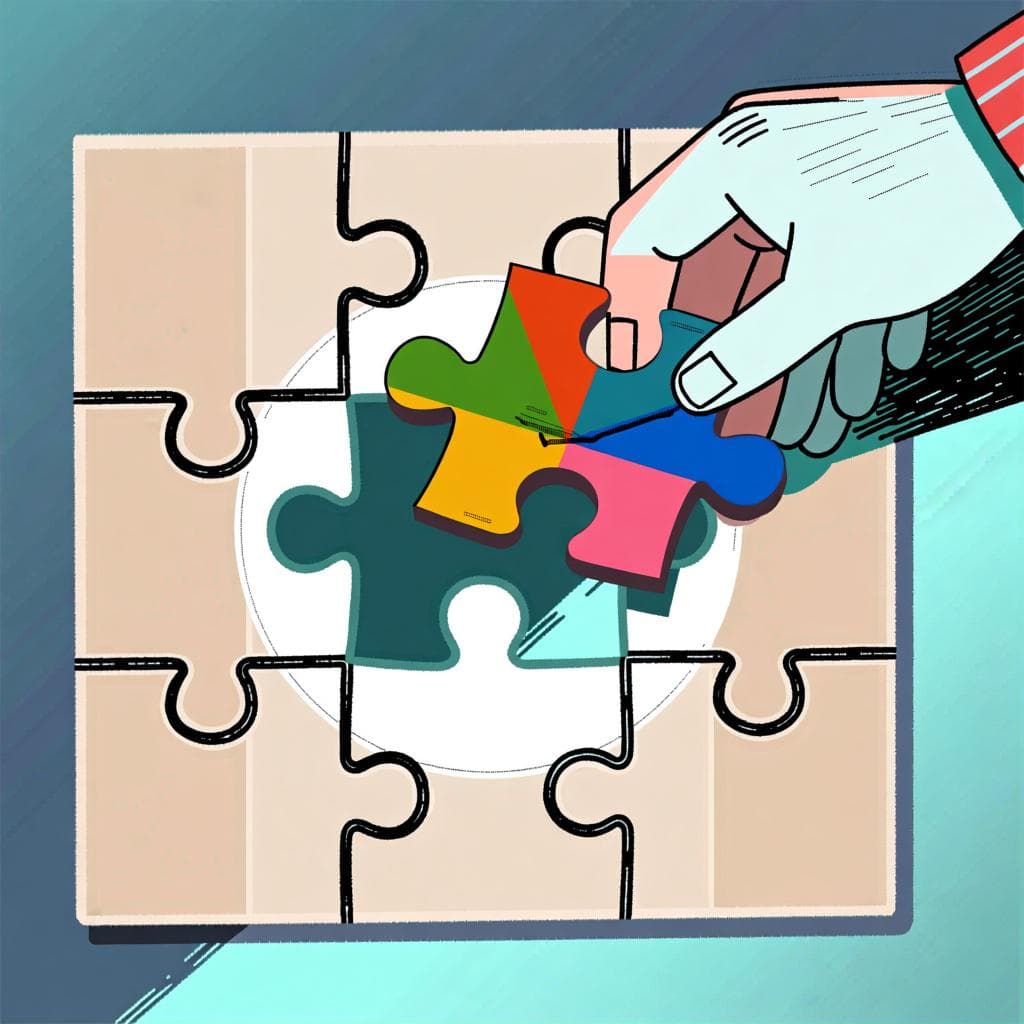
pieza
pee-EH-sahˈpjeθa

Examples
Perdí una pieza del rompecabezas y ahora no puedo terminarlo.
I lost one piece of the puzzle and now I can't finish it.
Necesitamos reemplazar esta pieza rota del motor.
We need to replace this broken part of the engine.
fragmento
frahg-MEHN-tohfɾaɣˈmento
Examples
Había fragmentos de vidrio por todo el suelo.
There were shards of glass all over the floor.
Los arqueólogos encontraron un fragmento de cerámica antigua.
The archaeologists found a piece of ancient pottery.
Solo recuperaron un pequeño fragmento del avión.
They only recovered a small fragment of the plane.
Always Masculine
Even if the object it comes from is feminine (like 'una botella'), the word 'fragmento' itself is always masculine.
Connecting with 'De'
To say what the piece is made of, use 'fragmento de' followed by the material or object.
Using 'fragmento' for food
Mistake: “Un fragmento de pastel.”
Correction: Un trozo de pastel. Use 'trozo' or 'pedazo' for food portions; 'fragmento' sounds like the cake exploded into tiny bits!
obra
OH-brahˈoβɾa

Examples
Esta novela es su mejor obra hasta la fecha.
This novel is his best work to date.
La galería expuso las obras de varios artistas jóvenes.
The gallery exhibited the works of several young artists.
Always Feminine
Even though 'obra' starts with a stressed 'o,' it is always a feminine noun and takes the feminine article 'la' (la obra).
composición
Examples
Tengo que escribir una composición para mi clase de español.
I have to write an essay for my Spanish class.
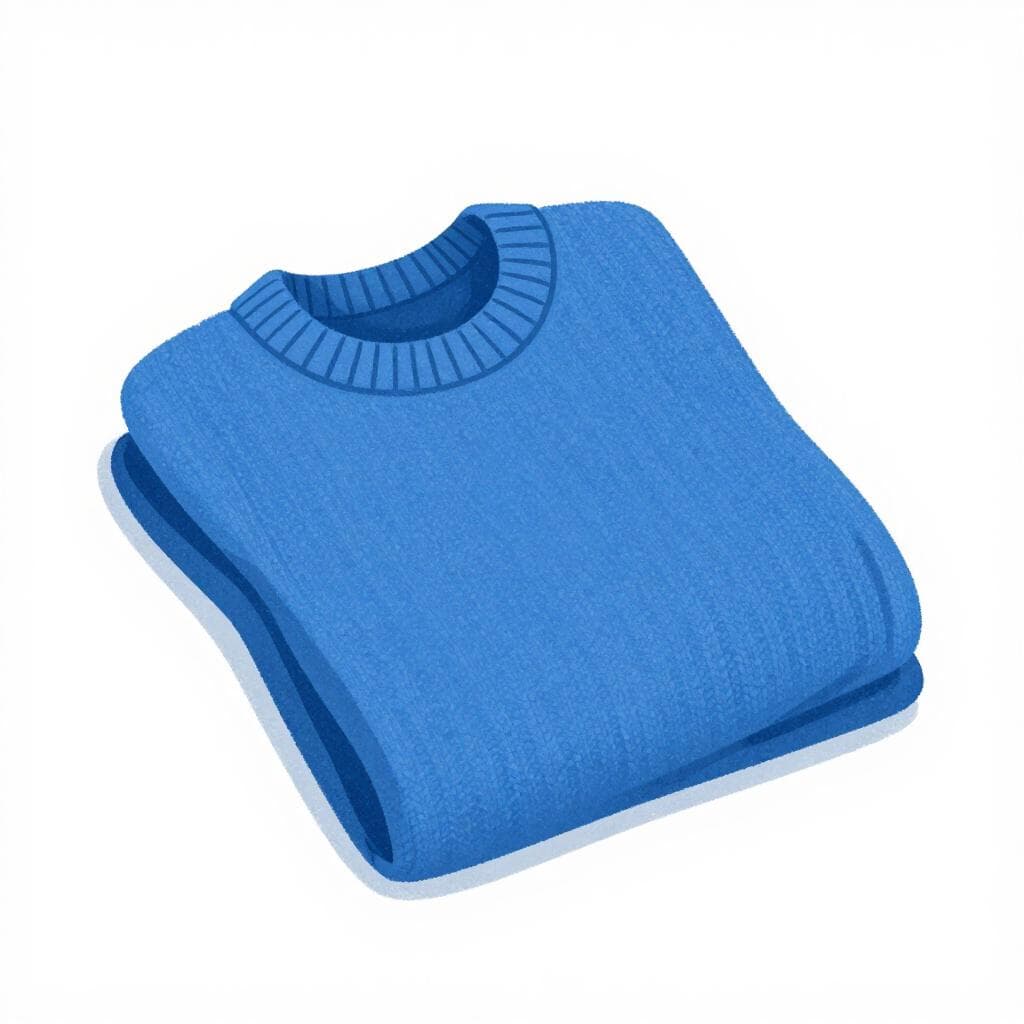
prenda
PREN-dahˈpɾenda

Examples
Lava esta prenda a mano para que no se arruine.
Wash this garment by hand so it doesn't get ruined.
La tienda tiene prendas de vestir muy elegantes.
The store has very elegant articles of clothing.
Solo puedes llevar tres prendas al probador.
You can only take three items into the fitting room.
One vs. Many
Think of 'ropa' as the whole pile of clothes (like 'furniture') and 'prenda' as just one single item (like 'a chair').
Always Feminine
Even if you are talking about a 'manly' item like a tie or a suit, the word 'prenda' always stays feminine (la prenda).
Using 'prenda' for everything
Mistake: “Me gusta tu prenda.”
Correction: Me gusta tu ropa (for the whole outfit) or Me gusta esa prenda (for one specific item).
unidad
oo-nee-DAHDu.niˈðað
Examples
Necesito diez unidades de este producto.
I need ten units of this product.
El metro es la unidad básica de longitud.
The meter is the basic unit of length.
Compré una unidad flash para guardar mis archivos.
I bought a flash drive (unit) to save my files.
Gender Trap: Words ending in -dad
Most Spanish nouns ending in -dad, like 'unidad,' are feminine. Always use 'la' or 'una' before them.
Confusing Item and Time
Mistake: “No venden 'por tiempo', solo por 'unidad'.”
Correction: The correct phrase for selling individually is 'por unidad' (by the item).
figura
fee-GOO-rahfiˈɣuɾa

Examples
La figura del caballo se movió dos casillas.
The knight piece moved two squares.
El libro de texto incluye una figura que explica el proceso.
The textbook includes a diagram that explains the process.
Esta figura de porcelana es muy antigua.
This porcelain figure (statue) is very old.
pipa
pee-pahˈpipa
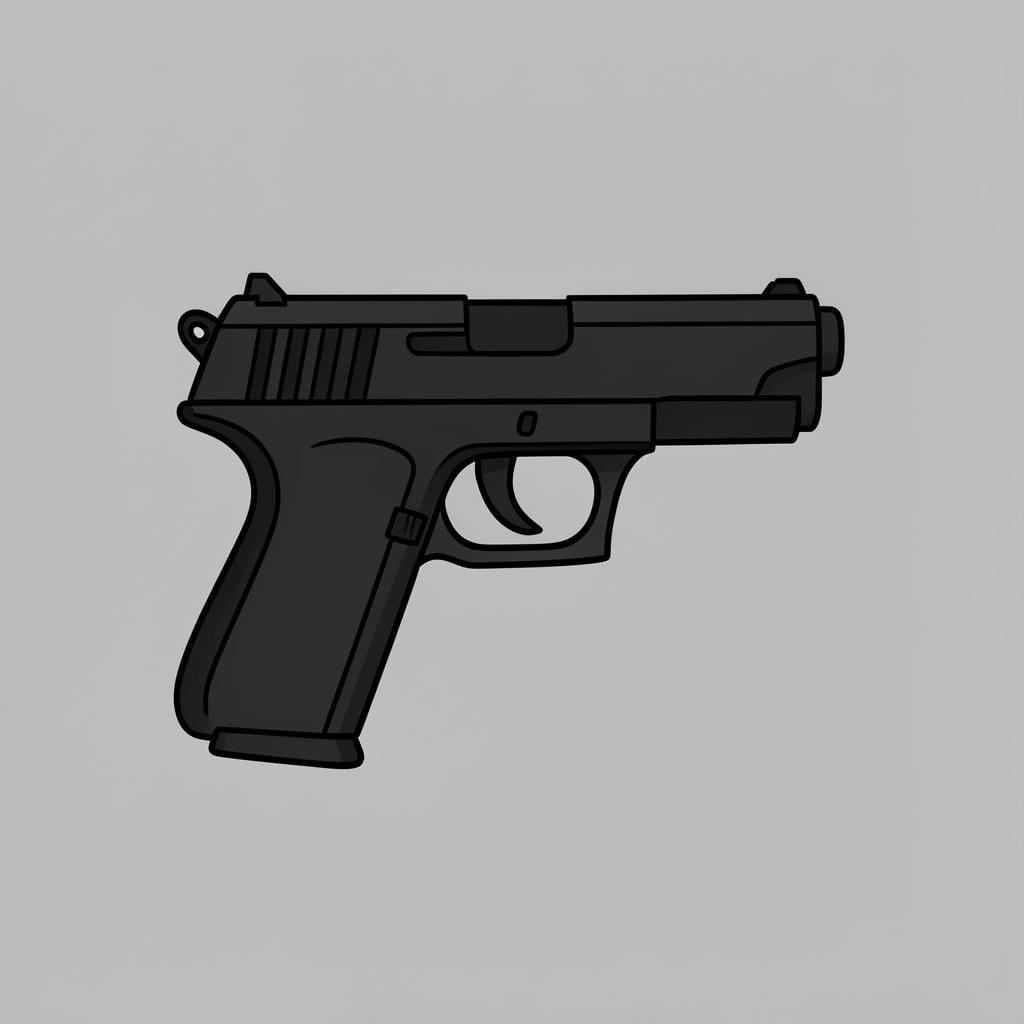
Examples
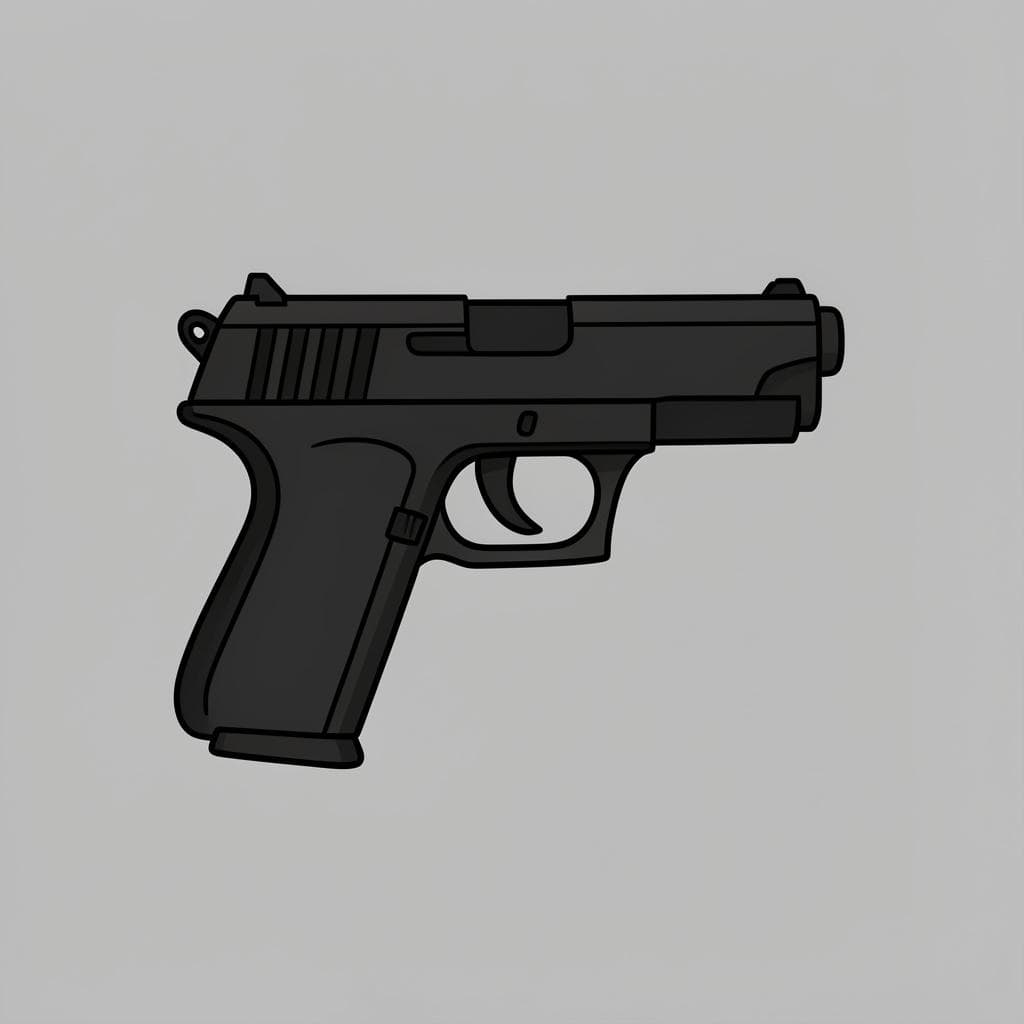
El ladrón sacó una pipa y nos asustamos.
The thief pulled out a piece (gun) and we got scared.
presa
PREH-sahˈpɾe.sa
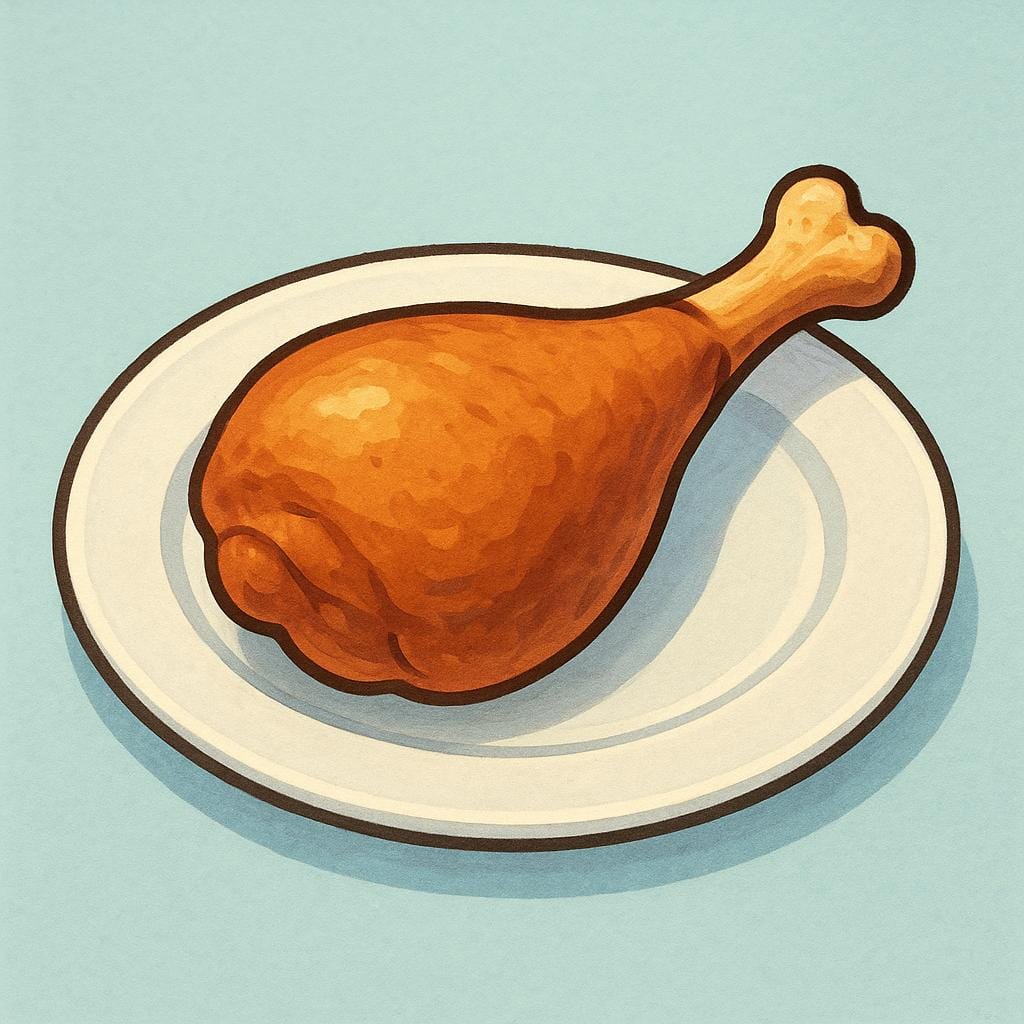
Examples
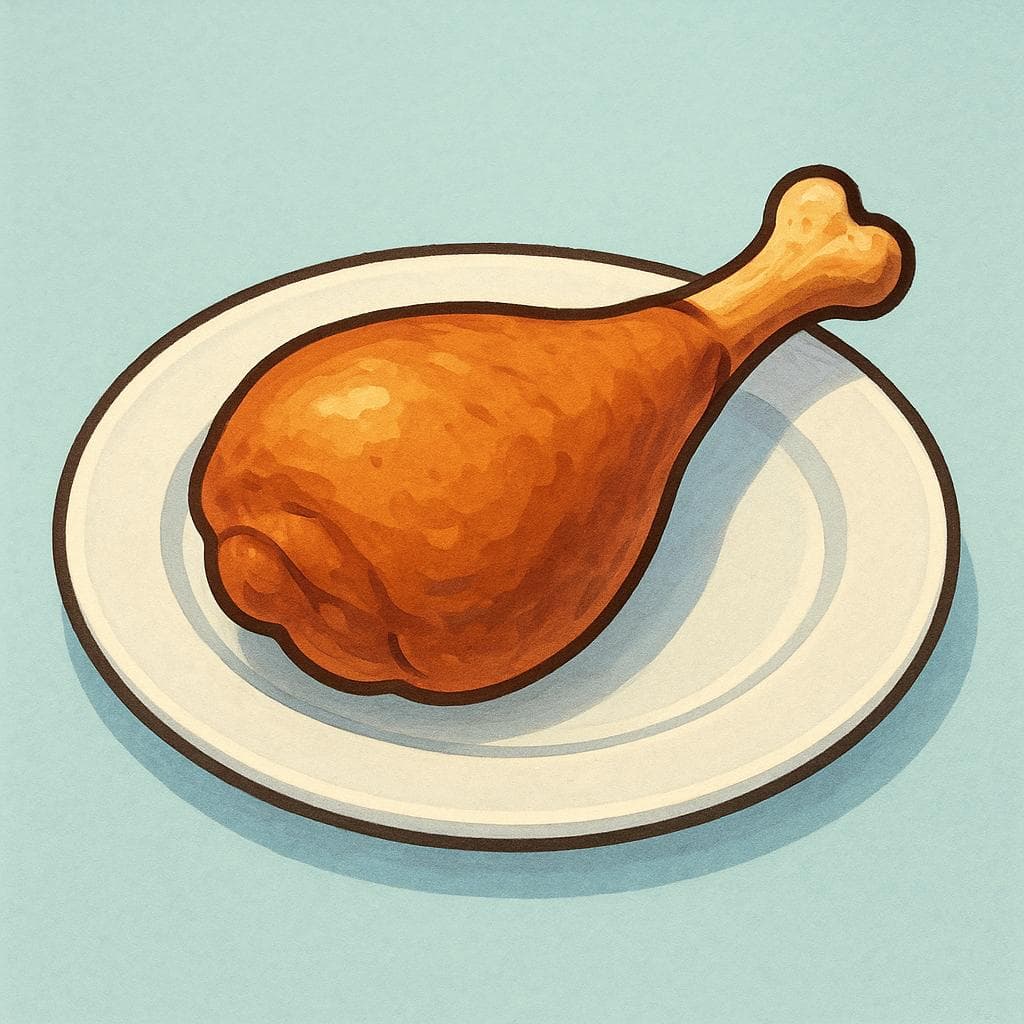
Pedimos dos presas de pollo y una porción de papas.
We ordered two pieces of chicken and a portion of fries.
La presa del cerdo ibérico es un corte muy apreciado en España.
The Iberian pork 'presa' (a specific cut) is a very appreciated cut in Spain.
General vs. Specific Portions
Related Translations
Learn Spanish with Inklingo
Interactive stories, personalized learning, and more.