unidad
“unidad” means “unit” in Spanish. It has 3 different meanings depending on context:
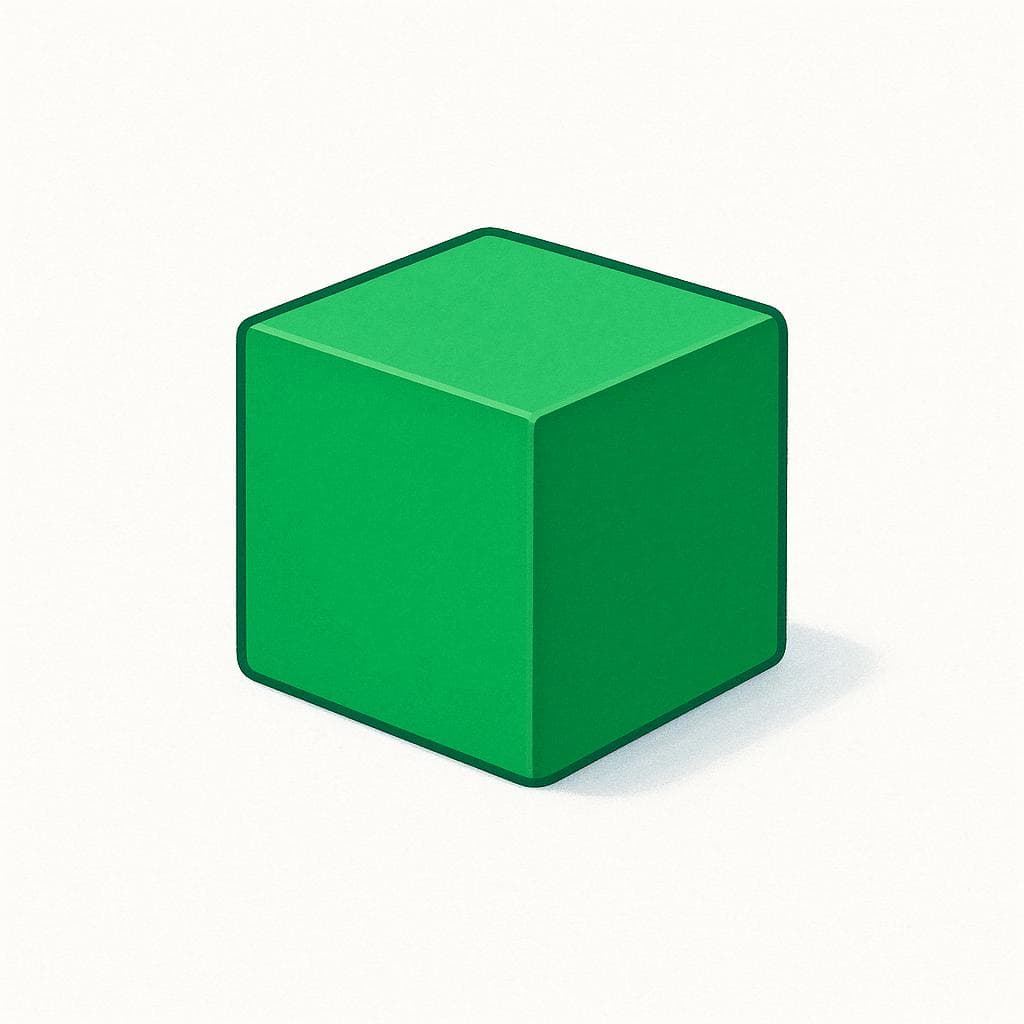


unit, item
Also: module, piece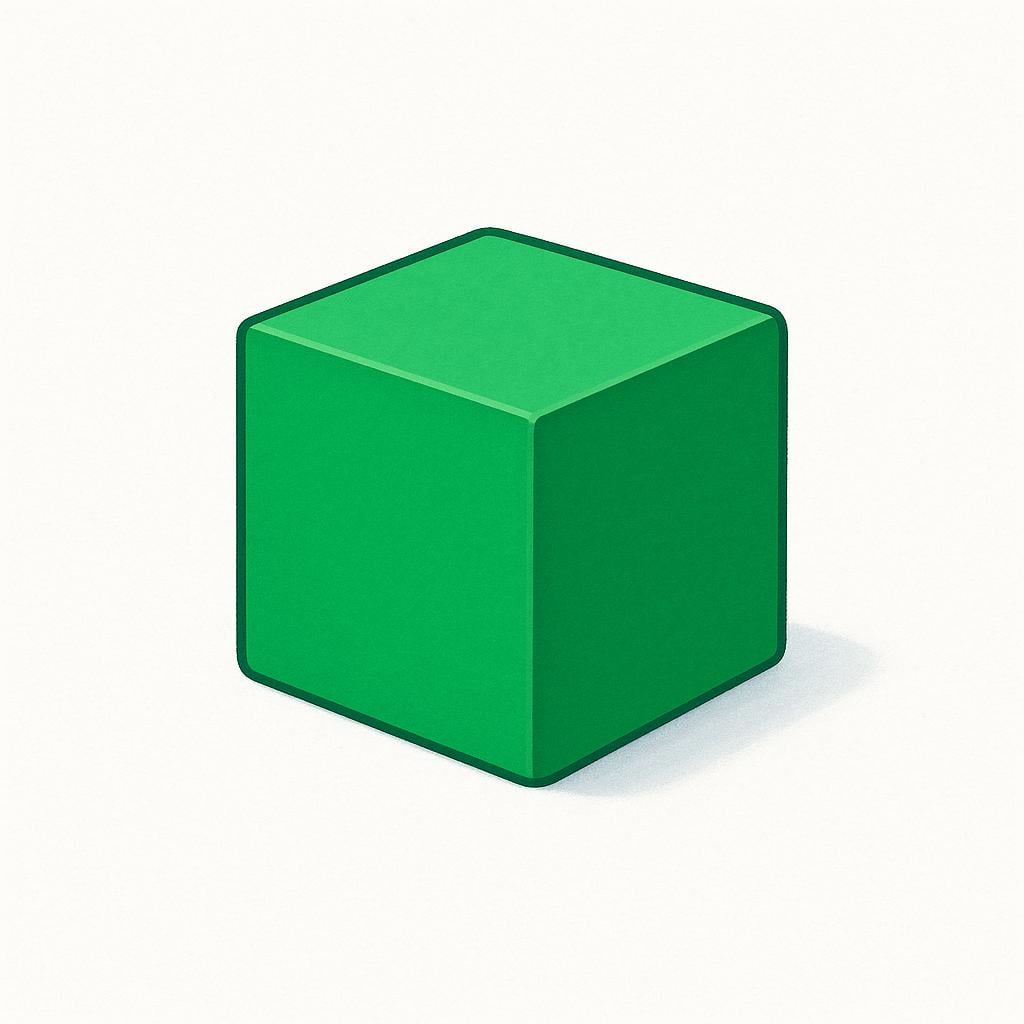
📝 In Action
Necesito diez unidades de este producto.
A1I need ten units of this product.
El metro es la unidad básica de longitud.
A2The meter is the basic unit of length.
Compré una unidad flash para guardar mis archivos.
B1I bought a flash drive (unit) to save my files.
unity
Also: cohesion, oneness
📝 In Action
La unidad nacional es importante para el país.
B1National unity is important for the country.
Trabajaremos juntos para mantener la unidad en la familia.
A2We will work together to maintain family unity.
La unidad de propósito llevó al éxito del proyecto.
C1The oneness of purpose led to the success of the project.
apartment, dwelling unit
Also: flat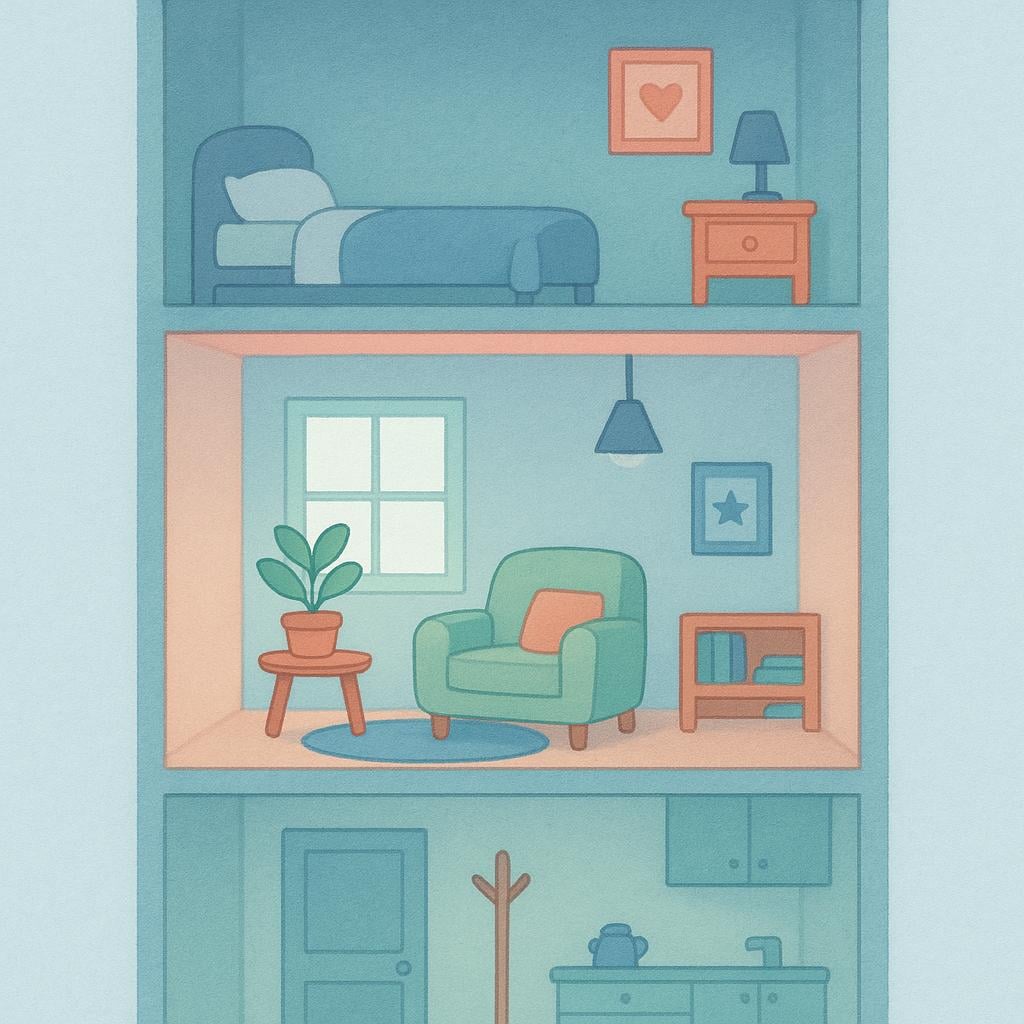
📝 In Action
Estamos buscando una unidad de dos dormitorios para alquilar.
B2We are looking for a two-bedroom apartment (unit) to rent.
El edificio tiene 40 unidades residenciales.
B2The building has 40 residential units.
Translate to Spanish
Words that translate to "unidad" in Spanish:
apartment→cohesion→dwelling unit→flat→item→module→oneness→piece→✏️ Quick Practice
Quick Quiz: unidad
Question 1 of 1
Which of these sentences uses 'unidad' to mean 'unity' or 'cohesion'?
📚 More Resources
👥 Word Family▼
📚 Etymology▼
The word comes directly from the Latin 'ūnĭtas,' which literally meant 'oneness' or 'singularity.' It’s built on the root word for the number 'one,' highlighting its core meaning of being a single, indivisible whole.
First recorded: 13th century
Cognates (Related words)
💡 Master Spanish
Take your Spanish to the next level. Read 200+ illustrated and narrated Spanish stories tailored to your level with the Inklingo app!
Frequently Asked Questions
¿Es 'unidad' masculina o femenina?
Es femenina. Siempre debes decir 'la unidad' o 'una unidad'. Los sustantivos que terminan en -dad en español casi siempre son femeninos, como 'ciudad' o 'libertad'.
When should I use 'unidad' instead of 'apartamento'?
Both are correct for a dwelling. 'Unidad' is often used in a more formal or administrative way, especially in Latin America and in real estate, to refer to a distinct, countable living space within a complex.