trozo
“trozo” means “piece” in Spanish. It has 2 different meanings depending on context:

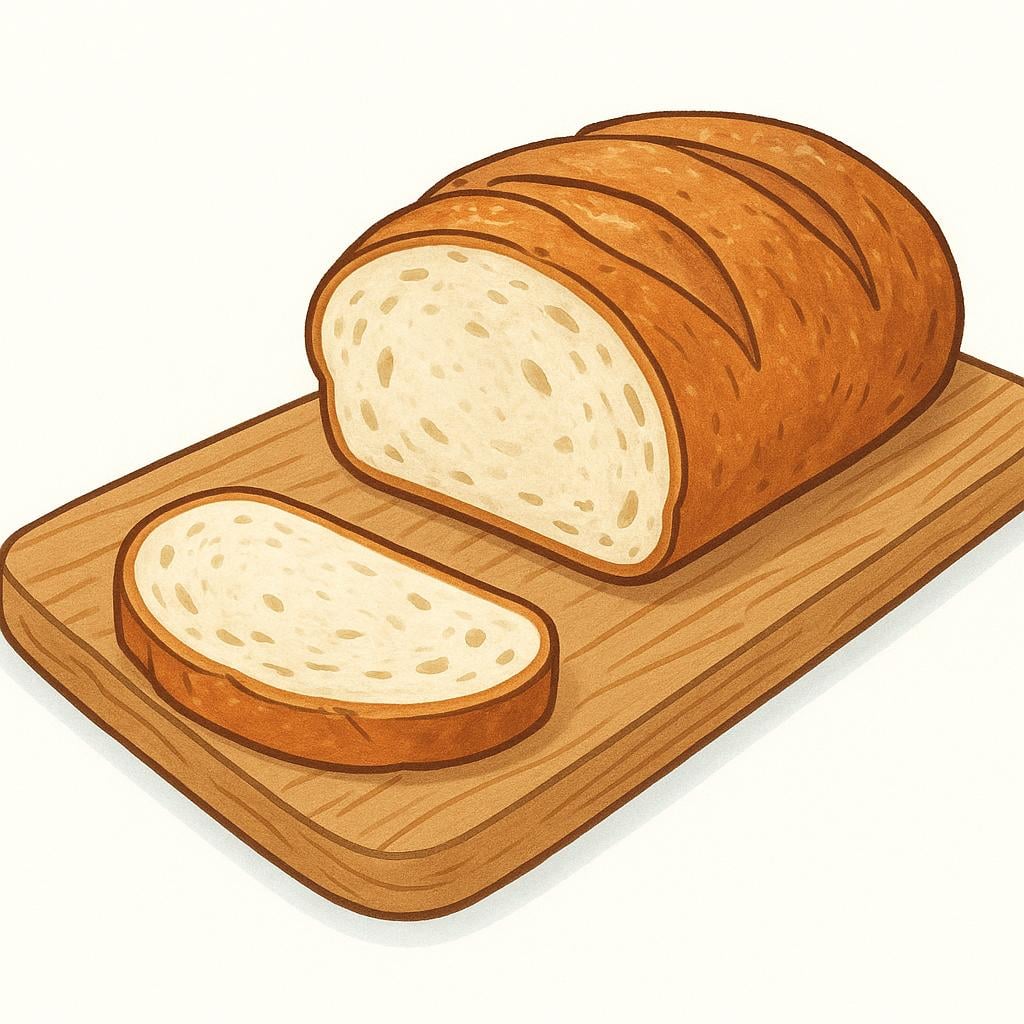
piece, chunkAlso: slice, bit
📝 In Action
Dame un trozo de pan, por favor.
A1Give me a piece of bread, please.
Encontré un trozo de vidrio en el suelo.
A2I found a piece of glass on the floor.
Necesitamos un trozo de cuerda más largo.
A2We need a longer piece of rope.
Word Connections
section, passageAlso: bit

📝 In Action
Me encanta ese trozo de la canción.
B1I love that section of the song.
El profesor leyó un trozo del Quijote.
B2The professor read a passage from Don Quixote.
Solo recuerdo un pequeño trozo de nuestra conversación.
B1I only remember a small bit of our conversation.
Word Connections
🔀 Commonly Confused With
Translate to Spanish
✏️ Quick Practice
Quick Quiz: trozo
Question 1 of 1
Which word is the best fit? 'Necesito un ______ para limpiar la mesa.'
📚 More Resources
👥 Word Family
🎵 Rhymes
📚 Etymology
It comes from the Late Latin word *truncium*, which is related to *truncus* (meaning 'trunk' or 'stump'). The idea is that a 'trozo' is a piece cut or broken off a larger whole.
First recorded: 13th century
Cognates (Related words)
💡 Master Spanish
Take your Spanish to the next level. Read 200+ illustrated and narrated Spanish stories tailored to your level with the Inklingo app!
Frequently Asked Questions
What is the difference between 'trozo' and 'pedazo'?
Both mean 'piece' or 'chunk' and are often interchangeable. However, 'trozo' sometimes implies a portion that was intentionally cut or served (like a slice of cake), while 'pedazo' can imply a piece that was broken off or is irregularly shaped (like a scrap or fragment). For most everyday uses, feel free to use either.
Can 'trozo' be used to talk about time?
Yes, but usually in a figurative way, like 'un trozo de tiempo' (a bit of time) or 'un buen trozo' (a good chunk) when referring to an amount of time that has passed or is needed.