How to Say "chunk" in Spanish
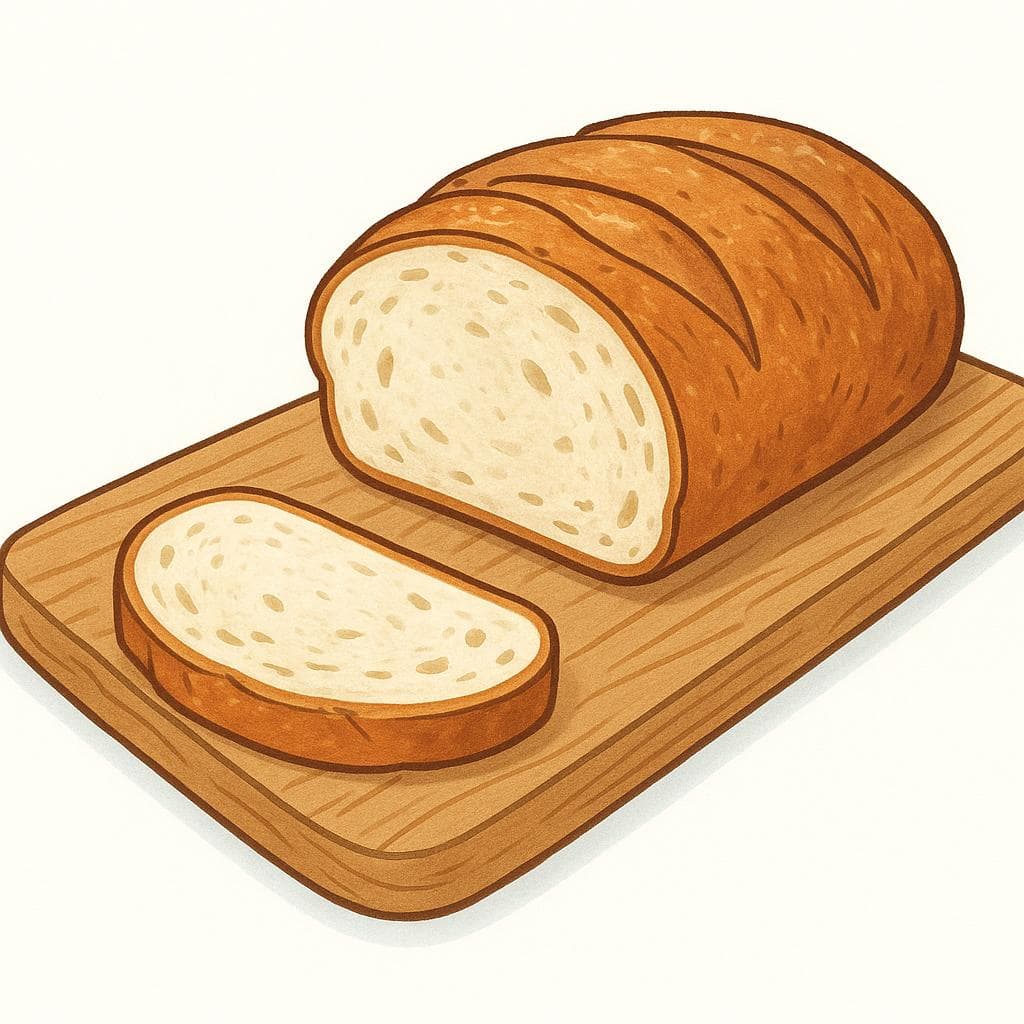
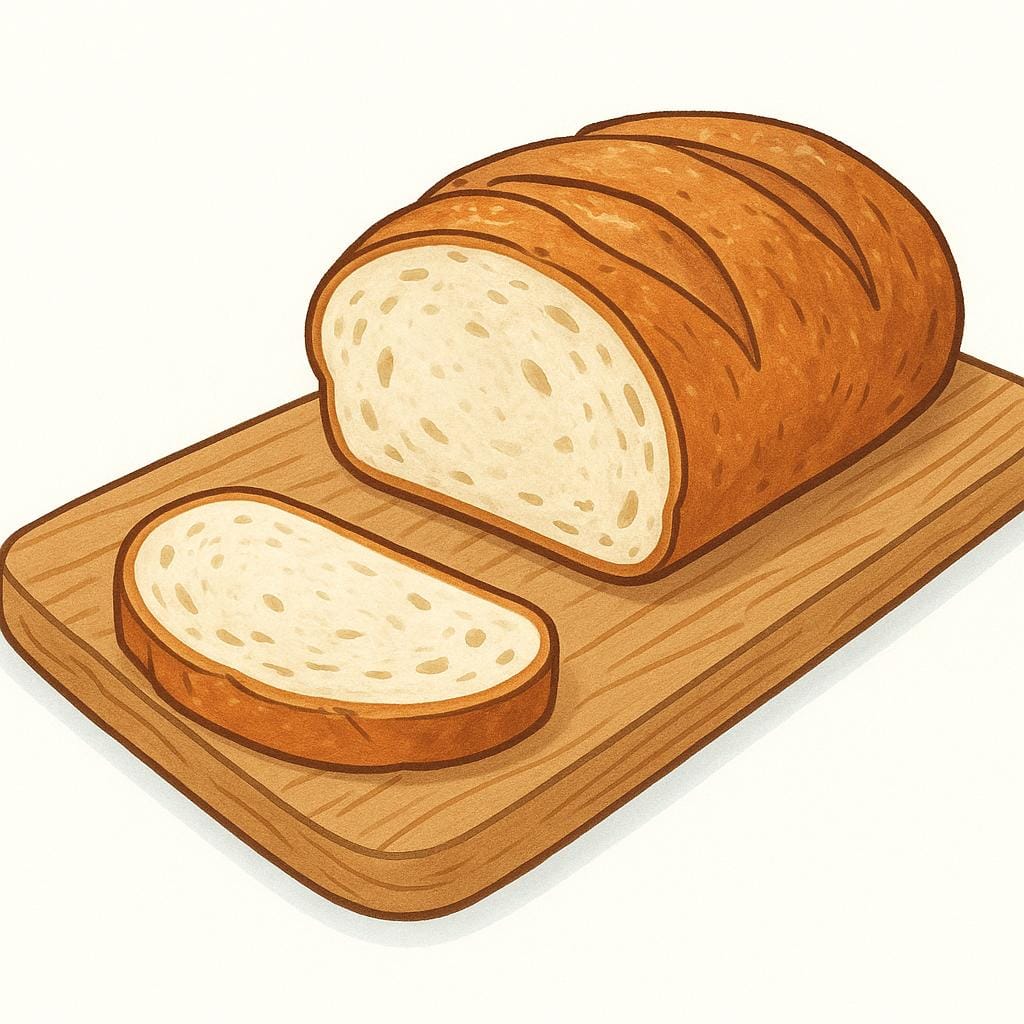
The most common Spanish word for “chunk” is “trozo” — use 'trozo' for a large, thick piece of something, often food or a material that can be easily divided.
trozo
TROH-sohˈtɾoso
Examples
Dame un trozo de pan, por favor.
Give me a piece of bread, please.
Encontré un trozo de vidrio en el suelo.
I found a piece of glass on the floor.
Necesitamos un trozo de cuerda más largo.
We need a longer piece of rope.
Masculine Noun
Remember that 'trozo' is always masculine, so you must use the masculine articles: 'el trozo' (the piece) or 'un trozo' (a piece).
Using 'la' instead of 'el'
Mistake: “La trozo de queso es grande.”
Correction: El trozo de queso es grande. (Even though it ends in 'o', it's easy to forget the gender, but always use 'el'.)
pedazo
peh-DAH-thoh (Spain) / peh-DAH-soh (Latin America)peˈðaθo
Examples
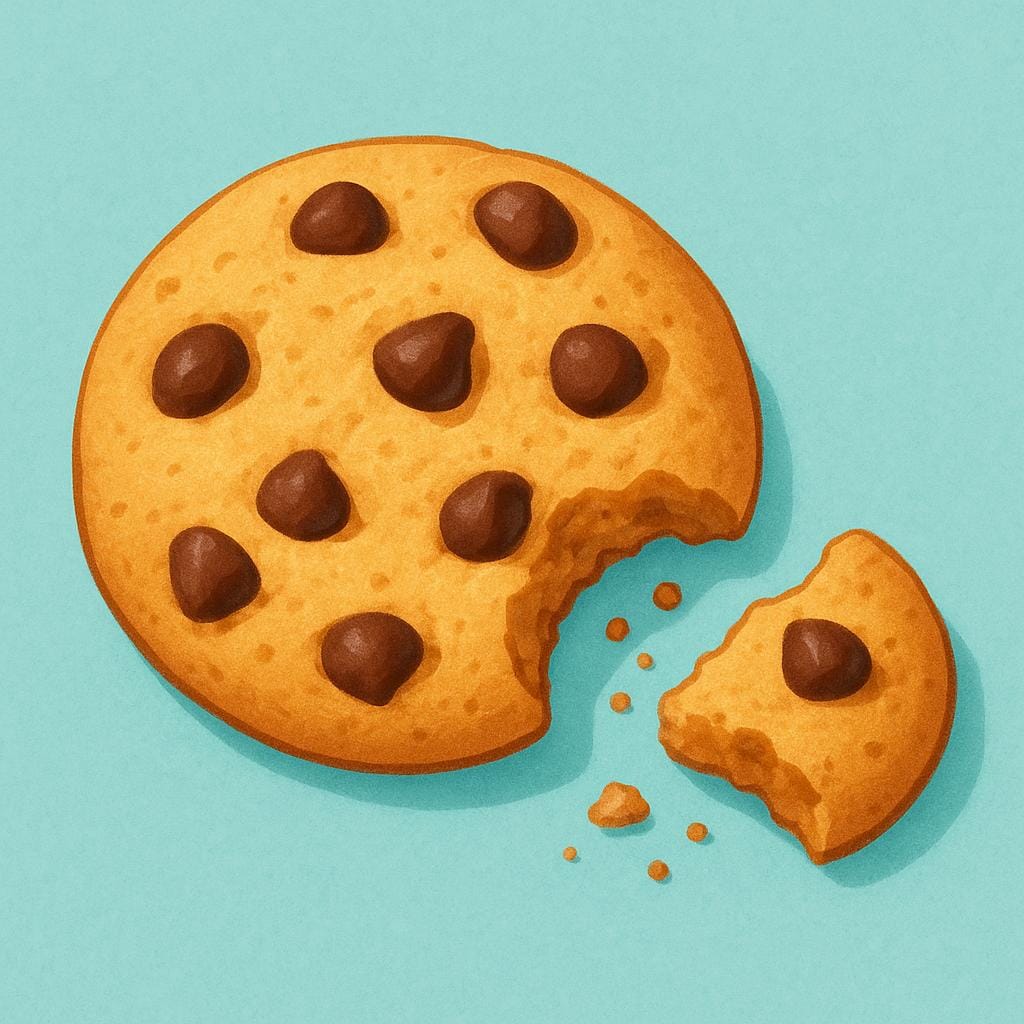
Necesito un pedazo de papel para escribir una nota.
I need a piece of paper to write a note.
El jarrón se cayó y se rompió en mil pedazos.
The vase fell and broke into a thousand pieces.
Guárdame un pedazo de pizza, por favor.
Save me a slice of pizza, please.
Always Masculine
Even when referring to items that might be feminine (like 'la tarta'), 'pedazo' itself is always masculine: 'un pedazo de tarta' (a piece of cake).
Confusing 'piece' and 'part'
Mistake: “Usar 'parte' para una porción física pequeña (e.g., 'una parte de pastel').”
Correction: Use 'pedazo' or 'trozo' for a physical portion you can hold or eat. 'Parte' refers more to a section or role.
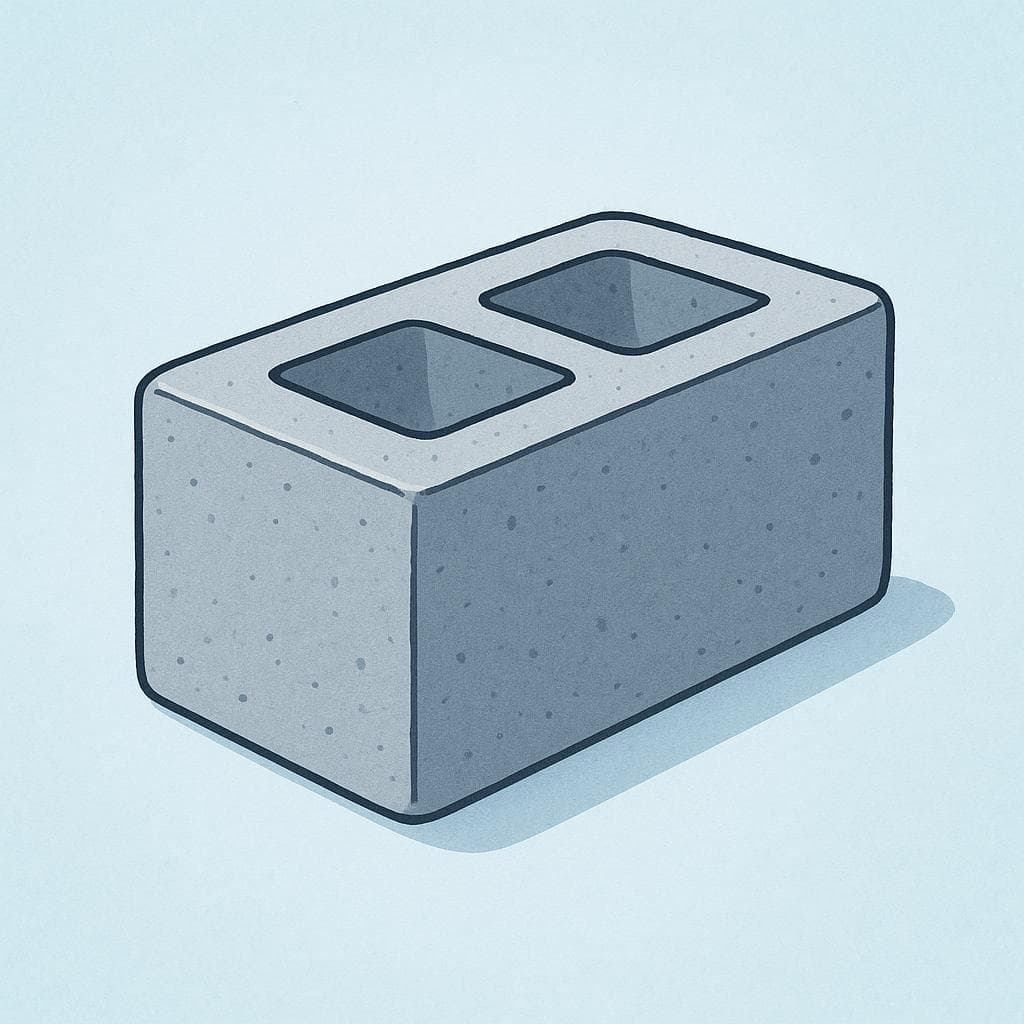
bloque
BLO-kehˈblo.ke
Examples
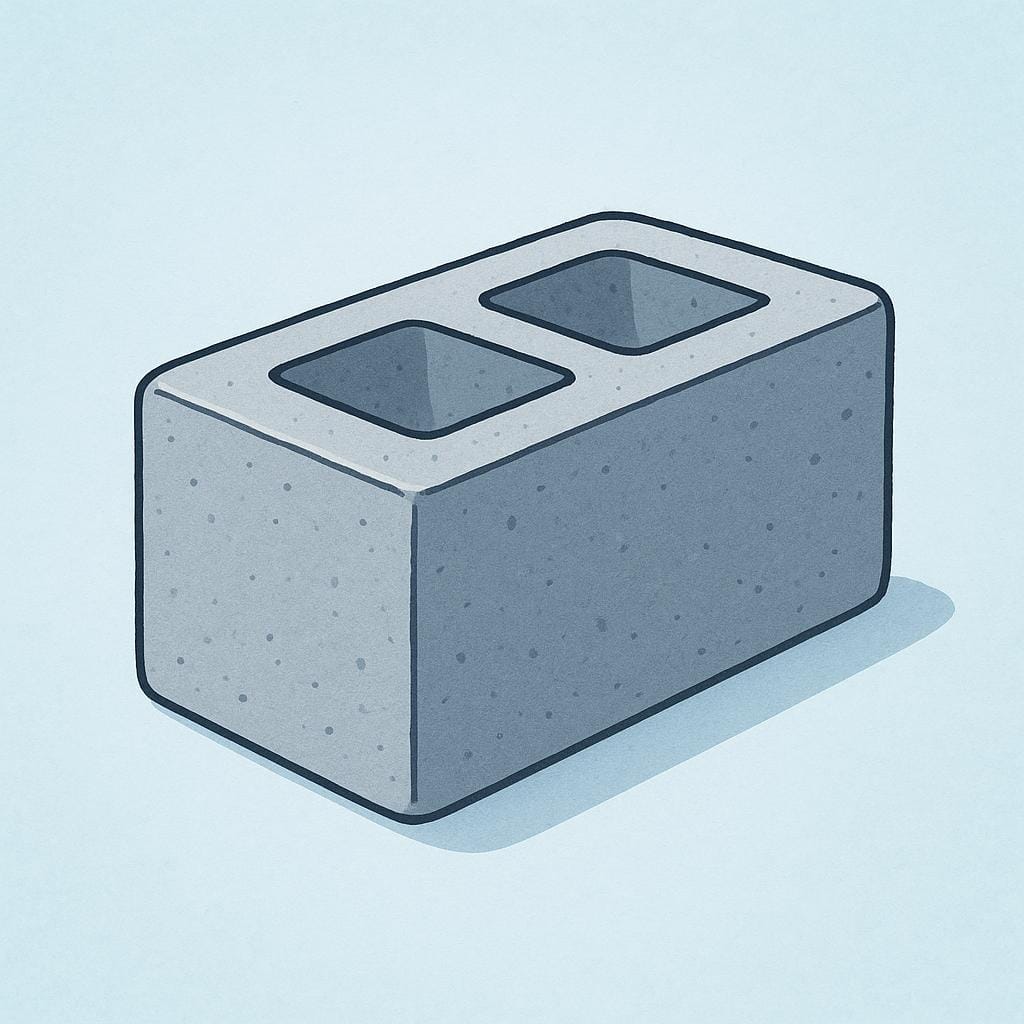
Necesitamos un bloque de cemento para arreglar la pared.
We need a concrete block to fix the wall.
El escultor está trabajando en un bloque de mármol.
The sculptor is working on a block of marble.
Compré un bloque grande de queso para la fiesta.
I bought a large block of cheese for the party.
Always Masculine
Remember that 'bloque' is always masculine, so you must use 'el' (the) or 'un' (a/an) before it.
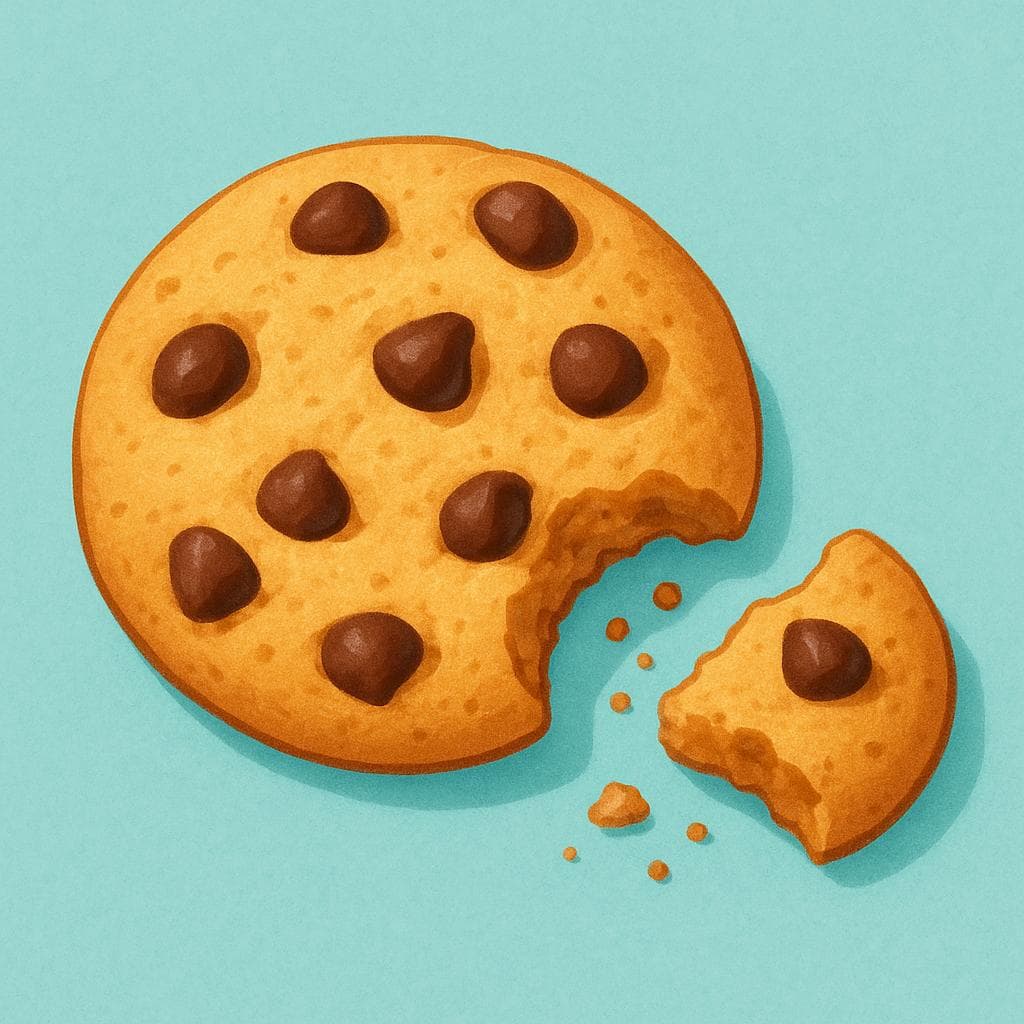
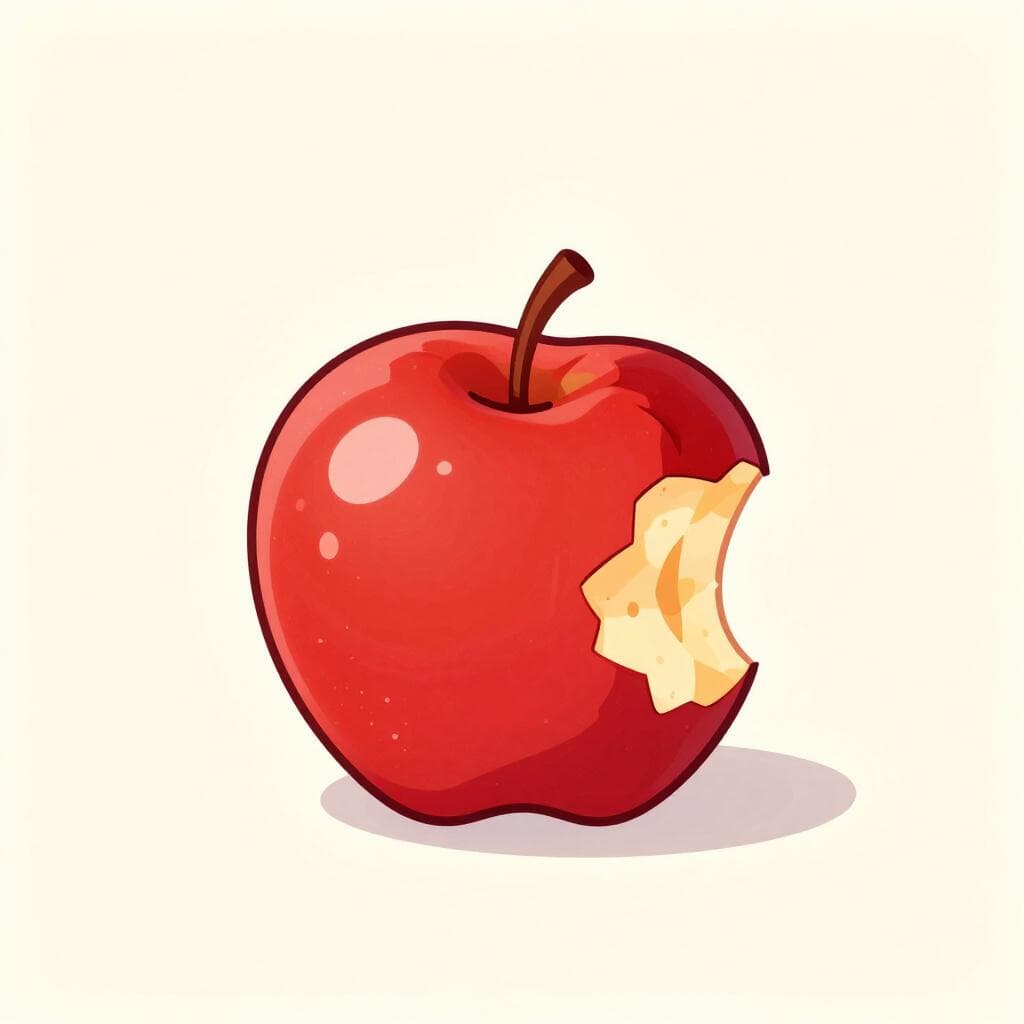
mordisco
mor-DEES-kohmorˈðisko
Examples
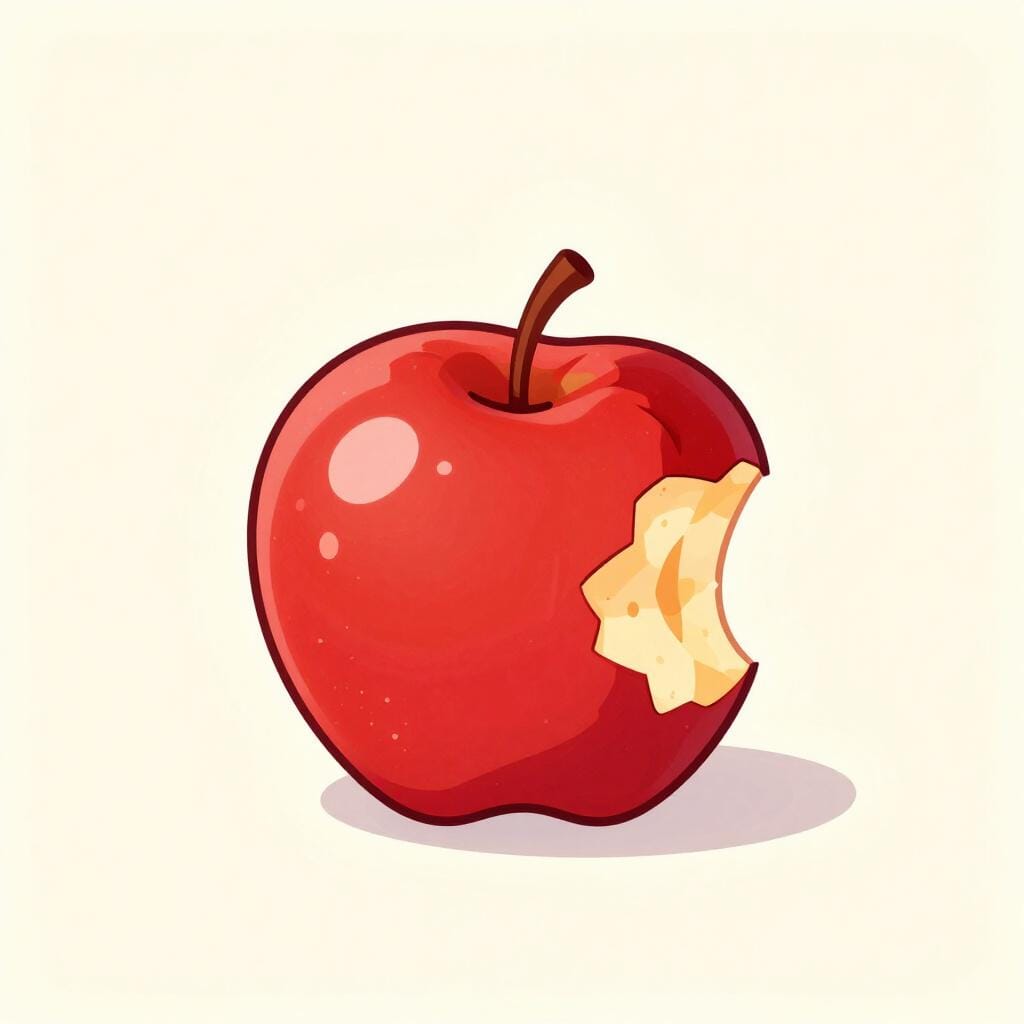
¿Quieres probar mi sándwich? Solo un mordisco.
Do you want to try my sandwich? Just one bite.
El niño le dio un mordisco a su juguete de plástico.
The boy took a bite out of his plastic toy.
Tengo un mordisco de mosquito en el brazo.
I have a mosquito bite on my arm.
Using 'mordisco' vs 'morder'
In Spanish, 'mordisco' is the name of the thing (a bite). To say you are biting something, you use the action word 'morder' or say you 'give' a bite ('dar un mordisco').
Describing Bites
Since this is a masculine word, always use masculine helpers like 'un' (a), 'el' (the), or 'pequeño' (small).
Using it as an action
Mistake: “Yo mordisco la manzana.”
Correction: Le doy un mordisco a la manzana or Yo muerdo la manzana. 'Mordisco' is a noun (a thing), not a verb (an action).
Choosing between 'trozo' and 'pedazo'
Related Translations
Learn Spanish with Inklingo
Interactive stories, personalized learning, and more.