How to Say "bite" in Spanish
The most common Spanish word for “bite” is “bocado” — use 'bocado' when referring to a single, small piece of food that is taken, often to taste or eat.


bocado
bo-KAH-doboˈkaðo

Examples
Dame un bocado de tu pastel.
Give me a bite of your cake.
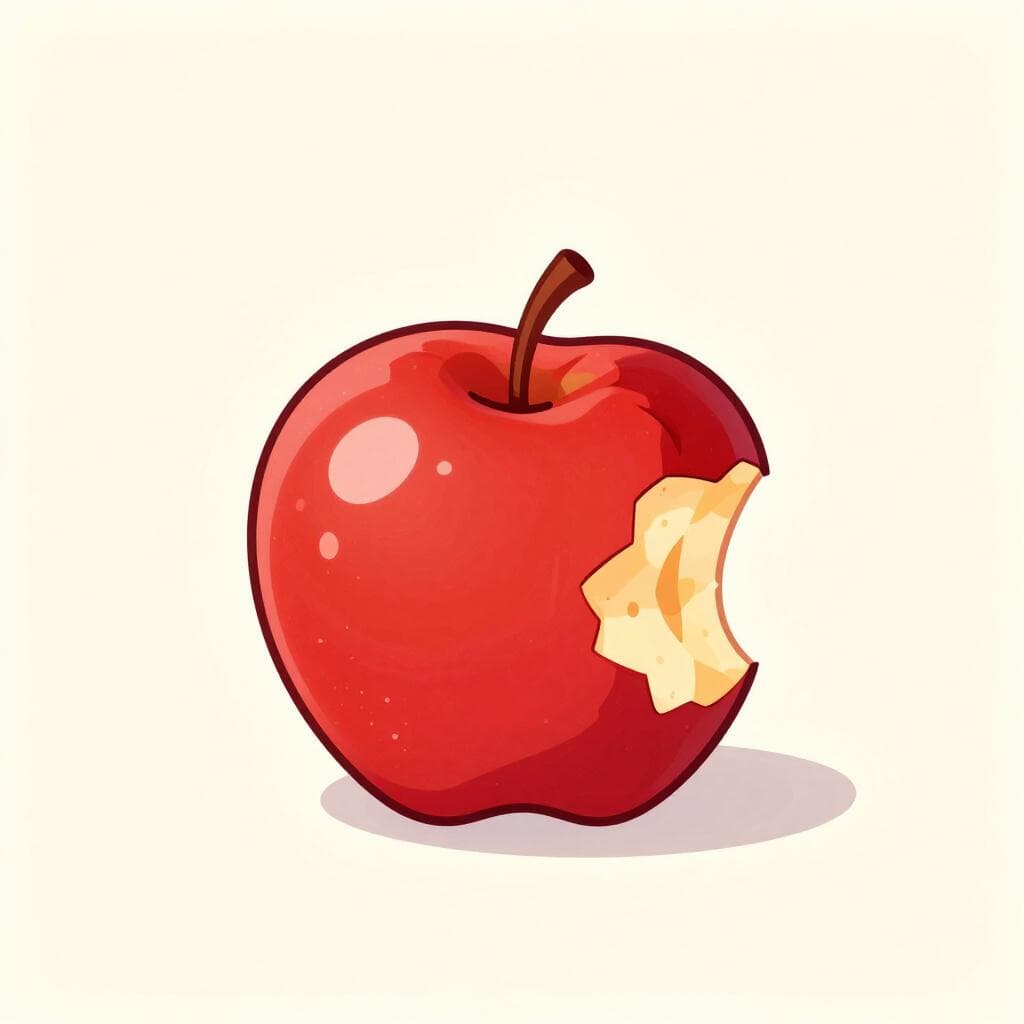
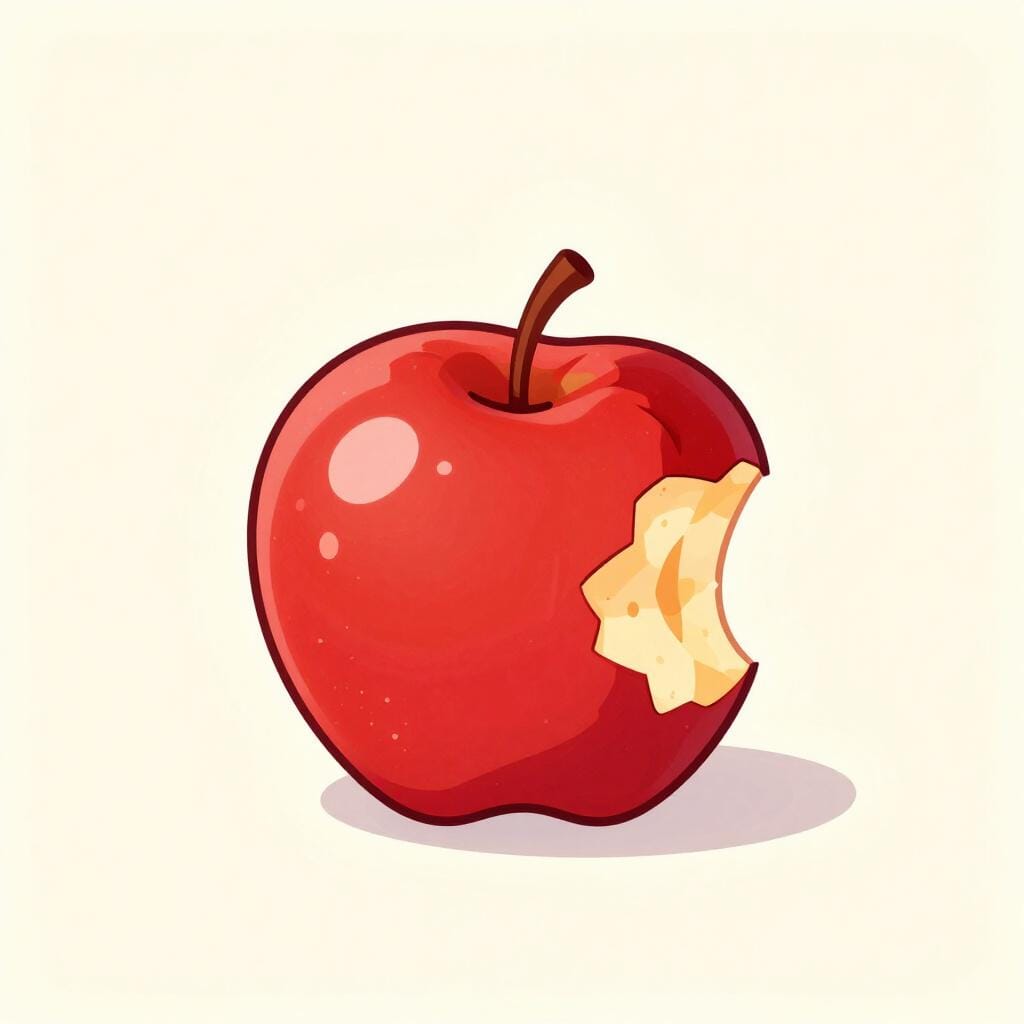
Dale un bocado a la manzana.
Take a bite of the apple.
No he probado bocado en todo el día.
I haven't eaten a single bite all day.
Este postre es un bocado delicioso.
This dessert is a delicious morsel.
Using 'de' with bocado
Just like in English we say 'a bite OF something,' in Spanish we use 'un bocado DE [algo].'
Always Masculine
Even if you are eating a 'manzana' (feminine), the word 'bocado' stays masculine: 'un bocado de manzana.'
Bocado vs. Mordisco
Mistake: “Using 'bocado' to describe a dog bite.”
Correction: Use 'mordisco' for the physical act or injury of a bite. Use 'bocado' for the amount of food you are eating.
mordida
mor-DEE-dahmoɾˈðiða

Examples
Me gusta sentir la mordida crujiente de la manzana.
I like to feel the crunchy bite of the apple.
¿Me das una mordida de tu manzana?
Can I have a bite of your apple?
La mordida del perro no fue profunda.
The dog's bite was not deep.
Solo le dio una mordida pequeña al pastel.
She only took a small nibble of the cake.
Using 'Dar' with Mordida
Instead of just saying 'to bite' (morder), Spanish speakers often say 'to give a bite' (dar una mordida) when talking about food.
Bite vs. Mouthful
Use 'mordida' for the action of your teeth. If you are talking about the amount of food that fits in your mouth, 'bocado' is often more accurate.
Bite vs. Snack
Mistake: “Voy a comer una mordida.”
Correction: Voy a comer un bocado (or un refrigerio).
mordisco
mor-DEES-kohmorˈðisko
Examples
El perro dejó un mordisco en mi zapato.
The dog left a bite on my shoe.
¿Quieres probar mi sándwich? Solo un mordisco.
Do you want to try my sandwich? Just one bite.
El niño le dio un mordisco a su juguete de plástico.
The boy took a bite out of his plastic toy.
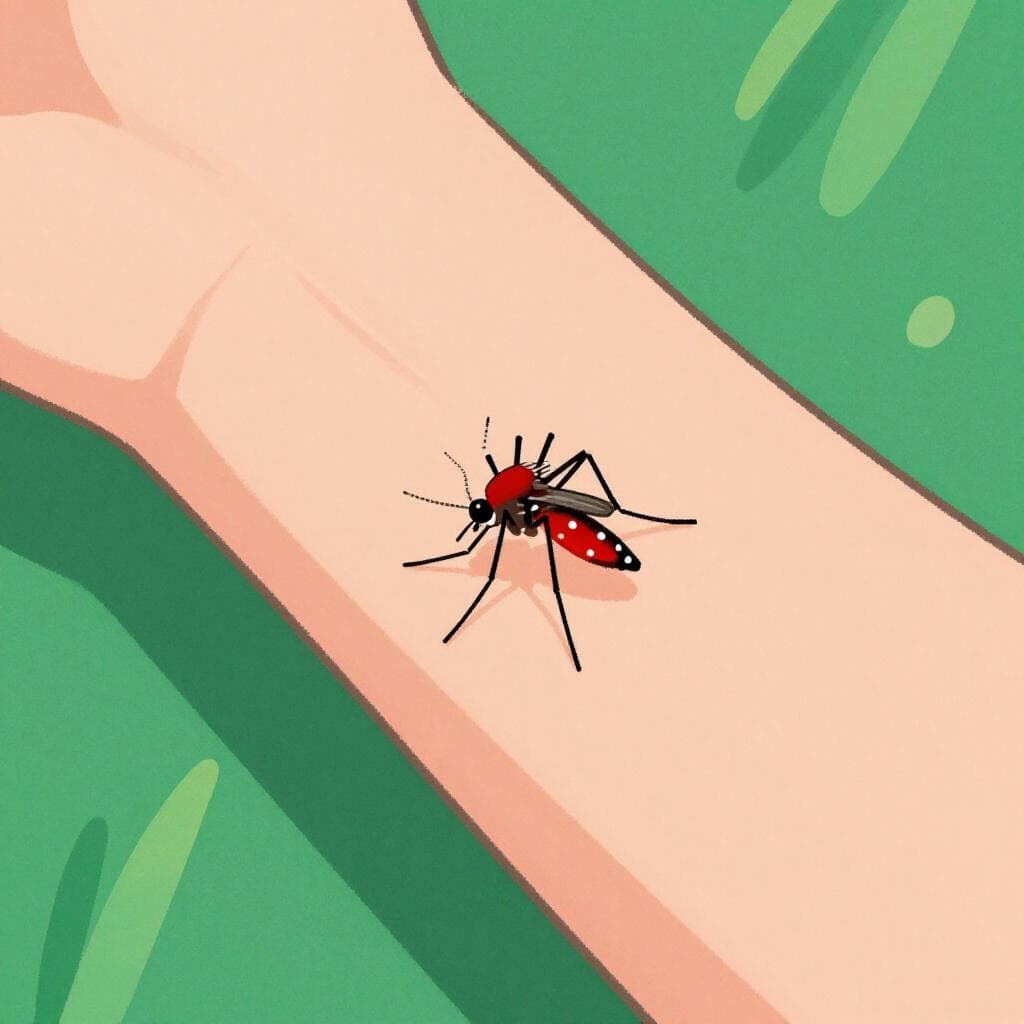
Tengo un mordisco de mosquito en el brazo.
I have a mosquito bite on my arm.
Using 'mordisco' vs 'morder'
In Spanish, 'mordisco' is the name of the thing (a bite). To say you are biting something, you use the action word 'morder' or say you 'give' a bite ('dar un mordisco').
Describing Bites
Since this is a masculine word, always use masculine helpers like 'un' (a), 'el' (the), or 'pequeño' (small).
Using it as an action
Mistake: “Yo mordisco la manzana.”
Correction: Le doy un mordisco a la manzana or Yo muerdo la manzana. 'Mordisco' is a noun (a thing), not a verb (an action).
picada
pee-KAH-dahpiˈkaða
Examples
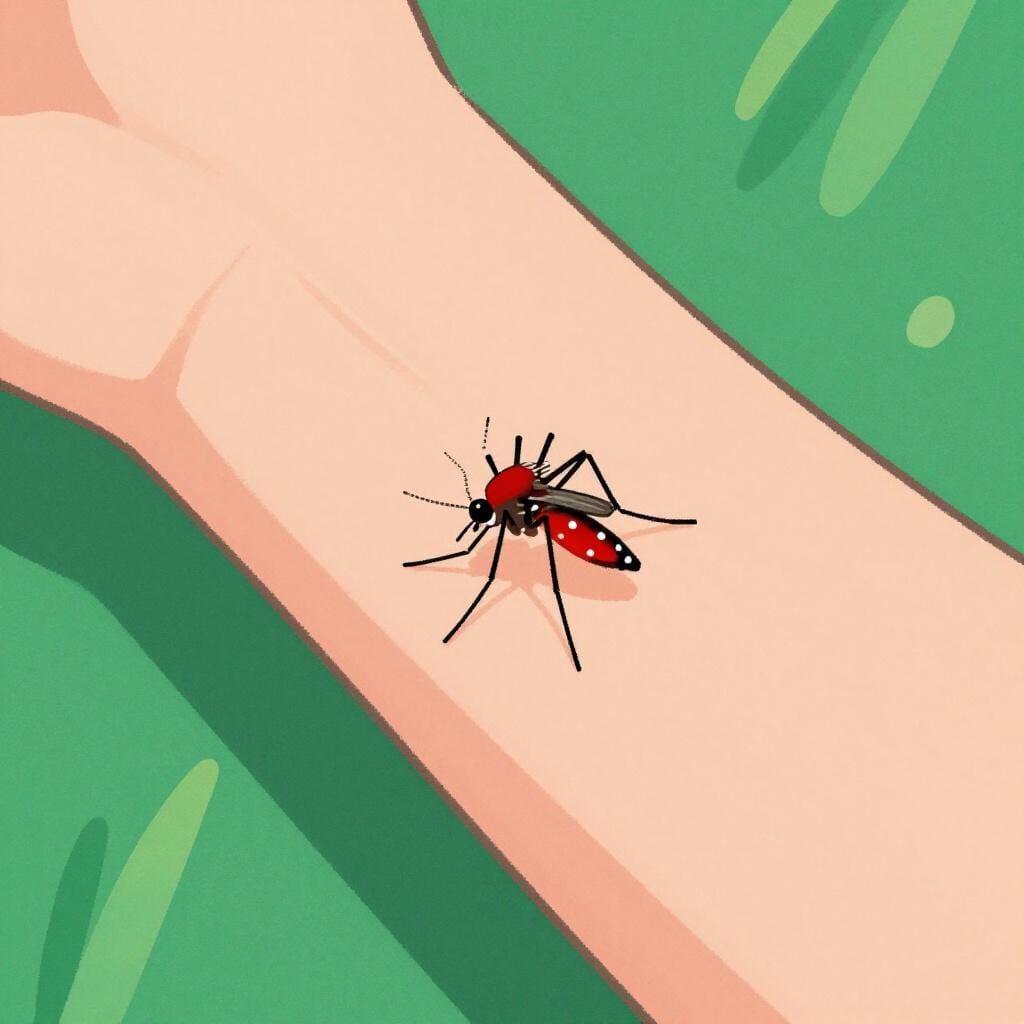
Me salió una picada de mosquito en el brazo.
I got a mosquito bite on my arm.
Tengo una picada de mosquito en la pierna.
I have a mosquito bite on my leg.
¡No te rasques esa picada!
Don't scratch that bite!
Esta crema es muy buena para las picadas de insectos.
This cream is very good for insect bites.
Action to Noun
This comes from the verb 'picar' (to sting or poke). By adding '-ada', we turn the action into the result (the mark on your skin).
Regional Preference
Mistake: “Using 'picada' for a bite in Spain.”
Correction: In Spain, use 'picadura'. Use 'picada' mostly in South America.
Confusing food bites with insect bites
Related Translations
Learn Spanish with Inklingo
Interactive stories, personalized learning, and more.