bloque
“bloque” means “block” in Spanish. It has 3 different meanings depending on context:
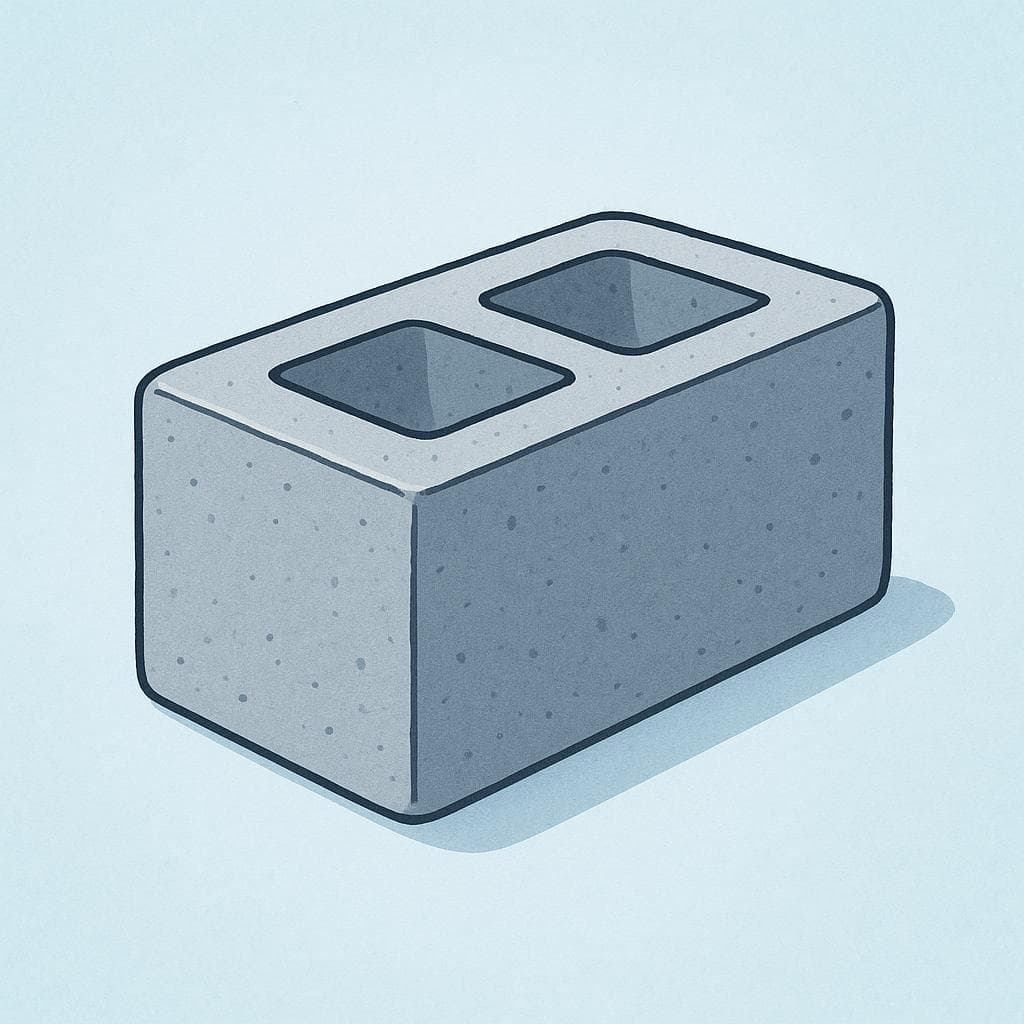

block
Also: chunk, slab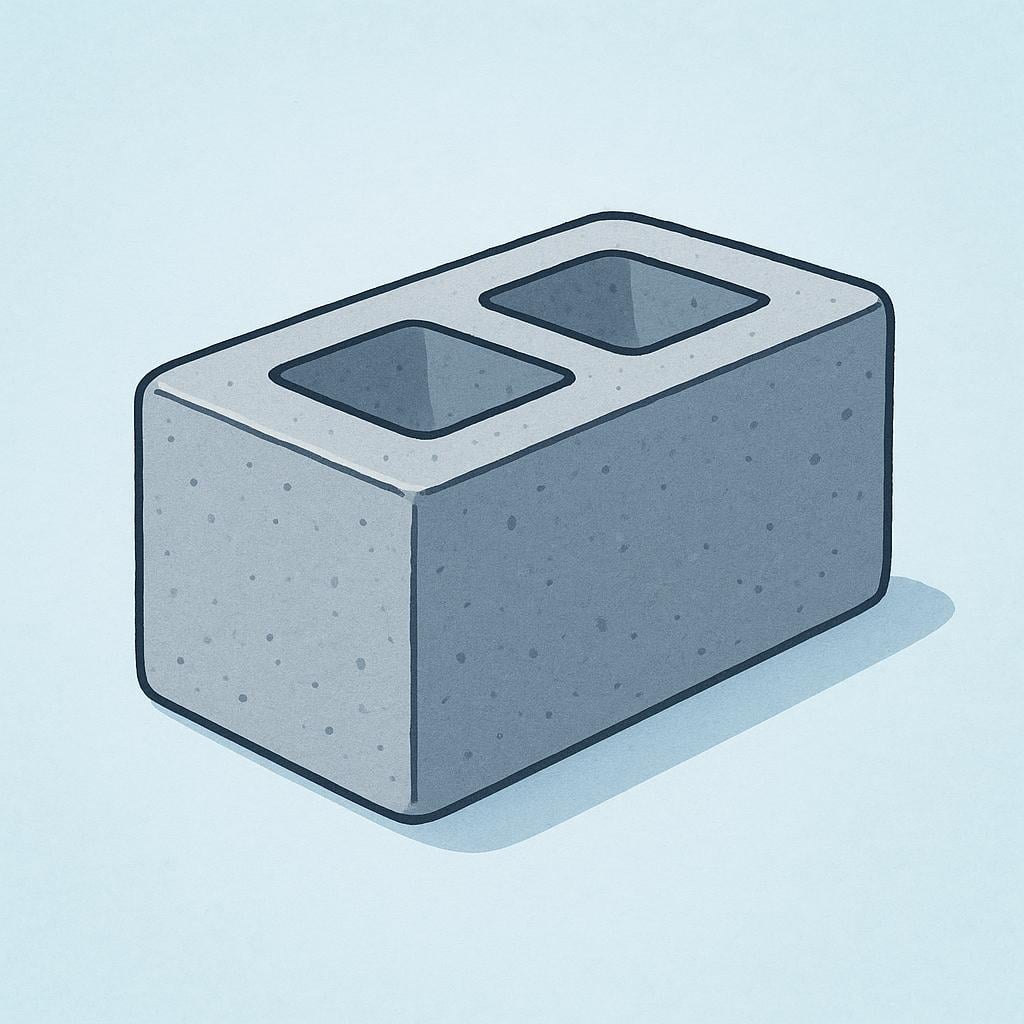
📝 In Action
Necesitamos un bloque de cemento para arreglar la pared.
A1We need a concrete block to fix the wall.
El escultor está trabajando en un bloque de mármol.
B1The sculptor is working on a block of marble.
Compré un bloque grande de queso para la fiesta.
A2I bought a large block of cheese for the party.
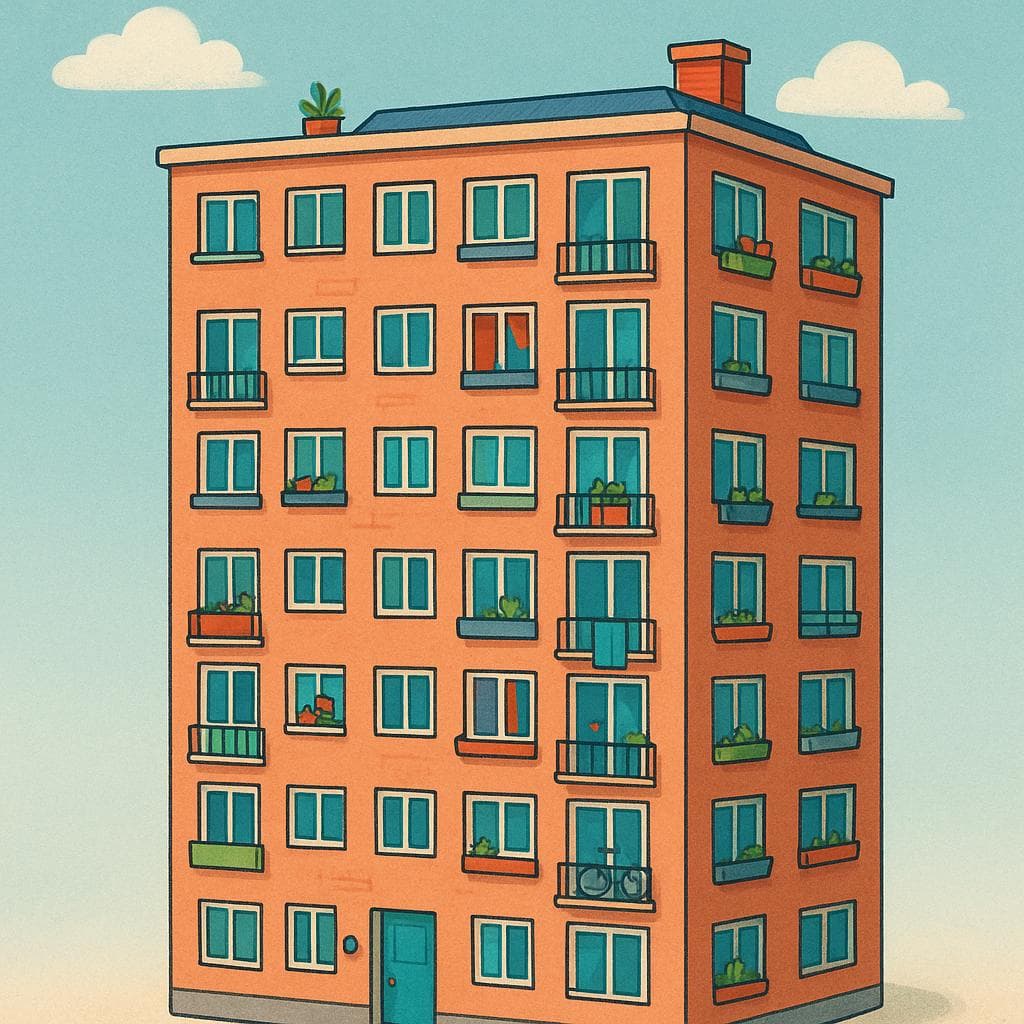
apartment block
Also: city block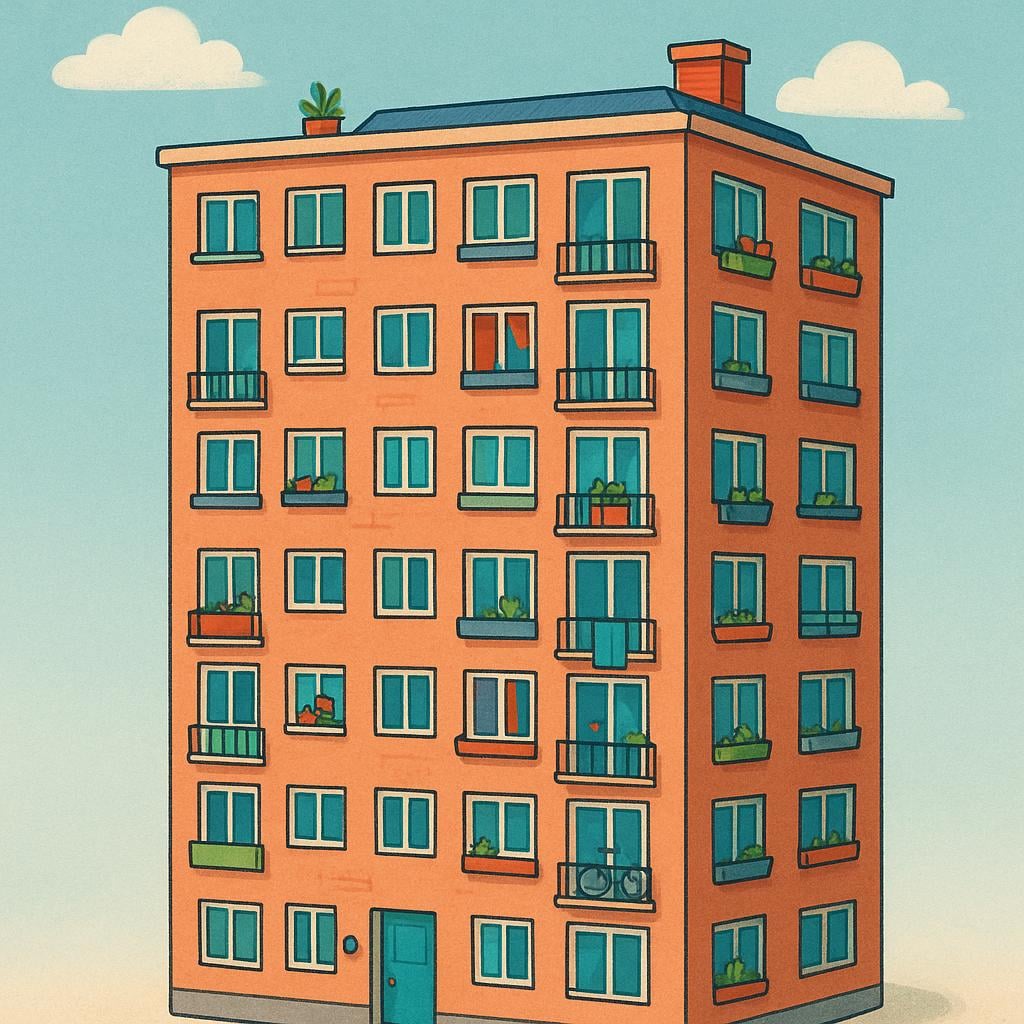
📝 In Action
Mi amigo vive en el bloque de pisos al final de la calle.
A2My friend lives in the apartment block at the end of the street.
Solo tienes que caminar dos bloques más y llegas.
A2You only have to walk two blocks more and you arrive.
El incendio afectó a todo el bloque de viviendas.
B1The fire affected the entire housing block.
bloc
Also: coalition, group
📝 In Action
Los países formaron un bloque comercial para negociar mejor.
B2The countries formed a trade bloc to negotiate better.
El bloque opositor votó en contra de la nueva ley.
C1The opposition bloc voted against the new law.
La computadora procesa los datos en bloques de información.
C1The computer processes the data in blocks of information.
Translate to Spanish
Words that translate to "bloque" in Spanish:
apartment block→bloc→block→chunk→city block→coalition→group→slab→✏️ Quick Practice
Quick Quiz: bloque
Question 1 of 2
Which sentence uses 'bloque' in the sense of a political alliance?
📚 More Resources
📚 Etymology▼
The word comes from Old French *bloc*, meaning a log or a mass of wood, which itself likely has Germanic roots. It entered Spanish referring to a solid, undifferentiated mass.
First recorded: 15th century
Cognates (Related words)
💡 Master Spanish
Take your Spanish to the next level. Read 200+ illustrated and narrated Spanish stories tailored to your level with the Inklingo app!
Frequently Asked Questions
Is 'bloque' the same as 'bloqueo'?
No, they are related but different! 'Bloque' is the solid object or group (the noun). 'Bloqueo' is the action or result of blocking something, like a traffic jam or a political embargo (the obstruction).
Can I use 'bloque' when talking about a mental block?
Yes, you can! The phrase 'bloqueo mental' (mental block) uses the related noun 'bloqueo,' but 'bloque' itself can sometimes be used figuratively, though 'bloqueo' is much more common for this specific context.