manzana
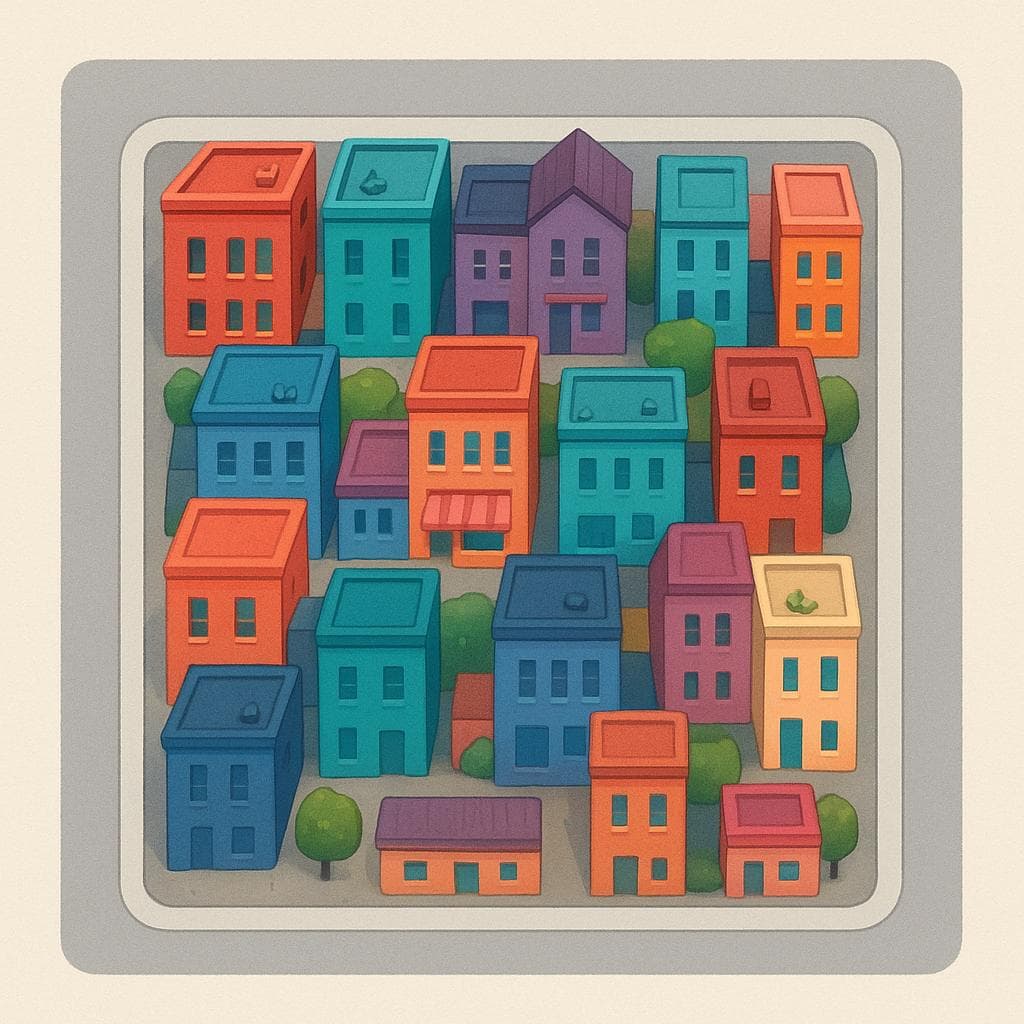
“manzana” means “apple” in Spanish. It has 2 different meanings depending on context:
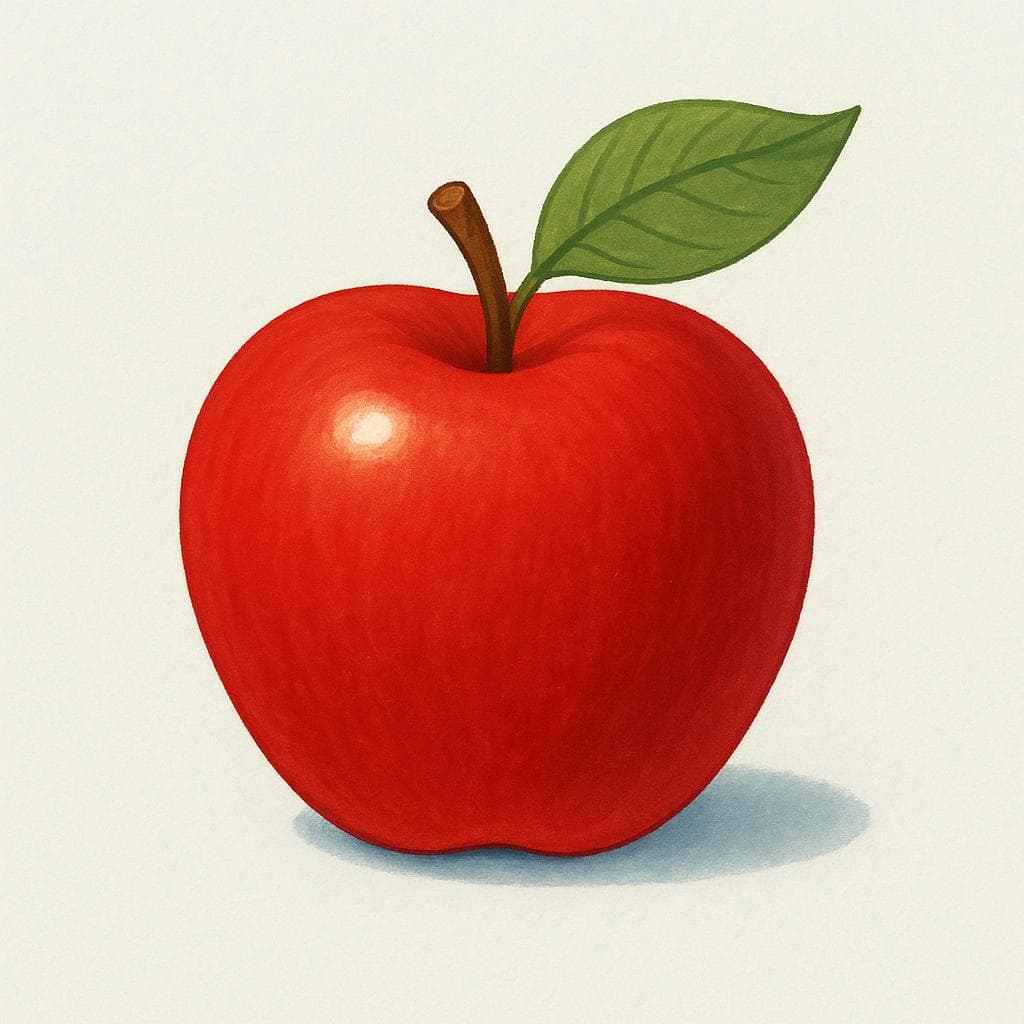
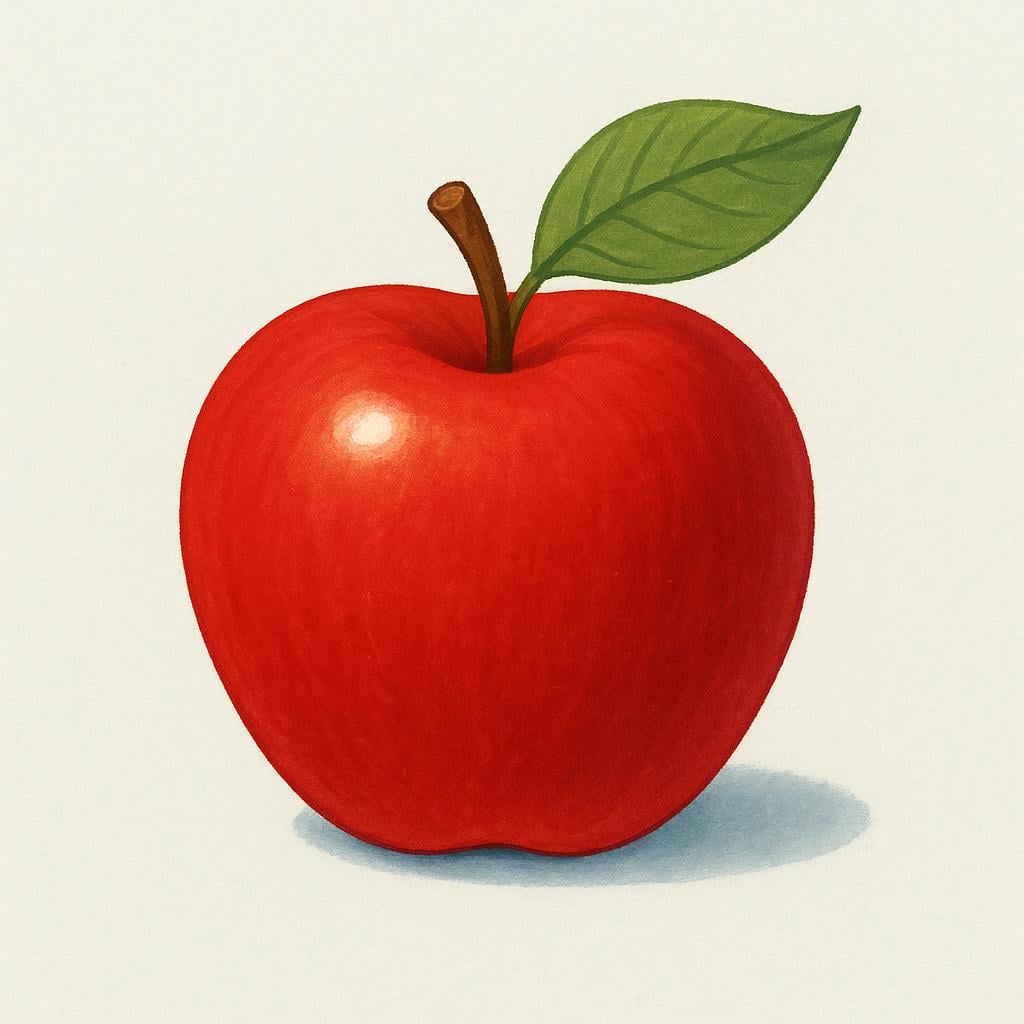
apple
📝 In Action
Me gusta comer una manzana después del almuerzo.
A1I like to eat an apple after lunch.
Hay manzanas rojas y verdes en la nevera.
A2There are red and green apples in the fridge.
El postre de hoy es una tarta de manzana casera.
B1Today's dessert is a homemade apple pie.
city block
Also: square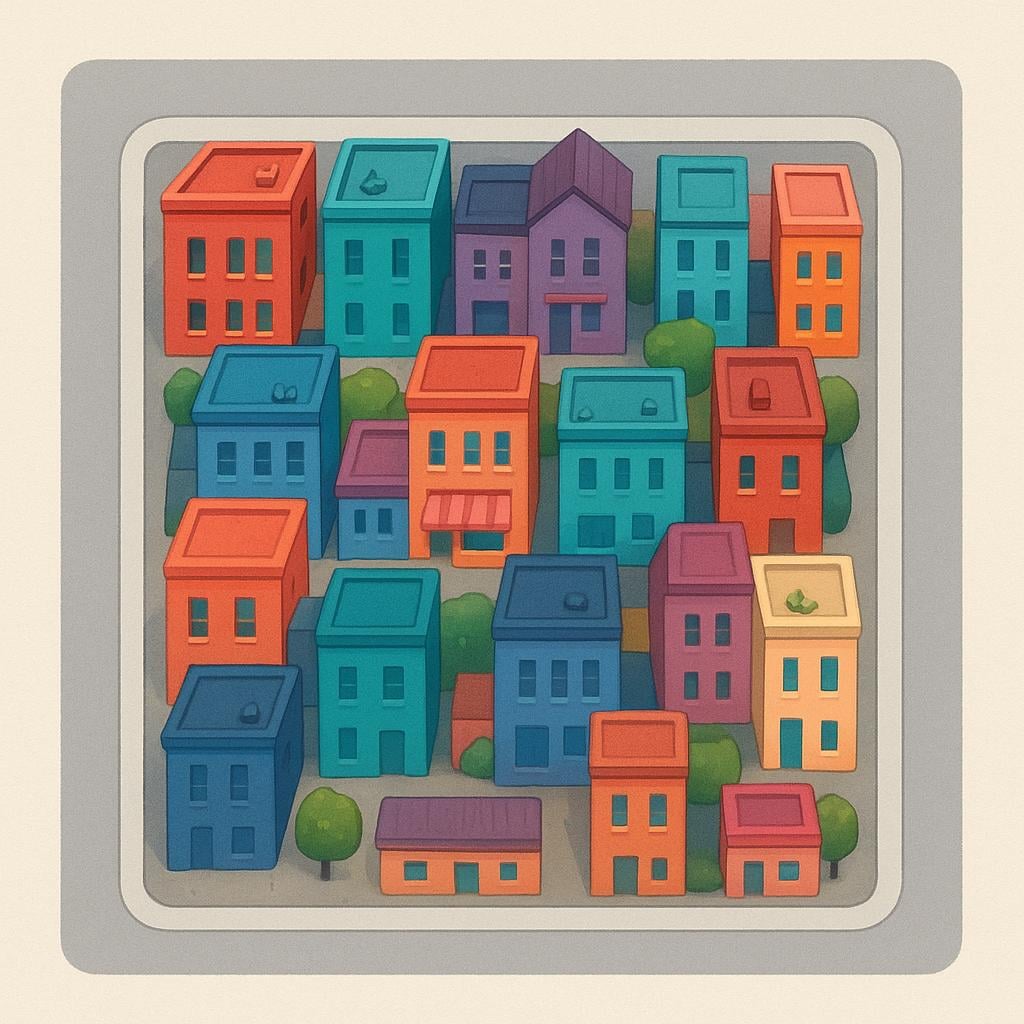
📝 In Action
El supermercado está a tres manzanas de mi casa.
B1The supermarket is three blocks from my house.
Tuvimos que dar la vuelta a la manzana para encontrar un aparcamiento.
B2We had to drive around the block to find parking.
Vocabulary Collections
Translate to Spanish
✏️ Quick Practice
Quick Quiz: manzana
Question 1 of 2
Which English word correctly translates 'manzana' in the sentence: 'El banco está a dos manzanas de la plaza.'
📚 More Resources
👥 Word Family▼
📚 Etymology▼
This word comes from the Vulgar Latin term *mattiana*, which was the name of a specific, highly valued type of apple, likely named after a Roman family (the Matti). Over time, the name of this specific apple became the general word for all apples.
First recorded: Medieval Spanish (around the 13th century)
Cognates (Related words)
💡 Master Spanish
Take your Spanish to the next level. Read 200+ illustrated and narrated Spanish stories tailored to your level with the Inklingo app!
Frequently Asked Questions
Why does 'manzana' mean both 'apple' and 'city block'?
This is a great example of how language adapts! While 'apple' is the original meaning, 'manzana' for 'city block' likely came from the block's shape—it is often a neat, compact square or rectangle, similar to how the word is used in architecture or urban planning to define a bounded area.
Is 'manzana' used for 'city block' everywhere?
It is widely understood, but it is most commonly used for 'city block' in Latin American countries. In Spain, people might use 'bloque' or 'cuadra' more often when giving directions.