How to Say "cut" in Spanish
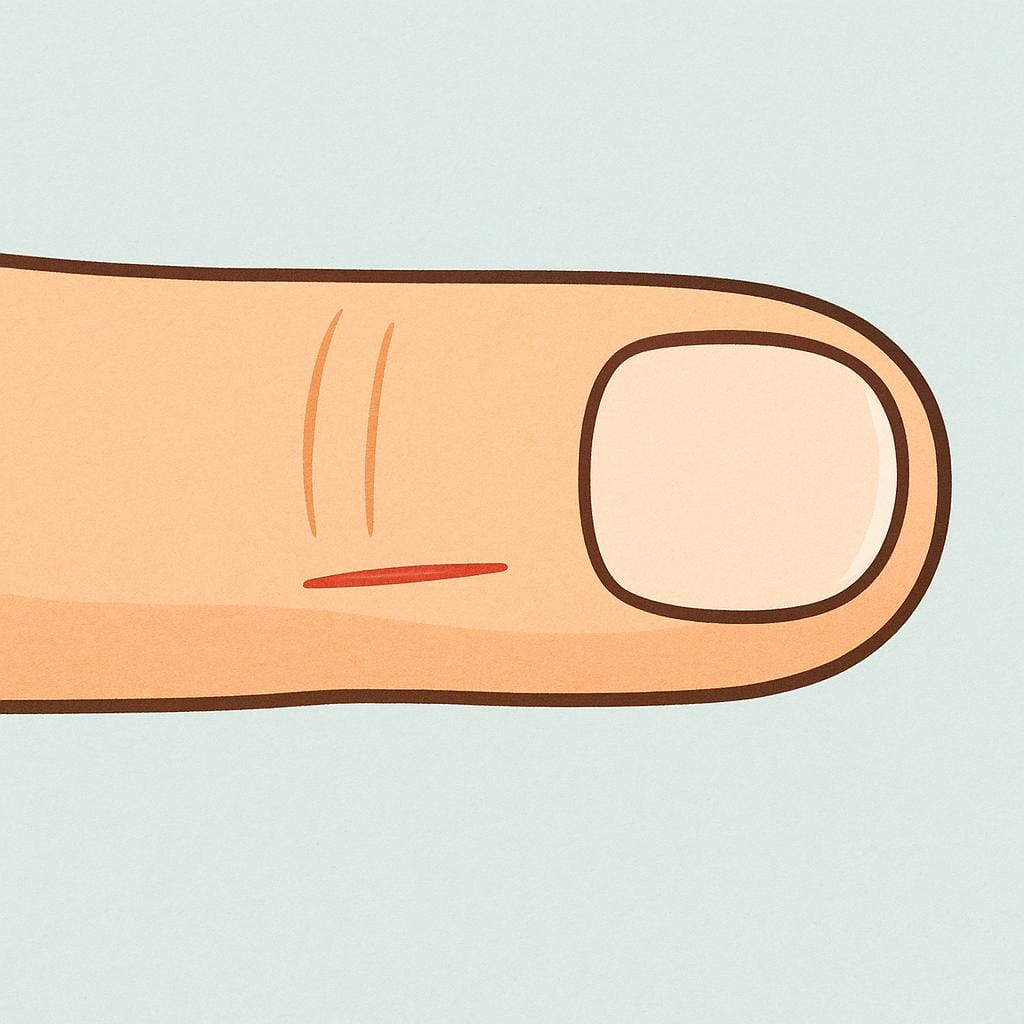
The most common Spanish word for “cut” is “corte” — use this for a general injury from something sharp, or for a slice of food.


corte
KOR-tehˈkoɾ.te
Examples
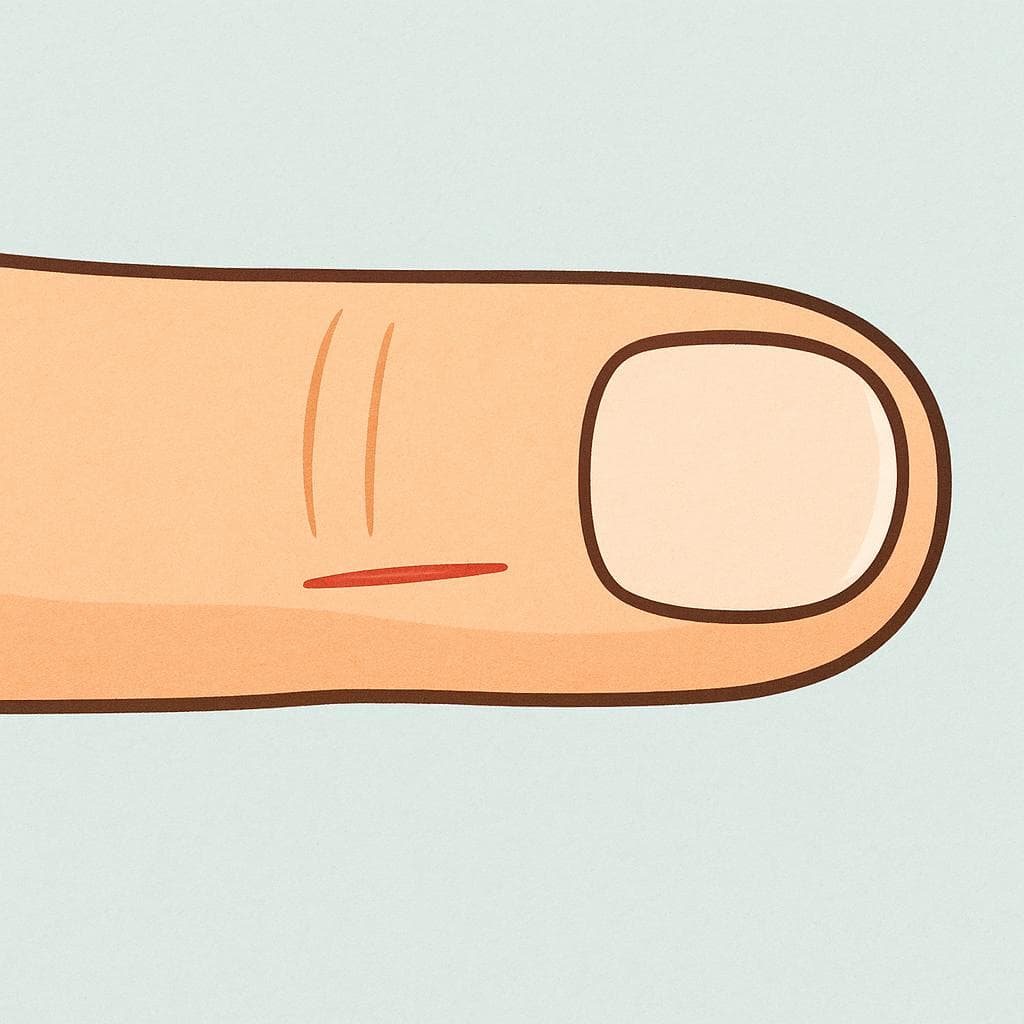
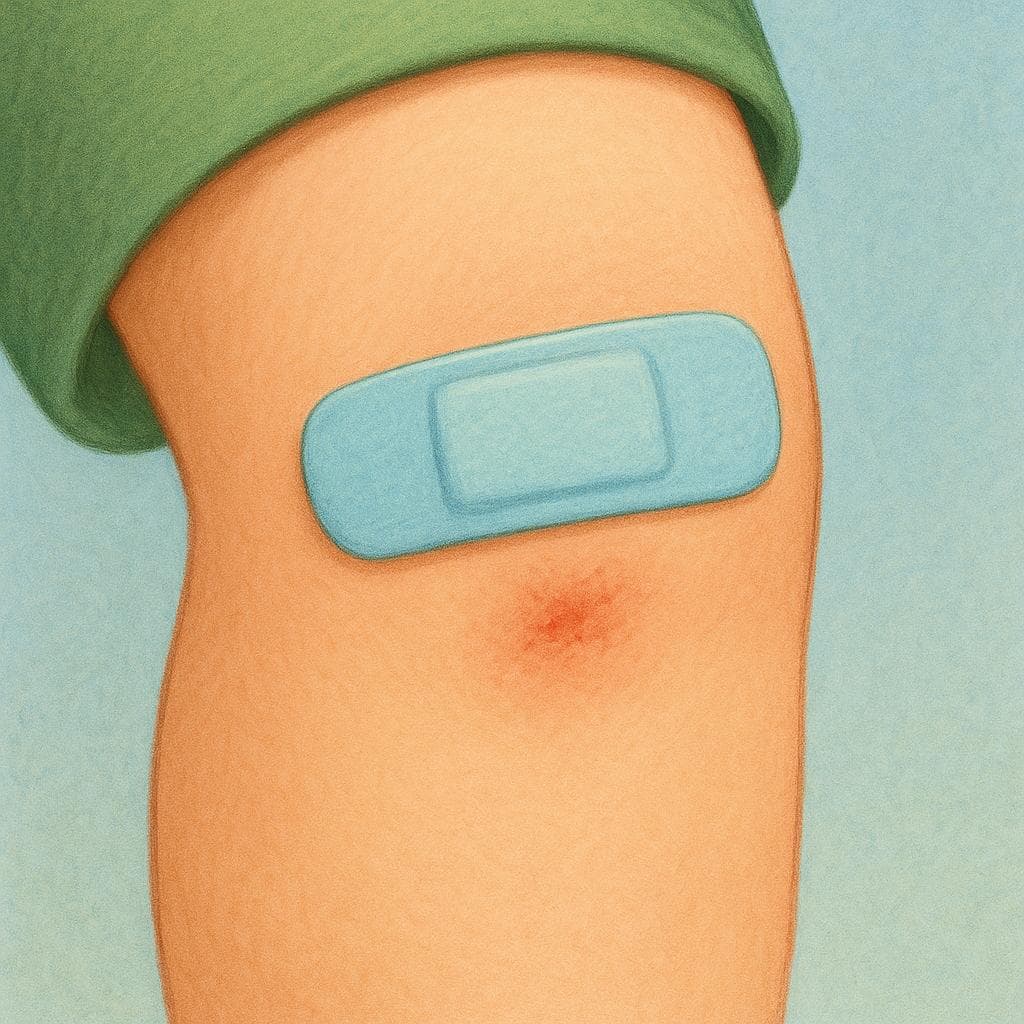
Me hice un corte en el dedo con un papel.
I got a paper cut on my finger.
Necesito un corte de pelo nuevo.
I need a new haircut.
Hubo un corte de luz en todo el barrio.
There was a power outage in the whole neighborhood.
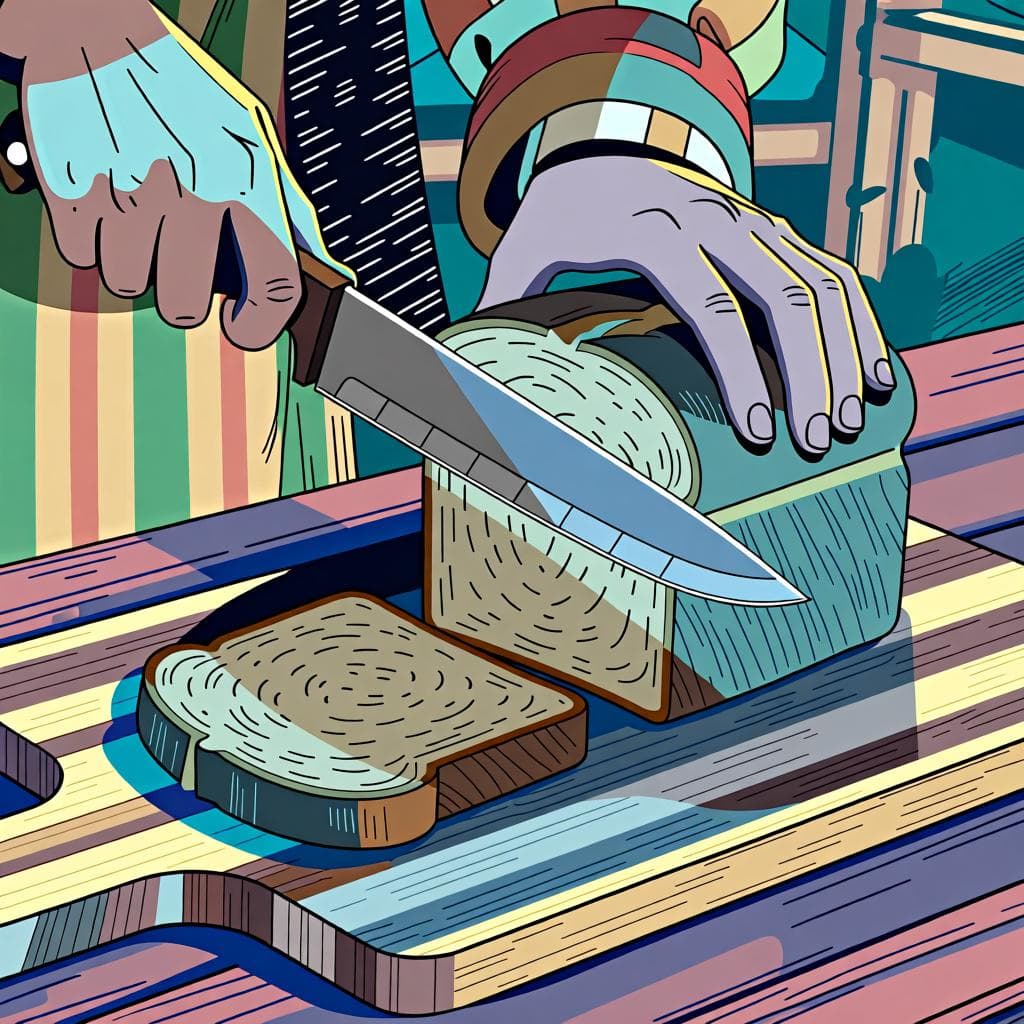
Corte el pan en rebanadas, por favor.
Cut the bread into slices, please. (formal command)
Not a Standalone Verb
'Corte' isn't a base verb. It's a special form of 'cortar' (to cut) used for formal commands ('Corte aquí' - 'Cut here') or in situations expressing wishes, doubts, or suggestions ('Quiero que corte el césped' - 'I want you to cut the grass').
corte
KOR-tehˈkoɾ.te
Examples
Corte el pan en rebanadas, por favor.
Cut the bread into slices, please. (formal command)
Me hice un corte en el dedo con un papel.
I got a paper cut on my finger.
Necesito un corte de pelo nuevo.
I need a new haircut.
Hubo un corte de luz en todo el barrio.
There was a power outage in the whole neighborhood.
Not a Standalone Verb
'Corte' isn't a base verb. It's a special form of 'cortar' (to cut) used for formal commands ('Corte aquí' - 'Cut here') or in situations expressing wishes, doubts, or suggestions ('Quiero que corte el césped' - 'I want you to cut the grass').
herida
eh-REE-daheˈɾiða
Examples
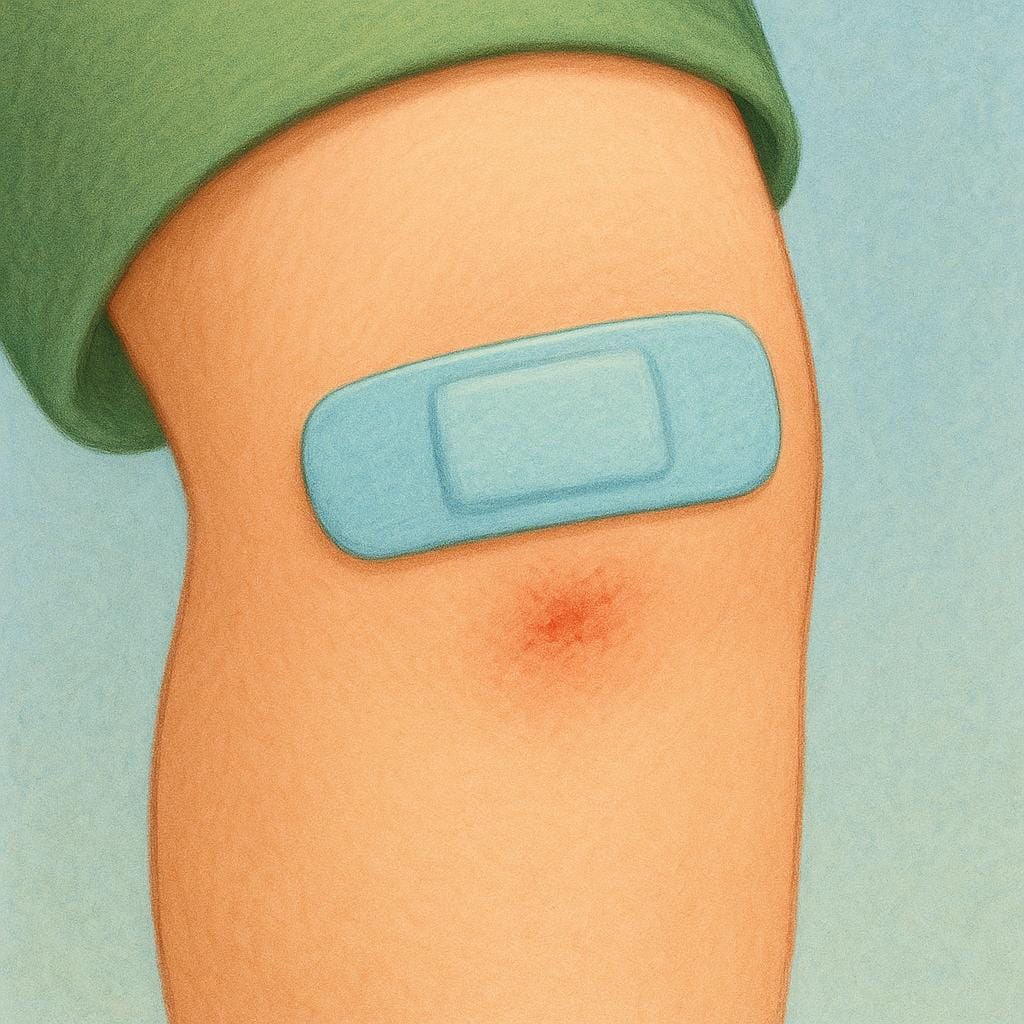
Necesitas limpiar bien la herida para evitar una infección.
You need to clean the wound well to avoid an infection.
Después del accidente, le pusieron puntos en la herida.
After the accident, they put stitches in the injury.
Always Feminine
Even though many words ending in '-a' are feminine, remember that 'herida' always uses feminine articles (la herida, una herida).
Confusing Noun and Adjective
Mistake: “La herida mujer (The wound woman)”
Correction: La mujer herida (The wounded woman). 'Herida' works as an adjective when describing someone, but as a noun when it's the injury itself.
cortado
kor-TAH-dohkoɾˈtaðo
Examples
El hilo está cortado, no podemos coser.
The thread is cut; we cannot sew.
Se quedó sin batería y la llamada fue cortada.
The battery died and the call was interrupted.
Agreement
Like many Spanish adjectives, 'cortado' must change its ending to match the thing it describes: 'la línea cortada' (feminine) or 'los cables cortados' (plural).
parte
PAR-tehˈpaɾte
Examples
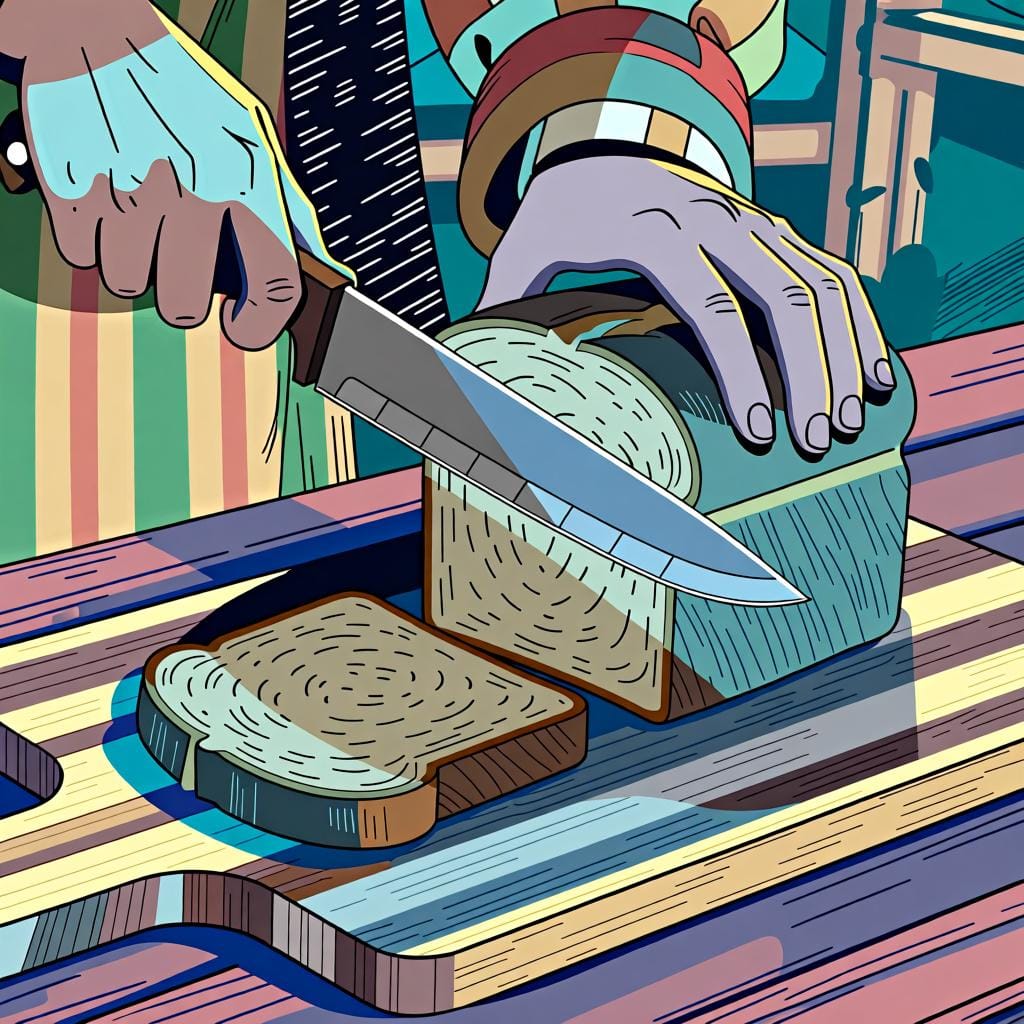
Parte el pastel en ocho trozos, por favor.
Cut the cake into eight pieces, please.
Es importante que usted parte de cero en este proyecto.
It's important that you start from scratch on this project.
No quiero que se parte la cuerda.
I don't want the rope to break.
A Form of the Verb 'partir'
This isn't a word on its own, but a form of the verb 'partir' (to cut, split, leave). You'll see 'parte' used as a command for 'tú' (you): '¡Parte el pan!' (Cut the bread!).
recorte
rreh-KOHR-tehreˈkoɾte

Examples
El gobierno anunció un nuevo recorte en educación.
The government announced a new cut in education.
Debido a la crisis, hubo muchos recortes de personal.
Due to the crisis, there were many staff cuts.
Necesitamos hacer un recorte de gastos este mes.
We need to make a spending cut this month.
Always Masculine
Even though it ends in '-e', this word is always masculine: 'el recorte' or 'los recortes'.
Plural for Big Impact
When talking about general economic crises, you'll usually hear it in the plural form: 'los recortes'.
Using the wrong word for 'cut'
Mistake: “Hice una recortación de gastos.”
Correction: Hice un recorte de gastos.
reducción
Examples
La tienda anunció una reducción de precios.
The store announced a price reduction.
brecha
BREH-chahˈbɾet͡ʃa
Examples
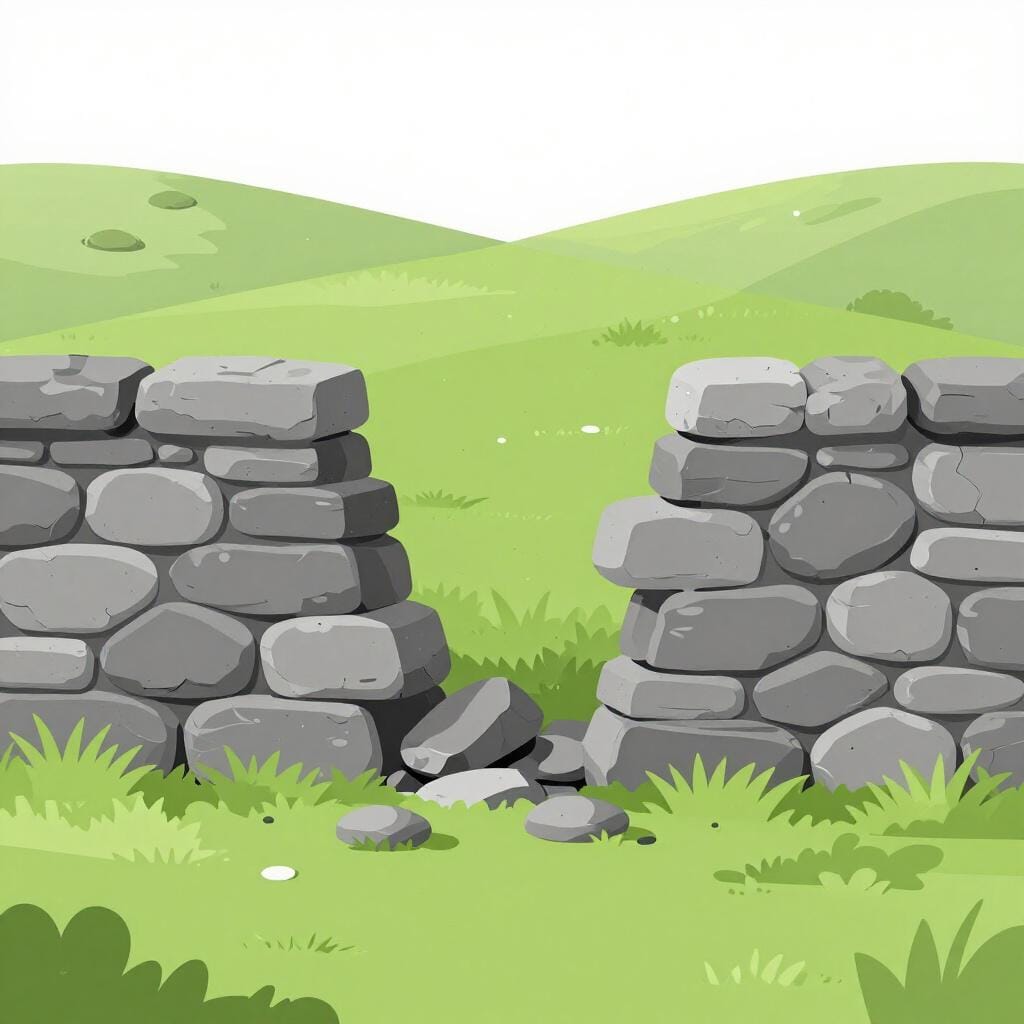
Los soldados lograron abrir una brecha en la muralla.
The soldiers managed to open a breach in the wall.
Se hizo una brecha en la cabeza al caerse de la bicicleta.
He got a cut on his head when he fell off the bike.
Hay una pequeña brecha entre las tablas del suelo.
There is a small gap between the floorboards.
Gender and Articles
Brecha is a feminine noun. Always use 'la' or 'una' with it, even though it refers to a sharp or rough opening.
Wounds vs. Cuts
Mistake: “Using 'brecha' for any cut on the body.”
Correction: In a medical sense, 'brecha' is almost exclusively used for deep cuts on the head that likely need stitches. Use 'corte' for general cuts elsewhere.
partida
par-TEE-dahpaɾˈtiða
Examples
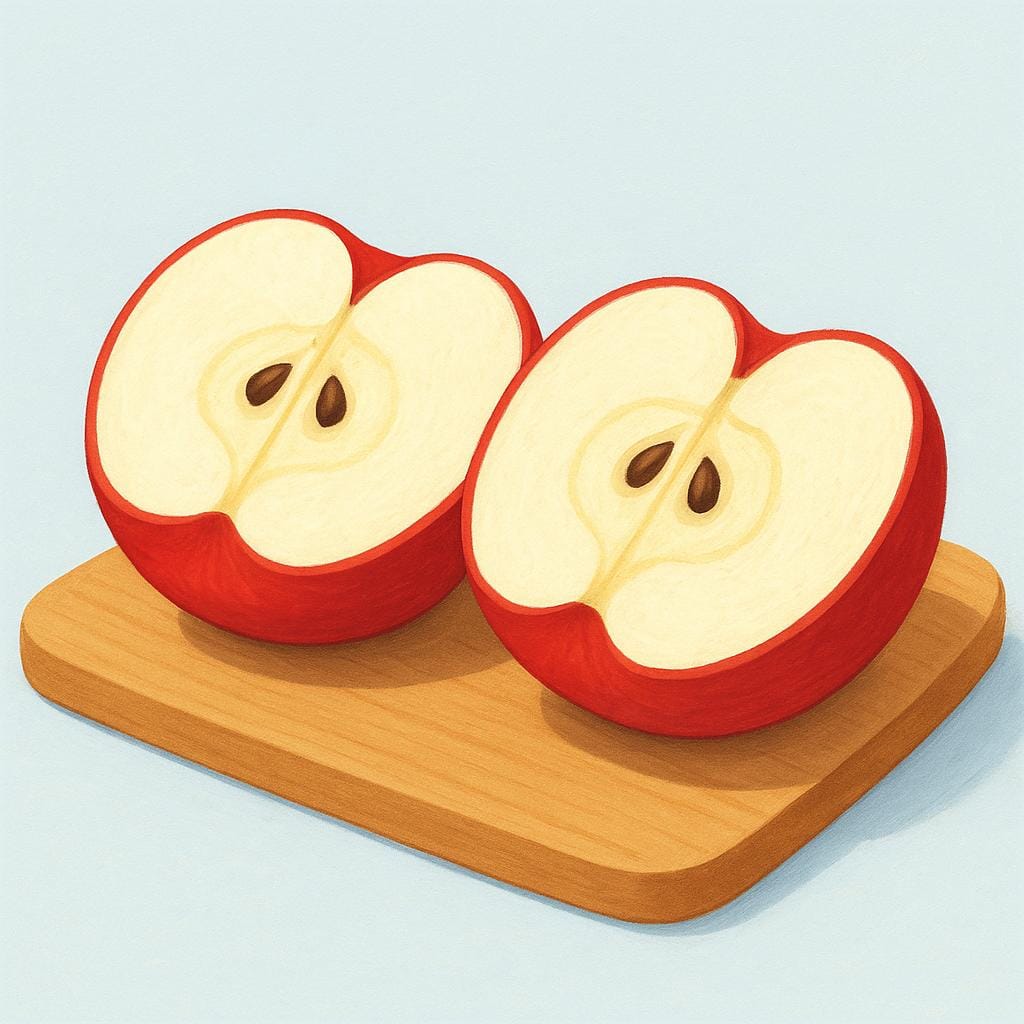
La madera estaba partida en pequeños trozos.
The wood was split into small pieces.
Tenía la boca partida después del accidente.
She had a cut/split lip after the accident.
Agreement
As an adjective, 'partida' must agree in gender and number with the noun it describes. This is the feminine singular form.
rebaja
re-BA-hareˈβaxa

Examples
El abogado logró una rebaja de la condena para su cliente.
The lawyer achieved a reduction of the sentence for his client.
La rebaja de impuestos beneficiará a las pequeñas empresas.
The tax cut will benefit small businesses.
Se nota una rebaja en la calidad del servicio últimamente.
There is a noticeable drop in the quality of service lately.
Abstract Use
Unlike the shopping meaning, when talking about taxes or sentences, 'rebaja' is often followed by the word 'de' to explain what is being reduced.
Confusion with 'Bajar'
Mistake: “Hubo una baja de impuestos.”
Correction: Hubo una rebaja de impuestos.
presa
PREH-sahˈpɾe.sa
Examples
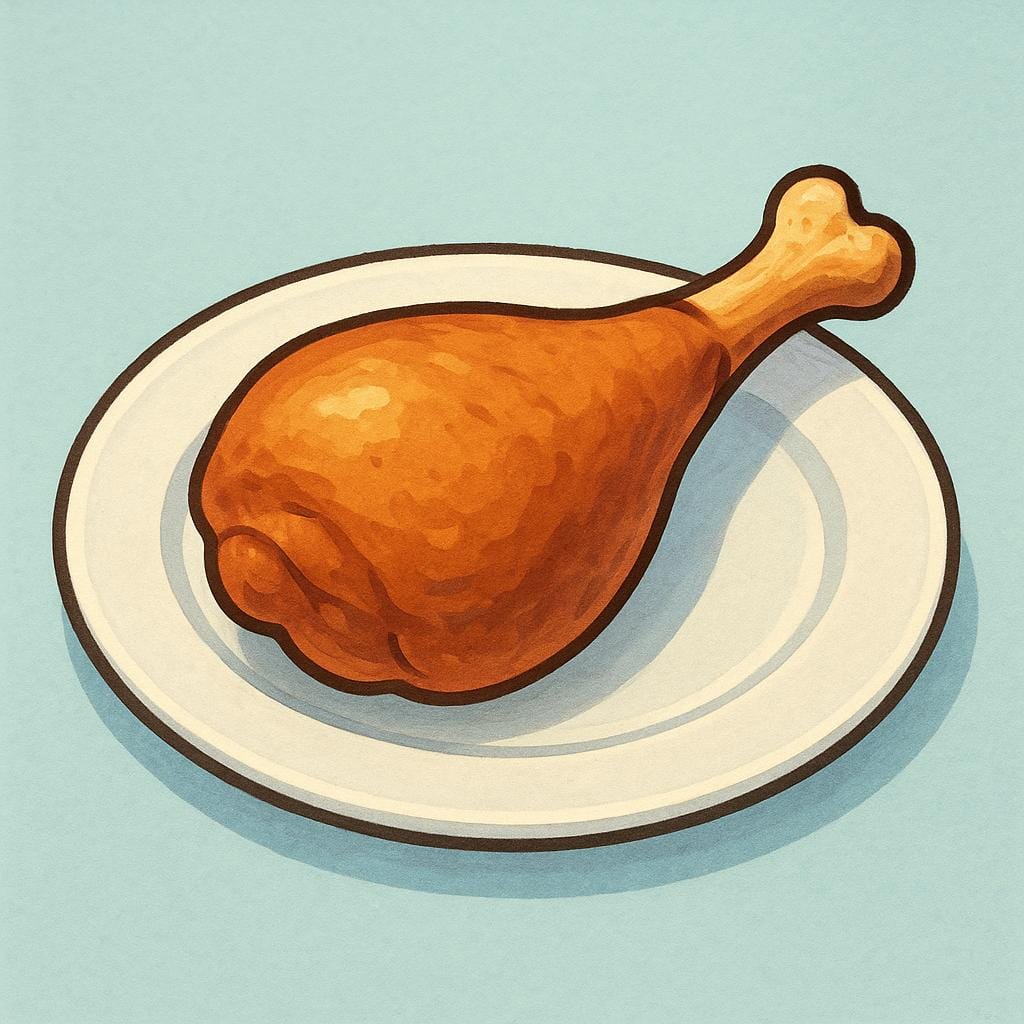
Pedimos dos presas de pollo y una porción de papas.
We ordered two pieces of chicken and a portion of fries.
La presa del cerdo ibérico es un corte muy apreciado en España.
The Iberian pork 'presa' (a specific cut) is a very appreciated cut in Spain.
talla
TAH-yahˈtaʎa
Examples
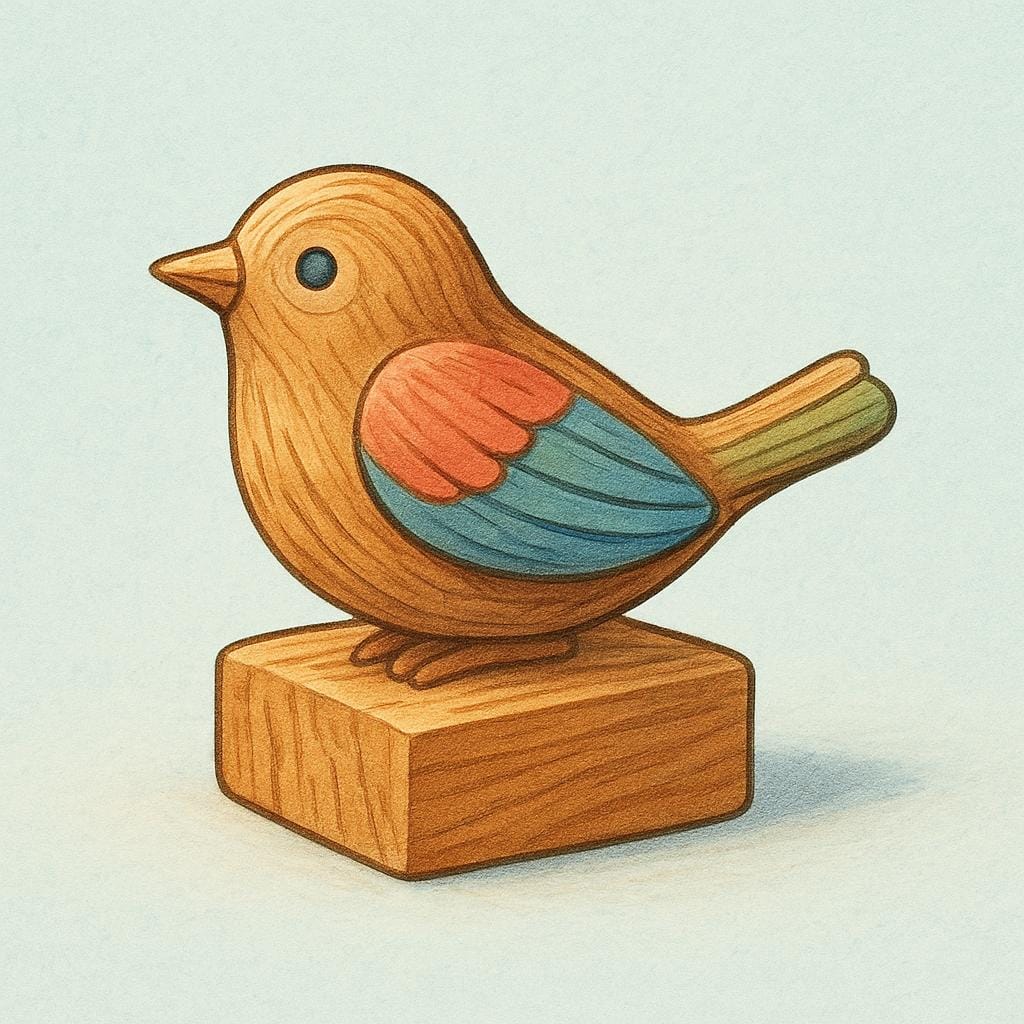
La iglesia está llena de tallas de madera antiguas.
The church is full of ancient wooden carvings (sculptures).
El diamante tiene una talla perfecta que refleja la luz.
The diamond has a perfect cut that reflects the light.
Connection to the Verb
This meaning comes directly from the verb 'tallar,' which means 'to carve' or 'to cut.' 'Talla' is the resulting object or the act itself.
Injury vs. Reduction vs. Slicing
Related Translations
Learn Spanish with Inklingo
Interactive stories, personalized learning, and more.