brecha
“brecha” means “gap” in Spanish. It has 2 different meanings depending on context:
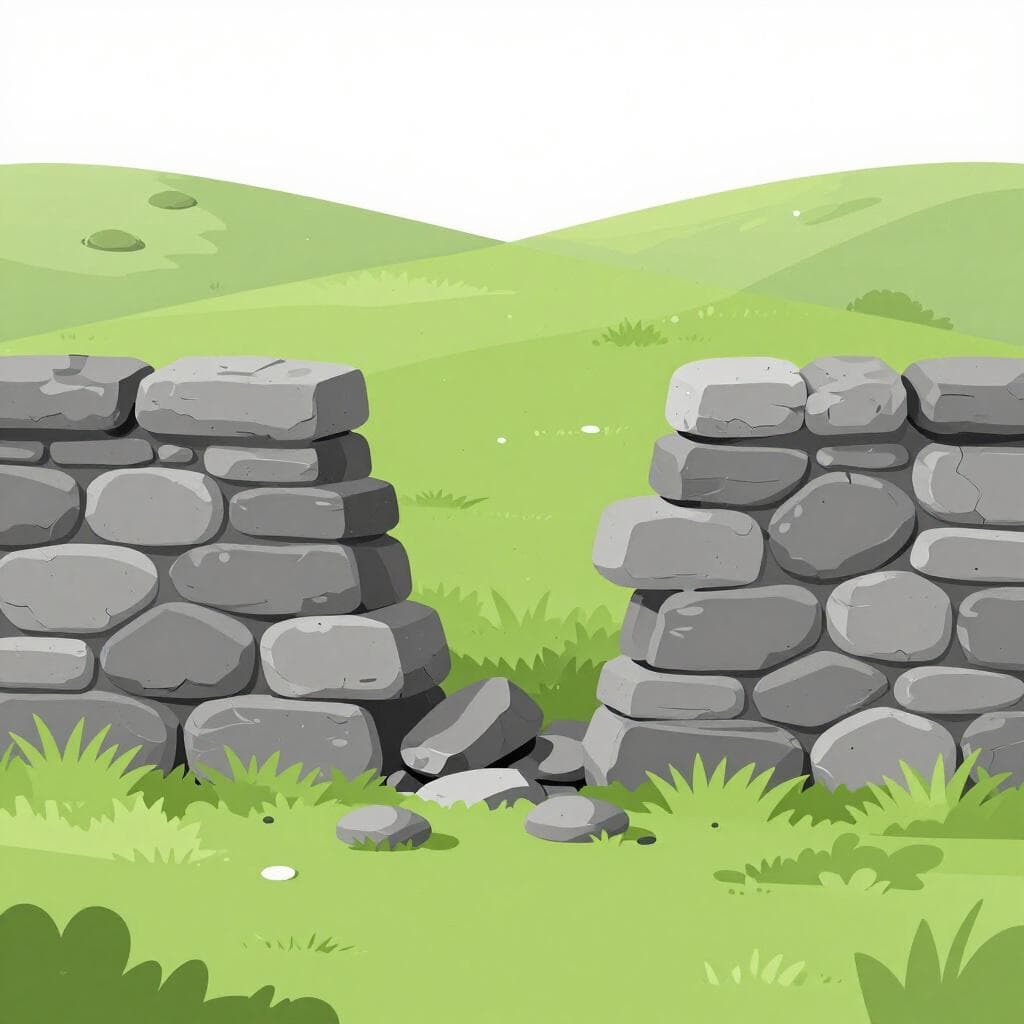
gap, breach
Also: cut, opening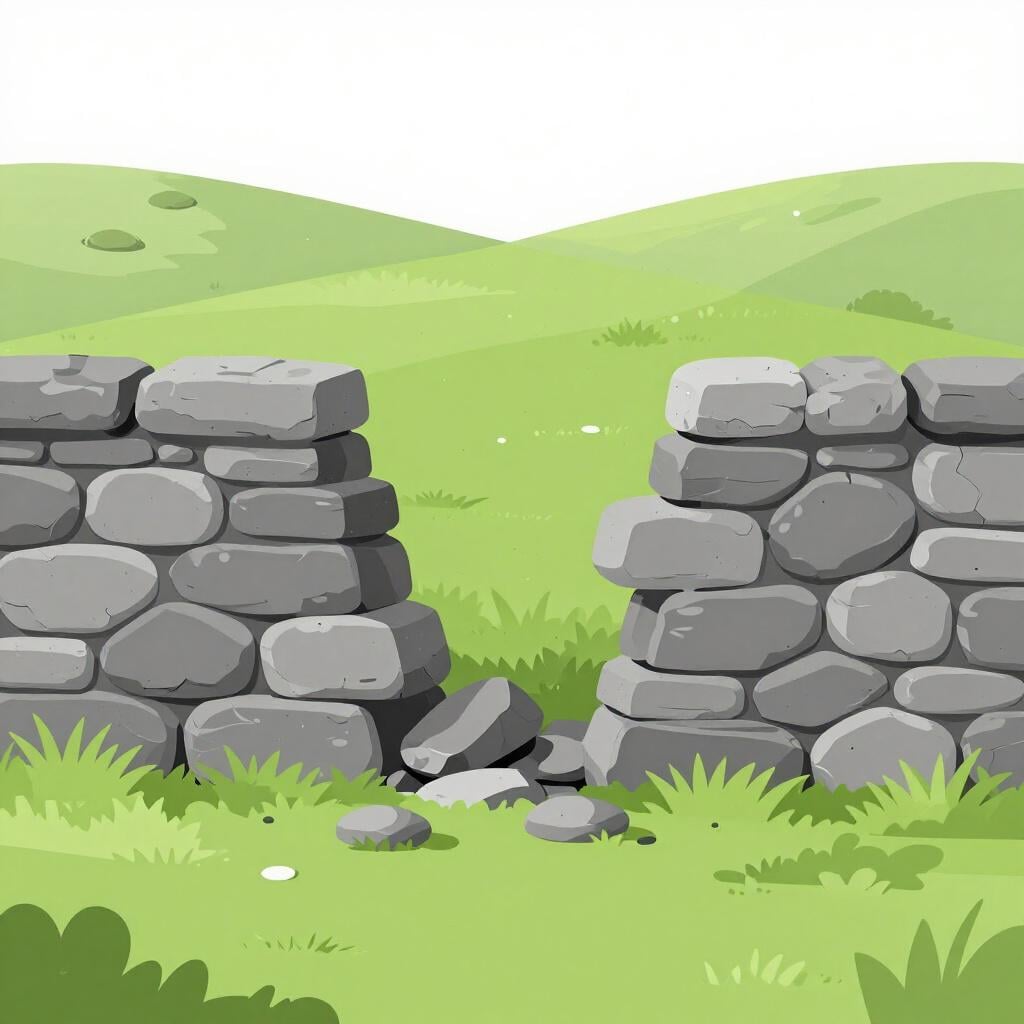
📝 In Action
Los soldados lograron abrir una brecha en la muralla.
B1The soldiers managed to open a breach in the wall.
Se hizo una brecha en la cabeza al caerse de la bicicleta.
B2He got a cut on his head when he fell off the bike.
Hay una pequeña brecha entre las tablas del suelo.
B1There is a small gap between the floorboards.
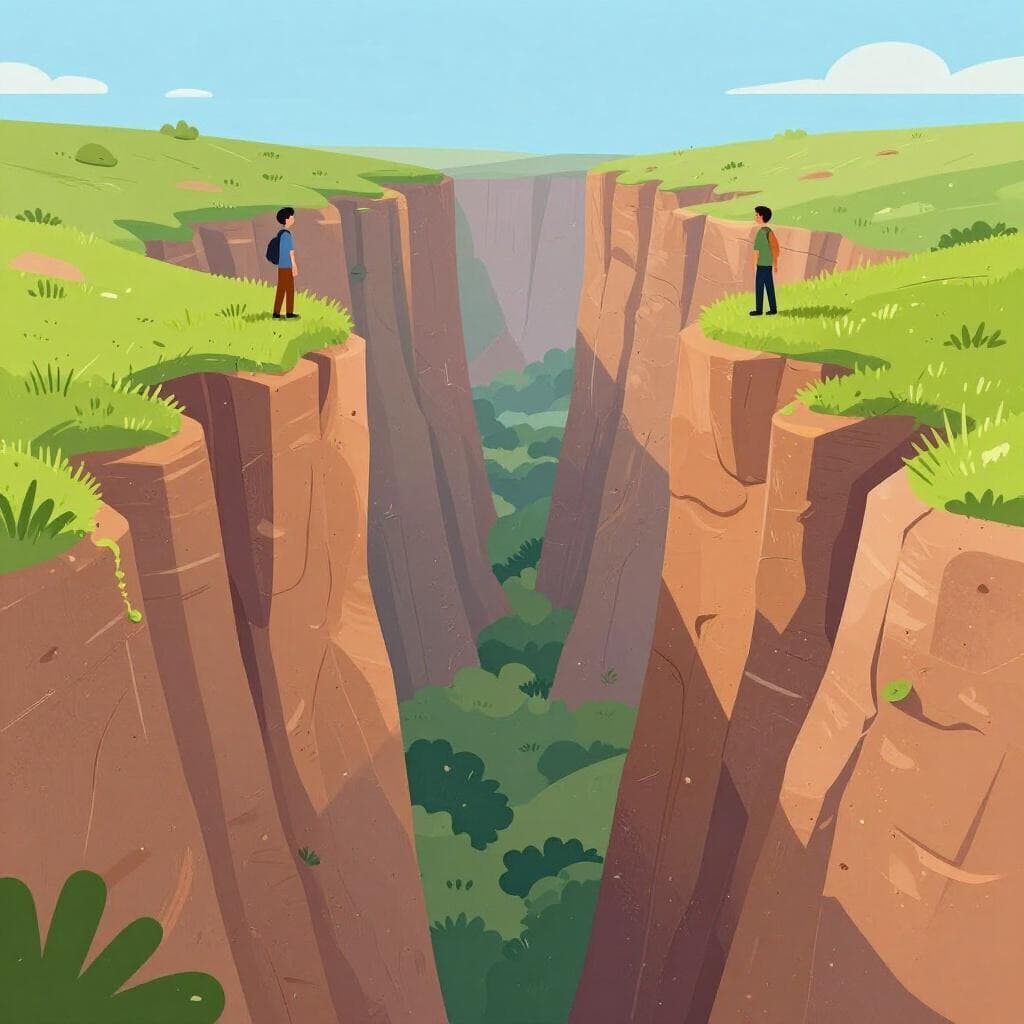
gap, divide
Also: disparity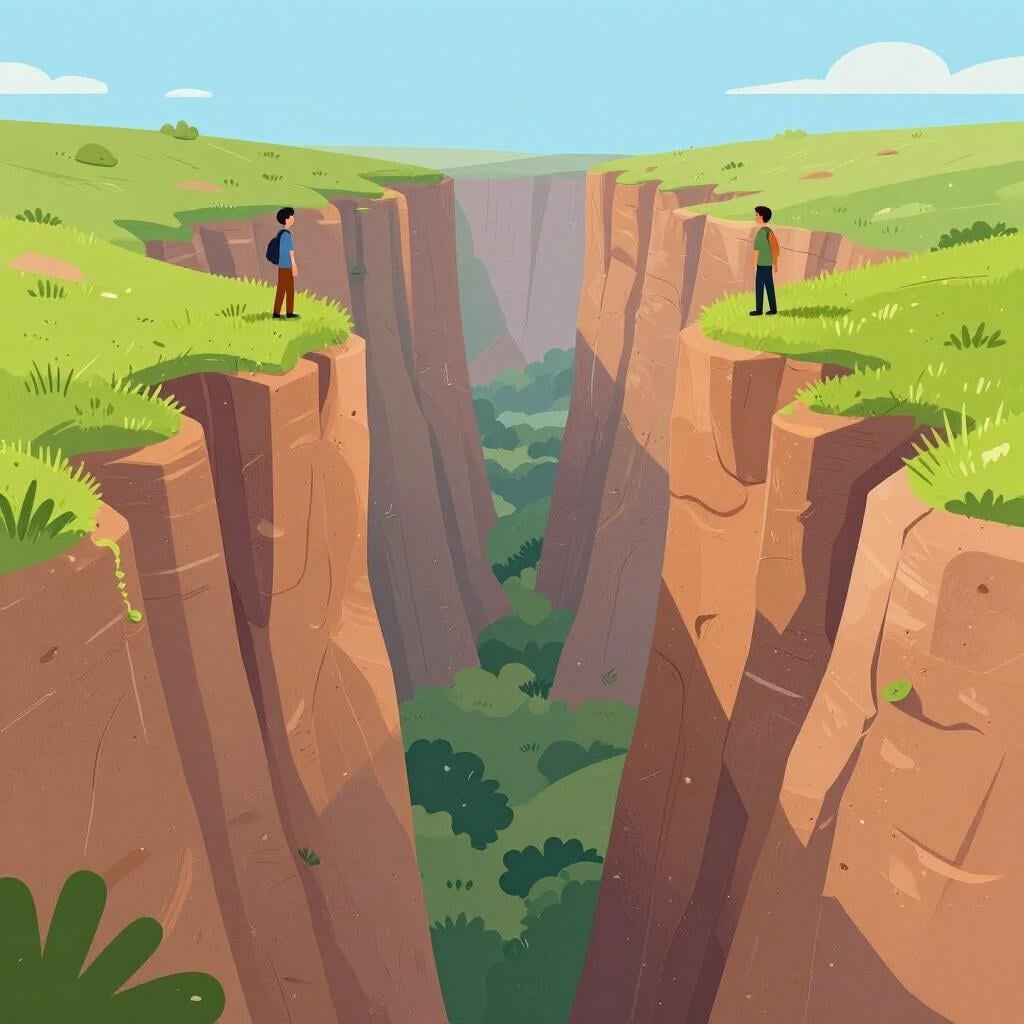
📝 In Action
La brecha salarial entre hombres y mujeres sigue siendo un problema.
B2The wage gap between men and women remains a problem.
Es difícil entenderse por la brecha generacional.
B2It's hard to understand each other because of the generation gap.
Debemos reducir la brecha digital en las zonas rurales.
C1We must reduce the digital divide in rural areas.
Translate to Spanish
✏️ Quick Practice
Quick Quiz: brecha
Question 1 of 3
Which of the following is the most common use for 'brecha' in a social context?
📚 More Resources
👥 Word Family▼
📚 Etymology▼
From the Frankish word 'breka', which means 'a break' or 'a broken piece.' It entered Spanish likely through French 'brèche'.
First recorded: 13th century
Cognates (Related words)
💡 Master Spanish
Take your Spanish to the next level. Read 200+ illustrated and narrated Spanish stories tailored to your level with the Inklingo app!
Frequently Asked Questions
Is 'brecha' the same as 'hueco'?
Not exactly. A 'hueco' is a hollow space or a hole (like a hole in your sock). A 'brecha' is a break or an opening in something that was once solid, or a symbolic gap between two groups.
Can I use 'brecha' for a cut on my finger?
Usually no. You would use 'corte.' 'Brecha' is almost always reserved for cuts on the head that are wide enough to see an opening.
Is 'brecha' formal?
It is neutral. You will see it in serious newspaper articles (formal) but also use it when telling a friend you got hurt (informal).