hecha
“hecha” means “done” in Spanish. It has 3 different meanings depending on context:

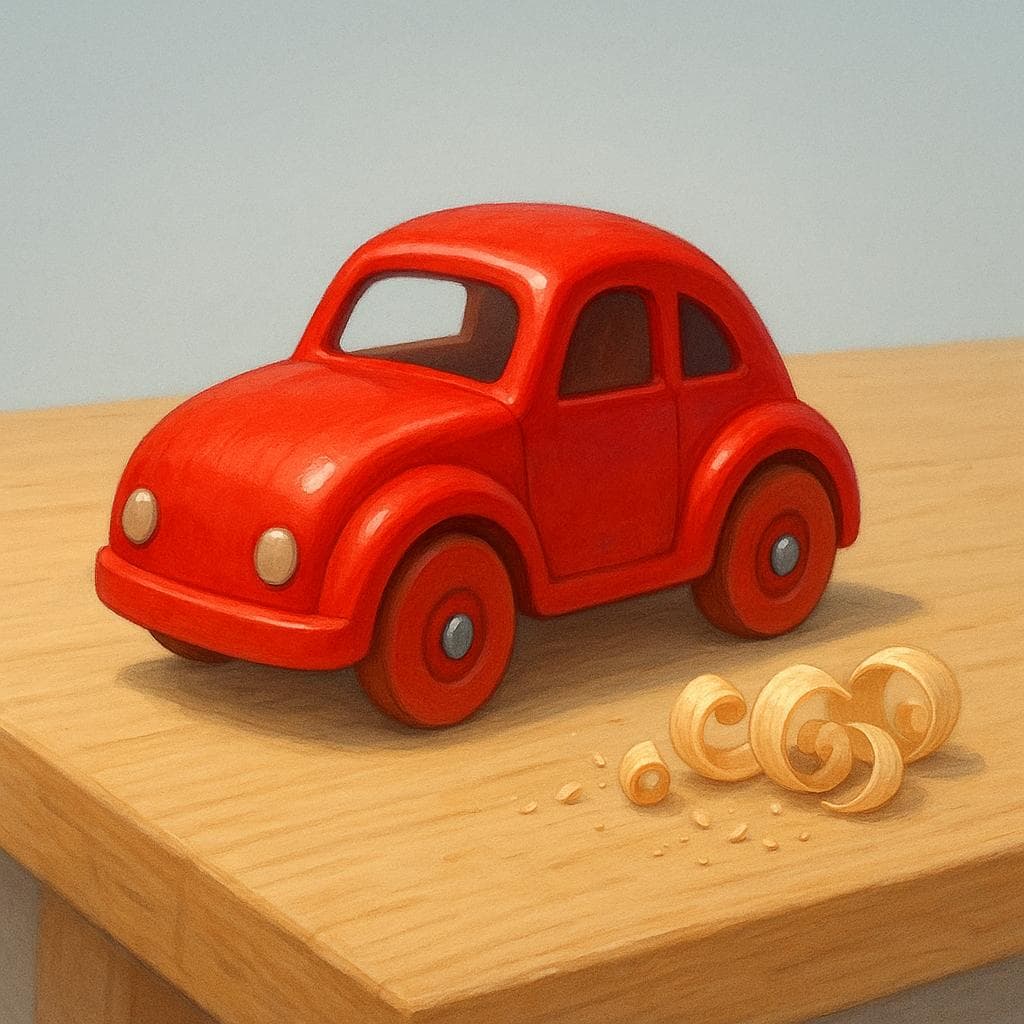

done, finished
Also: ready
📝 In Action
La tarea está hecha, por fin puedo descansar.
A1The homework is done; I can finally rest.
¿La comida ya está hecha? ¡Tengo mucha hambre!
A1Is the food ready yet? I'm very hungry!
made
Also: formed, suited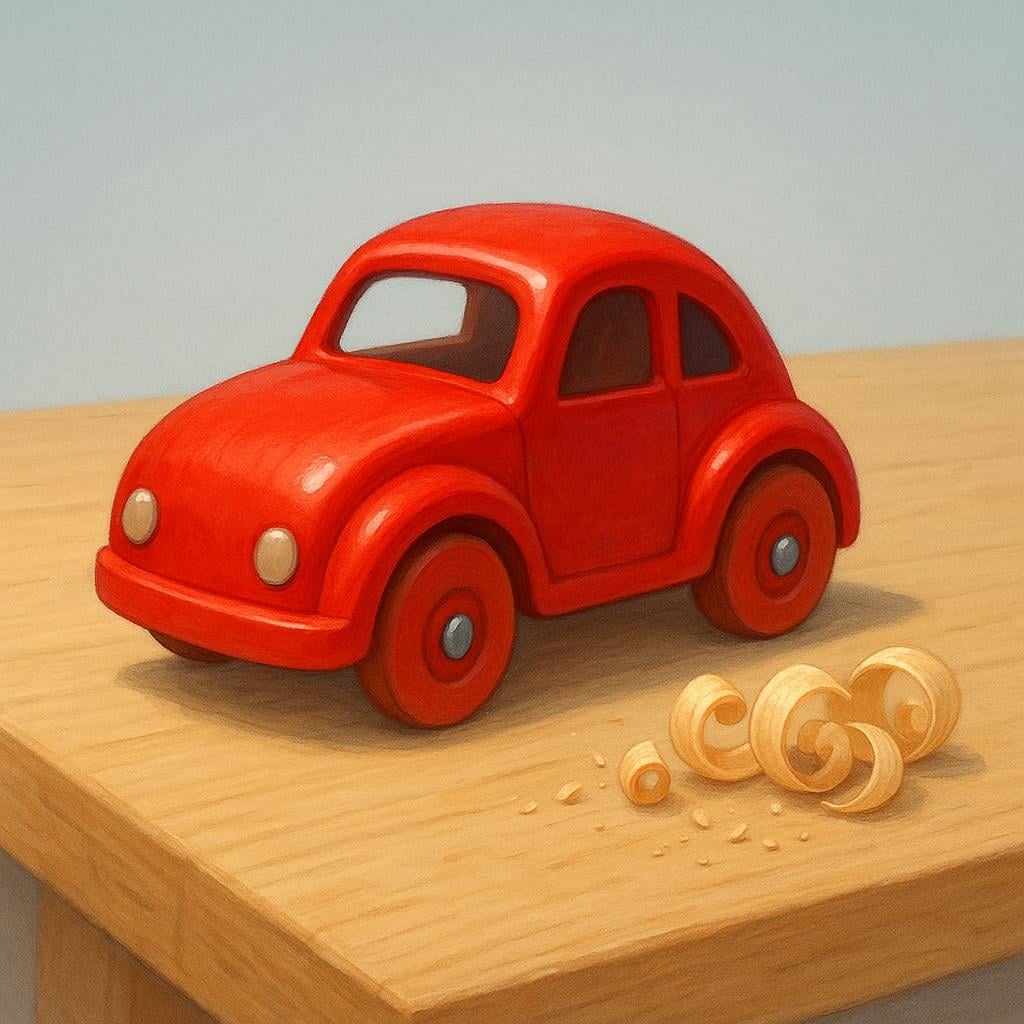
📝 In Action
Esta escultura está hecha de arcilla roja.
B1This sculpture is made of red clay.
Ella parece una persona hecha para la aventura.
B2She seems like a person made/suited for adventure.
exhausted
Also: shattered
📝 In Action
Después de correr la maratón, estaba hecha polvo.
B2After running the marathon, she was absolutely exhausted (made dust).
Tras la noticia, su moral estaba hecha trizas.
C1After the news, her morale was shattered (made shreds).
Translate to Spanish
Words that translate to "hecha" in Spanish:
done→exhausted→finished→formed→made→ready→shattered→suited→✏️ Quick Practice
Quick Quiz: hecha
Question 1 of 2
Which sentence correctly uses 'hecha'?
📚 More Resources
👥 Word Family▼
🎵 Rhymes▼
📚 Etymology▼
'Hecha' comes directly from the Latin word *facta*, which was the feminine form of the past participle of the verb *facere*, meaning 'to do' or 'to make'. Over time, the 'f' sound softened and disappeared, leading to the modern Spanish 'h' (which is silent in this case), and the word evolved into *hecha*.
First recorded: 10th century (as Old Spanish *fecha*)
Cognates (Related words)
💡 Master Spanish
Take your Spanish to the next level. Read 200+ illustrated and narrated Spanish stories tailored to your level with the Inklingo app!
Frequently Asked Questions
Why does 'hecha' have an 'h' if it's pronounced /e.tʃa/?
The 'h' in 'hecha' (and its base verb 'hacer') is silent. It's a remnant from the word's Latin ancestor (*facere*), where the 'f' sound eventually changed into a silent 'h' in Spanish.
Is 'hecha' a verb?
No, not by itself. 'Hecha' is the feminine form of the past participle of the verb 'hacer' (to make/do). It acts like an adjective, describing the state or condition of a feminine noun.