How to Say "breach" in Spanish
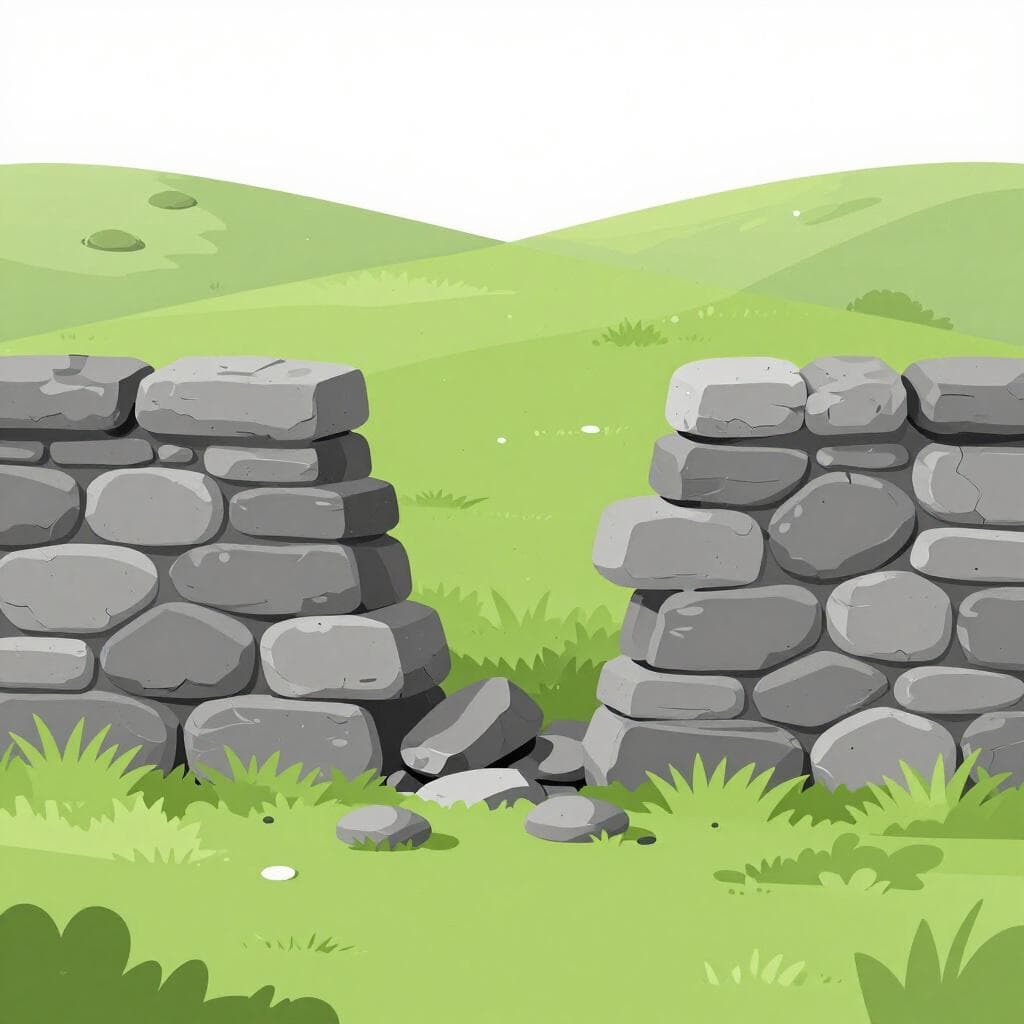
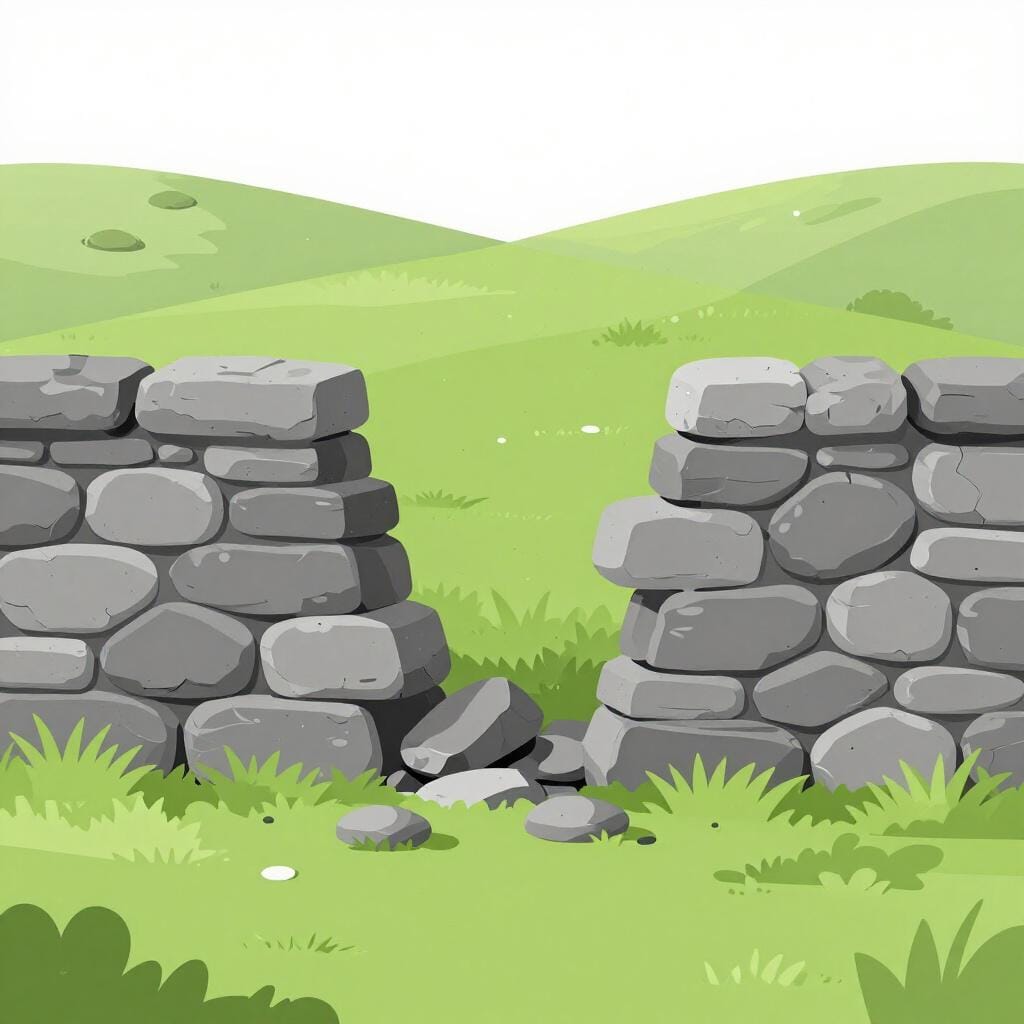
The most common Spanish word for “breach” is “brecha” — use 'brecha' when referring to a physical opening or gap, such as a hole in a wall or a breakthrough in a defense.

brecha
BREH-chahˈbɾet͡ʃa
Examples
Los soldados lograron abrir una brecha en la muralla.
The soldiers managed to open a breach in the wall.
Se hizo una brecha en la cabeza al caerse de la bicicleta.
He got a cut on his head when he fell off the bike.
Hay una pequeña brecha entre las tablas del suelo.
There is a small gap between the floorboards.
Gender and Articles
Brecha is a feminine noun. Always use 'la' or 'una' with it, even though it refers to a sharp or rough opening.
Wounds vs. Cuts
Mistake: “Using 'brecha' for any cut on the body.”
Correction: In a medical sense, 'brecha' is almost exclusively used for deep cuts on the head that likely need stitches. Use 'corte' for general cuts elsewhere.
infracción
Examples
No puedes estacionar aquí, es una infracción.
You can't park here; it's a violation.
ruptura
roop-TOO-rahrupˈtu.ɾa

Examples
Su ruptura después de cinco años fue muy dolorosa.
Their breakup after five years was very painful.
La ruptura de las negociaciones sorprendió a todos los países.
The rupture of negotiations surprised all the countries.
Always Feminine
Since 'ruptura' ends in '-a' and is a feminine noun, you must always use feminine articles and adjectives with it (e.g., 'la ruptura', 'una ruptura difícil').
violación
Examples
La violación de los derechos humanos es un problema global.
The violation of human rights is a global problem.
Physical vs. Abstract Breach
Related Translations
Learn Spanish with Inklingo
Interactive stories, personalized learning, and more.