How to Say "burst" in Spanish
The most common Spanish word for “burst” is “ruptura” — use 'ruptura' when referring to the breaking or tearing of something solid, like a bone, a pipe, or a container.
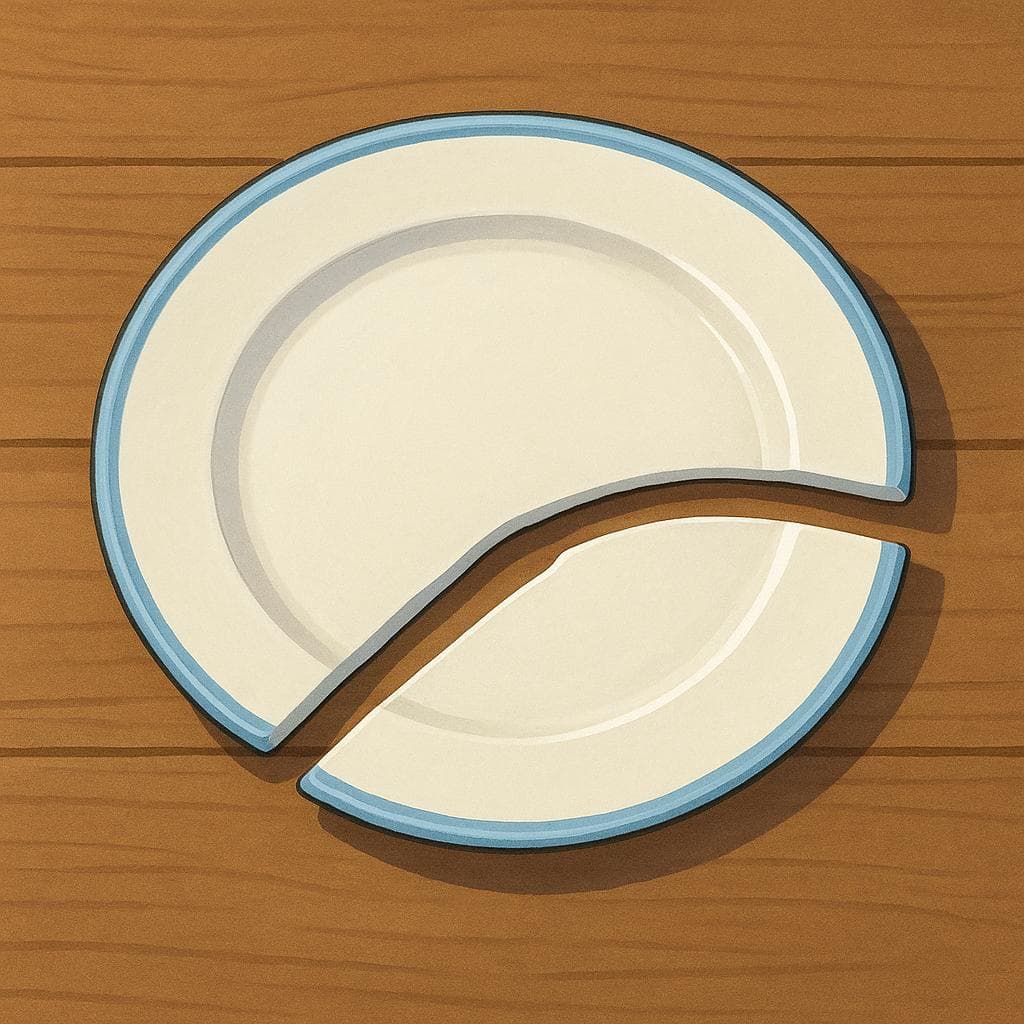


ruptura
roop-TOO-rahrupˈtu.ɾa

Examples
El globo explotó con un sonido fuerte, pero no hubo ruptura de ningún objeto.
The balloon popped with a loud sound, but there was no burst of any object.
El doctor confirmó la ruptura del hueso.
The doctor confirmed the fracture of the bone.
Tuvimos que reparar la ruptura en la tubería de agua.
We had to repair the break in the water pipe.
Using 'rotura' vs 'ruptura'
Mistake: “Using 'rotura' for a relationship breakup.”
Correction: 'Rotura' is often preferred for simple physical breaks (like a broken glass), while 'ruptura' is used for bone fractures, ligament tears, and all figurative breaks (relationships, diplomacy, etc.).
ráfaga
Examples
Una ráfaga de risas interrumpió el silencio de la biblioteca.
A burst of laughter interrupted the silence of the library.
pop
pohppop
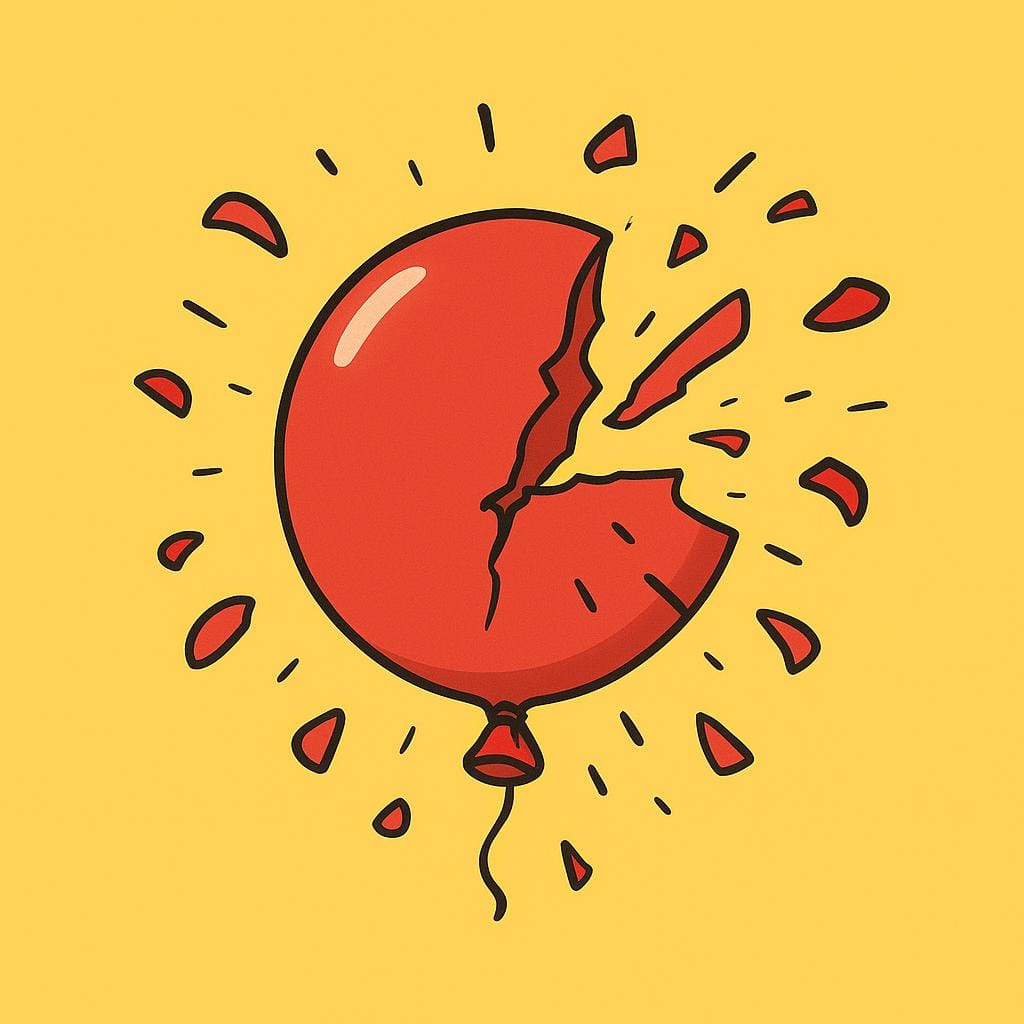
Examples
Escuchamos un pop cuando la bolsa de aire se infló.
We heard a pop when the airbag inflated.
Hizo un pop cuando abrimos la botella de cava.
It made a pop when we opened the bottle of sparkling wine.
Escuché el pop de los fuegos artificiales a lo lejos.
I heard the pop of the fireworks far away.
Sound Word
'Pop' is often used here as a way to write down the sound itself (an onomatopoeia), making it a very descriptive noun.
salva
SAHL-vahˈsalβa

Examples
El público estalló en una salva de aplausos al final de la presentación.
The audience erupted in a burst of applause at the end of the presentation.
Al final de la obra, el público rompió en una salva de aplausos.
At the end of the play, the audience broke into a burst of applause.
El barco disparó una salva en honor al presidente.
The ship fired a salute in honor of the president.
Feminine Noun
Remember this noun is always feminine, requiring 'la' or 'una'. (e.g., 'una salva fuerte').
Sound vs. Sudden Event
Related Translations
Learn Spanish with Inklingo
Interactive stories, personalized learning, and more.