pop
“pop” means “pop music” in Spanish. It has 3 different meanings depending on context:
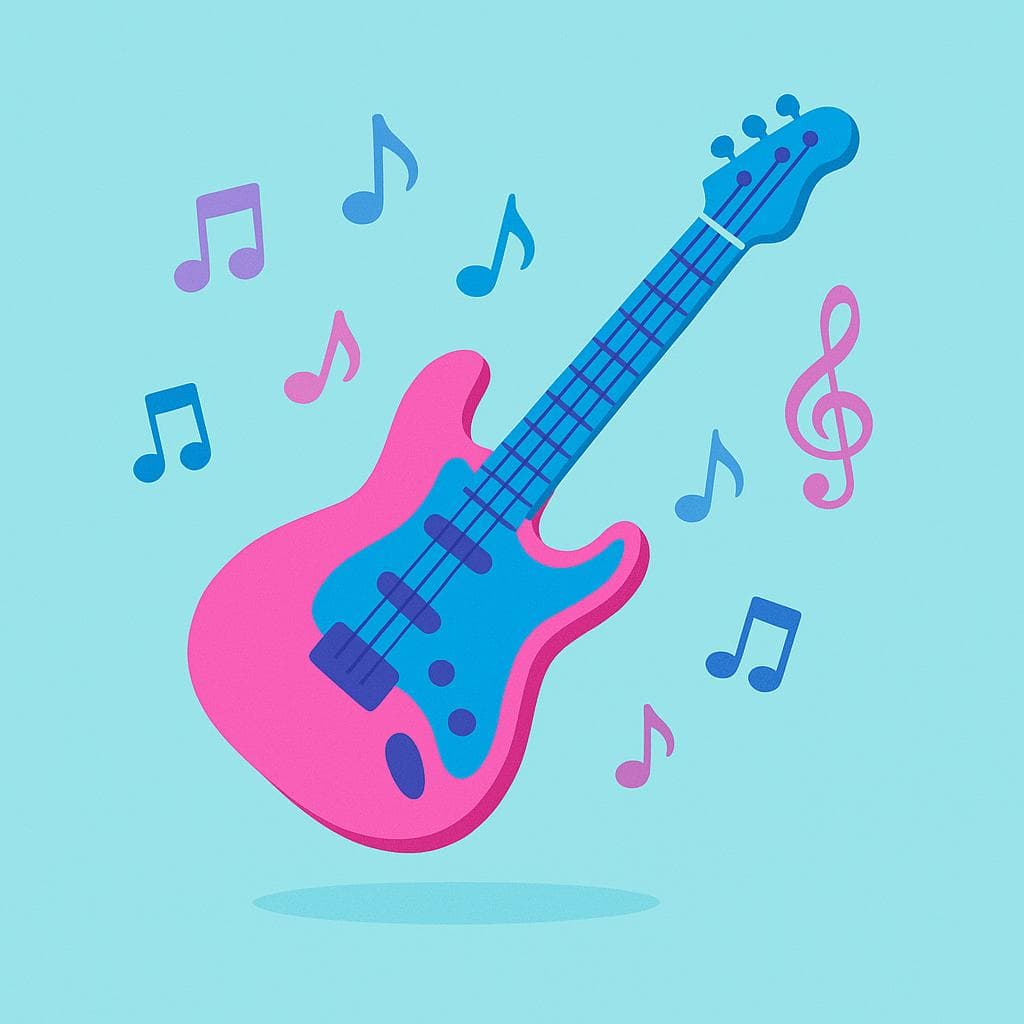

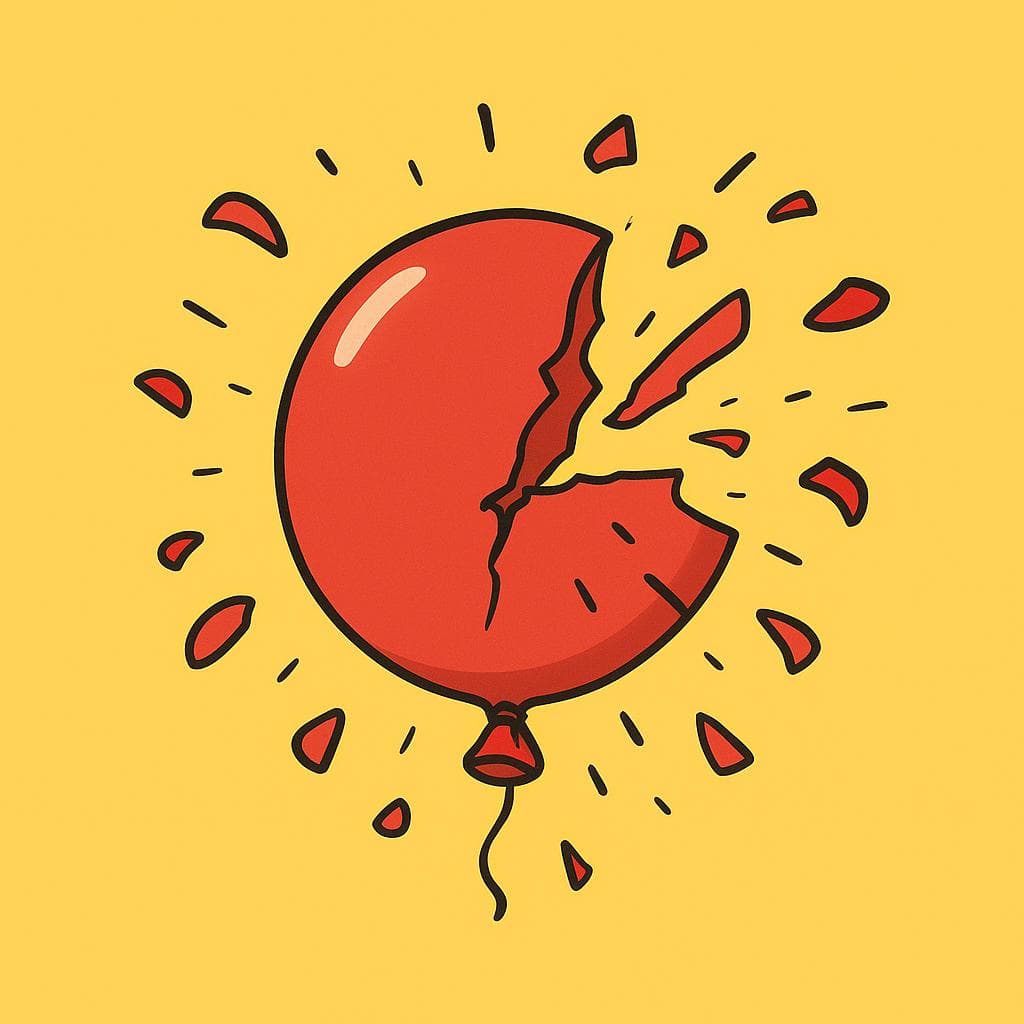
pop musicAlso: pop

📝 In Action
Mi hermana solo escucha pop, no le gusta el rock.
A1My sister only listens to pop (music); she doesn't like rock.
El pop latino tiene mucha influencia en Estados Unidos.
A2Latin pop has a lot of influence in the United States.
Word Connections
popAlso: popular

📝 In Action
Esa banda tiene un sonido muy pop.
A2That band has a very pop sound.
El arte pop de Andy Warhol es famoso en todo el mundo.
B1Andy Warhol's pop art is famous worldwide.
Word Connections
popAlso: snap, burst

📝 In Action
Hizo un pop cuando abrimos la botella de cava.
B1It made a pop when we opened the bottle of sparkling wine.
Escuché el pop de los fuegos artificiales a lo lejos.
B2I heard the pop of the fireworks far away.
Word Connections
✏️ Quick Practice
Quick Quiz: pop
Question 1 of 1
Which sentence uses 'pop' as an adjective?
📚 More Resources
👥 Word Family
🎵 Rhymes
📚 Etymology
A direct borrowing from the English word 'pop,' which itself is a shortening of 'popular' (for music/culture) or an imitation of a sharp sound (onomatopoeia). It entered Spanish usage primarily through the influence of global music trends.
First recorded: Mid-20th century
Cognates (Related words)
💡 Master Spanish
Take your Spanish to the next level. Read 200+ illustrated and narrated Spanish stories tailored to your level with the Inklingo app!
Frequently Asked Questions
Does 'pop' change based on whether I'm talking about a male or female artist?
No, when 'pop' is used as an adjective (like 'artista pop'), it almost always stays the same, regardless of gender or number. You would say 'el artista pop' and 'la artista pop'.
Is 'pop' the same as 'música popular'?
Yes, 'pop' is the common, short way to refer to 'música popular' (popular music). When you use 'pop' alone, everyone understands you mean the music genre.