ruptura
“ruptura” means “breakup” in Spanish. It has 3 different meanings depending on context:

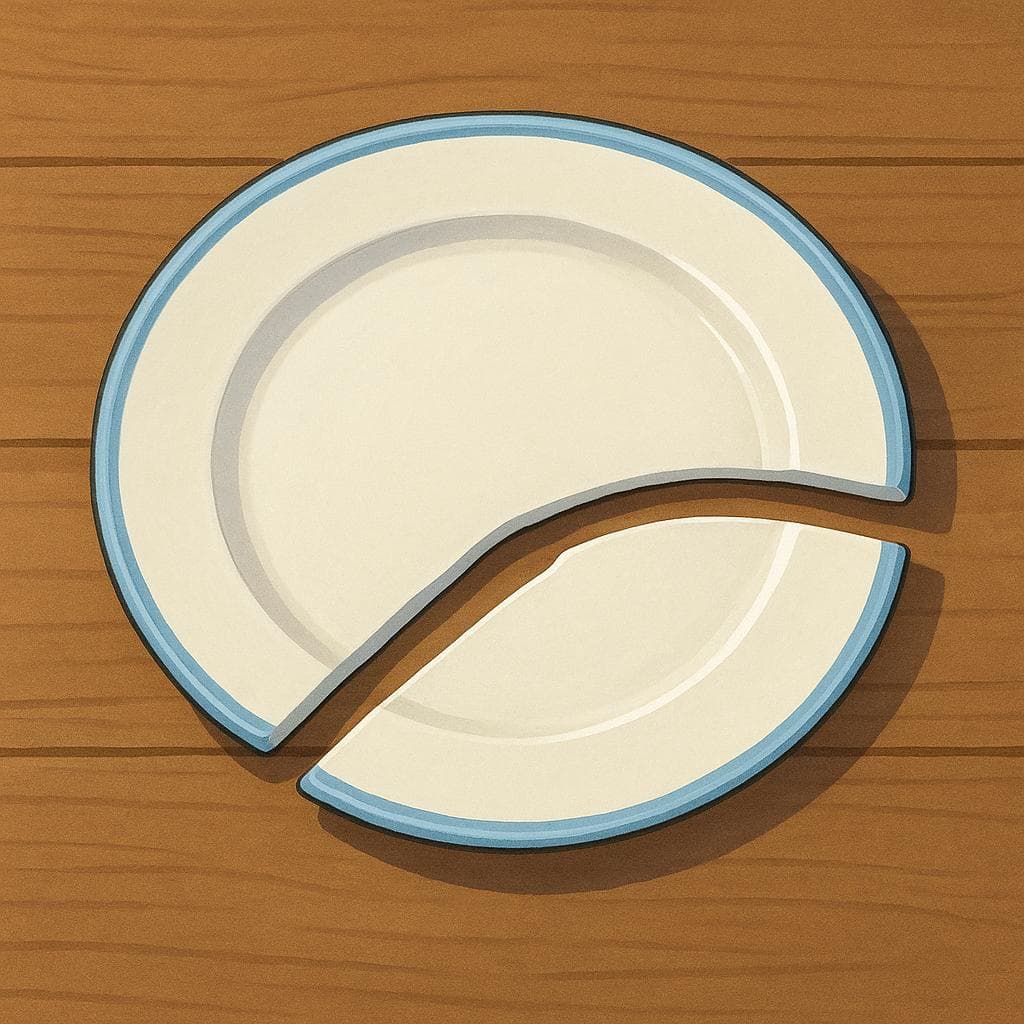
breakup, splitAlso: rupture, breach

📝 In Action
Su ruptura después de cinco años fue muy dolorosa.
B1Their breakup after five years was very painful.
La ruptura de las negociaciones sorprendió a todos los países.
B2The rupture of negotiations surprised all the countries.
Word Connections
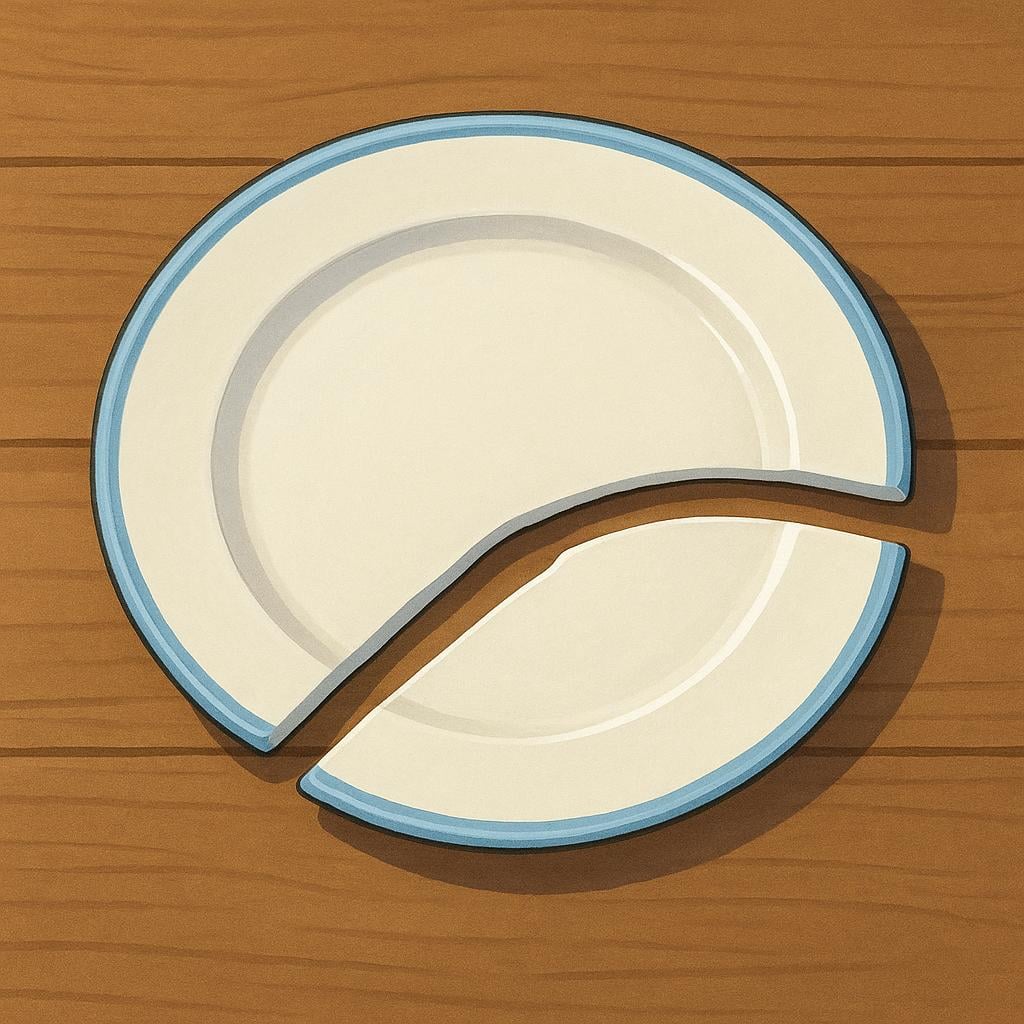
break, fractureAlso: tear, burst
📝 In Action
El doctor confirmó la ruptura del hueso.
B1The doctor confirmed the fracture of the bone.
Tuvimos que reparar la ruptura en la tubería de agua.
A2We had to repair the break in the water pipe.
Word Connections
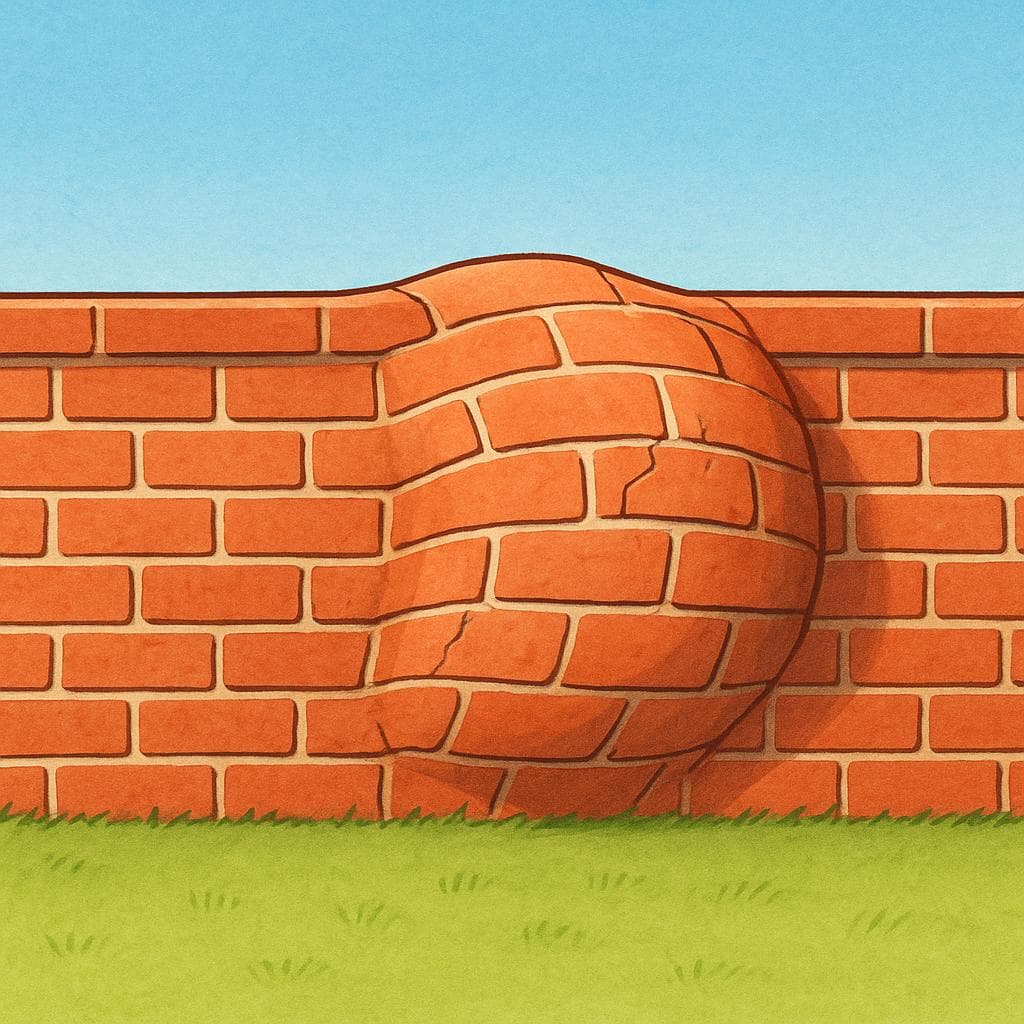
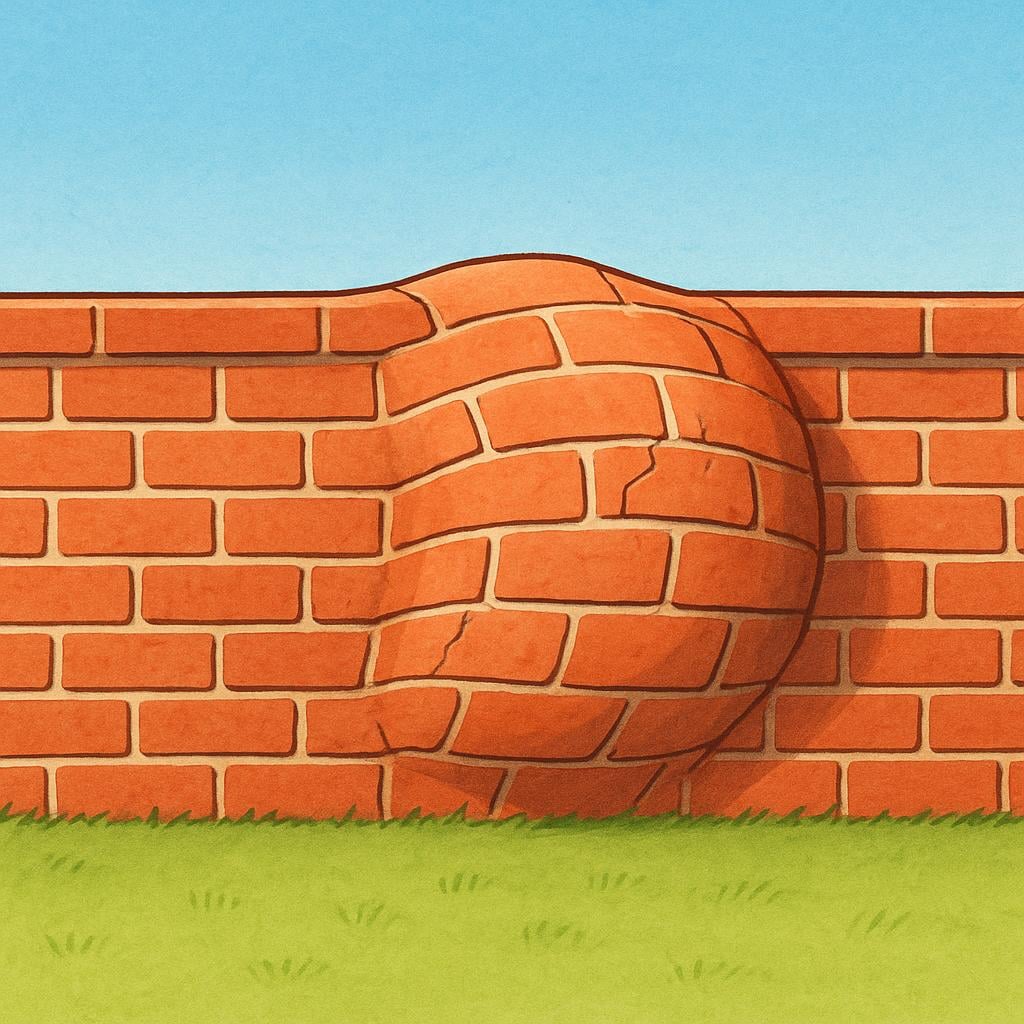
break (with tradition), schismAlso: disruption
📝 In Action
El nuevo movimiento artístico supuso una ruptura con el clasicismo.
C1The new artistic movement meant a break with classicism.
La caída del muro significó una ruptura histórica en la política global.
C2The fall of the wall signified a historic break in global politics.
Word Connections
Vocabulary Collections
Translate to Spanish
✏️ Quick Practice
Quick Quiz: ruptura
Question 1 of 2
Which translation of 'ruptura' is correct in the sentence: 'La ruptura del tendón fue grave.'
📚 More Resources
👥 Word Family
📚 Etymology
Comes directly from the Latin word *ruptura*, which meant 'a breaking' or 'a fracture.' It shares its root with English words like 'rupture' and 'interrupt.'
First recorded: 15th century
Cognates (Related words)
💡 Master Spanish
Take your Spanish to the next level. Read 200+ illustrated and narrated Spanish stories tailored to your level with the Inklingo app!
Frequently Asked Questions
Is there a difference between 'ruptura' and 'rotura'?
'Ruptura' is the more formal and general term, used for serious physical breaks (like bones or ligaments) and almost always for figurative breaks (relationships, contracts, diplomacy). 'Rotura' is often used for simpler, everyday physical breaks, like a broken plate or a hole in clothing.
How do I express 'to have a breakup' in Spanish?
You usually use the verb 'tener' (to have) or 'sufrir' (to suffer) followed by 'una ruptura': 'Tuvieron una ruptura' (They had a breakup). Alternatively, you use the verb 'romper': 'Ellos rompieron' (They broke up).