divorcio
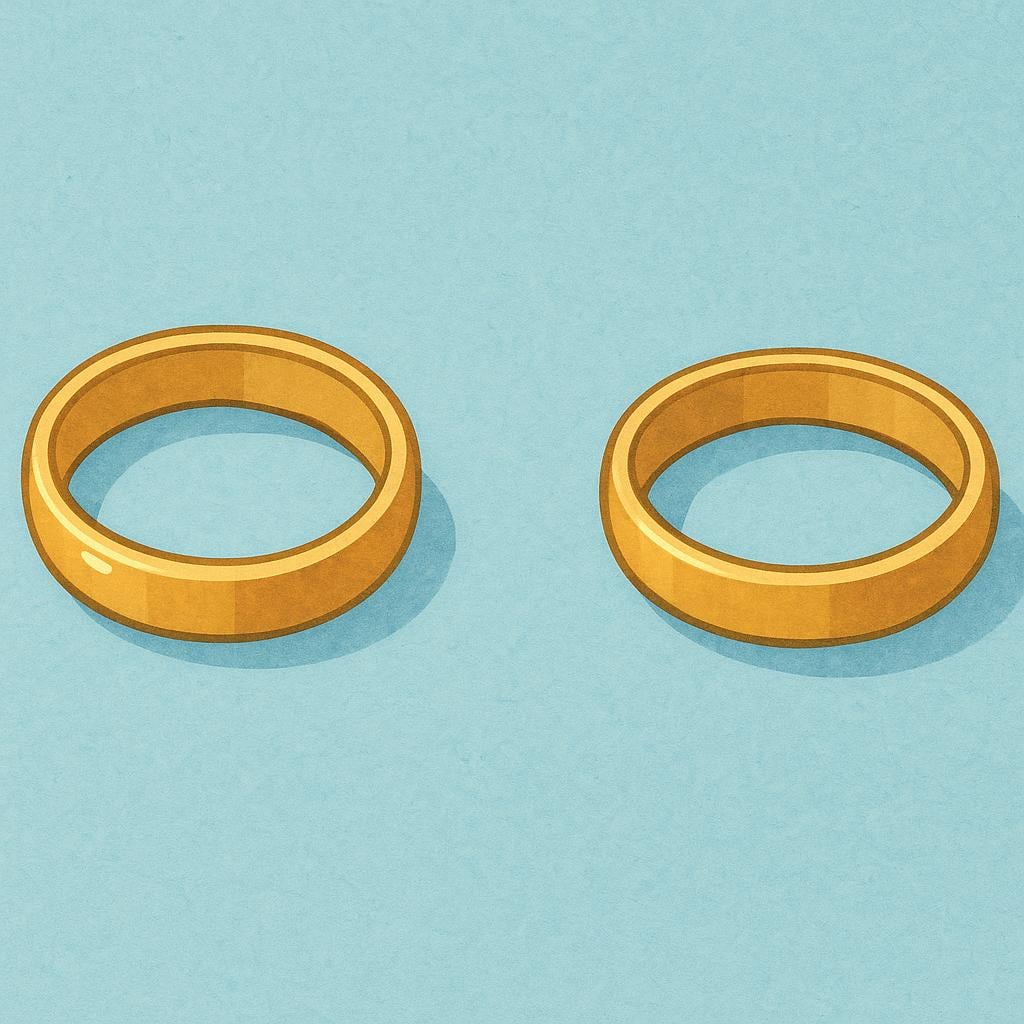
“divorcio” means “divorce” in Spanish (The legal termination of a marriage).
divorceAlso: separation
📝 In Action
El divorcio fue un proceso largo y difícil para ambos.
A2The divorce was a long and difficult process for both of them.
Después de veinte años de matrimonio, decidieron pedir el divorcio.
B1After twenty years of marriage, they decided to file for divorce.
El abogado se especializa en casos de divorcio sin culpa.
B2The lawyer specializes in no-fault divorce cases.
Word Connections
Translate to Spanish
Words that translate to "divorcio" in Spanish:
✏️ Quick Practice
Quick Quiz: divorcio
Question 1 of 2
Which verb is most commonly used when talking about initiating the legal process of 'divorcio'?
📚 More Resources
👥 Word Family
📚 Etymology
The word comes from the Latin term *divortium*, which meant 'separation' or 'parting,' specifically referring to the breaking up of a marriage. It entered Spanish with this legal meaning.
First recorded: Medieval period (similar forms attested from 13th century)
Cognates (Related words)
💡 Master Spanish
Take your Spanish to the next level. Read 200+ illustrated and narrated Spanish stories tailored to your level with the Inklingo app!
Frequently Asked Questions
Is 'divorcio' the same as 'separación'?
While they are related, 'divorcio' is the legal ending of the marriage. 'Separación' often refers to the couple living apart, which may or may not lead to a formal 'divorcio'.
How do I say 'divorce rate' in Spanish?
You would say 'la tasa de divorcio' or 'el índice de divorcios'. Remember to use the plural 'divorcios' when talking about rates or statistics.