cierre
“cierre” means “closing” in Spanish. It has 2 different meanings depending on context:

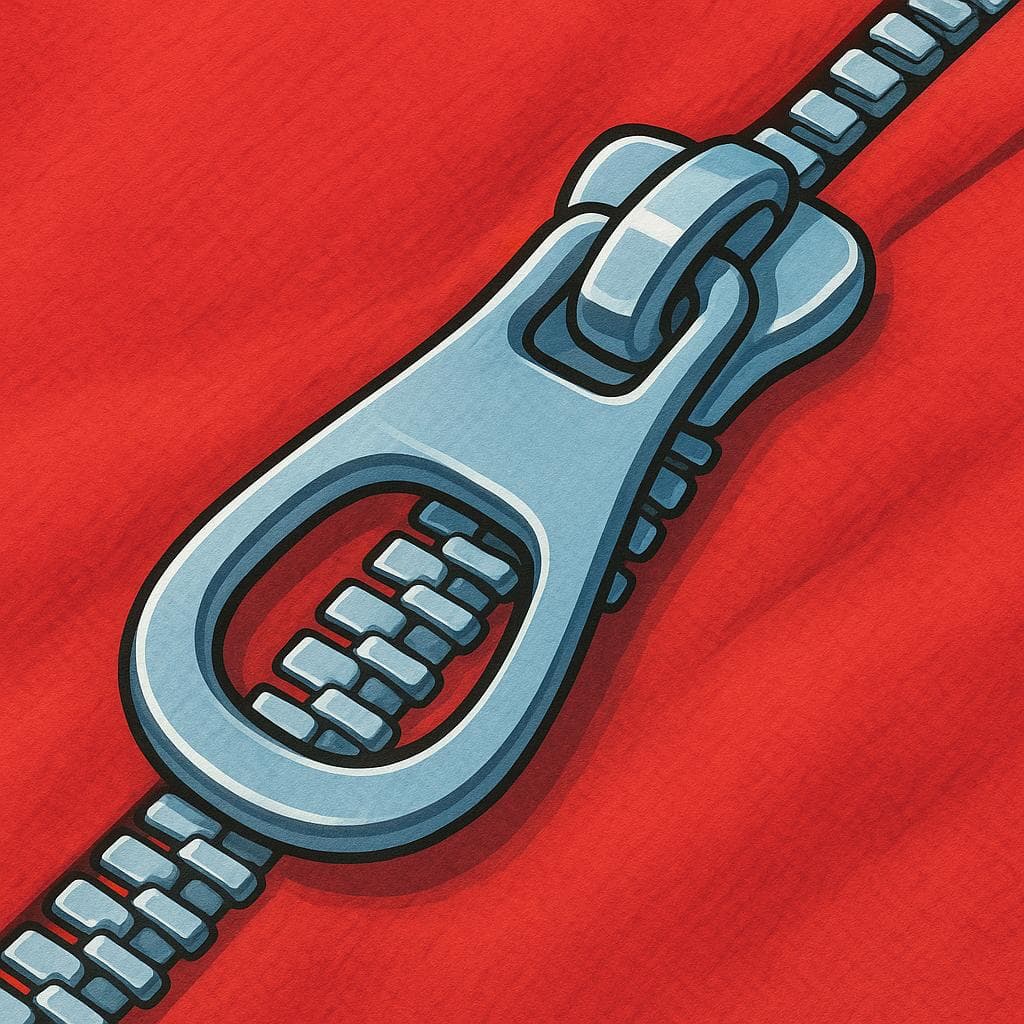
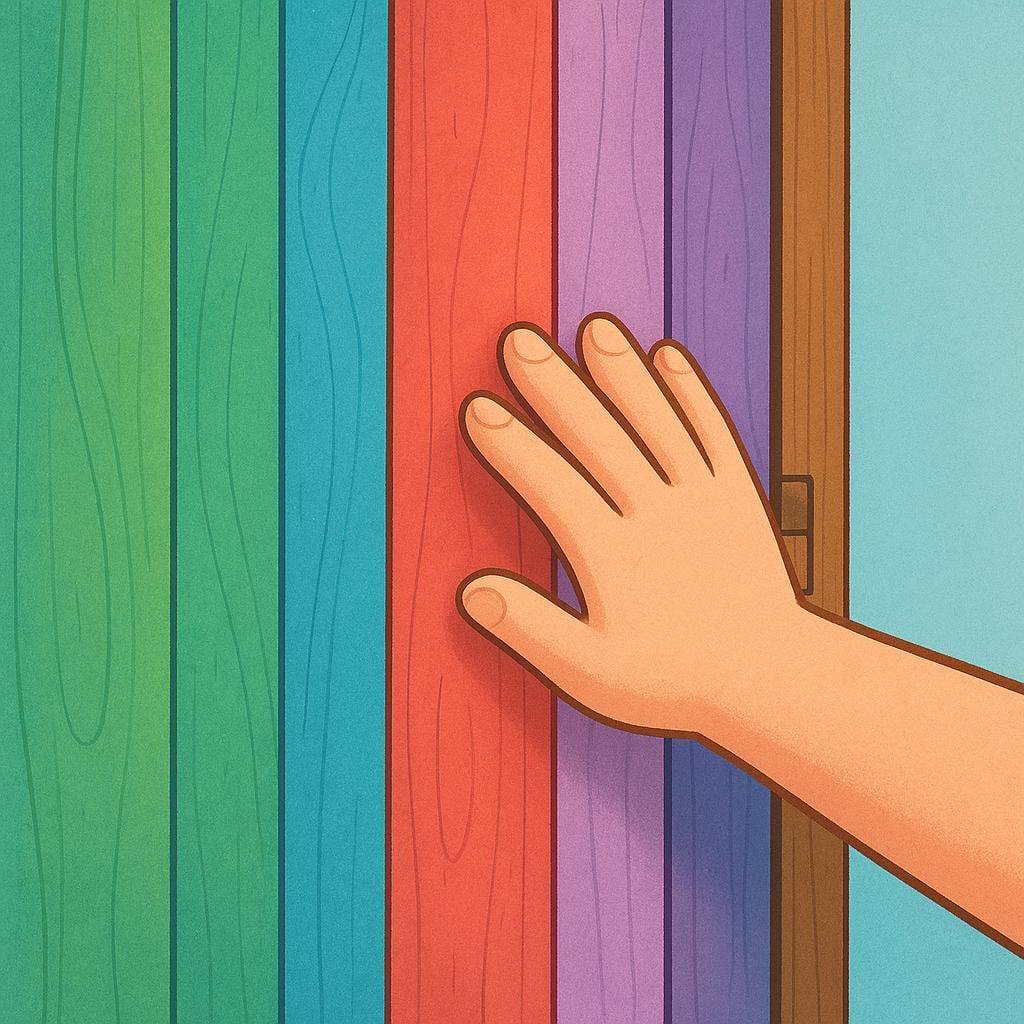
closing, closureAlso: end
📝 In Action
El cierre del museo es a las seis de la tarde.
A1The closing of the museum is at six in the evening.
Hubo una protesta por el cierre de la fábrica.
A2There was a protest about the closure of the factory.
El presidente dio el discurso de cierre de la conferencia.
B1The president gave the closing speech for the conference.
Word Connections
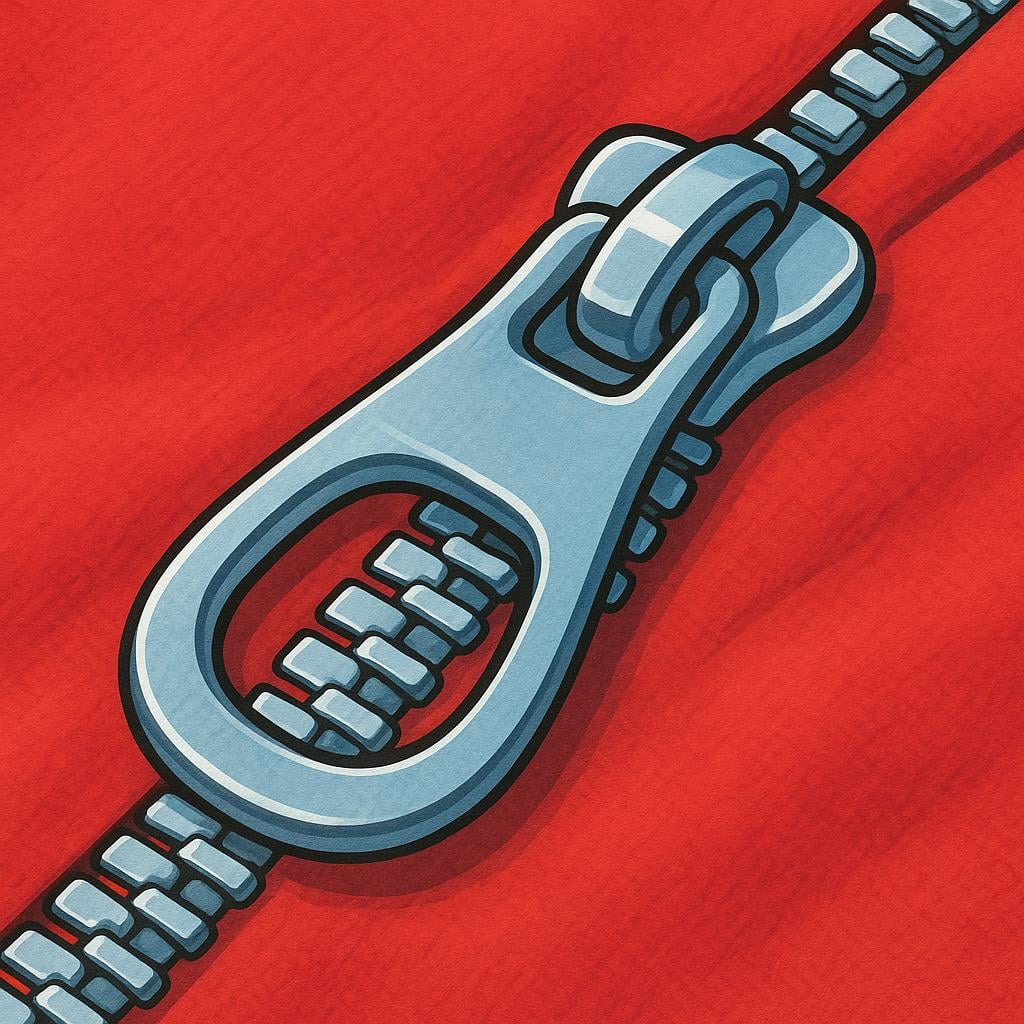
zipper, fastenerAlso: clasp
📝 In Action
El cierre de mi chaqueta está roto.
A2The zipper on my jacket is broken.
Olvidé subir el cierre de mi pantalón.
B1I forgot to pull up the zipper on my pants.
Asegúrate de que el cierre de la maleta esté bien puesto.
B2Make sure the fastener/clasp on the suitcase is properly secured.
Word Connections
Translate to Spanish
✏️ Quick Practice
Quick Quiz: cierre
Question 1 of 2
Which sentence uses 'cierre' to mean a physical object?
📚 More Resources
📚 Etymology
The word 'cierre' comes directly from the verb 'cerrar' (to close), which itself traces back to the Late Latin verb *serare*, meaning 'to bar' or 'to bolt.'
First recorded: Medieval Spanish
Cognates (Related words)
💡 Master Spanish
Take your Spanish to the next level. Read 200+ illustrated and narrated Spanish stories tailored to your level with the Inklingo app!
Frequently Asked Questions
If 'cierre' means 'zipper,' why do I also hear 'cremallera'?
'Cierre' is a general term for any closing mechanism, including a zipper. 'Cremallera' is the specific, often preferred term for the toothed fastener (zipper), especially in Spain.
Is 'cierre' related to the verb 'cerrar'?
Absolutely! 'Cierre' is the noun that describes the action or result of 'cerrar' (to close). It's also the 'yo' form of the present subjunctive of 'cerrar' ('que yo cierre'), but the noun is far more common.