How to Say "opening" in Spanish
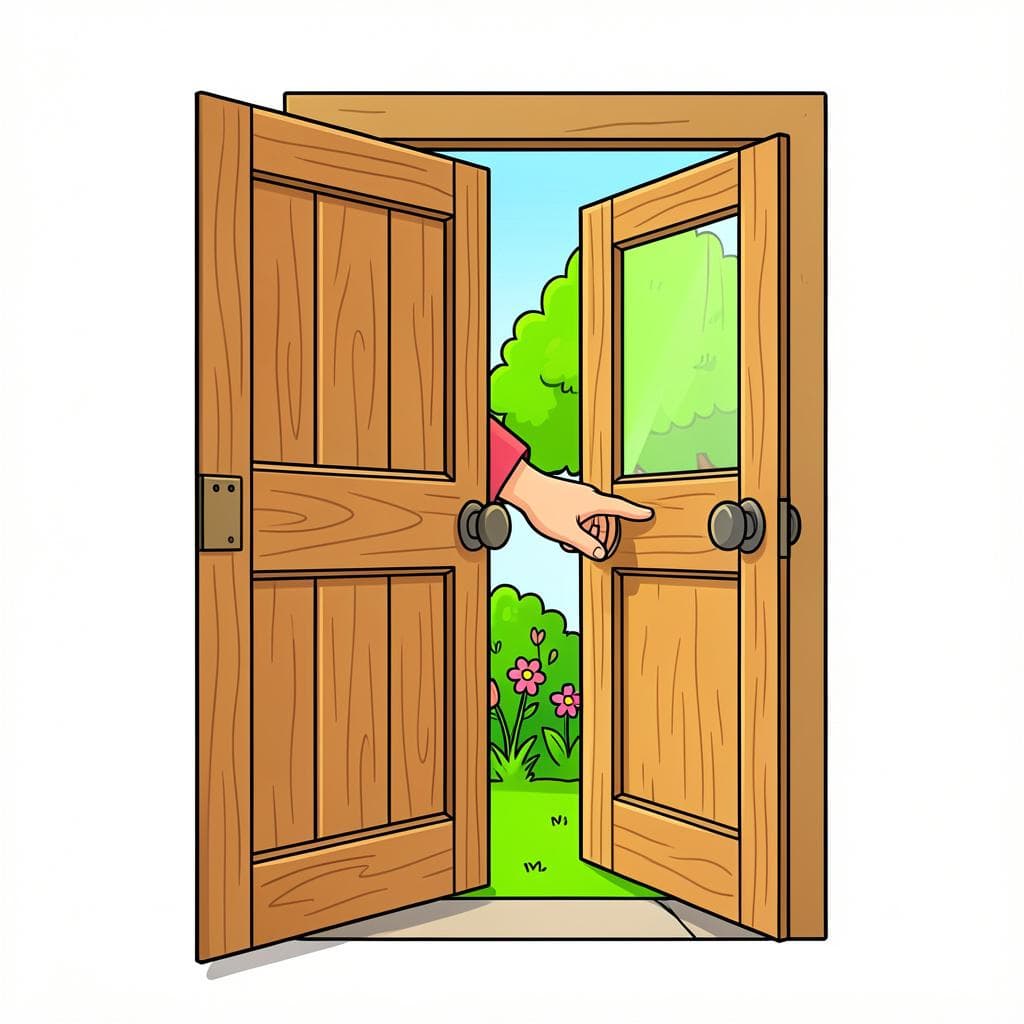
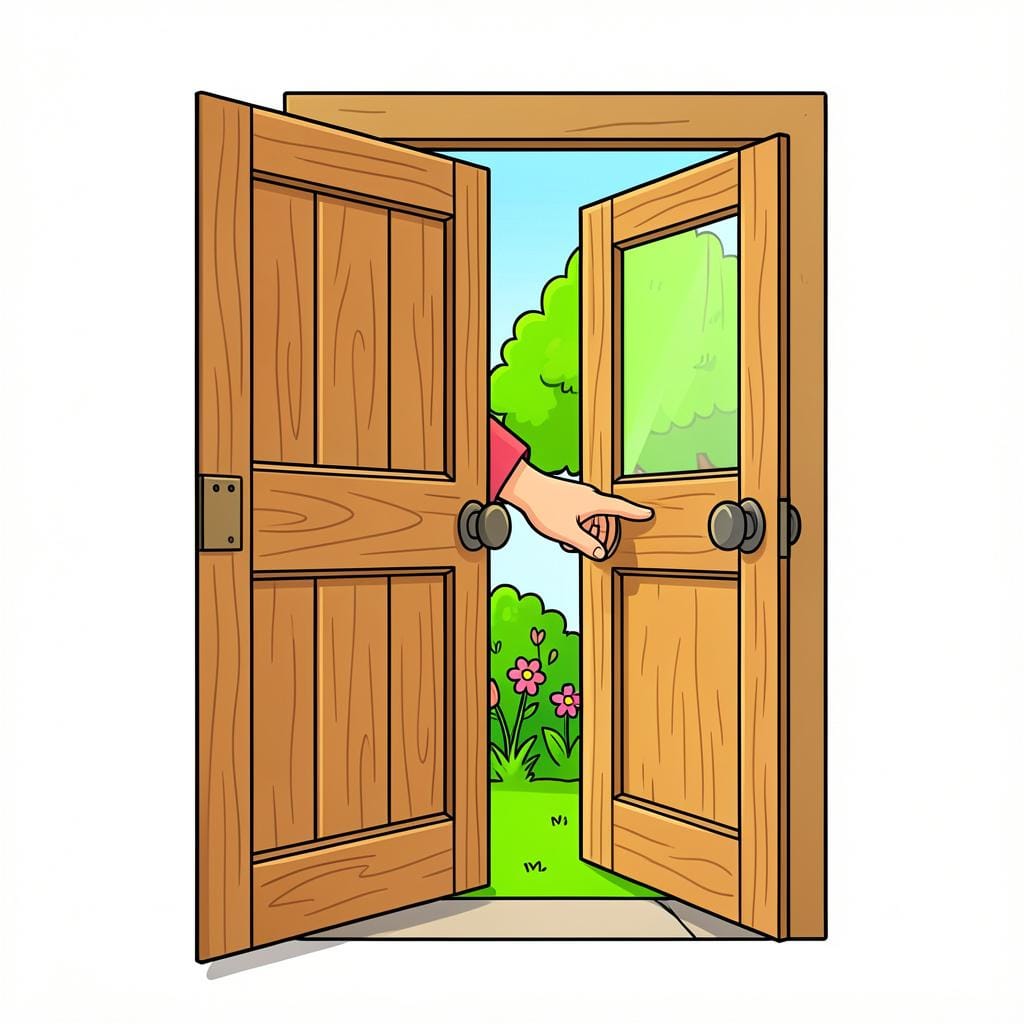
The most common Spanish word for “opening” is “abriendo” — use 'abriendo' when referring to the physical action of moving something to an open position, like a door or window.









abriendo
ah-bree-ehn-dohaˈβɾjendo
Examples
Estoy abriendo la puerta para que entre el aire fresco.
I am opening the door to let the fresh air in.
Estoy abriendo la ventana porque hace calor.
I am opening the window because it is hot.
Ella está abriendo su propia tienda de ropa.
She is opening (starting) her own clothing store.
Fuimos abriendo todas las cajas poco a poco.
We were opening all the boxes little by little.
The '-ing' Form
In Spanish, for verbs ending in -ir like 'abrir,' you replace the ending with '-iendo' to show an action is happening right now.
Using 'abriendo' alone
Mistake: “Yo abriendo la puerta.”
Correction: Say 'Estoy abriendo la puerta.' You usually need a word like 'estoy' (I am) before it to make a full sentence.
agujero
ah-goo-HEH-roha.ɣuˈxe.ɾo
Examples
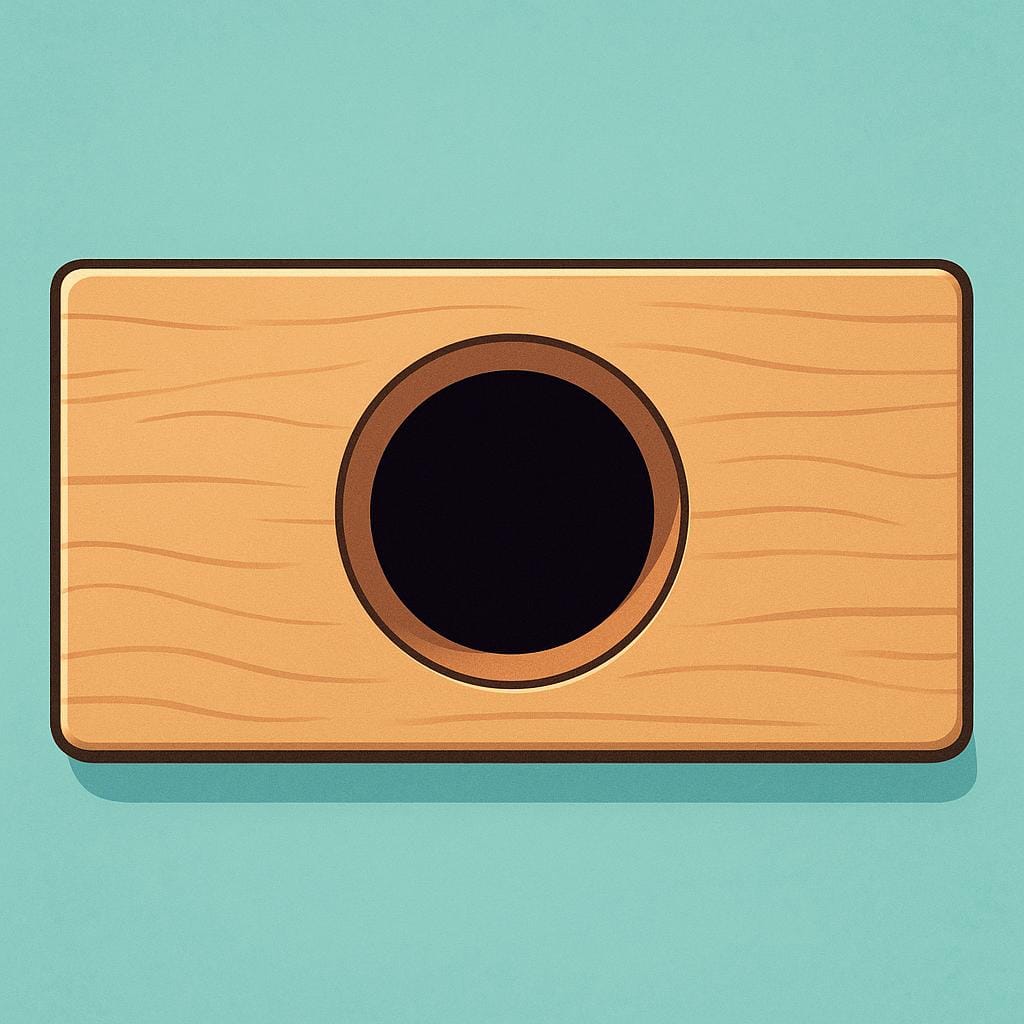
Se hizo un agujero en el calcetín.
A hole was made in the sock.
Hay un agujero enorme en la pared del sótano.
There is an enormous hole in the basement wall.
Necesito coser el agujero de mi calcetín antes de ponérmelo.
I need to sew the hole in my sock before putting it on.
Tuvimos que tapar el agujero para que no entraran los insectos.
We had to cover the opening so the insects wouldn't come in.
Masculine Noun
Even though 'agujero' ends in '-o', it follows the common rule that things (nouns) are male (masculine) in Spanish, so you always use 'el' or 'un' with it.
Confusing 'Agujero' and 'Hoyo'
Mistake: “Using 'agujero' when referring specifically to a deep, large hole in the ground.”
Correction: 'Hoyo' is usually better for pits or holes dug in the earth. 'Agujero' is generally used for holes *through* something (a wall, paper, cloth).
abertura
ah-behr-TOO-rahaβerˈtuɾa
Examples
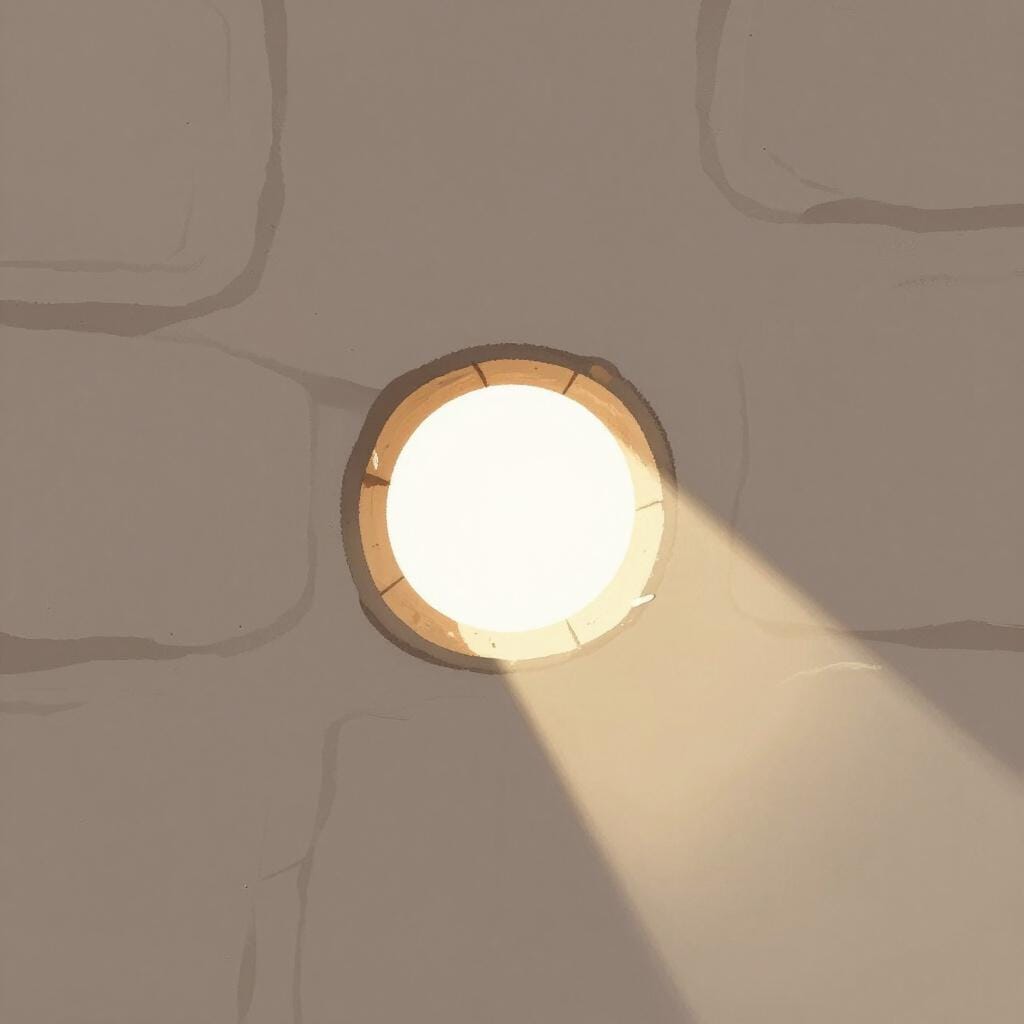
Hay una pequeña abertura en la tela.
There is a small opening in the fabric.
Hay una pequeña abertura en la pared por donde entra el frío.
There is a small opening in the wall where the cold comes in.
La falda tiene una abertura lateral muy elegante.
The skirt has a very elegant side slit.
Los escaladores encontraron una abertura entre las rocas.
The climbers found a gap between the rocks.
Always Feminine
Even though it starts with 'a', it doesn't follow the 'el agua' rule because the stress is not on the first 'a'. Always say 'la abertura' or 'una abertura'.
Physical vs. Action
Use this word to describe the physical hole itself, not the act of opening something.
Abertura vs. Apertura
Mistake: “La abertura de la nueva tienda es mañana.”
Correction: La apertura de la nueva tienda es mañana. Use 'apertura' for events or ceremonies, and 'abertura' for physical holes/gaps.
apertura
ah-per-TOO-rahapeɾˈtuɾa

Examples
La apertura del museo fue un gran evento.
The opening of the museum was a big event.
La apertura de la nueva tienda será el próximo lunes.
The opening of the new store will be next Monday.
Asistimos a la ceremonia de apertura de los Juegos Olímpicos.
We attended the opening ceremony of the Olympic Games.
La apertura del curso escolar es en septiembre.
The start of the school year is in September.
Always Feminine
Even though it starts with an 'a', you still say 'la apertura'. Unlike words like 'agua', the stress is on the 'tu', not the first 'a', so the article doesn't change.
Apertura vs. Abrir
Mistake: “La apertura de la puerta fue difícil.”
Correction: La acción de abrir la puerta fue difícil.
Apertura vs. Abertura
Mistake: “La abertura de la cámara.”
Correction: La apertura de la cámara.
brecha
BREH-chahˈbɾet͡ʃa
Examples
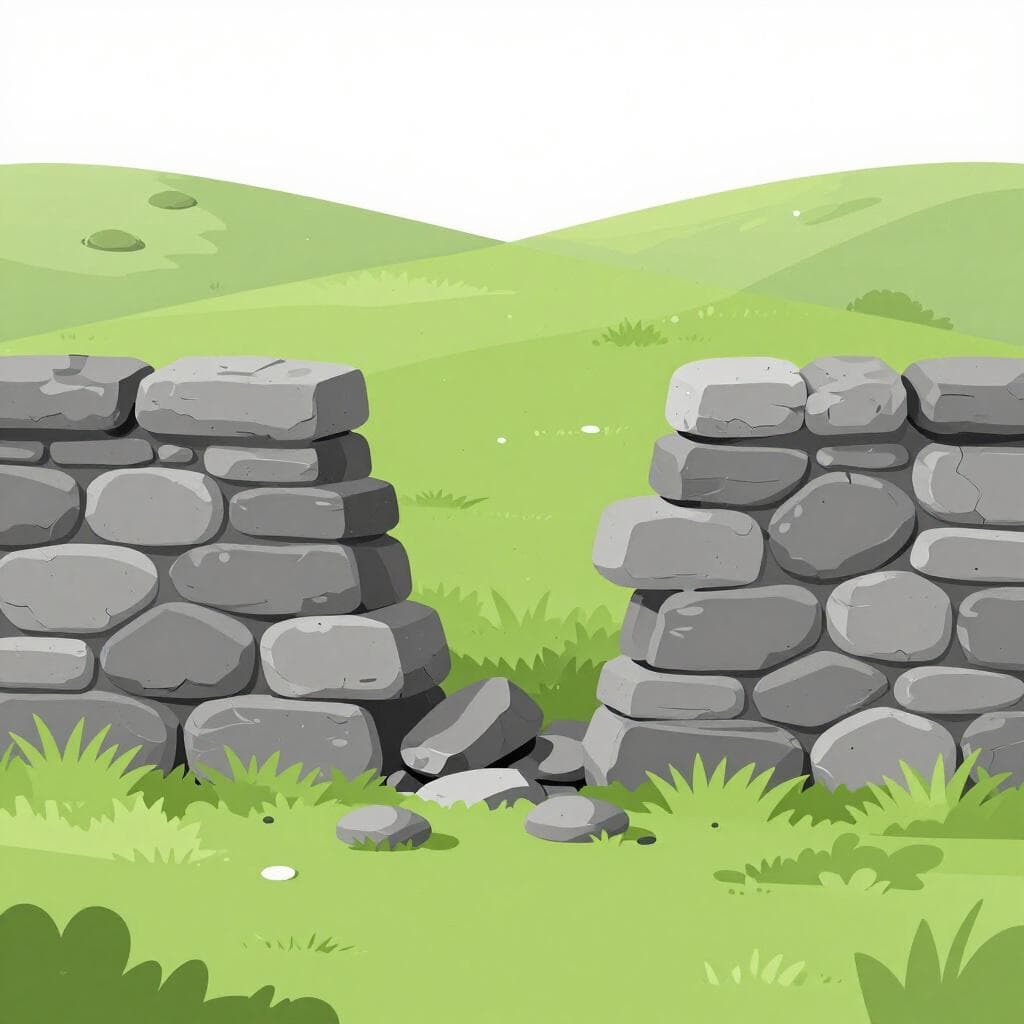
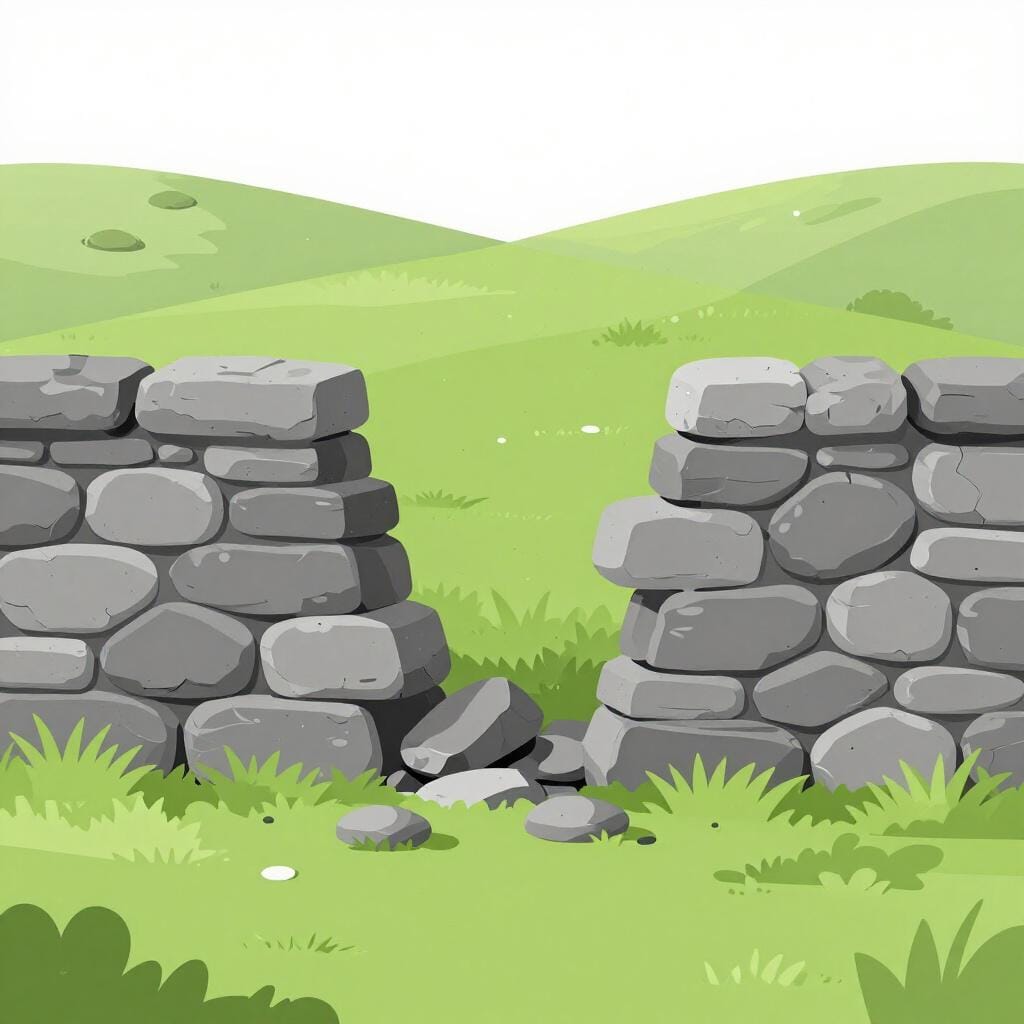
Los ladrones abrieron una brecha en la pared.
The thieves made a breach in the wall.
Los soldados lograron abrir una brecha en la muralla.
The soldiers managed to open a breach in the wall.
Se hizo una brecha en la cabeza al caerse de la bicicleta.
He got a cut on his head when he fell off the bike.
Hay una pequeña brecha entre las tablas del suelo.
There is a small gap between the floorboards.
Gender and Articles
Brecha is a feminine noun. Always use 'la' or 'una' with it, even though it refers to a sharp or rough opening.
Wounds vs. Cuts
Mistake: “Using 'brecha' for any cut on the body.”
Correction: In a medical sense, 'brecha' is almost exclusively used for deep cuts on the head that likely need stitches. Use 'corte' for general cuts elsewhere.
hueco
WAY-kohˈw̝e.ko

Examples
¿Tienes un hueco para hablar esta tarde?
Do you have a free slot to talk this afternoon?
¿Tienes un hueco para tomar café mañana?
Do you have a free moment/slot to grab coffee tomorrow?
Si encuentro un hueco en mi agenda, te llamo.
If I find an opening in my schedule, I'll call you.
Figurative Use
Think of this use as a 'gap' or 'hole' in your time. It’s a very natural way to talk about availability.
vacante
ba-KAN-tehbaˈkante

Examples
La empresa tiene una vacante para un ingeniero.
The company has a vacancy for an engineer.
Hay una vacante para el puesto de recepcionista.
There is a vacancy for the receptionist position.
Solicité la vacante en el departamento de marketing.
I applied for the opening in the marketing department.
Lamentablemente, no quedan vacantes en este colegio.
Unfortunately, there are no spots left in this school.
Gender and Endings
Even though it ends in 'e', when it refers to a job opening, it is almost always feminine: 'la vacante'.
Plural Form
To make it plural, just add an 's' to the end: 'las vacantes'.
Vacante vs. Vacío
Mistake: “Using 'vacante' for an empty glass of water.”
Correction: Use 'vacío' for physical containers and 'vacante' for jobs or seats. Say 'El vaso está vacío' not 'El vaso está vacante'.
iniciales
ee-nee-syah-lessiniˈsjales

Examples
Las fases iniciales del proyecto requieren mucha planificación.
The initial phases of the project require a lot of planning.
Las fases iniciales del proyecto son las más difíciles.
The initial phases of the project are the most difficult.
Tuvimos algunos problemas iniciales, pero ahora todo va bien.
We had some starting problems, but now everything is going well.
Plural Matching
Since this describes a plural noun, 'inicial' adds '-es' to become 'iniciales'. It stays the same for both masculine and feminine nouns.
Singular vs Plural
Mistake: “La fases inicial.”
Correction: Las fases iniciales.
boca
BO-kaˈboka

Examples
Entramos por la boca de la cueva.
We entered through the mouth of the cave.
Esperamos en la boca del metro.
We waited at the entrance of the subway.
La boca del río Amazonas es enorme.
The mouth of the Amazon River is enormous.
La luz entraba por la boca de la cueva.
Light came in through the mouth of the cave.
orificio
o-ree-FEE-syohoɾiˈfisjo

Examples
El gas escapa por un orificio en el tanque.
Gas is escaping through an opening in the tank.
El agua sale por un pequeño orificio en la base.
The water comes out through a small opening at the base.
Limpió el orificio de la cerradura con aire comprimido.
He cleaned the keyhole opening with compressed air.
El cirujano examinó el orificio nasal del paciente.
The surgeon examined the patient's nostril (nasal opening).
Always Masculine
Even though it ends in 'o', which is common for masculine words, remember to always use 'el' or 'un'. It never changes to 'orificia'.
Orificio vs. Agujero
Use 'orificio' when you want to sound more precise or technical. 'Agujero' is the everyday word you would use for a hole in your sock or a hole in the ground.
The 'H' Trap
Mistake: “horificio”
Correction: orificio
ventana
ben-TAH-nahbenˈtana

Examples
Cierra esa ventana del navegador.
Close that browser window.
Cierra esa ventana en la computadora, no la necesitas.
Close that window on the computer, you don't need it.
Tenemos una pequeña ventana de oportunidad para lanzar el producto.
We have a small window of opportunity to launch the product.
El programa abrió una nueva ventana emergente con publicidad.
The program opened a new pop-up window with an advertisement.
claro
KLAH-rohˈkla.ɾo

Examples
Los pájaros cantaban en el claro del bosque.
The birds were singing in the clearing in the forest.
Vimos un ciervo en un claro del bosque.
We saw a deer in a clearing in the forest.
A través de un claro en las nubes, vimos la luna.
Through a gap in the clouds, we saw the moon.
vano
VAH-nohˈba.no

Examples
El vano de la puerta principal es muy alto.
The opening of the main door is very tall.
El arquitecto diseñó un gran vano para la puerta principal.
The architect designed a large opening for the main door.
Los vanos de las ventanas permitían la entrada de luz.
The window openings allowed the entry of light.
Always Masculine
When 'vano' is used as a noun meaning 'opening' or 'void,' it is always masculine ('el vano'), regardless of the gender of the object it refers to (like 'la ventana' or 'la puerta').
Physical Gaps vs. Events
Learn Spanish with Inklingo
Interactive stories, personalized learning, and more.