How to Say "hole" in Spanish
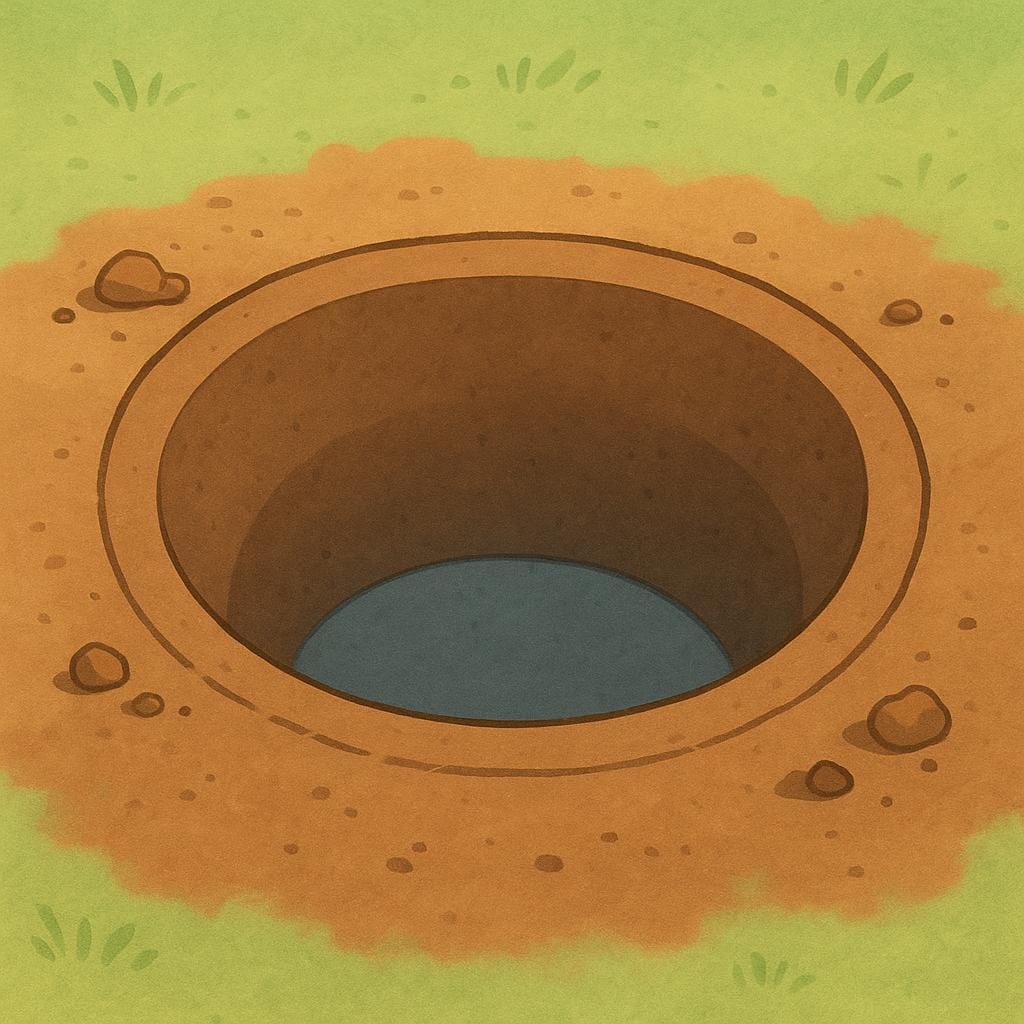
The most common Spanish word for “hole” is “hoyo” — use 'hoyo' for a general depression or opening, especially a pothole in a road, or specifically for a hole in golf.
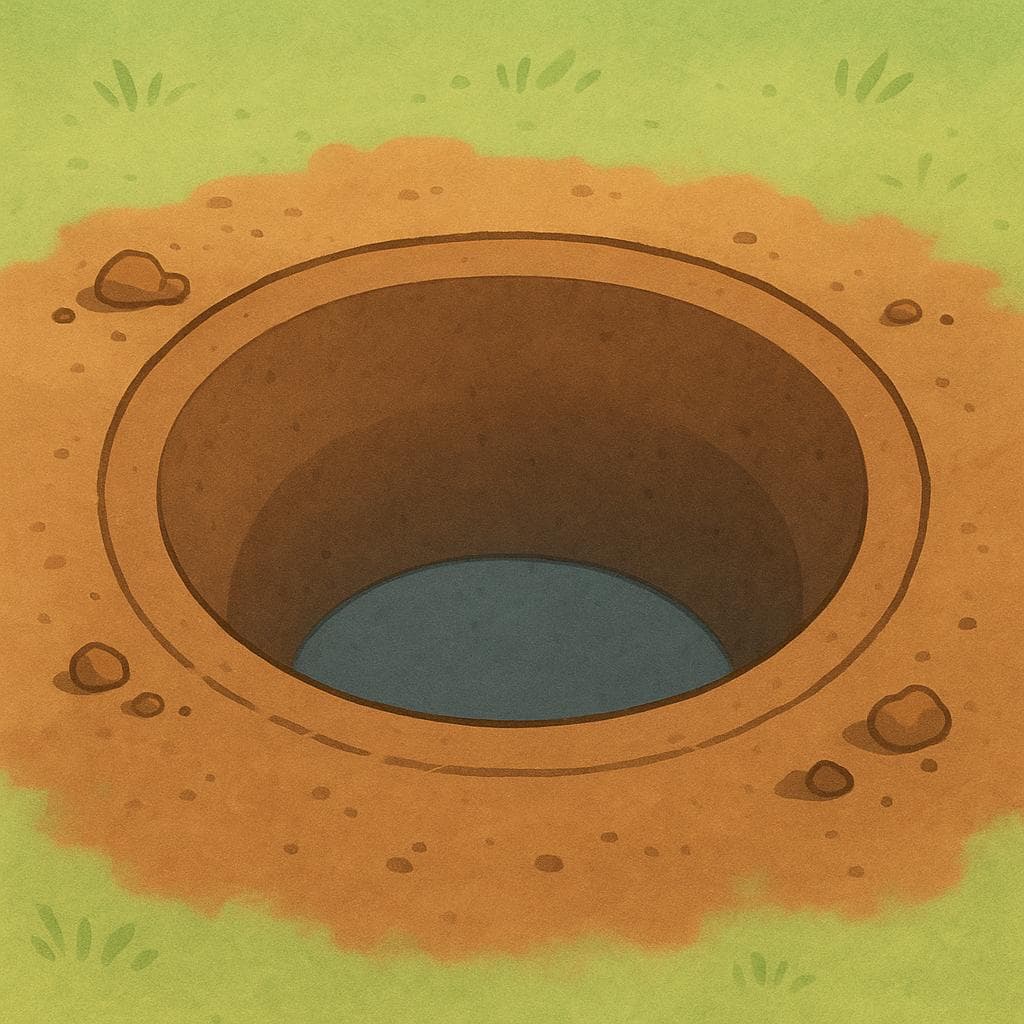

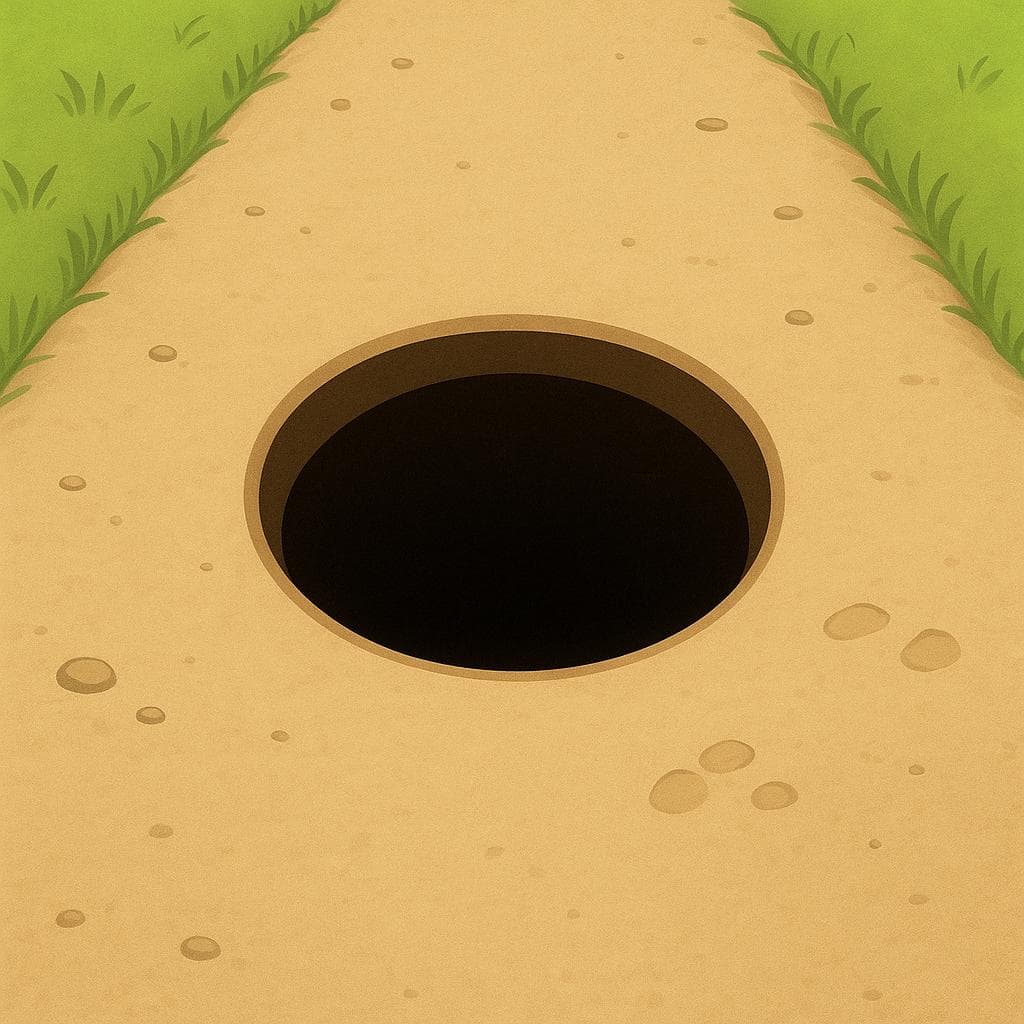

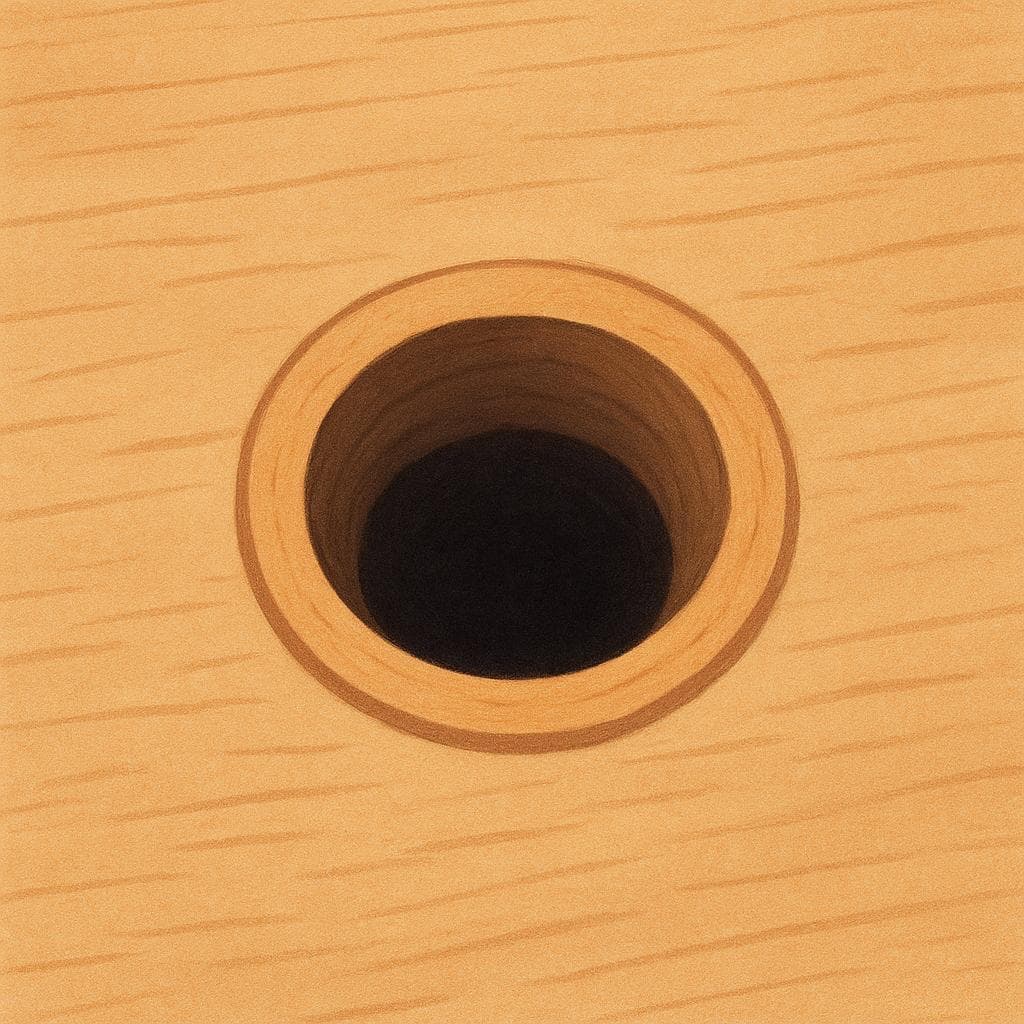
hoyo
OH-yohˈo.ʝo
Examples
El coche cayó en un hoyo profundo.
The car fell into a deep hole.
Tuvimos que esquivar un hoyo enorme en la carretera.
We had to swerve to avoid an enormous hole in the road (pothole).
El perro estaba cavando un hoyo para esconder su hueso.
The dog was digging a hole to hide its bone.
Hay que tapar el hoyo antes de que alguien se caiga.
We must cover the hole before someone falls in.
Gender Check
Even though 'hoyo' ends in -o, remember it is a masculine word, so use 'el' (el hoyo) and masculine adjectives (un hoyo grande).
Hoyo vs. Agujero
Mistake: “Using 'hoyo' for a small hole, like a puncture.”
Correction: Use 'agujero' for small holes (like in paper or clothes). 'Hoyo' is typically reserved for holes in the ground or large depressions.
agujero
ah-goo-HEH-roha.ɣuˈxe.ɾo

Examples
Hay un agujero en mi camiseta favorita.
There is a hole in my favorite t-shirt.
Hay un agujero enorme en la pared del sótano.
There is an enormous hole in the basement wall.
Necesito coser el agujero de mi calcetín antes de ponérmelo.
I need to sew the hole in my sock before putting it on.
Tuvimos que tapar el agujero para que no entraran los insectos.
We had to cover the opening so the insects wouldn't come in.
Masculine Noun
Even though 'agujero' ends in '-o', it follows the common rule that things (nouns) are male (masculine) in Spanish, so you always use 'el' or 'un' with it.
Confusing 'Agujero' and 'Hoyo'
Mistake: “Using 'agujero' when referring specifically to a deep, large hole in the ground.”
Correction: 'Hoyo' is usually better for pits or holes dug in the earth. 'Agujero' is generally used for holes *through* something (a wall, paper, cloth).
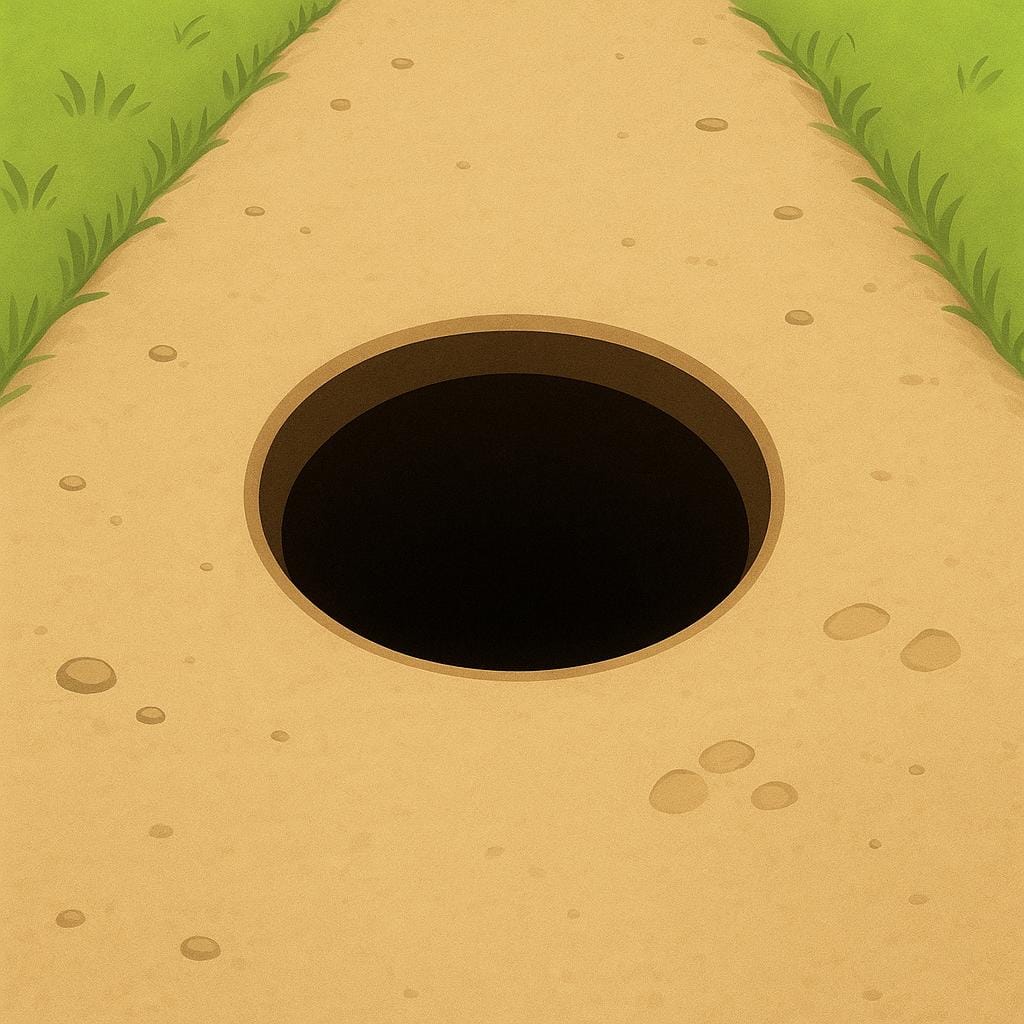
hueco
WAY-kohˈw̝e.ko
Examples
El carpintero dejó un hueco en la madera.
The carpenter left a hollow in the wood.
Tapa ese hueco en la pared antes de que entre agua.
Cover that hole in the wall before water gets in.
Dejó un gran hueco en su corazón cuando se fue.
He left a big void (or hole) in her heart when he left.
Gender Agreement
As a masculine noun, 'hueco' uses masculine articles and adjectives (e.g., 'el hueco', 'un hueco grande').
orificio
o-ree-FEE-syohoɾiˈfisjo

Examples
Mira el orificio de ventilación en el techo.
Look at the ventilation hole in the ceiling.
El agua sale por un pequeño orificio en la base.
The water comes out through a small opening at the base.
Limpió el orificio de la cerradura con aire comprimido.
He cleaned the keyhole opening with compressed air.
El cirujano examinó el orificio nasal del paciente.
The surgeon examined the patient's nostril (nasal opening).
Always Masculine
Even though it ends in 'o', which is common for masculine words, remember to always use 'el' or 'un'. It never changes to 'orificia'.
Orificio vs. Agujero
Use 'orificio' when you want to sound more precise or technical. 'Agujero' is the everyday word you would use for a hole in your sock or a hole in the ground.
The 'H' Trap
Mistake: “horificio”
Correction: orificio
ojo
OH-hohˈoxo
Examples
No puedo ver a través del ojo de la cerradura.
I can't see through the keyhole.
Es muy difícil meter el hilo por el ojo de la aguja.
It is very difficult to put the thread through the eye of the needle.
El ojo de la cerradura estaba cubierto de polvo.
The keyhole was covered in dust.
Figurative Use
This meaning extends the concept of the 'eye' as a small, central viewing point or passage, such as in tools or mechanisms.
Agujero vs. Hoyo
Learn Spanish with Inklingo
Interactive stories, personalized learning, and more.