How to Say "cavity" in Spanish
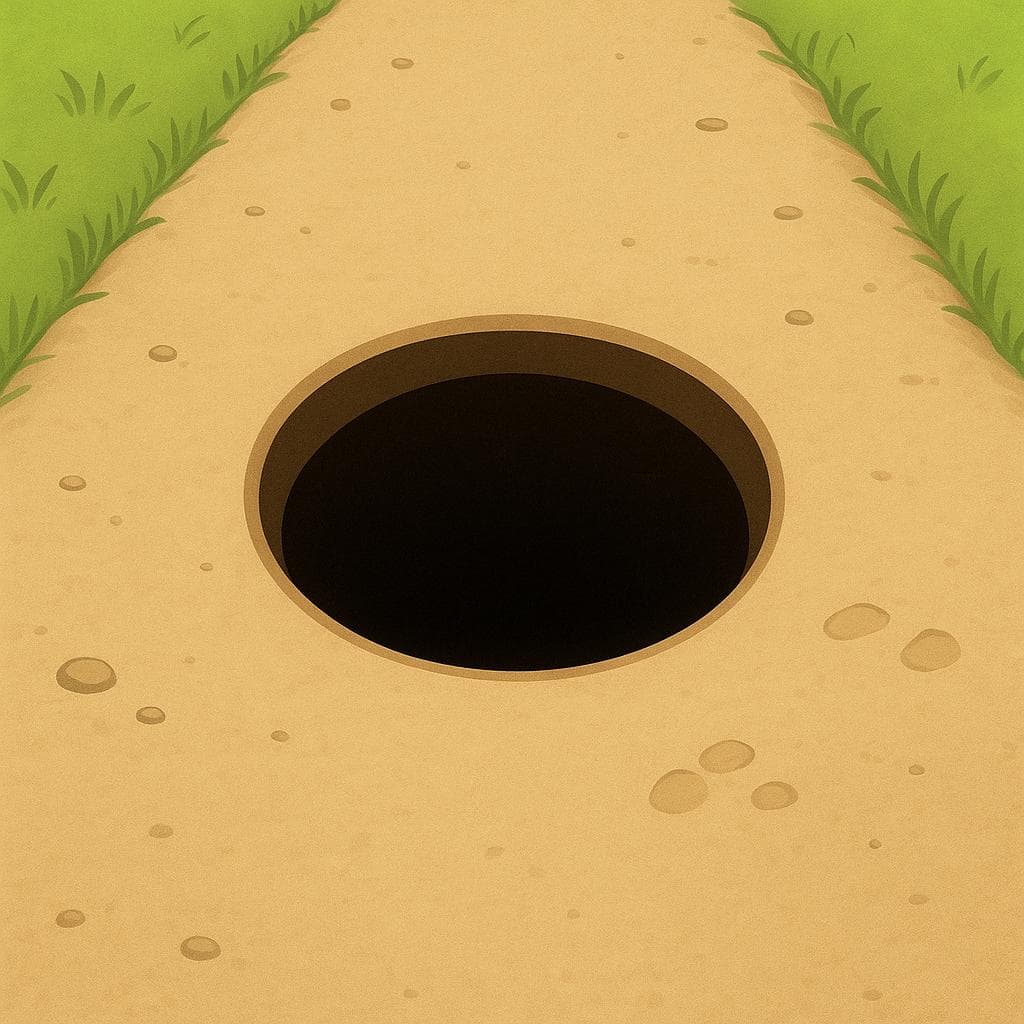
The most common Spanish word for “cavity” is “cavidad” — use 'cavidad' when referring to a hollow space within the body, such as in anatomy, or specifically for a dental cavity.

cavidad
kah-bee-DAHDka.βiˈðað

Examples
El dentista revisó la cavidad después de extraer la muela.
The dentist checked the cavity after extracting the molar.
El dentista dijo que no tengo ninguna cavidad en los dientes.
The dentist said I don't have any cavities in my teeth.
El corazón se encuentra dentro de la cavidad torácica.
The heart is located inside the chest cavity.
Los arqueólogos encontraron una cavidad oculta en la pirámide.
The archaeologists found a hidden hollow in the pyramid.
Gender Pattern
Words ending in '-dad' are almost always feminine. Just like 'la ciudad' or 'la universidad', you should always say 'la cavidad'.
Pluralization
To make it plural, add '-es' because it ends in a consonant: 'las cavidades'.
Hole vs. Cavity
Mistake: “Using 'agujero' for a tooth cavity.”
Correction: Use 'cavidad' or more commonly 'caries' for tooth decay. 'Agujero' usually means a hole that goes all the way through something.
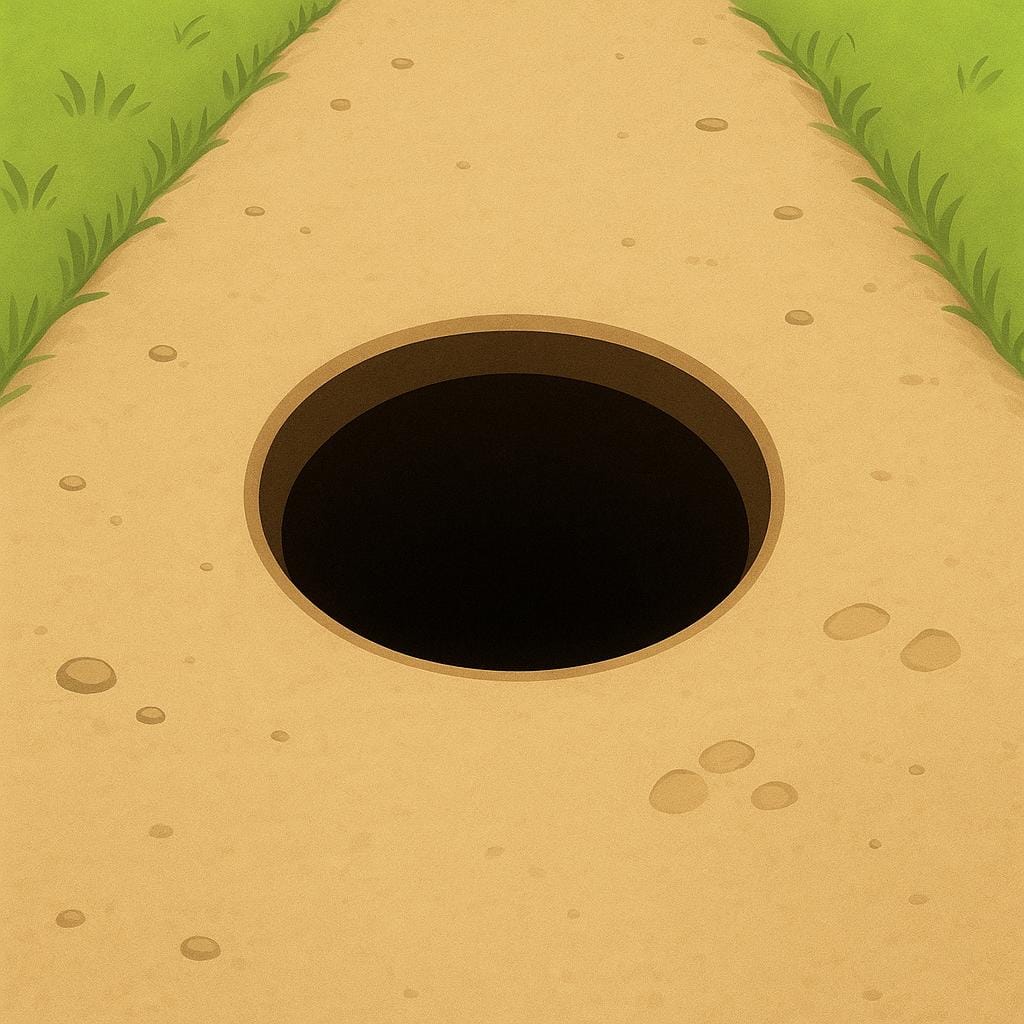
hueco
WAY-kohˈw̝e.ko
Examples
Encontraron un hueco detrás del cuadro donde escondían las llaves.
They found a hollow space behind the painting where they hid the keys.
Tapa ese hueco en la pared antes de que entre agua.
Cover that hole in the wall before water gets in.
Dejó un gran hueco en su corazón cuando se fue.
He left a big void (or hole) in her heart when he left.
Gender Agreement
As a masculine noun, 'hueco' uses masculine articles and adjectives (e.g., 'el hueco', 'un hueco grande').
Body vs. General Hole
Related Translations
Learn Spanish with Inklingo
Interactive stories, personalized learning, and more.