How to Say "shallow" in Spanish
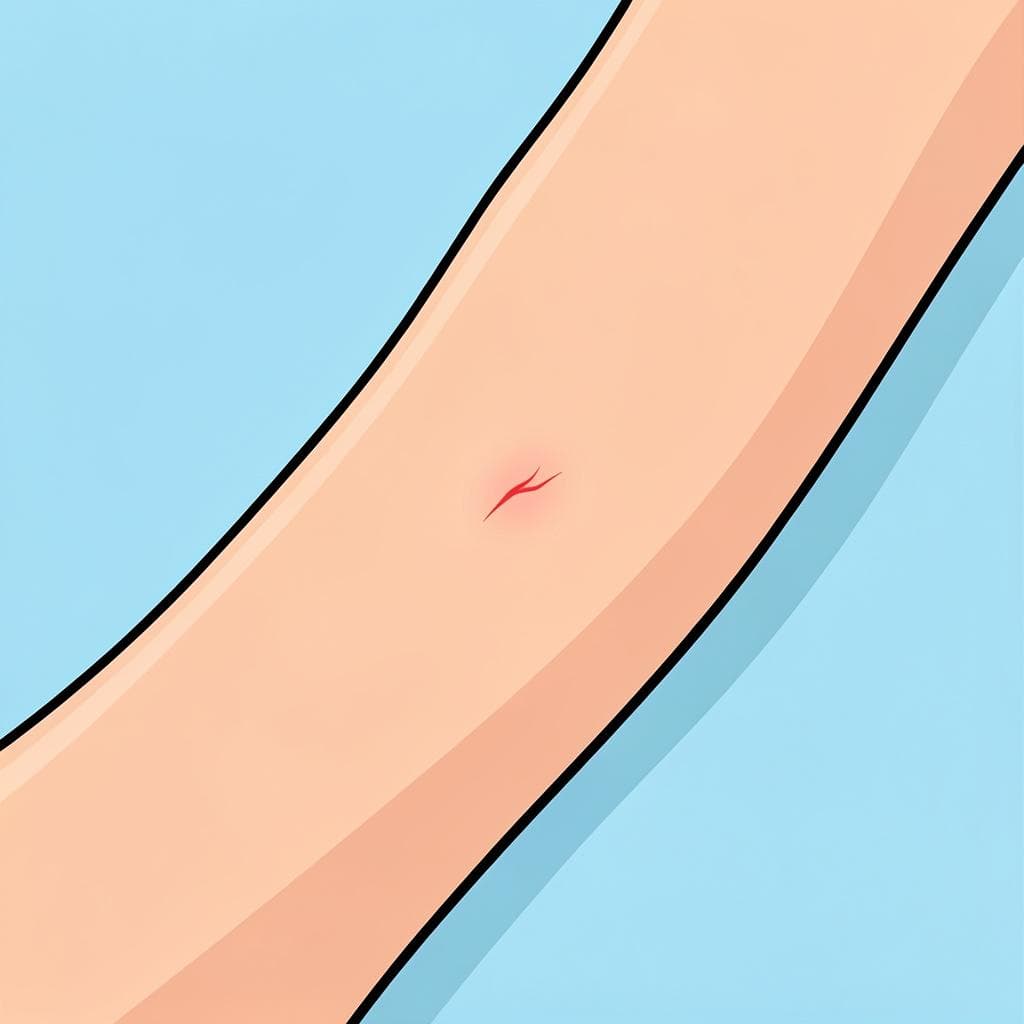
The most common Spanish word for “shallow” is “superficial” — use 'superficial' for a wound or injury that is not deep, or for a person or topic that lacks depth of thought or emotion.


superficial
soo-pehr-fee-SYALsupeɾfiˈsjal
Examples
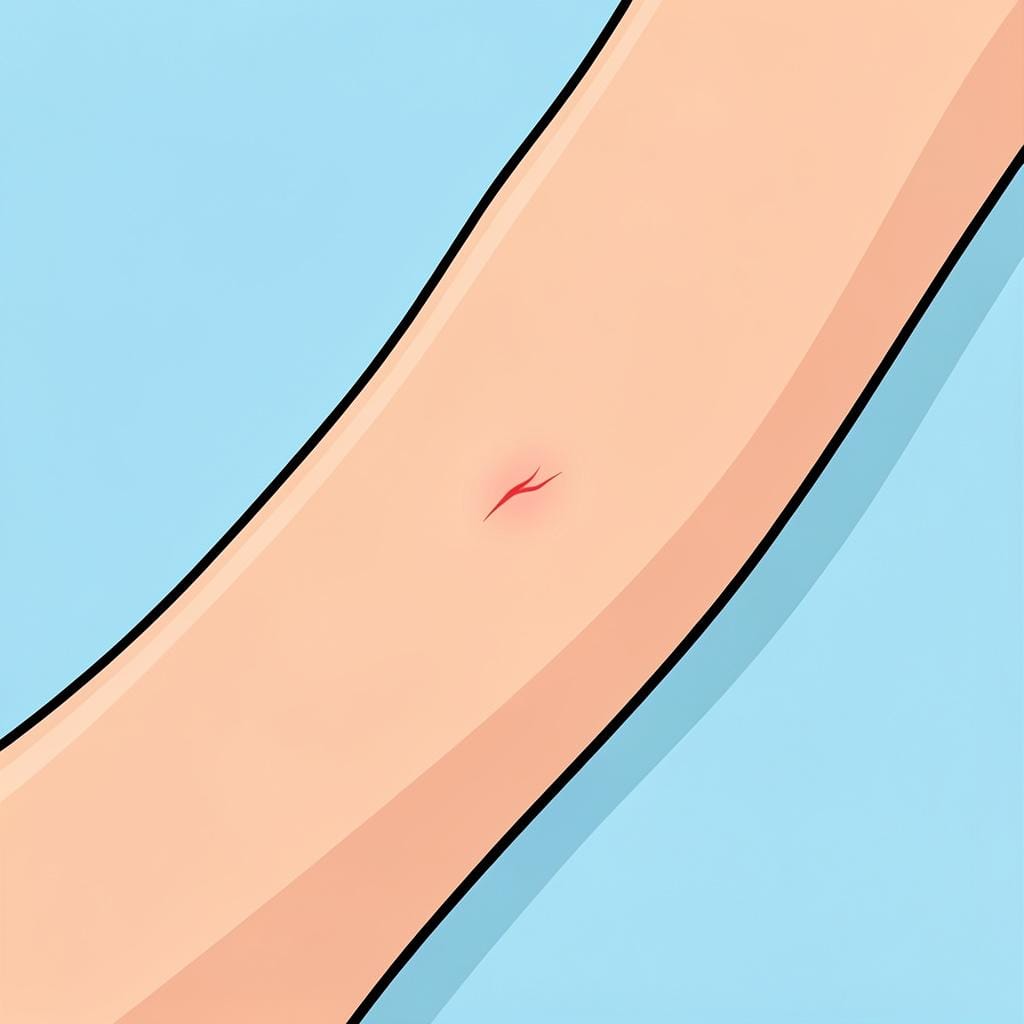
La herida es superficial, no necesita puntos.
The wound is superficial; it doesn't need stitches.
El médico dijo que la herida es solo superficial.
The doctor said the wound is only superficial.
Hicieron una limpieza superficial de la casa.
They did a superficial cleaning of the house.
No seas tan superficial, lo importante es el interior.
Don't be so shallow; what matters is what's inside.
One Form for All
This word stays the same whether you are describing a masculine or feminine thing. You only change it to 'superficiales' if you are talking about more than one thing.
Using with 'Ser'
Use the verb 'ser' with this word when describing a person's character (e.g., 'Ella es superficial').
Don't use for water
Mistake: “El agua es superficial.”
Correction: El agua es poco profunda.
hueco
WAY-kohˈw̝e.ko

Examples
Su discurso sobre el arte moderno me pareció muy hueco.
His speech about modern art seemed very shallow to me.
No me gusta su filosofía; me parece muy hueca.
I don't like his philosophy; it seems very shallow (or empty) to me.
Aunque es guapo, es una persona bastante hueca.
Although he is handsome, he is quite a superficial person.
Figurative Extension
This meaning extends the idea of 'hollow' (Definition 2) to describe a person's character, implying they are empty inside, lacking seriousness or intelligence.
cortas
kor-tahsˈkoɾtas

Examples
Tiene la respiración muy corta después de subir las escaleras.
He has very short breaths after climbing the stairs.
Llevas unas mangas muy cortas.
You are wearing very short sleeves.
Las vacaciones fueron muy cortas.
The holidays were very short.
Matching the Noun
Use 'cortas' when the things you are describing are feminine and there is more than one of them (like 'faldas' or 'ideas').
Wrong Ending
Mistake: “Los caminos son cortas.”
Correction: Say 'Los caminos son cortos'. Use 'cortas' only for feminine words.
Superficial vs. Hueco
Related Translations
Learn Spanish with Inklingo
Interactive stories, personalized learning, and more.