How to Say "empty" in Spanish
The most common Spanish word for “empty” is “vacío” — use 'vacío' when referring to a container or space that lacks any contents or occupants.
vacío
Examples
El vaso estaba vacío después de que bebí todo.
The glass was empty after I drank everything.
desierto
deh-SYEHR-tohdeˈsjeɾto
Examples
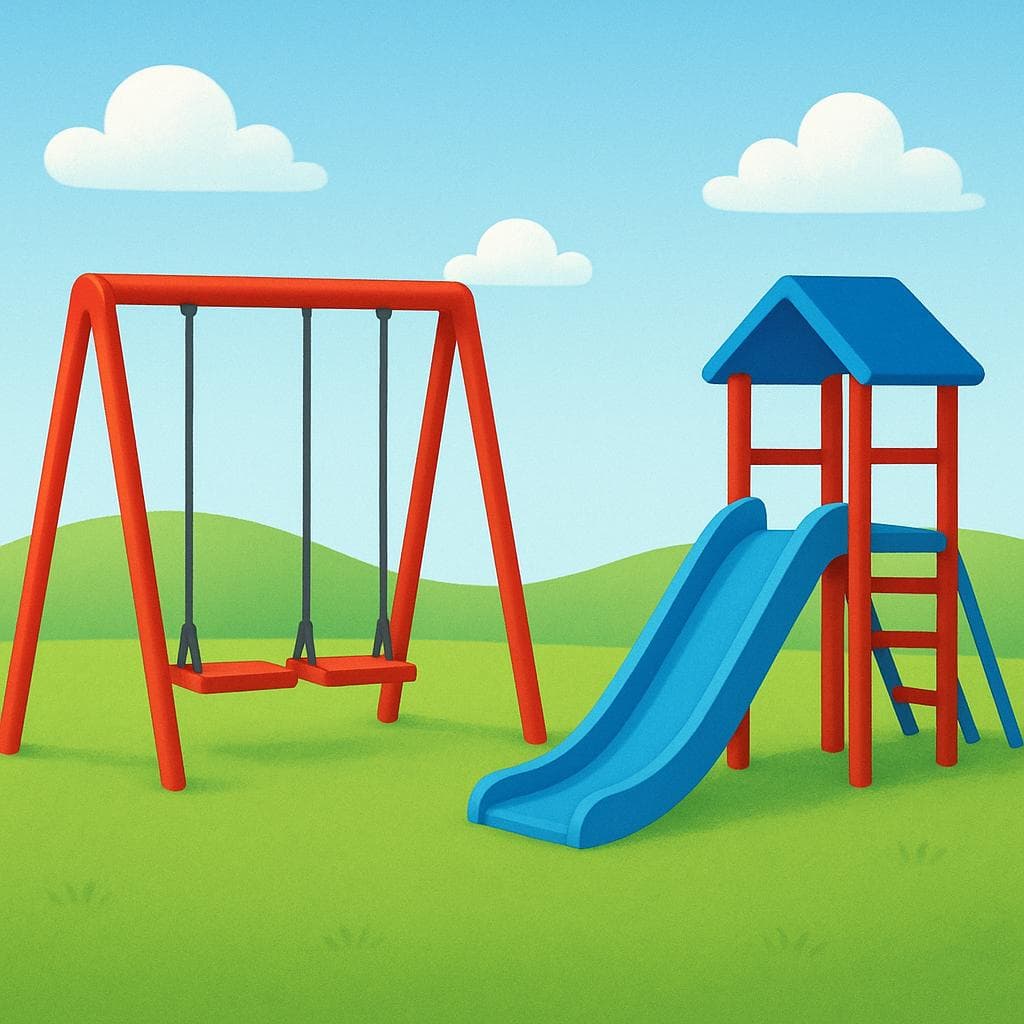
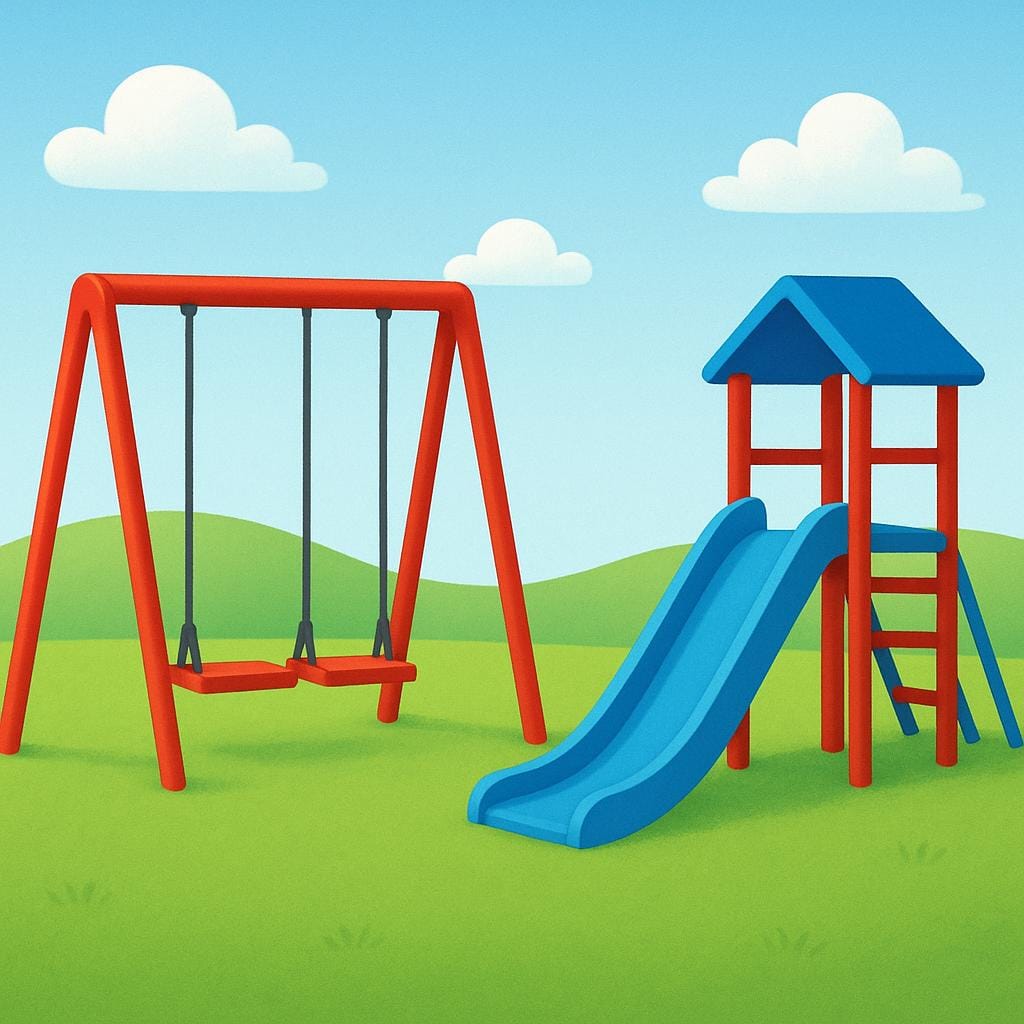
La playa estaba desierta después de la tormenta.
The beach was deserted after the storm.
El centro comercial está completamente desierto los domingos.
The shopping center is completely empty on Sundays.
Parece que el pueblo está desierto; no hay nadie en las calles.
It seems the town is deserted; there is no one in the streets.
Adjective Agreement
As an adjective, 'desierto' must match the thing it describes in gender and number: 'el parque desierto' (masculine singular), 'las calles desiertas' (feminine plural).
Forgetting Agreement
Mistake: “La casa estaba desierto.”
Correction: La casa estaba desierta. (Since 'casa' is feminine, the adjective must also be feminine.)
hueco
WAY-kohˈw̝e.ko
Examples
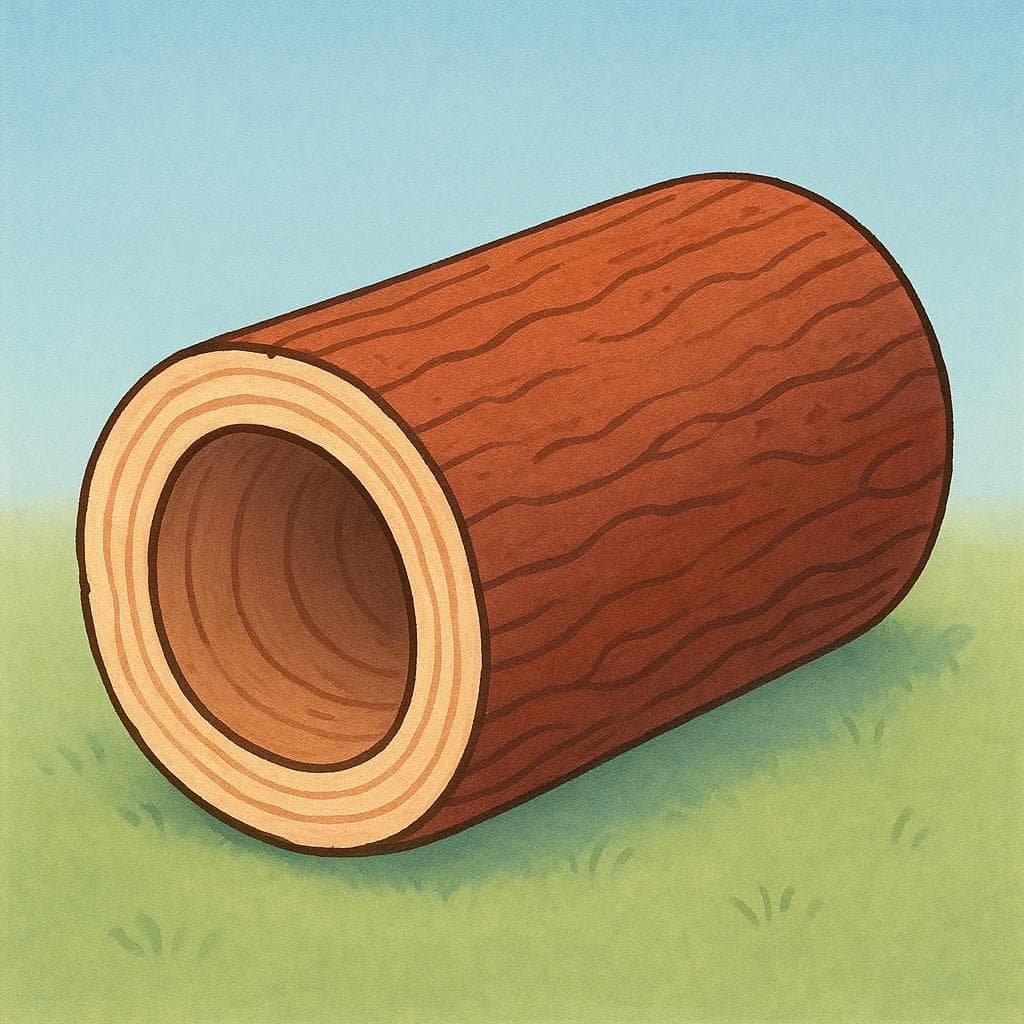
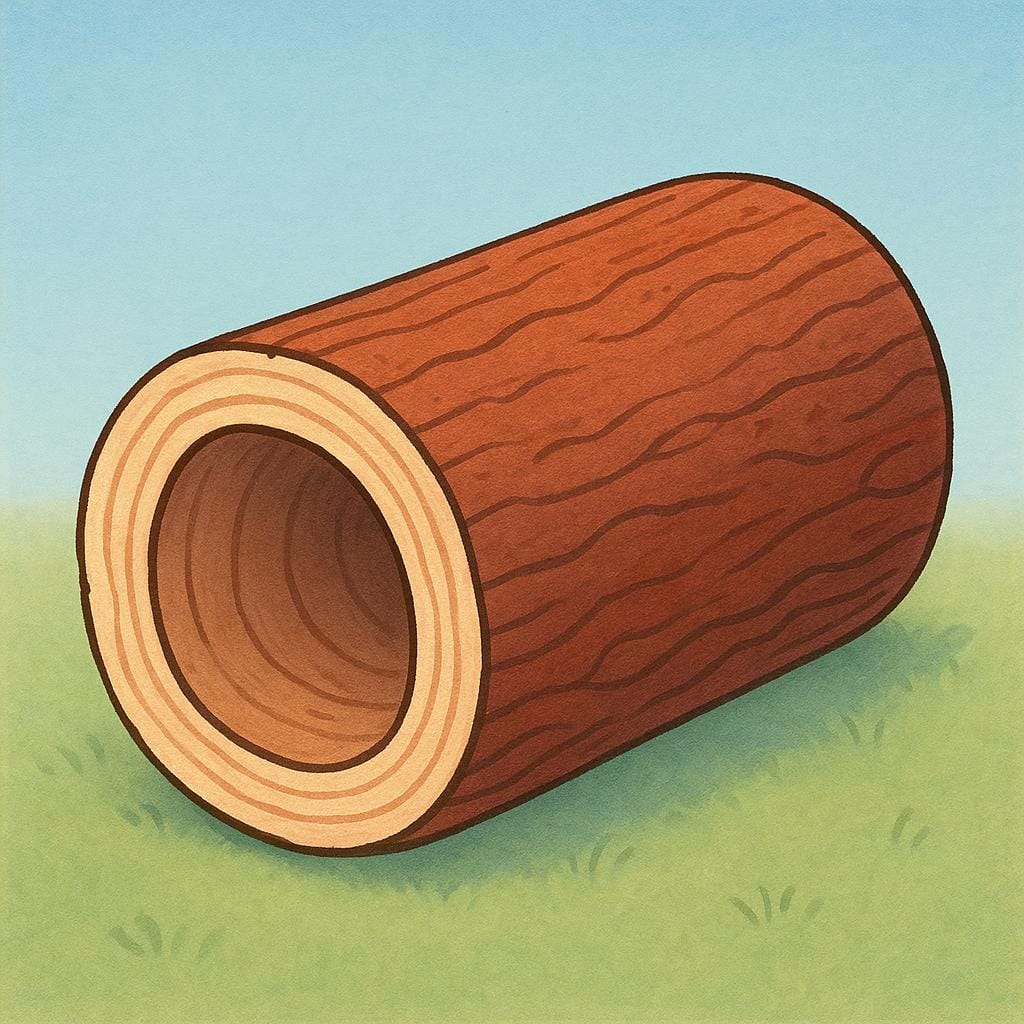
El tronco del árbol estaba completamente hueco.
The tree trunk was completely hollow.
La caja se sentía muy ligera porque estaba hueca.
The box felt very light because it was hollow.
Adjective Agreement
Remember that 'hueco' must match the thing it describes. Use 'hueca' for feminine nouns (e.g., 'la pared hueca') and 'huecos' or 'huecas' for plural nouns.
Vacío vs. Hueco
Related Translations
Learn Spanish with Inklingo
Interactive stories, personalized learning, and more.