How to Say "hollow" in Spanish
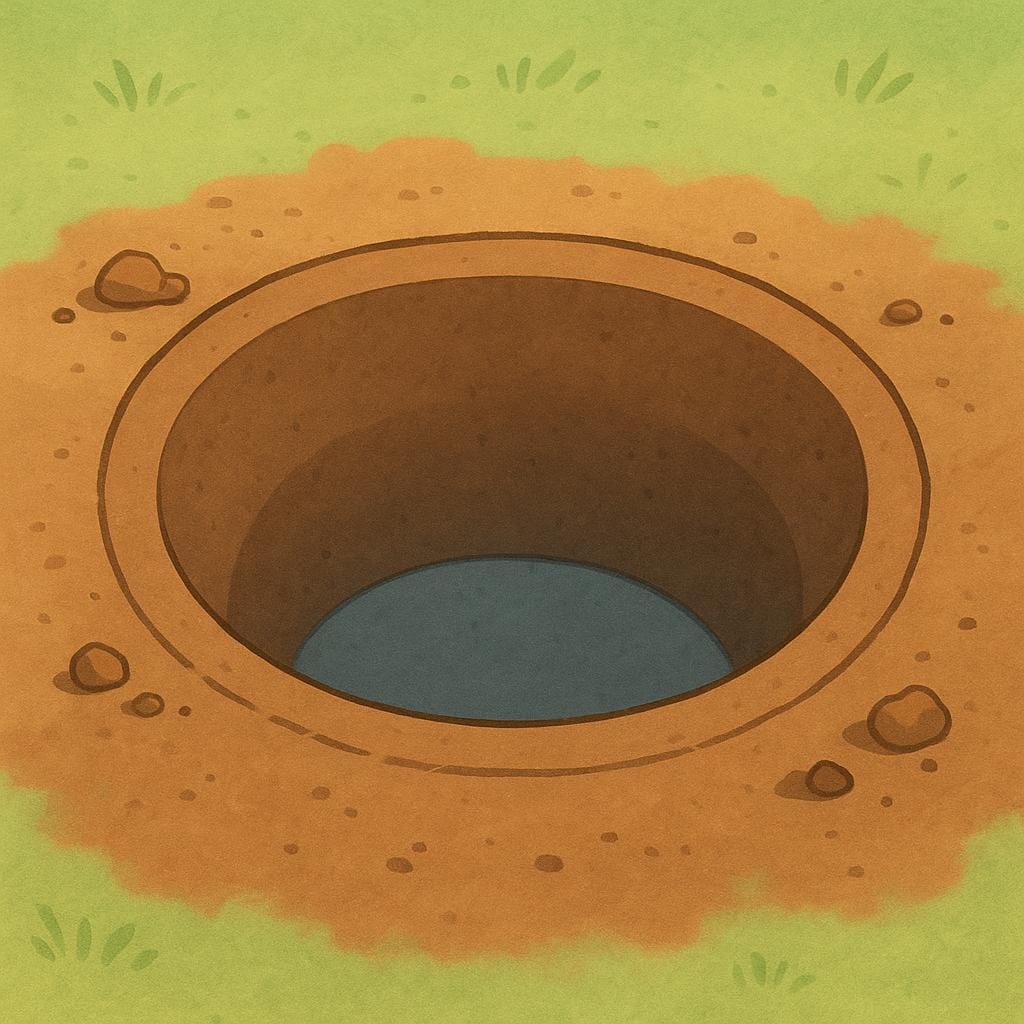
The most common Spanish word for “hollow” is “hoyo” — use 'hoyo' for a physical hole or depression in a surface, like a pothole in a road or a hole in the ground.
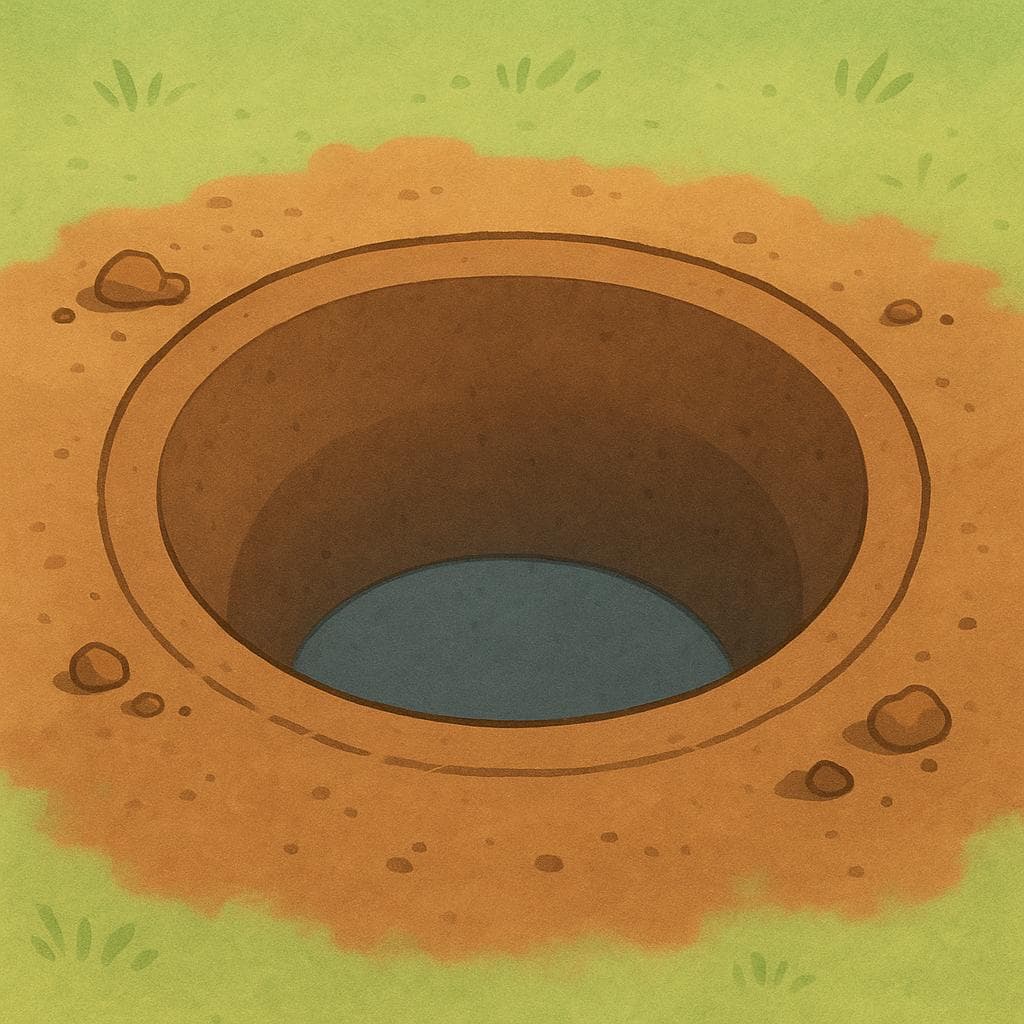
Use 'hoyo' for a physical hole or depression in a surface, like a pothole in a road or a hole in the ground.
Learn more →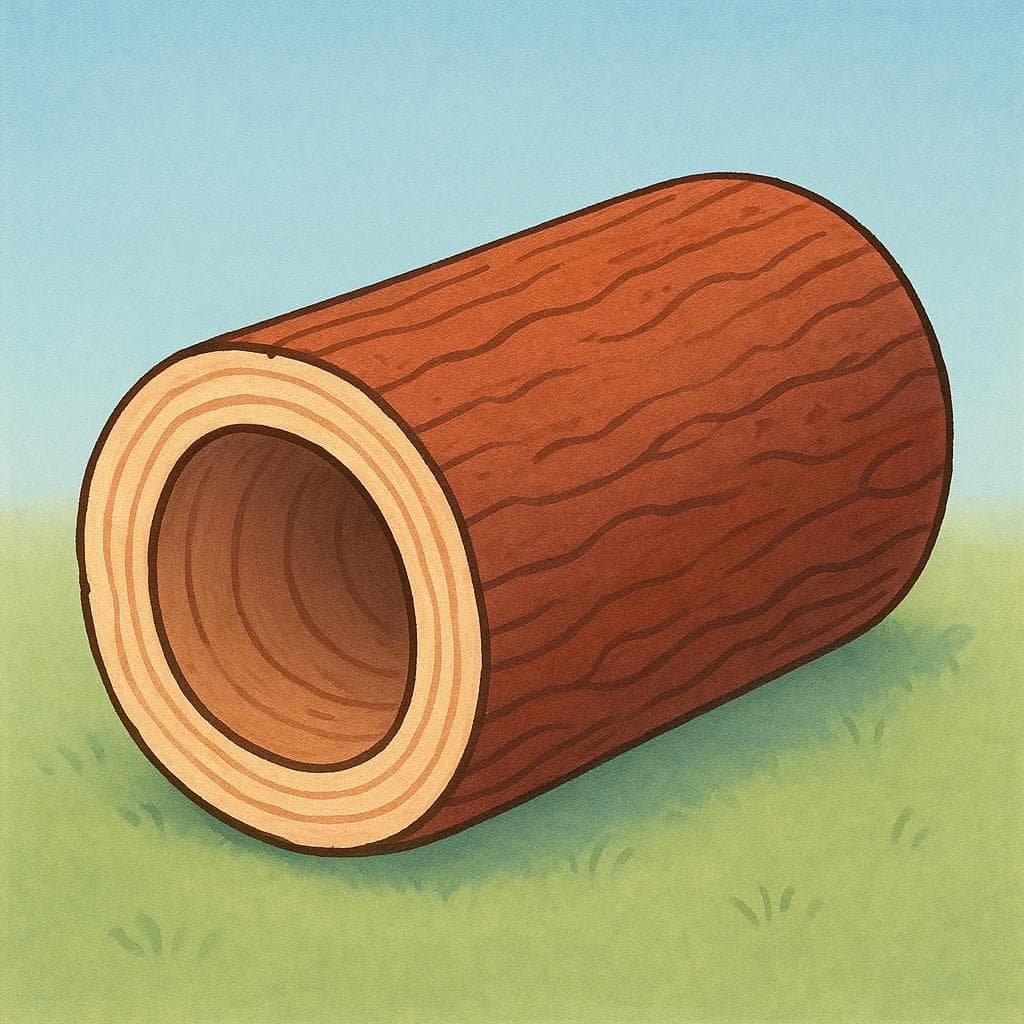
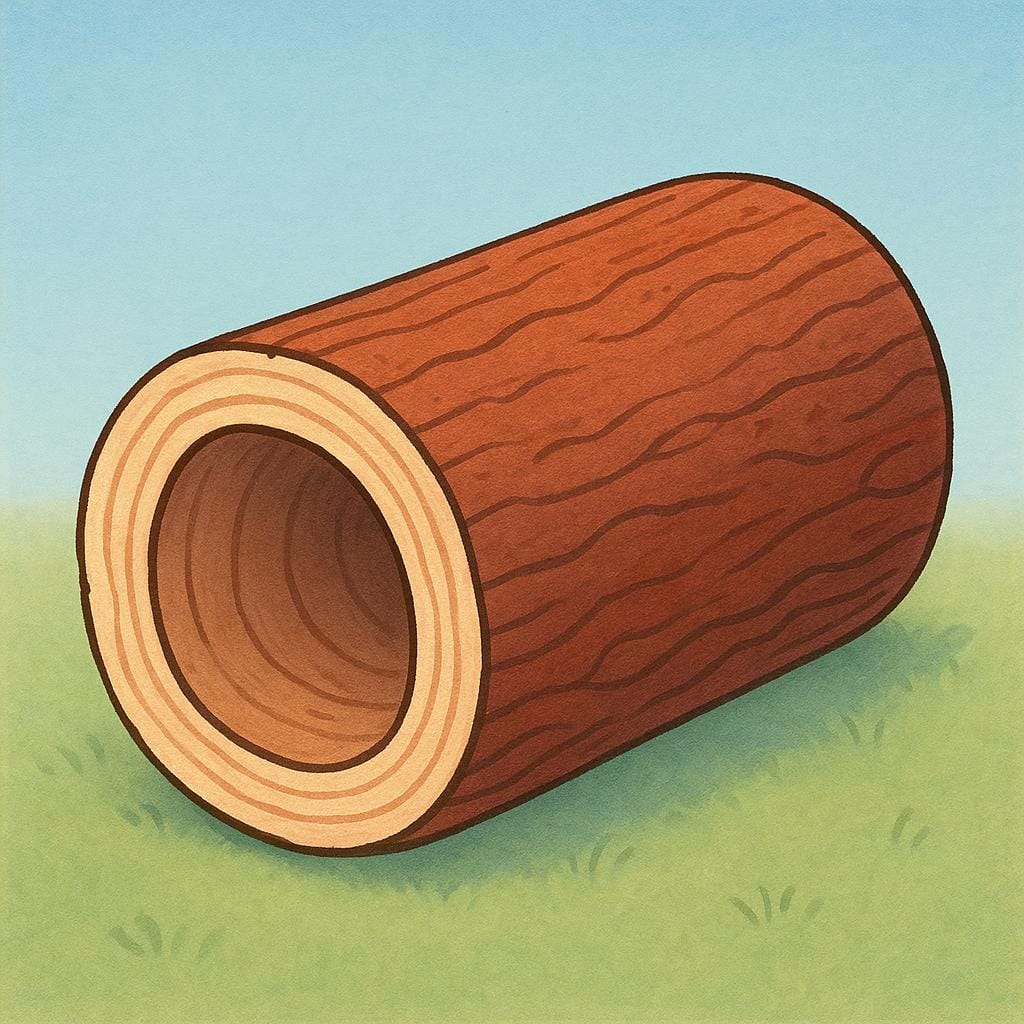
Use 'hueco' to describe something that is empty inside, like a hollow tree trunk or a hollow space.
Learn more →Use 'vacío' to describe a lack of content, whether literal (an empty glass) or figurative (empty feelings, empty words).
Learn more →
Use 'cavidad' for an empty space within something, such as a cavity in a tooth, a hollow in a bone, or a recessed area.
Learn more →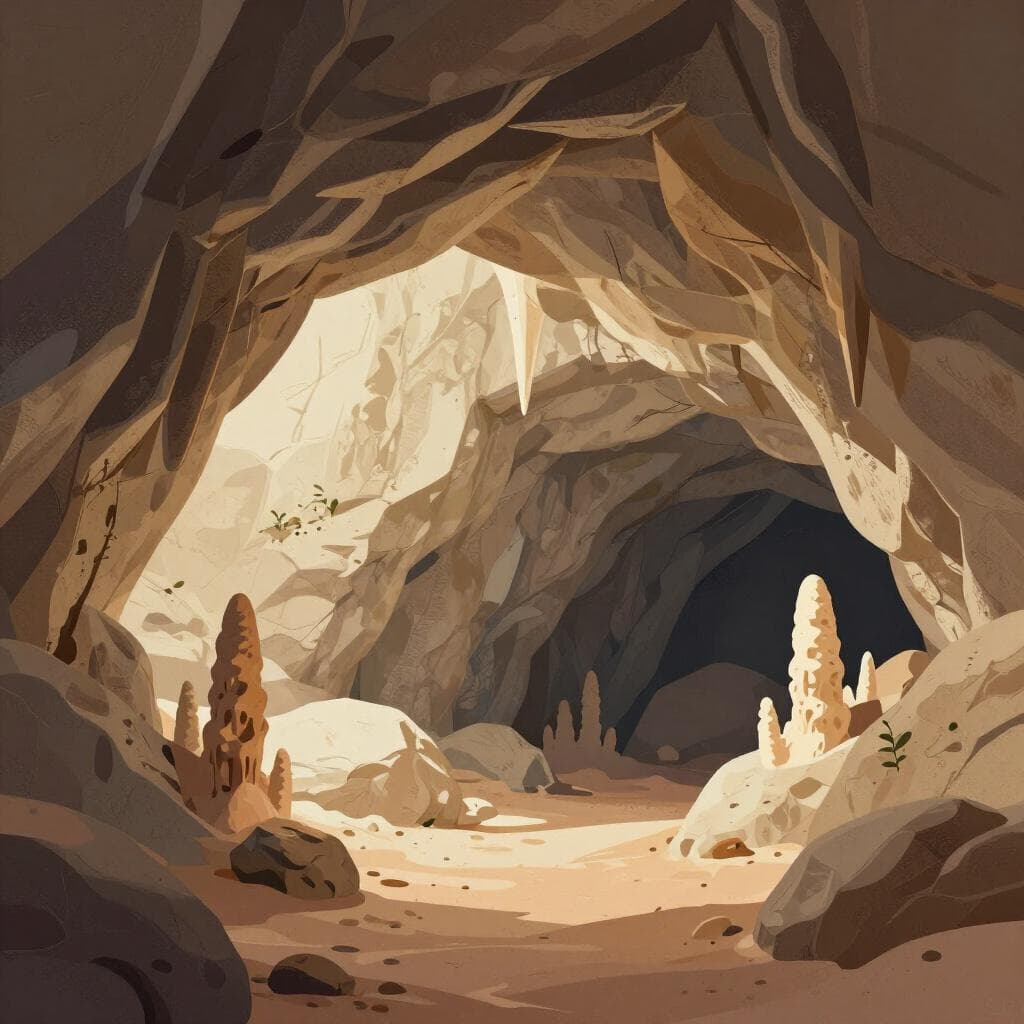
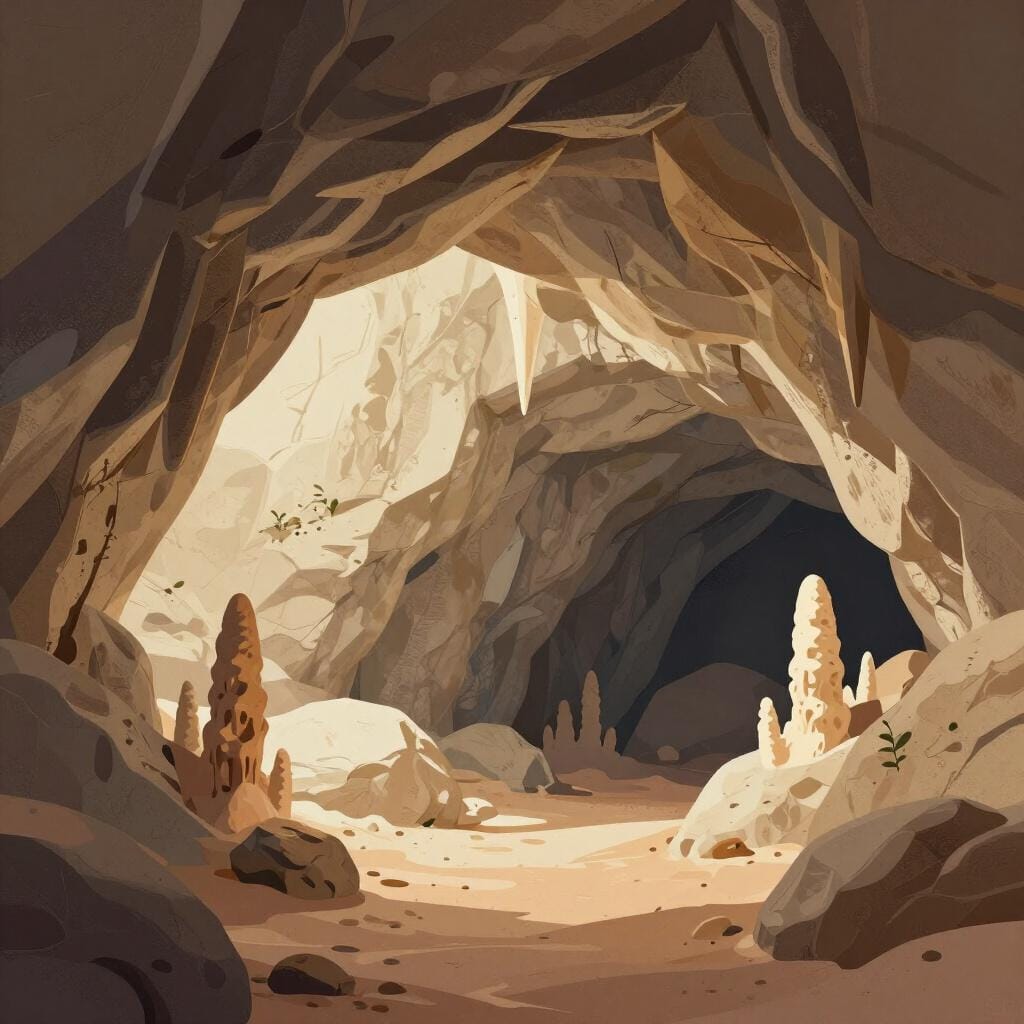
Use 'caverna' specifically for a natural underground chamber or cave, a large hollow space.
Learn more →Use 'depresión' to refer to a low-lying area of land, a natural dip or sunken area.
Learn more →OH-yohˈo.ʝo
Examples
El coche se detuvo bruscamente al caer en un hoyo profundo.
The car stopped abruptly when it fell into a deep hole.
Tuvimos que esquivar un hoyo enorme en la carretera.
We had to swerve to avoid an enormous hole in the road (pothole).
El perro estaba cavando un hoyo para esconder su hueso.
The dog was digging a hole to hide its bone.
Hay que tapar el hoyo antes de que alguien se caiga.
We must cover the hole before someone falls in.
Gender Check
Even though 'hoyo' ends in -o, remember it is a masculine word, so use 'el' (el hoyo) and masculine adjectives (un hoyo grande).
Hoyo vs. Agujero
Mistake: “Using 'hoyo' for a small hole, like a puncture.”
Correction: Use 'agujero' for small holes (like in paper or clothes). 'Hoyo' is typically reserved for holes in the ground or large depressions.
WAY-kohˈw̝e.ko
Examples
El carpintero encontró que el mueble antiguo estaba hueco por dentro.
The carpenter found that the antique furniture was hollow inside.
El tronco del árbol estaba completamente hueco.
The tree trunk was completely hollow.
La caja se sentía muy ligera porque estaba hueca.
The box felt very light because it was hollow.
Adjective Agreement
Remember that 'hueco' must match the thing it describes. Use 'hueca' for feminine nouns (e.g., 'la pared hueca') and 'huecos' or 'huecas' for plural nouns.
vacío
Examples
Después de la fiesta, la casa se sintió muy vacía.
After the party, the house felt very empty.
kah-bee-DAHDka.βiˈðað

Examples
El radiólogo examinó la cavidad torácica en la radiografía.
The radiologist examined the thoracic cavity in the X-ray.
El dentista dijo que no tengo ninguna cavidad en los dientes.
The dentist said I don't have any cavities in my teeth.
El corazón se encuentra dentro de la cavidad torácica.
The heart is located inside the chest cavity.
Los arqueólogos encontraron una cavidad oculta en la pirámide.
The archaeologists found a hidden hollow in the pyramid.
Gender Pattern
Words ending in '-dad' are almost always feminine. Just like 'la ciudad' or 'la universidad', you should always say 'la cavidad'.
Pluralization
To make it plural, add '-es' because it ends in a consonant: 'las cavidades'.
Hole vs. Cavity
Mistake: “Using 'agujero' for a tooth cavity.”
Correction: Use 'cavidad' or more commonly 'caries' for tooth decay. 'Agujero' usually means a hole that goes all the way through something.
kah-BEHR-nahkaˈβeɾna
Examples
Los exploradores descubrieron una caverna oculta detrás de la cascada.
The explorers discovered a cavern hidden behind the waterfall.
Los excursionistas entraron en una caverna profunda.
The hikers entered a deep cave.
En esta caverna hay pinturas de animales muy antiguas.
In this cavern, there are very old paintings of animals.
La luz de la linterna apenas iluminaba la inmensa caverna.
The flashlight beam barely lit up the immense cavern.
Gender Identification
This word ends in -a, so it is a feminine word. Use 'la' or 'una' with it.
Making it Plural
To talk about more than one, simply add an -s: 'las cavernas'.
Don't confuse with 'taberna'
Mistake: “Fui a la caverna a beber una cerveza.”
Correction: Fui a la taberna a beber una cerveza. (A 'caverna' is a rock formation; a 'taberna' is a tavern/bar).
depresión
Examples
Se formó una depresión en el jardín después de las fuertes lluvias.
A depression formed in the garden after the heavy rains.
Hoyo vs. Hueco vs. Vacío
Learners often confuse 'hoyo' (a physical hole in a surface), 'hueco' (something empty inside), and 'vacío' (lack of content, literal or figurative). Remember: 'hoyo' is a hole you can fall into, 'hueco' describes the inside of an object, and 'vacío' relates to emptiness in a broader sense.
Related Translations
Learn Spanish with Inklingo
Interactive stories, personalized learning, and more.