How to Say "cavern" in Spanish
The most common Spanish word for “cavern” is “cueva” — use 'cueva' for any general cave, especially when emphasizing its size or a typical cave experience. It's the most common and versatile term.

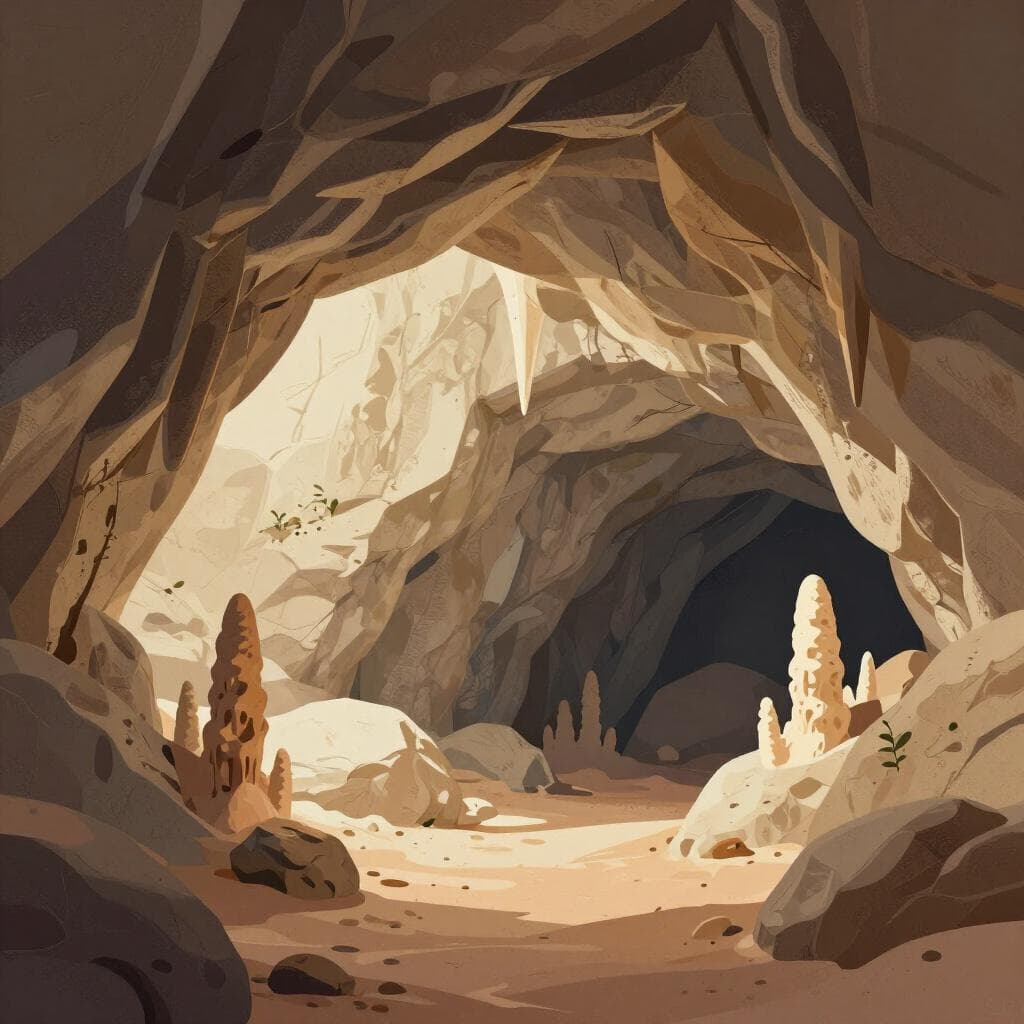
cueva
KWEY-vahˈkwe.βa

Examples
Exploramos una cueva oscura y profunda en la montaña.
We explored a dark and deep cave in the mountain.
Los murciélagos viven en las cuevas durante el día.
Bats live in caves during the day.
La entrada de la cueva estaba oculta por rocas.
The cave entrance was hidden by rocks.
Gender Check
Remember that 'cueva' is a feminine noun, so you must use feminine articles and adjectives: 'la cueva' (the cave), 'una cueva grande' (a big cave).
Mixing up Gender
Mistake: “El cueva”
Correction: La cueva. Even though it ends in '-a', always confirm the gender for new nouns.
caverna
kah-BEHR-nahkaˈβeɾna
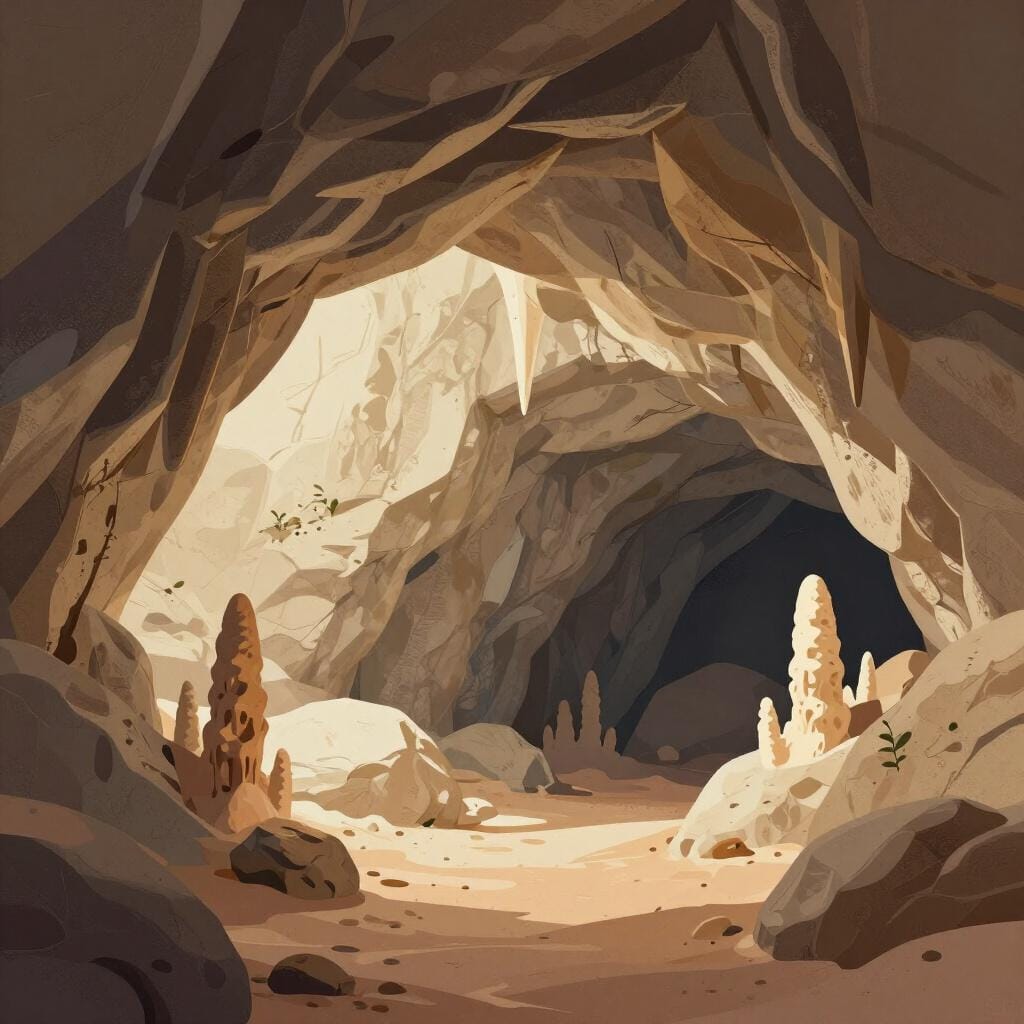
Examples
Los excursionistas entraron en una caverna profunda.
The hikers entered a deep cave.
En esta caverna hay pinturas de animales muy antiguas.
In this cavern, there are very old paintings of animals.
La luz de la linterna apenas iluminaba la inmensa caverna.
The flashlight beam barely lit up the immense cavern.
Gender Identification
This word ends in -a, so it is a feminine word. Use 'la' or 'una' with it.
Making it Plural
To talk about more than one, simply add an -s: 'las cavernas'.
Don't confuse with 'taberna'
Mistake: “Fui a la caverna a beber una cerveza.”
Correction: Fui a la taberna a beber una cerveza. (A 'caverna' is a rock formation; a 'taberna' is a tavern/bar).
General vs. Grand Caves
Related Translations
Learn Spanish with Inklingo
Interactive stories, personalized learning, and more.