How to Say "pit" in Spanish
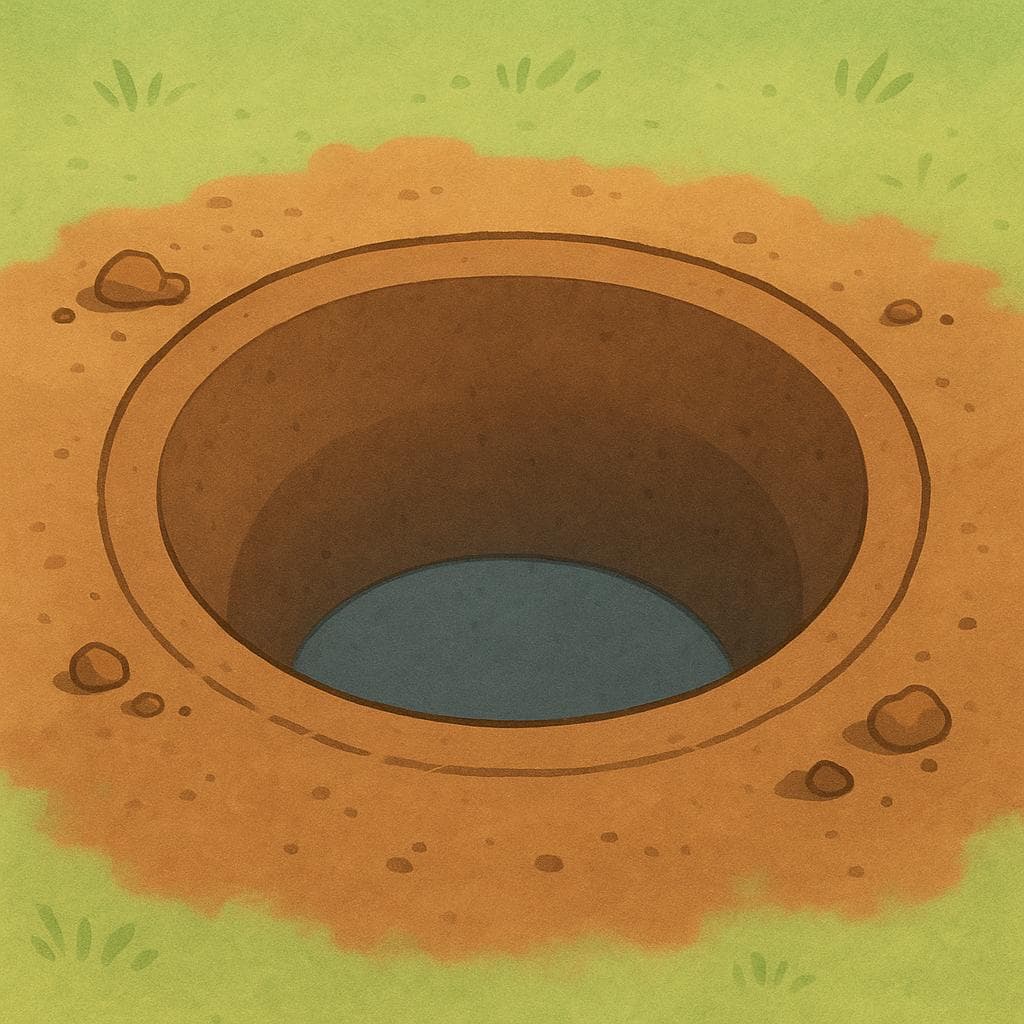
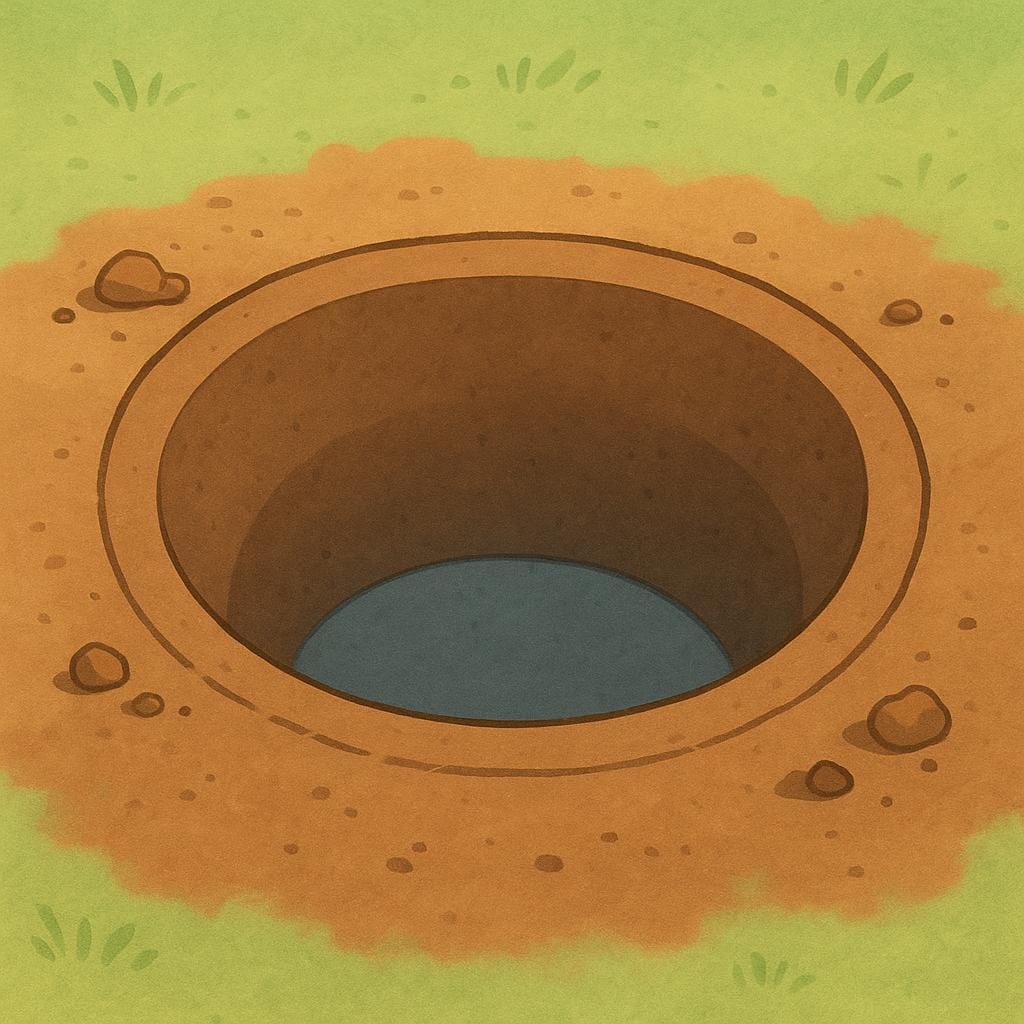
The most common Spanish word for “pit” is “hoyo” — use 'hoyo' for a general, often large or deep hole in the ground, frequently encountered as a pothole on a road.

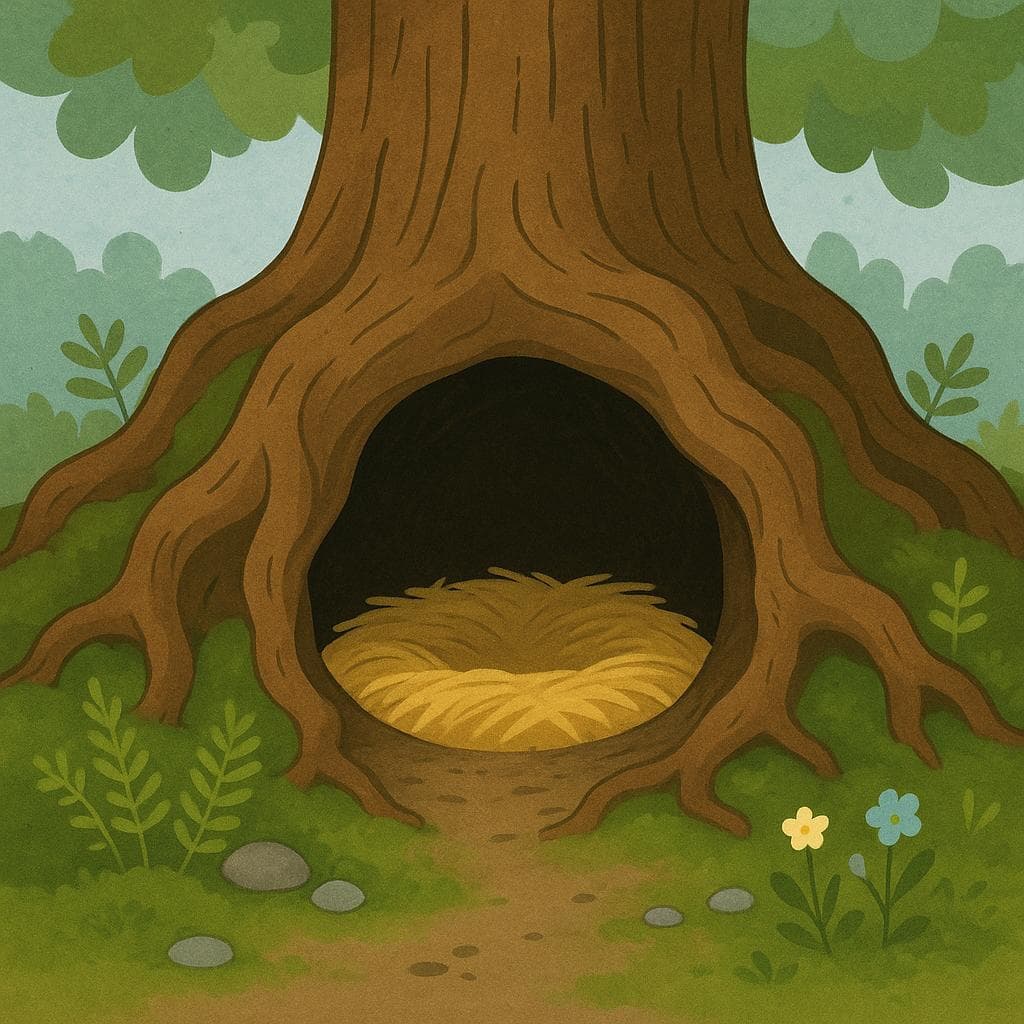
hoyo
OH-yohˈo.ʝo
Examples
Tuvimos que esquivar un hoyo enorme en la carretera.
We had to swerve to avoid an enormous hole in the road (pothole).
El perro estaba cavando un hoyo para esconder su hueso.
The dog was digging a hole to hide its bone.
Hay que tapar el hoyo antes de que alguien se caiga.
We must cover the hole before someone falls in.
Gender Check
Even though 'hoyo' ends in -o, remember it is a masculine word, so use 'el' (el hoyo) and masculine adjectives (un hoyo grande).
Hoyo vs. Agujero
Mistake: “Using 'hoyo' for a small hole, like a puncture.”
Correction: Use 'agujero' for small holes (like in paper or clothes). 'Hoyo' is typically reserved for holes in the ground or large depressions.
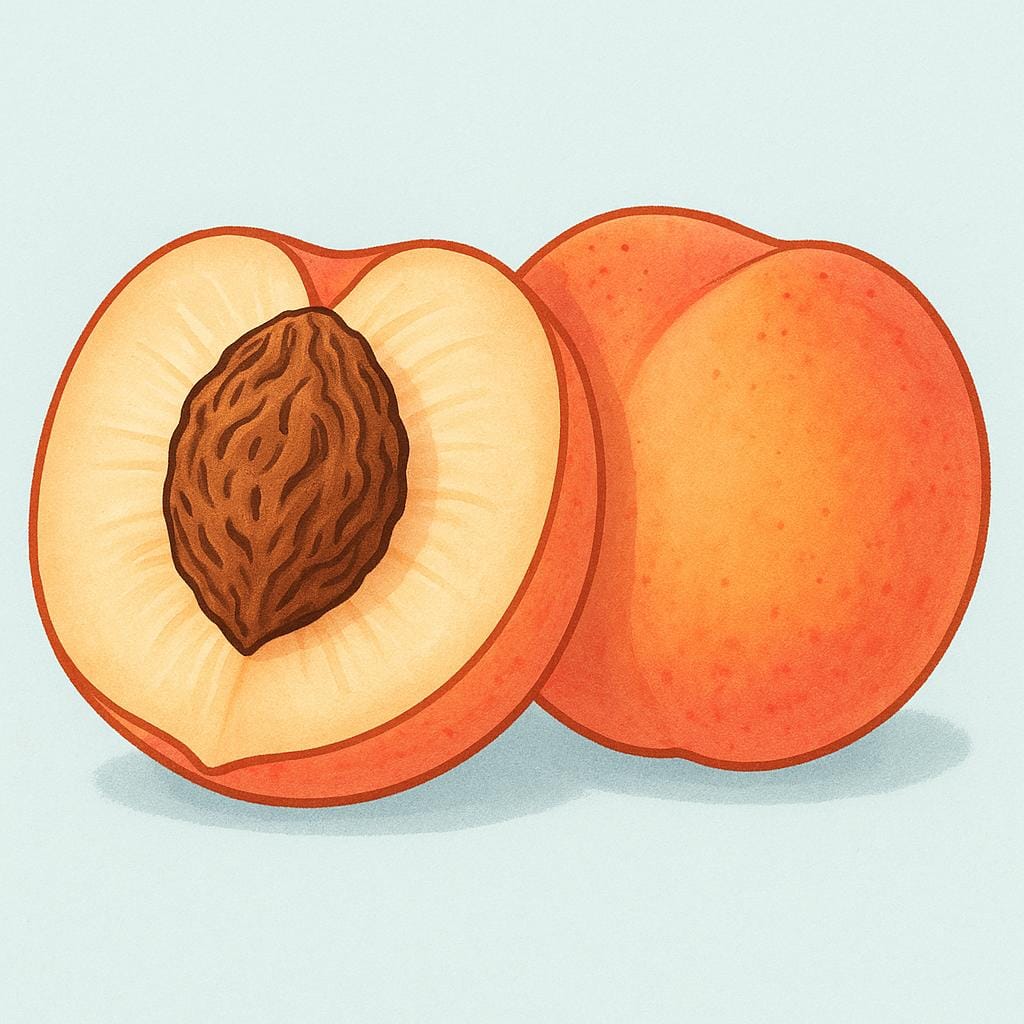
hueso
WAY-sohˈwe.so
Examples
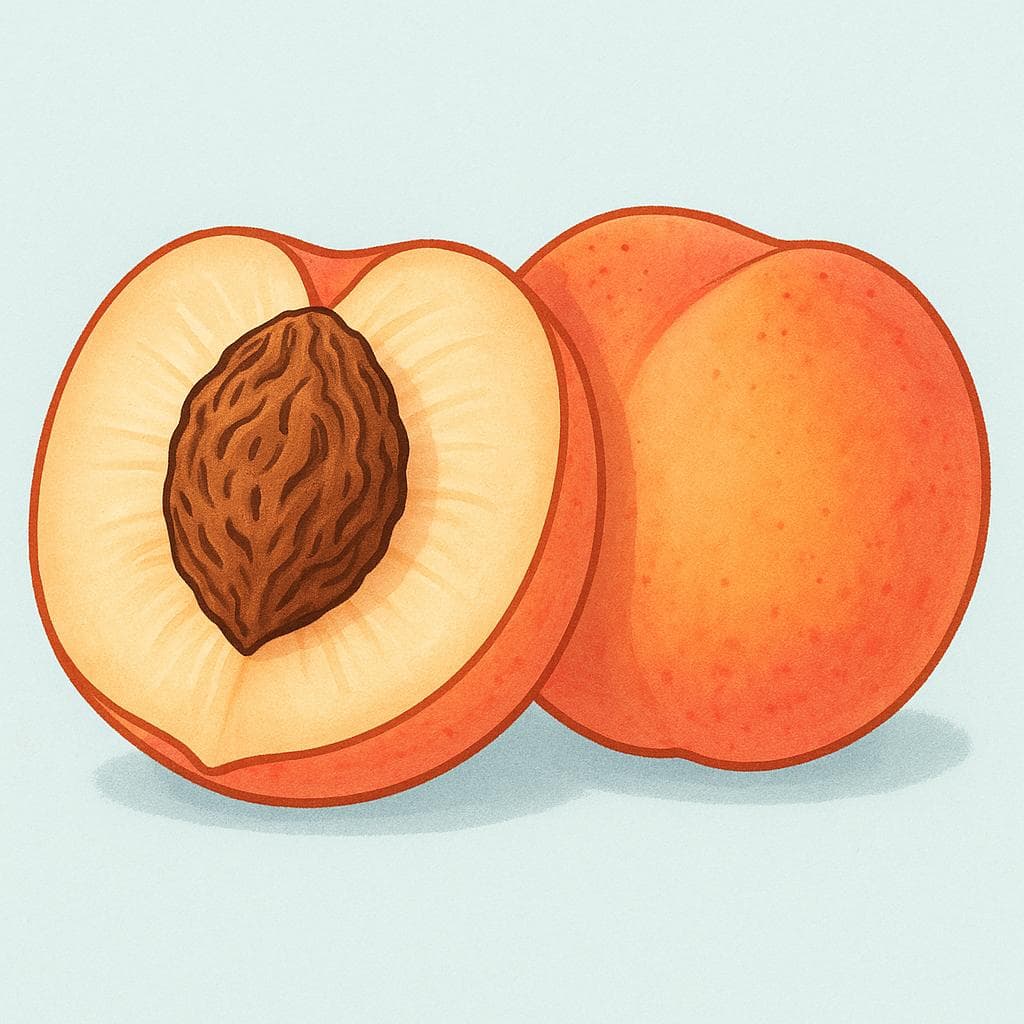
Ten cuidado de no morder el hueso del aguacate.
Be careful not to bite the avocado pit.
Tiré los huesos de las cerezas a la basura.
I threw the cherry pits in the trash.
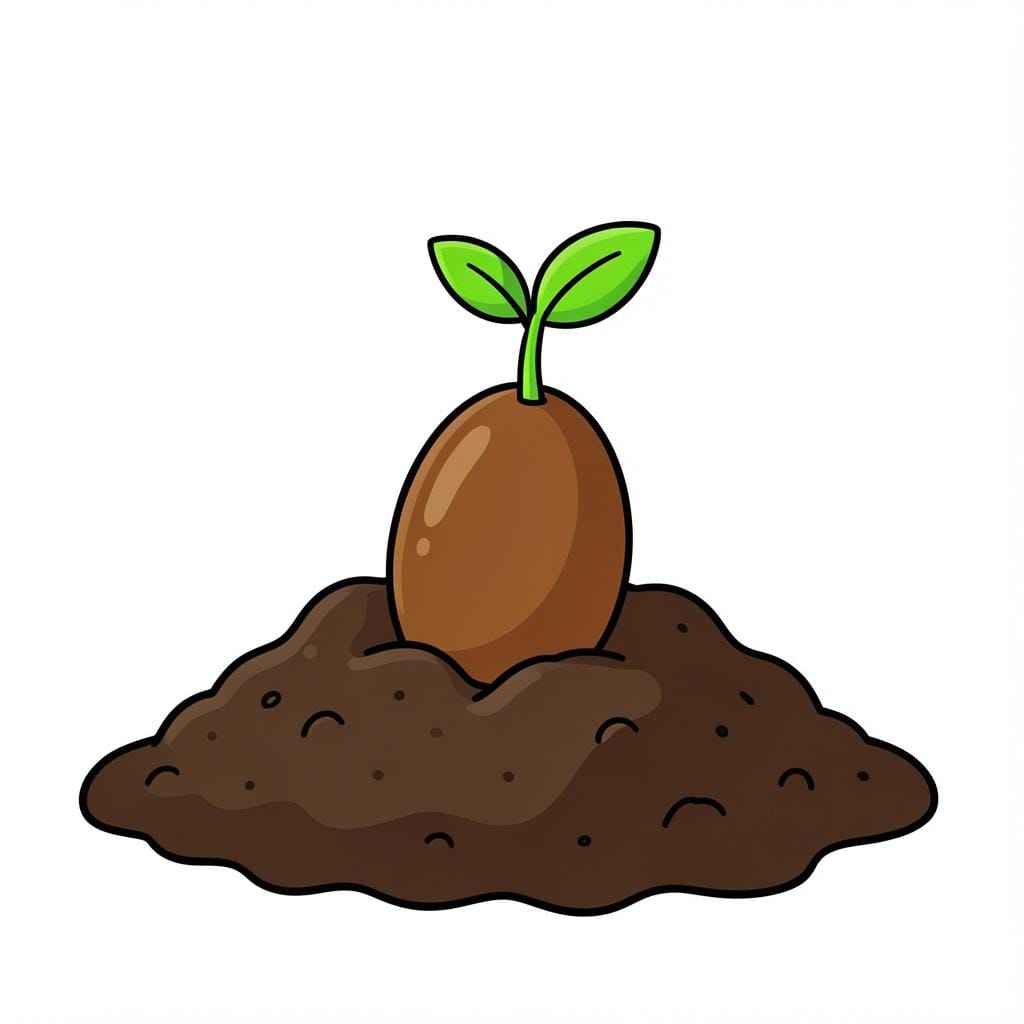
semilla
seh-MEE-yahseˈmiʝa
Examples
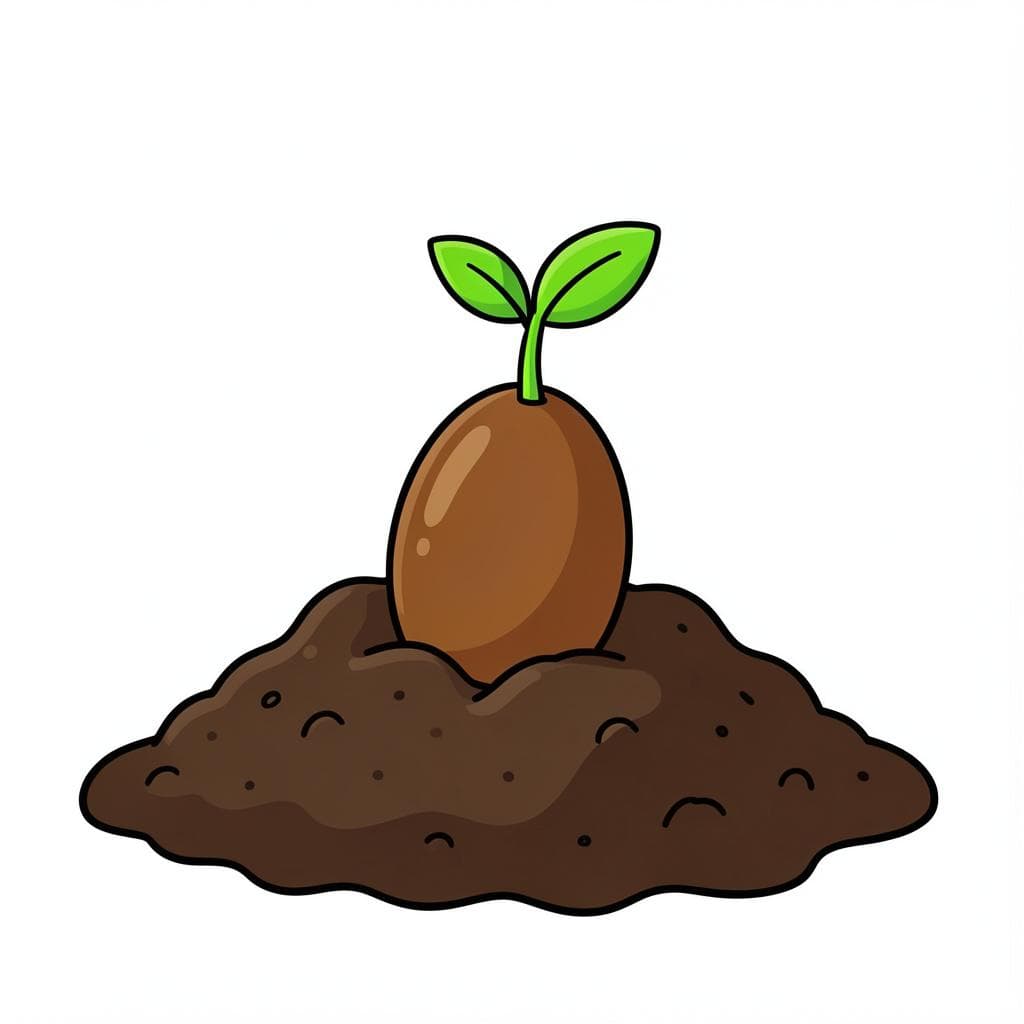
Necesitas plantar la semilla en tierra húmeda.
You need to plant the seed in moist soil.
Esta sandía no tiene semillas.
This watermelon doesn't have seeds.
Las semillas de chía son muy saludables.
Chia seeds are very healthy.
Always Feminine
Even if you are talking about a masculine plant like 'el manzano' (the apple tree), the word 'semilla' stays feminine. Use 'la' and 'una' with it.
Seed vs. Pip
Mistake: “Using 'hueso' for tiny seeds.”
Correction: Use 'hueso' (bone) for large pits like avocados or peaches, but 'semilla' or 'pepita' for small ones like apples or lemons.
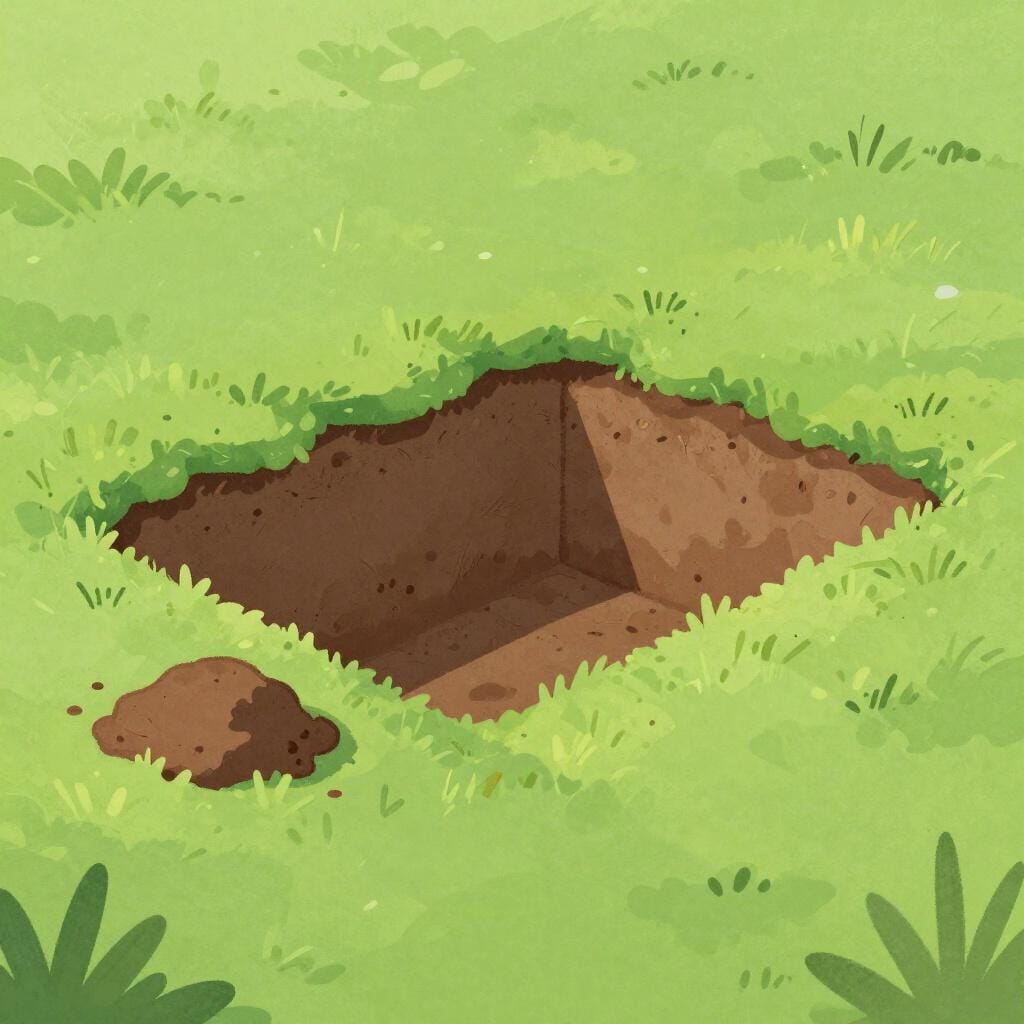
fosa
FOH-sahˈfosa
Examples
Los arqueólogos descubrieron una fosa antigua con restos romanos.
The archaeologists discovered an ancient pit with Roman remains.
Muchos soldados fueron enterrados en una fosa común.
Many soldiers were buried in a mass grave.
Cavaron una fosa profunda para instalar las tuberías.
They dug a deep trench to install the pipes.
Fosa vs. Hoyo
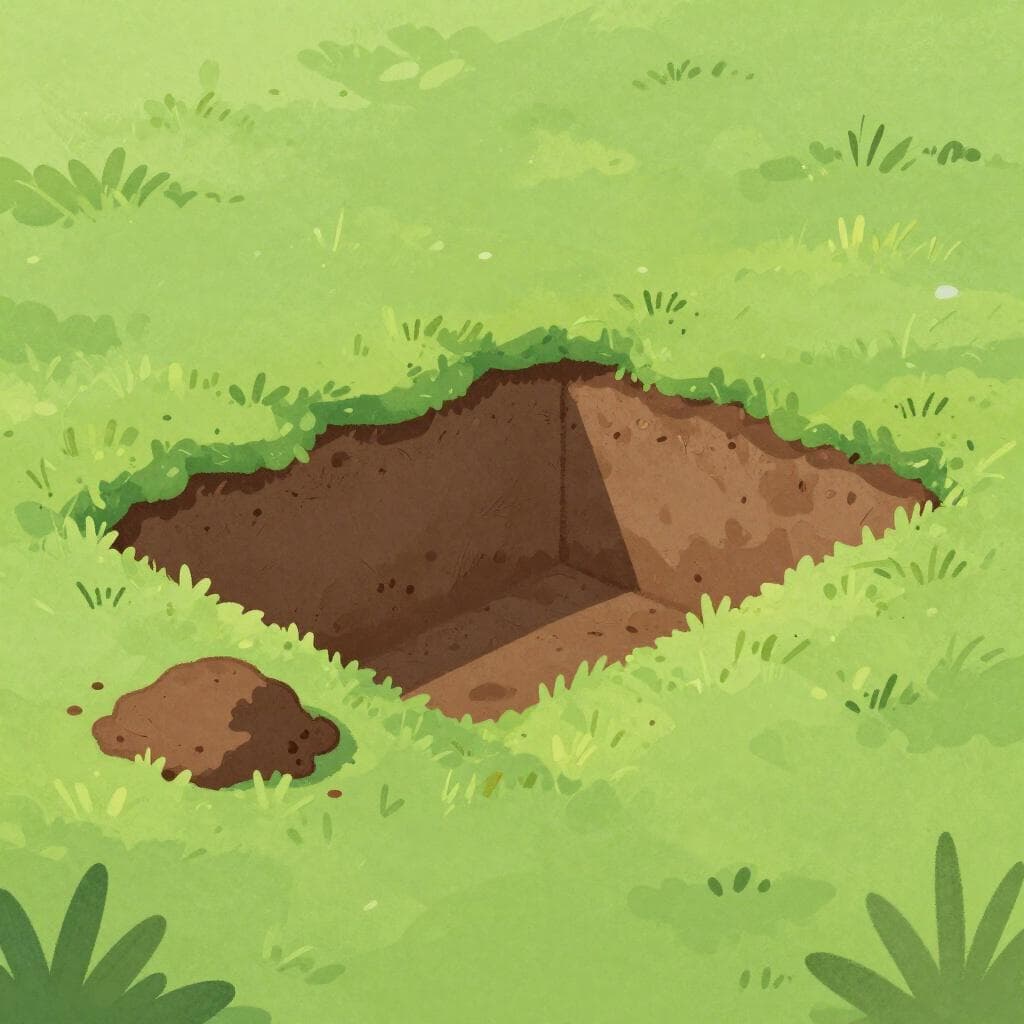
Use 'hoyo' for any generic hole in the ground (like one a dog digs). Use 'fosa' when the hole has a specific purpose, like a grave or a technical trench.
The feminine gender
This word is always feminine ('la fosa'), even though the similar-sounding 'foso' (moat) is masculine.
Mixing up Fosa and Foso
Mistake: “El fosa del castillo.”
Correction: El foso del castillo (moat) or La fosa (pit/grave). Use 'fosa' for graves and 'foso' for castle moats or car mechanic pits.
pozo
POH-sohˈpo.so

Examples
El pozo petrolero ha estado produciendo durante veinte años.
The oil well has been producing for twenty years.
Los mineros descendieron por el pozo principal.
The miners descended through the main shaft.
Después de perder su trabajo, cayó en un pozo de tristeza.
After losing his job, he fell into a pit of sadness.
Mi profesor es un pozo de sabiduría; siempre tiene la respuesta.
My professor is a fountain of knowledge; he always has the answer.
Context is Key
When talking about industry or geology, 'pozo' almost always means a vertical shaft or drilling point, not just a simple hole in the ground.
Metaphorical Usage
When 'pozo' is used figuratively, it emphasizes the idea of depth—a deep lack (of hope) or a deep reservoir (of knowledge).
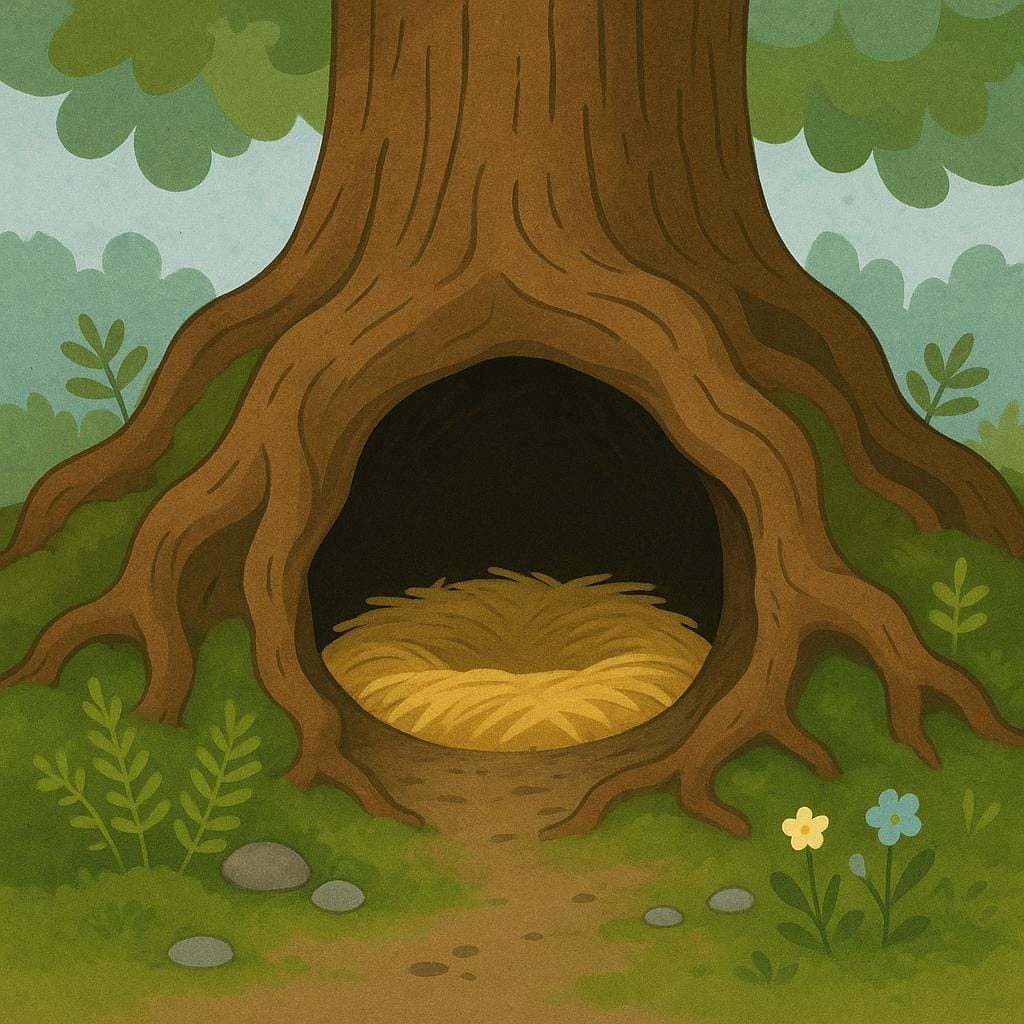
cueva
KWEY-vahˈkwe.βa
Examples
Su oficina es una cueva llena de papeles viejos.
His office is a den full of old papers.
Los ladrones usaron ese almacén abandonado como su cueva.
The thieves used that abandoned warehouse as their hideout.
No salgas de tu cueva, el día está hermoso.
Don't come out of your hole (referring to a secluded room), the day is beautiful.
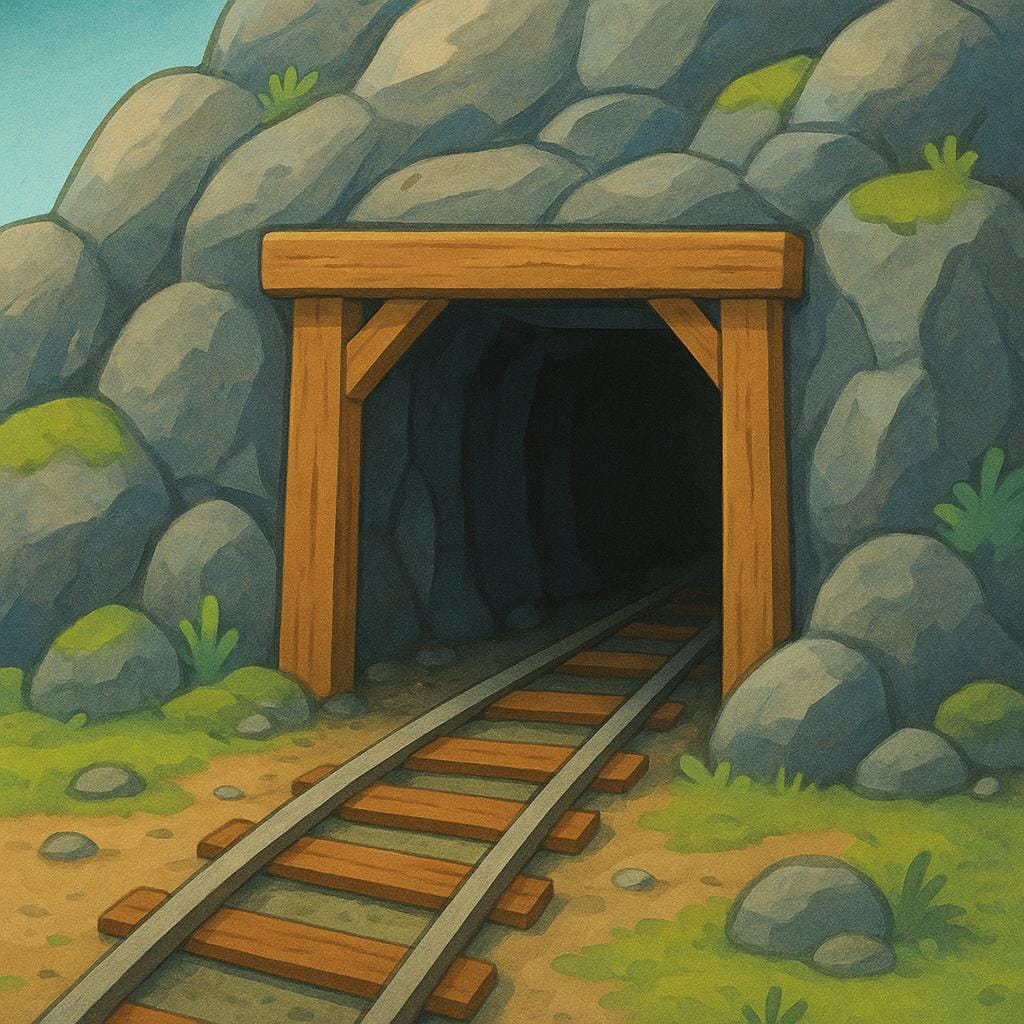
mina
MEE-nahˈmina
Examples
La mina de carbón cerró el año pasado por falta de recursos.
The coal mine closed last year due to lack of resources.
Dicen que el pueblo se fundó cerca de una antigua mina de plata.
They say the town was founded near an old silver mine.
Gender Check
Remember that 'mina' is always feminine, even though it ends in 'a' like many masculine words (e.g., 'día'). You must use 'la' or 'una' before it.
Hoyo vs. Hueso vs. Semilla
Learn Spanish with Inklingo
Interactive stories, personalized learning, and more.