How to Say "babe" in Spanish
The most common Spanish word for “babe” is “baby” — use this when addressing a romantic partner as a term of endearment, similar to 'honey' or 'sweetie' in English.



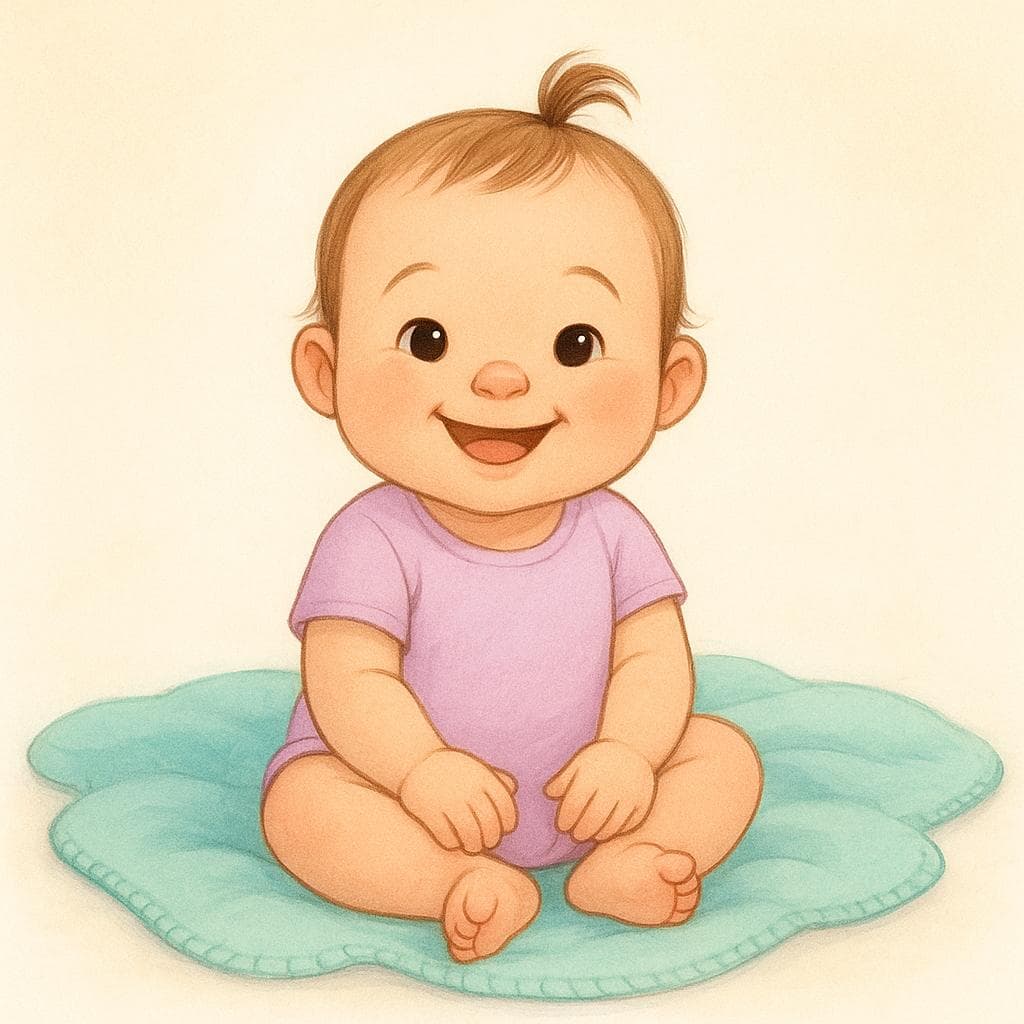


baby
beh-ee-beeˈbei.βi

Examples
Hola, baby, ¿qué haces hoy?
Hey babe, what are you doing today?
Esa canción de reggaetón repite 'baby' muchas veces.
That reggaeton song repeats 'baby' many times.
No te enfades, baby, solo era una broma.
Don't get mad, honey, it was just a joke.
A Borrowed Nickname
This word is taken directly from English. Even though Spanish has many of its own words for 'sweetheart,' young people often use 'baby' because it sounds modern or like the songs they hear.
One Form for Everyone
Unlike most Spanish words that change their ending for boys (-o) and girls (-a), 'baby' usually stays exactly the same regardless of who you are talking to.
Using it for infants
Mistake: “Mira el baby en el cochecito.”
Correction: Mira el bebé en el cochecito.
nena
NEH-nahˈnena

Examples
Hola, nena, ¿cómo estuvo tu día?
Hi, babe, how was your day?
Te quiero mucho, nena.
I love you so much, baby.
Nena, ¿quieres ir al cine esta noche?
Babe, do you want to go to the movies tonight?
mami
MAH-meeˈmami

Examples
¡Qué linda estás hoy, mami!
You look beautiful today, babe!
Ella es la mami del barrio; todos la miran.
She is the 'hottie' of the neighborhood; everyone looks at her.
Vocative Use
In this slang sense, 'mami' is often used to directly address someone, acting as a personal nickname.
Using in Formal Settings
Mistake: “Addressing a female boss or older relative as 'mami' in this context.”
Correction: This term is very informal and potentially suggestive. Reserve it for very casual or intimate situations to avoid offense.
muñeca
Examples
¡Mira qué muñeca! Es la chica más guapa de la fiesta.
Look at that babe! She's the prettiest girl at the party.
beba
beh-bahˈbeβa
Examples
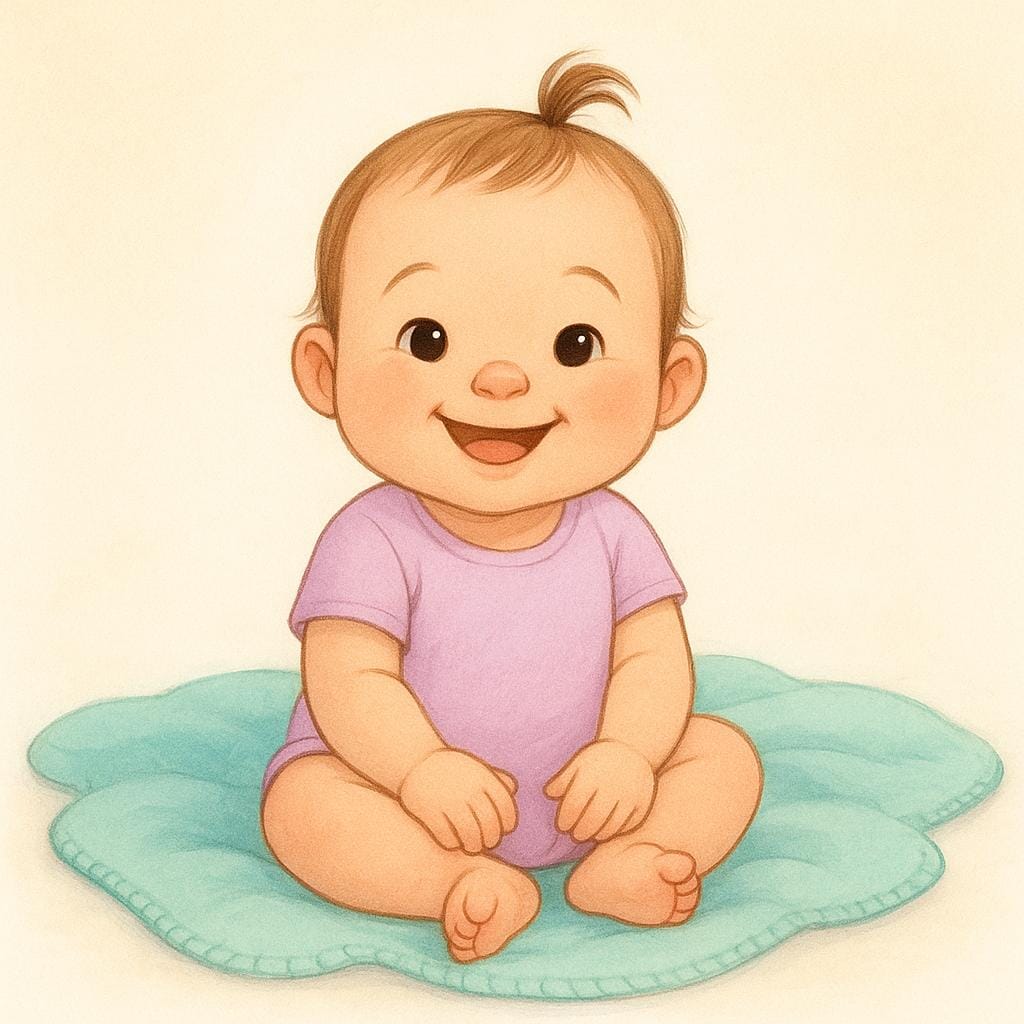
La beba nació ayer por la mañana.
The baby girl was born yesterday morning.
¡Qué linda está la beba!
The baby girl looks so cute!
Feminine Ending
While 'bebé' can be used for both boys and girls, 'beba' is specifically used to highlight that the baby is female.
papi
PAH-peeˈpa.pi

Examples
¿A dónde quieres ir de vacaciones, papi?
Where do you want to go on vacation, babe?
Te preparé café, papi. Está en la mesa.
I made you coffee, honey. It's on the table.
Using 'Papi' with Strangers (Non-Slang)
Mistake: “Using 'papi' to refer to a male acquaintance or boss.”
Correction: Reserve 'papi' for very close family (dad/son) or romantic partners. Use 'señor' or 'jefe' for formality.
mina
MEE-nahˈmina
Examples
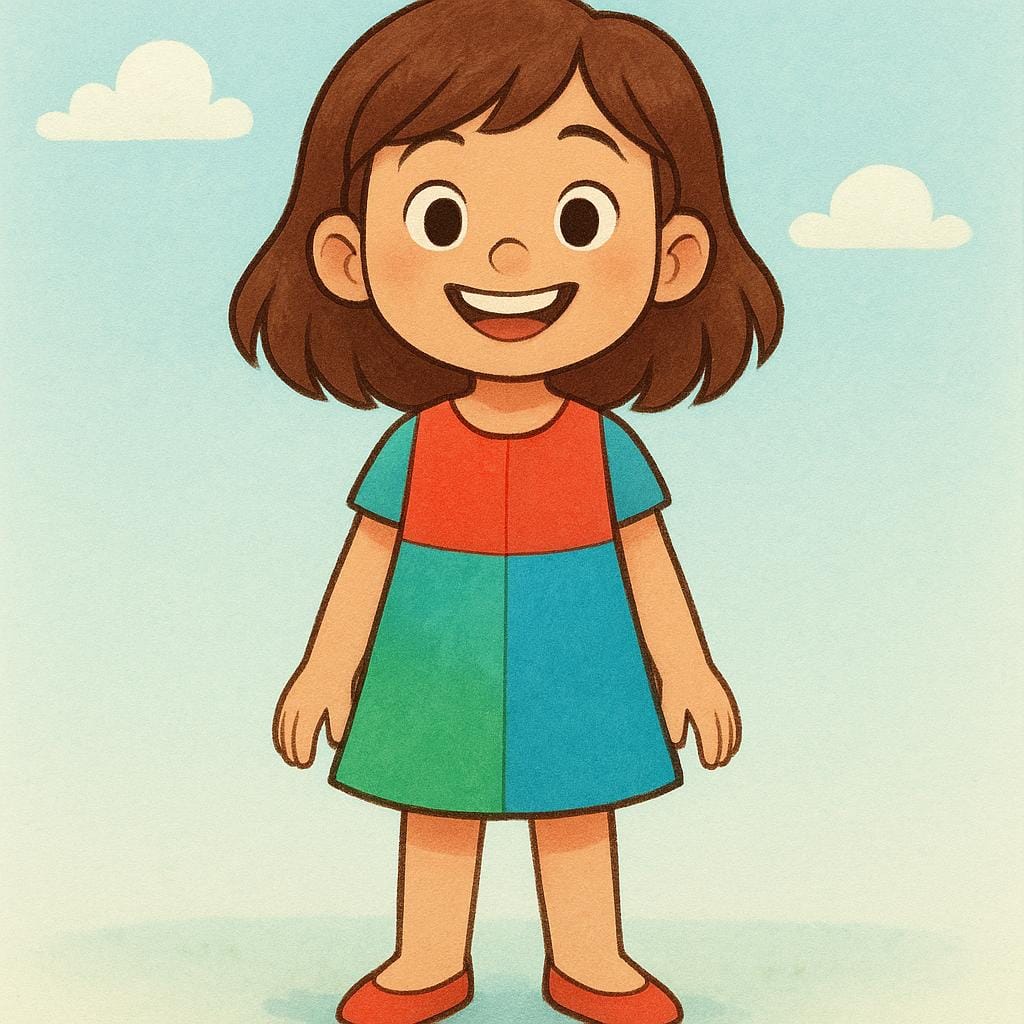
Qué buena mina, siempre tiene una sonrisa.
What a nice girl, she always has a smile.
¿Viste a la mina nueva que trabaja en la tienda?
Did you see the new girl working at the store? (Chile)
Slang Alert
This meaning is highly regional. Using 'mina' to mean 'girl' in Spain or Mexico will likely confuse people, as they prefer 'chica' or 'mujer'.
Context is Key
Mistake: “Using 'mina' in a formal setting (e.g., a business meeting) to refer to a professional woman.”
Correction: In formal settings, always use 'señorita' or 'mujer'. 'Mina' is reserved for casual conversation among friends.
cuero
KWEH-rohˈkweɾo

Examples
Esa actriz es un cuero, siempre sale perfecta en las fotos.
That actress is a stunner, she always looks perfect in photos.
¡Qué cuero de hombre!
What a hot guy!
Misunderstanding Context
Mistake: “Using this meaning in a formal setting.”
Correction: This usage is highly informal and should be reserved for casual conversations with friends. Stick to 'guapo' or 'atractivo' in neutral situations.
Distinguishing Terms of Endearment from Descriptions
Related Translations
Learn Spanish with Inklingo
Interactive stories, personalized learning, and more.