beba
“beba” means “drink” in Spanish. It has 2 different meanings depending on context:

drink
Also: that I drink, that he/she drinks
📝 In Action
Es importante que usted beba mucha agua.
A2It is important that you drink a lot of water.
Beba un poco de este té para sentirse mejor.
B1Drink a bit of this tea to feel better.
Mi madre no quiere que yo beba refrescos.
B1My mother doesn't want me to drink sodas.
baby girl
Also: babe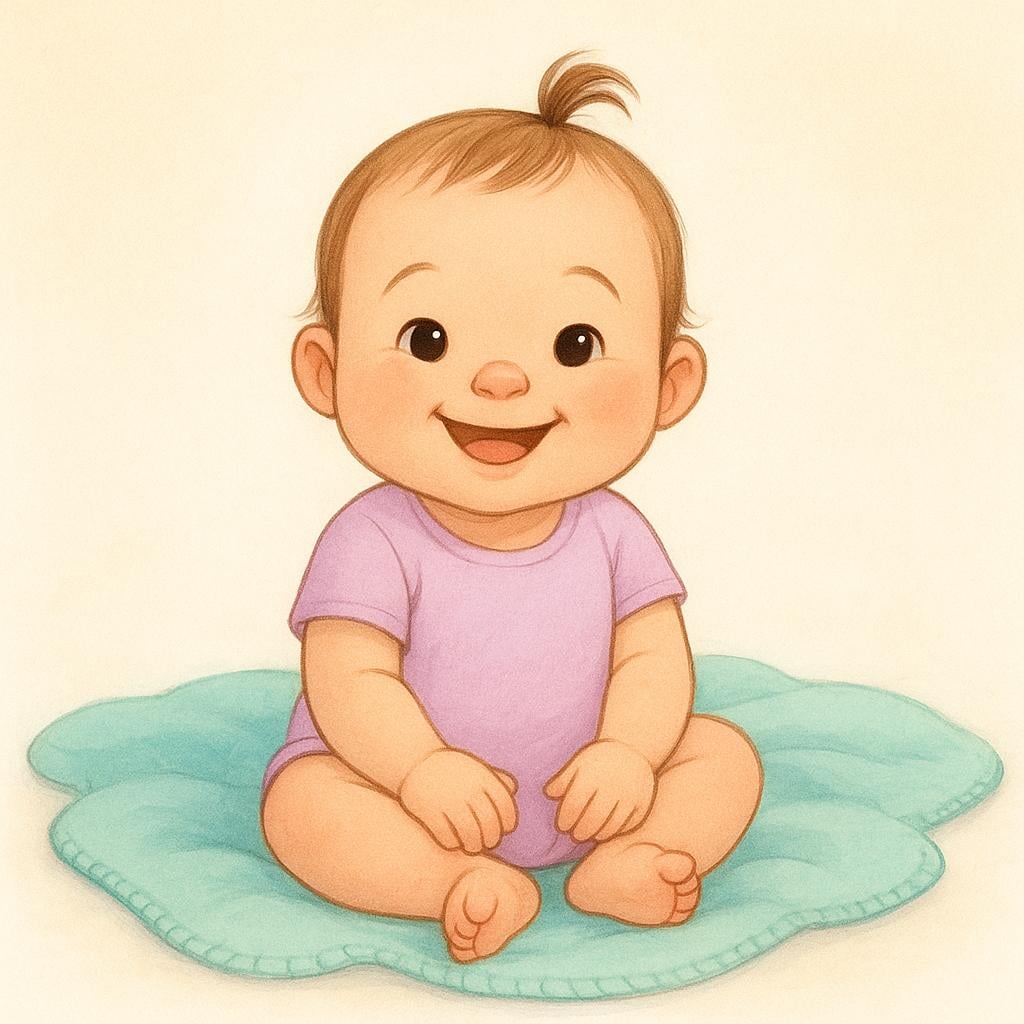
📝 In Action
La beba nació ayer por la mañana.
A2The baby girl was born yesterday morning.
¡Qué linda está la beba!
A1The baby girl looks so cute!
Subjunctive
Present Subjunctive
Imperfect Subjunctive
Indicative
Present
Imperfect
Preterite
Translate to Spanish
✏️ Quick Practice
Quick Quiz: beba
Question 1 of 2
Which sentence uses 'beba' as a polite command?
📚 More Resources
📚 Etymology▼
For the verb: from the Latin 'bibere' (to drink). For the noun: a feminine variation of 'bebé', which comes from the French word 'bébé'.
First recorded: 13th century (verb), 19th century (noun variation)
Cognates (Related words)
💡 Master Spanish
Take your Spanish to the next level. Read 200+ illustrated and narrated Spanish stories tailored to your level with the Inklingo app!
Frequently Asked Questions
Is 'beba' the same as 'bebé'?
Not exactly. 'Bebé' is the general word for baby (male or female). 'Beba' is specifically for a girl and is more informal or affectionate.
Why does the verb change from 'bebe' to 'beba'?
Spanish uses a 'vowel swap' to show that a sentence is a command, a wish, or a doubt. For -er verbs like 'beber', the 'e' swaps to 'a'.