How to Say "girl" in Spanish
The most common Spanish word for “girl” is “muchacha” — use this for a general, all-purpose term for a female child or teenager, especially when the context is neutral or you're introducing them.
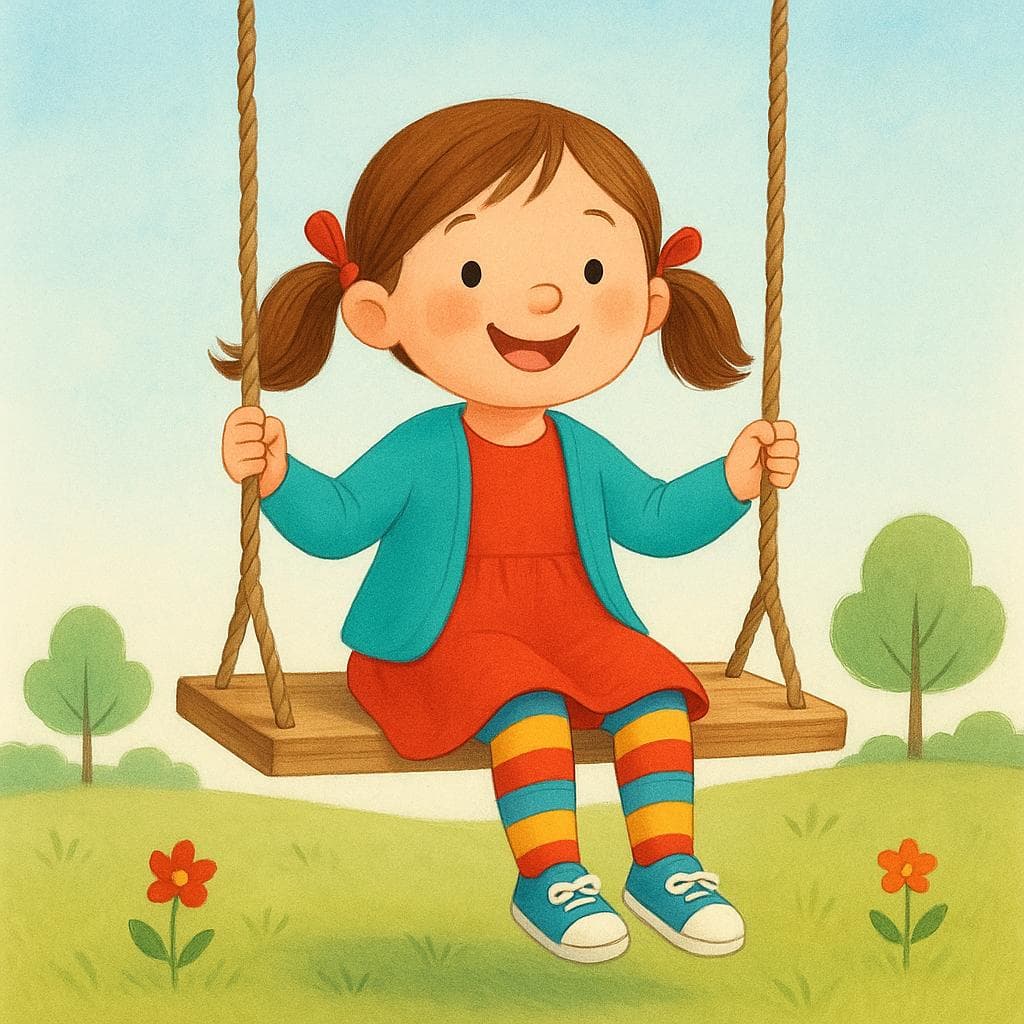
Use this for a general, all-purpose term for a female child or teenager, especially when the context is neutral or you're introducing them.
Learn more →This is the most common word for a young female child, typically under 12. It can also be used affectionately for older women in some contexts.
Learn more →This is a very common and versatile word for a girl or young woman, suitable for most informal and neutral situations.
Learn more →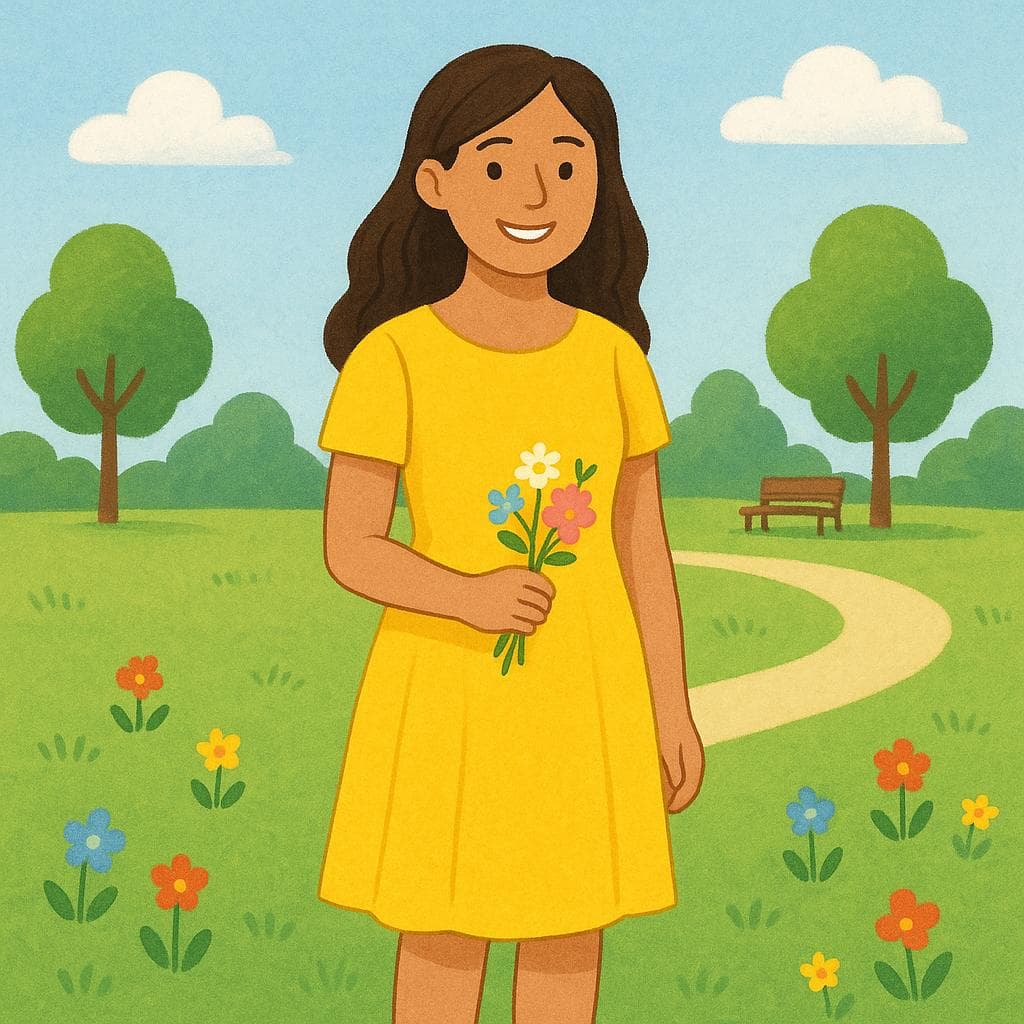
Use this specifically for a young woman, often in her late teens or early twenties, and frequently with a slightly more formal or affectionate tone.
Learn more →This is a very informal and common slang term used among friends, especially in Spain, to refer to a young woman.
Learn more →
While literally meaning 'daughter', this is often used informally as a term of endearment by an older person speaking to a younger woman, similar to 'dear' or 'my girl'.
Learn more →
Use this casually when addressing a young woman you know or in a flirty context; it's similar to calling someone 'sweetie' or 'baby'.
Learn more →
This is a regional slang term, particularly in the Río de la Plata region (Argentina/Uruguay), to refer to a young woman in a youthful way.
Learn more →
This is informal slang, common in Argentina and Uruguay, for an attractive young woman.
Learn more →moo-CHAH-chahmuˈtʃa.tʃa
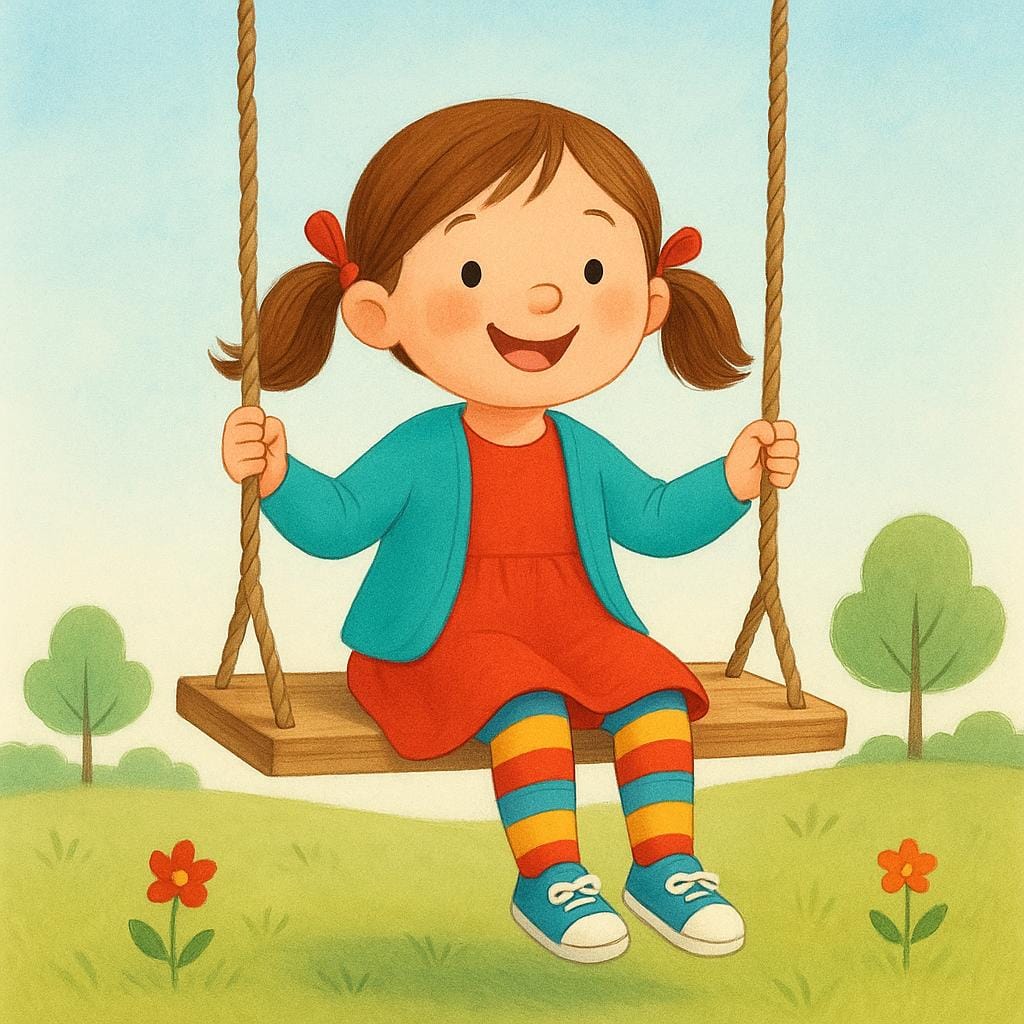
Examples
La muchacha del pelo rojo es mi prima.
The girl with the red hair is my cousin.
Vimos a un grupo de muchachas jugando en el parque.
We saw a group of girls playing in the park.
¡Muchacha! ¿Puedes ayudarme con esto?
Hey, girl! Can you help me with this?
Gender Match
Since 'muchacha' is feminine, any describing words (adjectives) you use with it must also match the feminine form: 'la muchacha alta' (the tall girl).
niña
Examples
La niña juega con su muñeca.
The girl plays with her doll.
chica
Examples
Esa chica es muy inteligente.
That girl is very smart.
ho-ven-SEE-taxoβenˈsi.ta

Examples
La jovencita de la tienda es muy amable.
The young woman at the store is very kind.
¿Quién es esa jovencita que acaba de entrar?
Who is that young girl who just walked in?
Mi hermana mayor ya no es una niña; es toda una jovencita.
My older sister is no longer a child; she is quite a young woman.
The Diminutive Suffix -cita
The ending '-cita' is a diminutive suffix, which means it makes the base word ('joven') seem smaller, cuter, or younger. It often carries a warm, affectionate feeling.
Confusing Gender
Mistake: “Usando 'jovencito' para una mujer.”
Correction: Since 'jovencita' ends in '-a', it is always feminine and refers to a female person. The masculine form is 'jovencito'.
tía
Examples
Oye, tía, ¿qué tal?
Hey girl, what's up?
ee-khahˈixa

Examples
Ven aquí, hija, que te ayudo con eso.
Come here, dear, let me help you with that.
¡Pero hija, cómo se te ocurre hacer eso!
Oh honey, how could you even think of doing that!
Ella es hija de su tiempo, con ideas muy modernas.
She is a daughter of her time, with very modern ideas.
The Contraction 'Mija'
You'll often hear 'mija', which is just 'mi' (my) + 'hija' (daughter) squished together. It's a very common and warm way to address a daughter or a younger woman you feel close to.
Not Always Literal
Mistake: “Thinking an older stranger calling you 'hija' is your actual mother.”
Correction: When an older person calls you 'hija', it's usually a friendly, motherly gesture, like saying 'dear' or 'sweetie' in English. They're not claiming to be your parent!
NEH-nahˈnena

Examples
Oye, nena, ¿me pasas la sal?
Hey girl, can you pass me the salt?
Tranquila, nena, no te preocupes, todo va a estar bien.
Calm down, honey, don't worry, everything will be fine.
Watch Your Tone!
Mistake: “Calling an older woman, a stranger, or a professional colleague 'nena'.”
Correction: Use 'señora', 'disculpe', or her name. 'Nena' can sound disrespectful or overly familiar with strangers or in formal settings. It's best to avoid this usage unless you know the person very well.
CHEE-nahˈtʃi.na

Examples
Qué linda esa china que trabaja en la cafetería.
What a pretty girl/young woman who works at the cafeteria.
Las chinas vinieron a preguntar por el camino.
The girls came to ask for directions.
MEE-nahˈmina
Examples
Qué buena mina, siempre tiene una sonrisa.
What a nice girl, she always has a smile.
¿Viste a la mina nueva que trabaja en la tienda?
Did you see the new girl working at the store? (Chile)
Slang Alert
This meaning is highly regional. Using 'mina' to mean 'girl' in Spain or Mexico will likely confuse people, as they prefer 'chica' or 'mujer'.
Context is Key
Mistake: “Using 'mina' in a formal setting (e.g., a business meeting) to refer to a professional woman.”
Correction: In formal settings, always use 'señorita' or 'mujer'. 'Mina' is reserved for casual conversation among friends.
Choosing between 'niña' and 'muchacha'
The most common confusion for learners is between 'niña' and 'muchacha'. Remember that 'niña' specifically refers to a young child (think under 12), while 'muchacha' is a broader term for a female child or teenager and is often a safer, more general choice.
Related Translations
Learn Spanish with Inklingo
Interactive stories, personalized learning, and more.