How to Say "young woman" in Spanish
The most common Spanish word for “young woman” is “muchacha” — use 'muchacha' for a general, common term referring to a girl or young woman, particularly for adolescents and young adults.
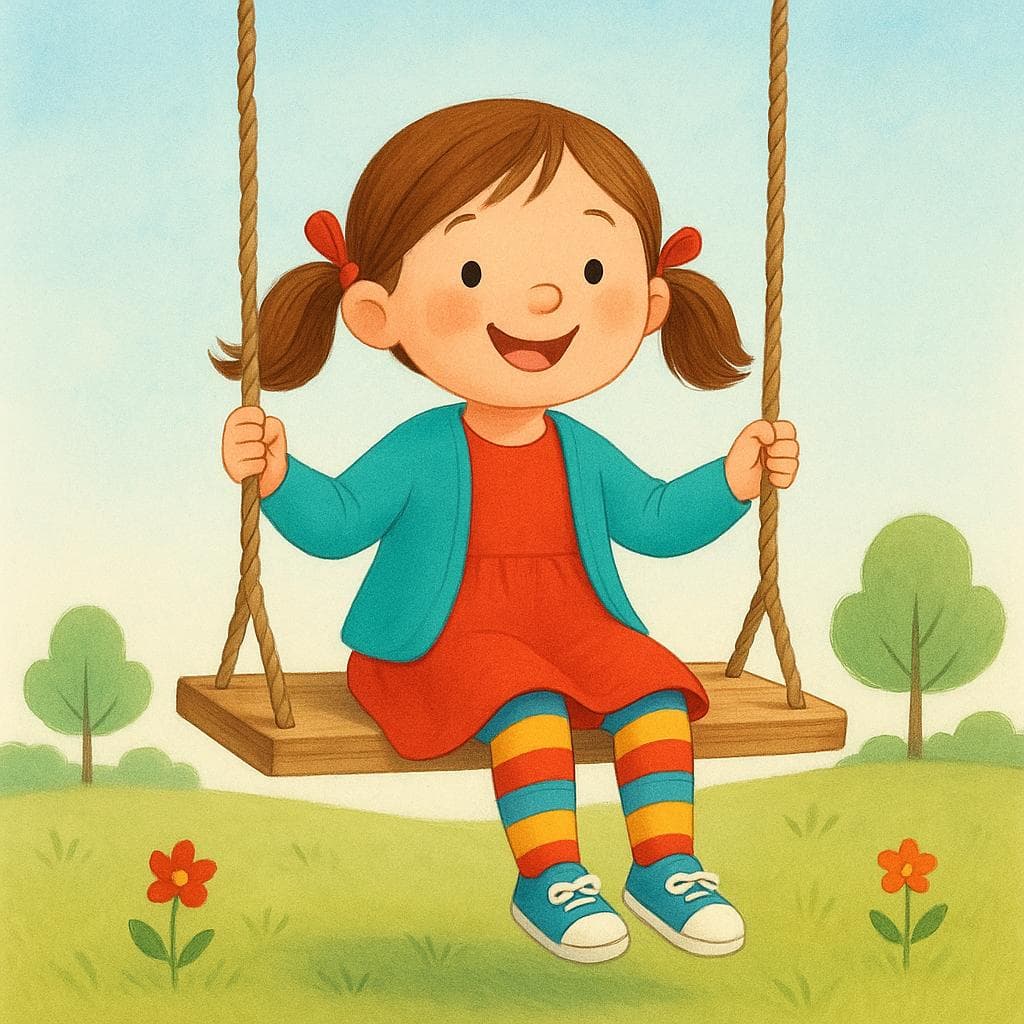
Use 'muchacha' for a general, common term referring to a girl or young woman, particularly for adolescents and young adults.
Learn more →
Use 'joven' as a neutral and very common term for a young person, which can refer to a young woman as well as a young man.
Learn more →
Use 'jovencita' specifically for a young female, typically a teenager or a very young woman, often implying a touch of youthfulness or slight formality.
Learn more →
Use 'china' as informal slang, primarily in the Río de la Plata region (Argentina, Uruguay), to refer to a girl or young woman.
Learn more →moo-CHAH-chahmuˈtʃa.tʃa
Examples
La muchacha del pelo rojo es mi prima.
The girl with the red hair is my cousin.
Vimos a un grupo de muchachas jugando en el parque.
We saw a group of girls playing in the park.
¡Muchacha! ¿Puedes ayudarme con esto?
Hey, girl! Can you help me with this?
Gender Match
Since 'muchacha' is feminine, any describing words (adjectives) you use with it must also match the feminine form: 'la muchacha alta' (the tall girl).
kho-benˈxoβen

Examples
El joven de la camisa azul es mi primo.
The young man in the blue shirt is my cousin.
Una joven me preguntó la hora.
A young woman asked me for the time.
Los jóvenes de hoy en día usan mucho el móvil.
Young people nowadays use their phones a lot.
Gender is Shown by 'el' or 'la'
The word 'joven' itself doesn't change gender. You show if you're talking about a male or female by using 'el' or 'un' for a male ('el joven') and 'la' or 'una' for a female ('la joven').
ho-ven-SEE-taxoβenˈsi.ta

Examples
La jovencita de la tienda es muy amable.
The young woman at the store is very kind.
¿Quién es esa jovencita que acaba de entrar?
Who is that young girl who just walked in?
Mi hermana mayor ya no es una niña; es toda una jovencita.
My older sister is no longer a child; she is quite a young woman.
The Diminutive Suffix -cita
The ending '-cita' is a diminutive suffix, which means it makes the base word ('joven') seem smaller, cuter, or younger. It often carries a warm, affectionate feeling.
Confusing Gender
Mistake: “Usando 'jovencito' para una mujer.”
Correction: Since 'jovencita' ends in '-a', it is always feminine and refers to a female person. The masculine form is 'jovencito'.
CHEE-nahˈtʃi.na

Examples
Qué linda esa china que trabaja en la cafetería.
What a pretty girl/young woman who works at the cafeteria.
Las chinas vinieron a preguntar por el camino.
The girls came to ask for directions.
General vs. Specific Terms
Learners often confuse 'muchacha' and 'joven' with more specific terms like 'jovencita' or regional slang like 'china'. While 'muchacha' and 'joven' are broadly applicable, 'jovencita' implies a younger age, and 'china' is highly regional and informal.
Related Translations
Learn Spanish with Inklingo
Interactive stories, personalized learning, and more.