muchacha
“muchacha” means “girl” in Spanish. It has 2 different meanings depending on context:
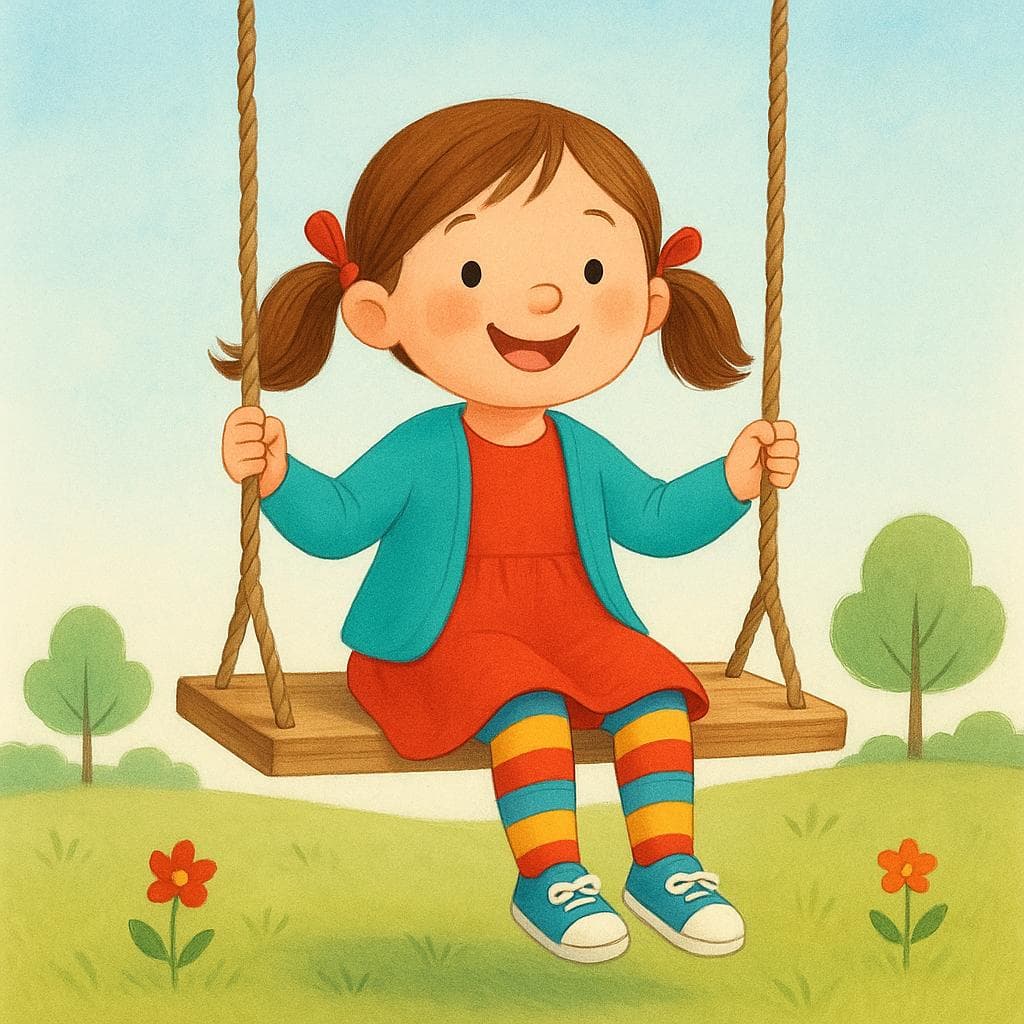
girlAlso: young woman, lass

📝 In Action
La muchacha del pelo rojo es mi prima.
A1The girl with the red hair is my cousin.
Vimos a un grupo de muchachas jugando en el parque.
A2We saw a group of girls playing in the park.
¡Muchacha! ¿Puedes ayudarme con esto?
A1Hey, girl! Can you help me with this?
Word Connections
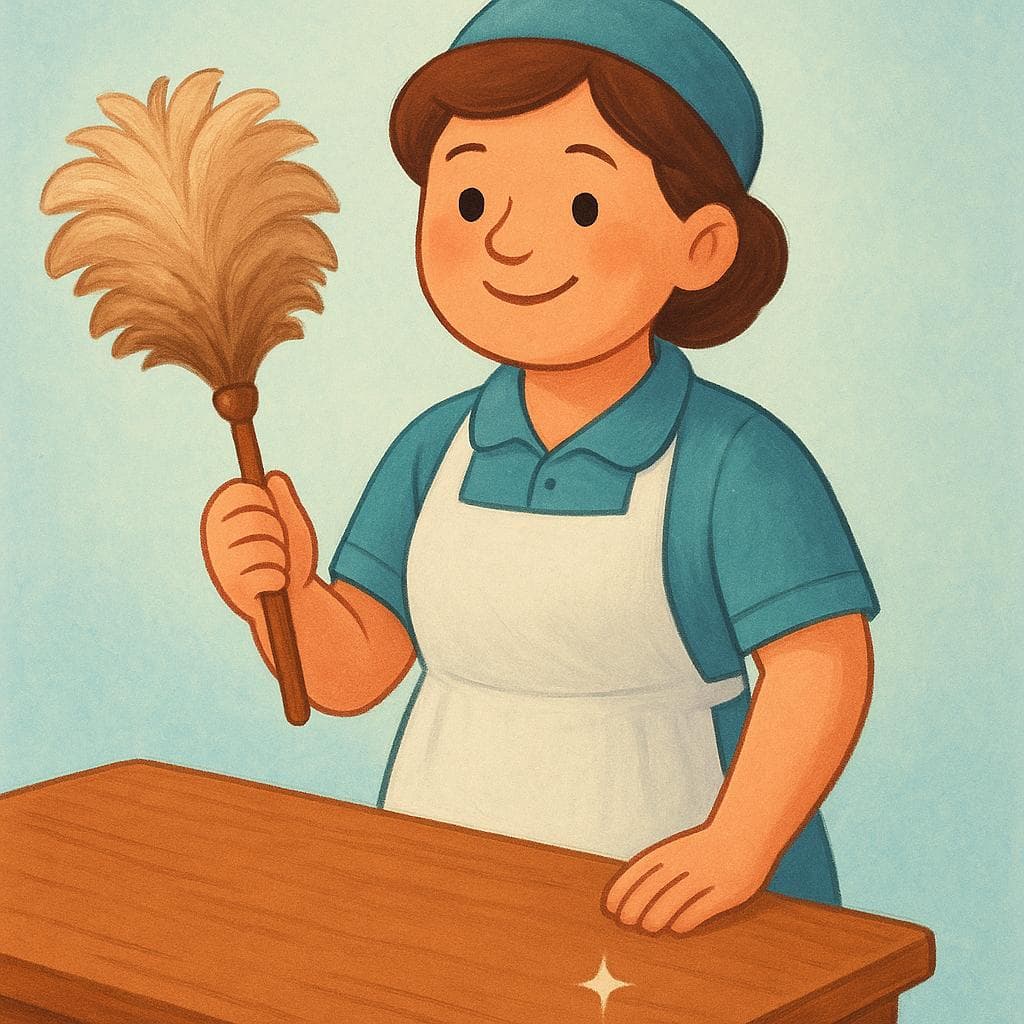
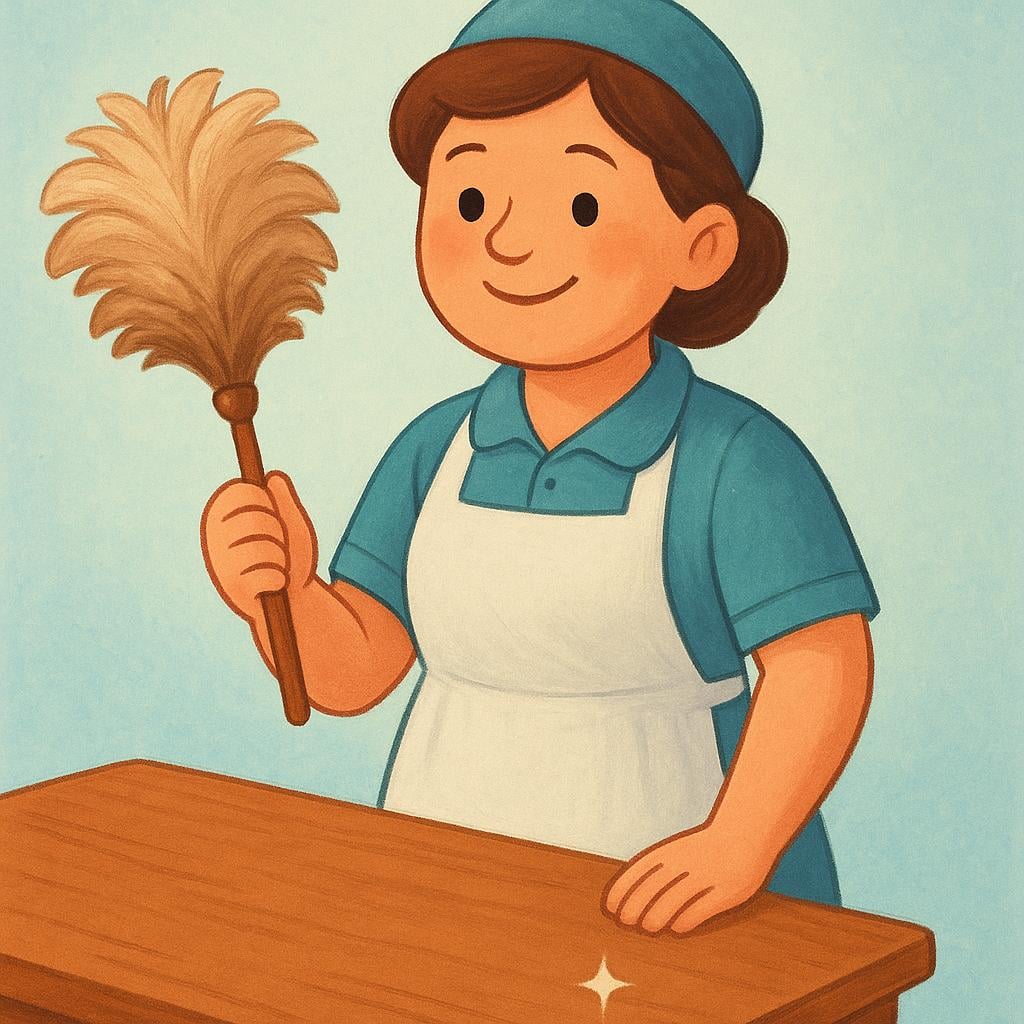
maidAlso: housekeeper
📝 In Action
Necesitamos una muchacha que sepa cocinar y limpiar.
B1We need a maid who knows how to cook and clean.
La muchacha se encarga de la ropa sucia.
B2The housekeeper takes care of the laundry.
Word Connections
Translate to Spanish
Words that translate to "muchacha" in Spanish:
✏️ Quick Practice
Quick Quiz: muchacha
Question 1 of 1
Which sentence uses 'muchacha' in its secondary meaning (domestic worker)?
📚 More Resources
👥 Word Family
🎵 Rhymes
📚 Etymology
The word 'muchacha' likely evolved from the Old Spanish word 'mozo' (young person, youth, or servant), possibly influenced by the Portuguese word 'mucha' (girl). It has always been used to describe someone young.
First recorded: 15th century
Cognates (Related words)
💡 Master Spanish
Take your Spanish to the next level. Read 200+ illustrated and narrated Spanish stories tailored to your level with the Inklingo app!
Frequently Asked Questions
What is the difference between 'muchacha' and 'chica'?
'Chica' is generally more common in Spain and means 'girl.' 'Muchacha' is widely used across Latin America, often interchangeable with 'chica,' but it can sometimes imply a slightly older teenager or young woman, or be used in the specific context of a domestic helper.
Can I use 'muchacha' to refer to my adult daughter?
Yes, informally. While it literally means 'young woman,' parents often use 'mi muchacha' affectionately to refer to their adult daughters, similar to how English speakers might use 'my girl.'