nena
“nena” means “little girl” in Spanish. It has 3 different meanings depending on context:
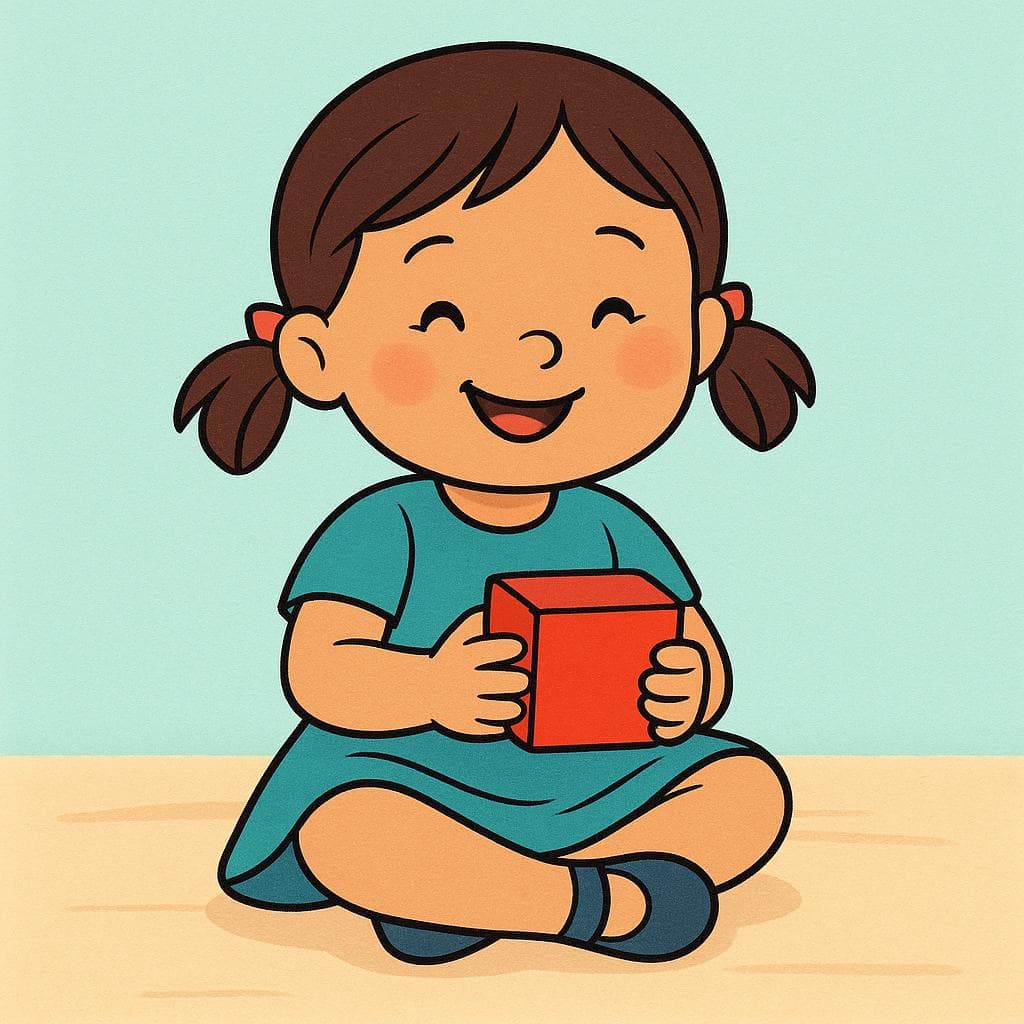


little girl
Also: baby girl, sweetie
📝 In Action
La nena está durmiendo la siesta.
A2The little girl is taking a nap.
¡Qué bonita está la nena con ese vestido!
A2The little girl looks so pretty in that dress!
babe
Also: baby, darling, honey
📝 In Action
Hola, nena, ¿cómo estuvo tu día?
B1Hi, babe, how was your day?
Te quiero mucho, nena.
A2I love you so much, baby.
Nena, ¿quieres ir al cine esta noche?
B1Babe, do you want to go to the movies tonight?
girl
Also: chick, honey
📝 In Action
Oye, nena, ¿me pasas la sal?
B2Hey, girl, can you pass me the salt?
Tranquila, nena, no te preocupes, todo va a estar bien.
B2Calm down, honey, don't worry, everything will be fine.
Translate to Spanish
✏️ Quick Practice
Quick Quiz: nena
Question 1 of 1
Your friend is telling you about his romantic evening. Which sentence is he most likely to say?
📚 More Resources
👥 Word Family▼
📚 Etymology▼
Comes from baby talk. It's what's called an 'expressive creation,' meaning it likely started from the simple, repetitive sounds babies make or that adults use to talk to them, like 'ne-ne'.
First recorded: 19th century
Cognates (Related words)
💡 Master Spanish
Take your Spanish to the next level. Read 200+ illustrated and narrated Spanish stories tailored to your level with the Inklingo app!
Frequently Asked Questions
Can I use 'nena' to talk to any woman?
It's safest to only use 'nena' for your own small child or your romantic partner. Using it with friends is possible depending on your relationship, but calling a stranger, an older woman, or a colleague 'nena' can sound disrespectful or condescending.
What is the difference between 'nena' and 'niña'?
'Niña' is the standard, neutral word for 'girl'. 'Nena' is an informal and affectionate version, like the difference between 'girl' and 'sweetie' or 'little one'. You'd see 'niña' in a textbook, but you'd hear 'nena' at home.