How to Say "abyss" in Spanish
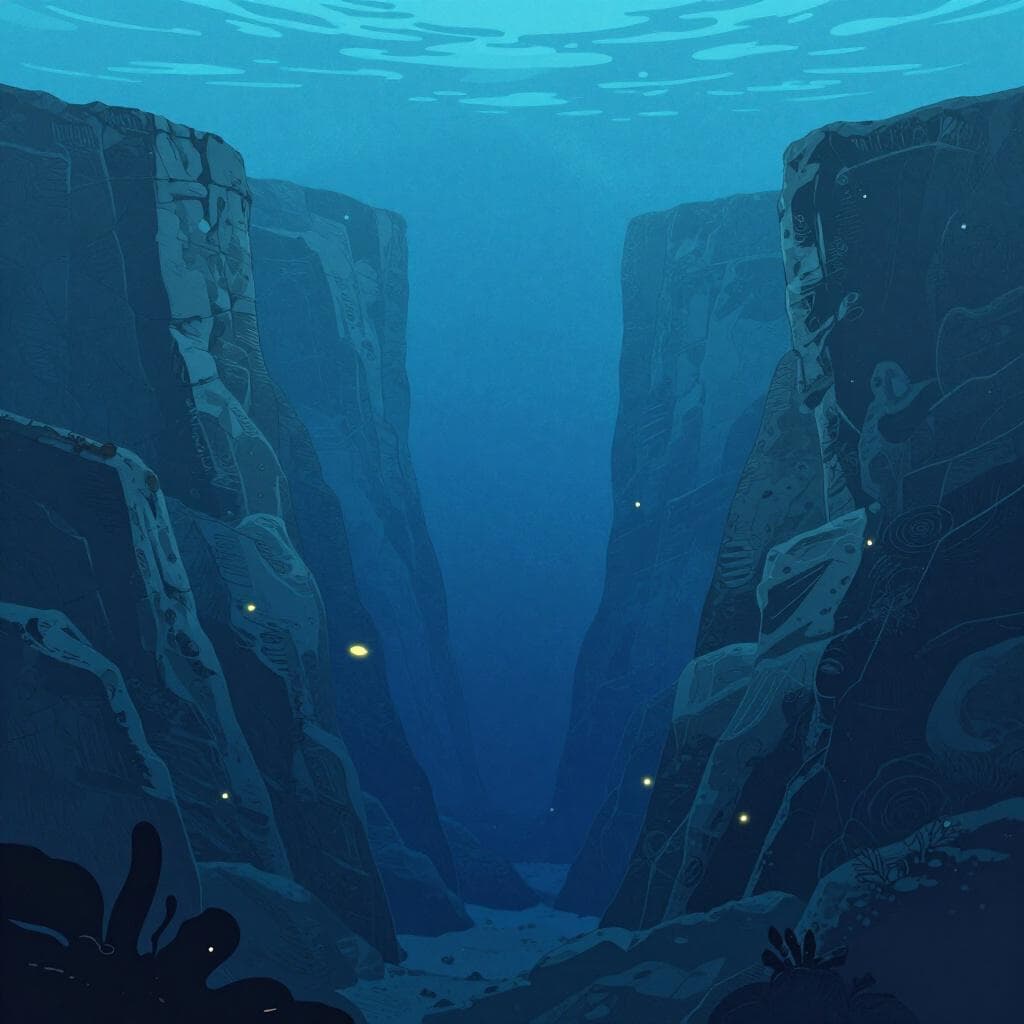
The most common Spanish word for “abyss” is “abismo” — use 'abismo' when referring to a deep, physical chasm, gorge, or a metaphorical bottomless pit of despair.

abismo
ah-BEES-mohaˈβismo

Examples
El montañista se detuvo al borde del abismo.
The mountain climber stopped at the edge of the abyss.
Las profundidades del océano son un abismo oscuro.
The depths of the ocean are a dark abyss.
Sentí miedo al mirar hacia el abismo desde el puente.
I felt afraid looking down into the chasm from the bridge.
Always Masculine
Even though it ends in 'o', it is helpful to remember it is a masculine word: 'el abismo'. It never changes to 'abisma'.
Using 'al'
When you say you are going 'to the' abyss, combine 'a' and 'el' to make 'al': 'Caminó al abismo'.
Confusing with 'precipicio'
Mistake: “Using 'abismo' for a small drop.”
Correction: Use 'abismo' for something that feels bottomless or incredibly deep; 'precipicio' is better for a standard cliff.
fosa
FOH-sahˈfosa

Examples
La fosa de las Marianas es el lugar más profundo del mundo.
The Mariana Trench is the deepest place in the world.
Existen criaturas extrañas viviendo en las fosas oceánicas.
There are strange creatures living in the ocean trenches.
pozo
POH-sohˈpo.so
Examples
Después de perder su trabajo, cayó en un pozo de tristeza.
After losing his job, he fell into a pit of sadness.
Mi profesor es un pozo de sabiduría; siempre tiene la respuesta.
My professor is a fountain of knowledge; he always has the answer.
Metaphorical Usage
When 'pozo' is used figuratively, it emphasizes the idea of depth—a deep lack (of hope) or a deep reservoir (of knowledge).
Abismo vs. Pozo for feelings
Related Translations
Learn Spanish with Inklingo
Interactive stories, personalized learning, and more.