How to Say "grave" in Spanish
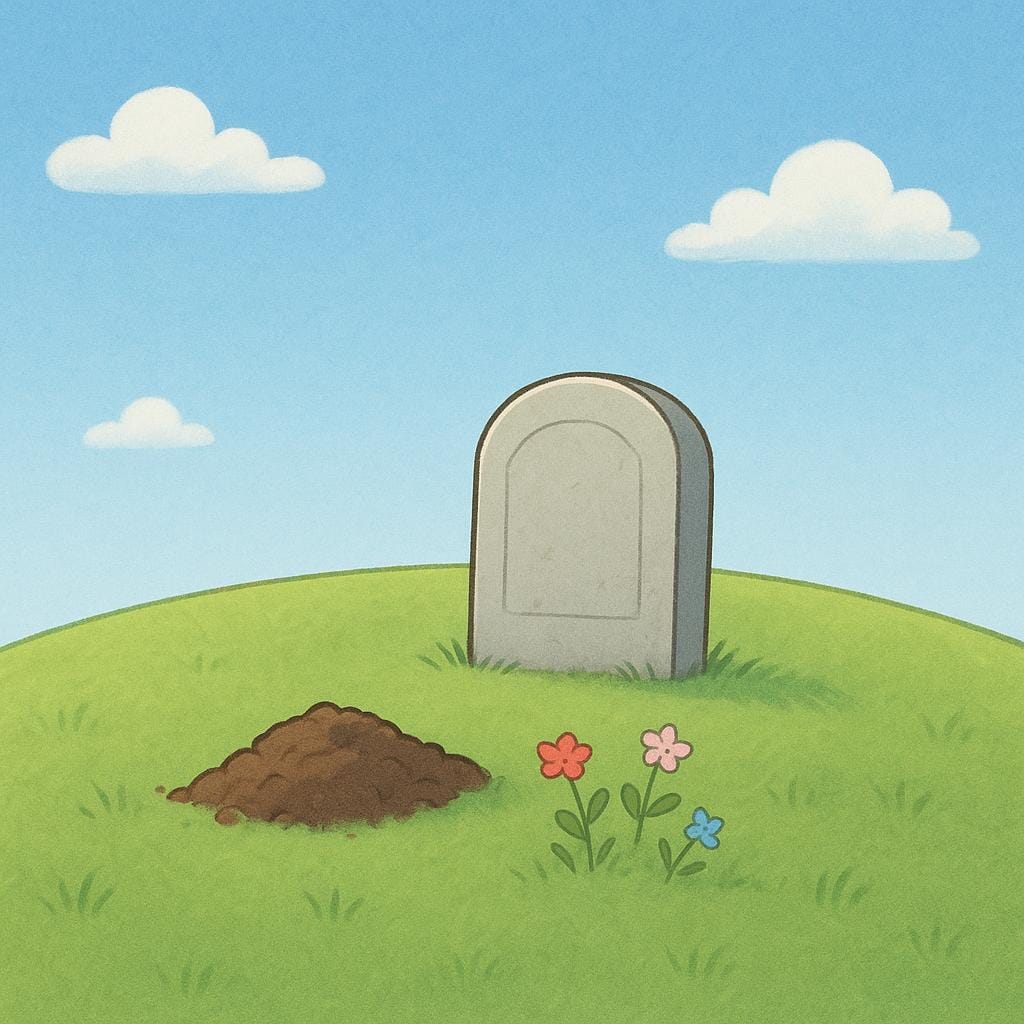
The most common Spanish word for “grave” is “tumba” — use 'tumba' when referring to the physical place where a body is buried, like a tomb or a grave in a cemetery.

Use 'tumba' when referring to the physical place where a body is buried, like a tomb or a grave in a cemetery.
Learn more →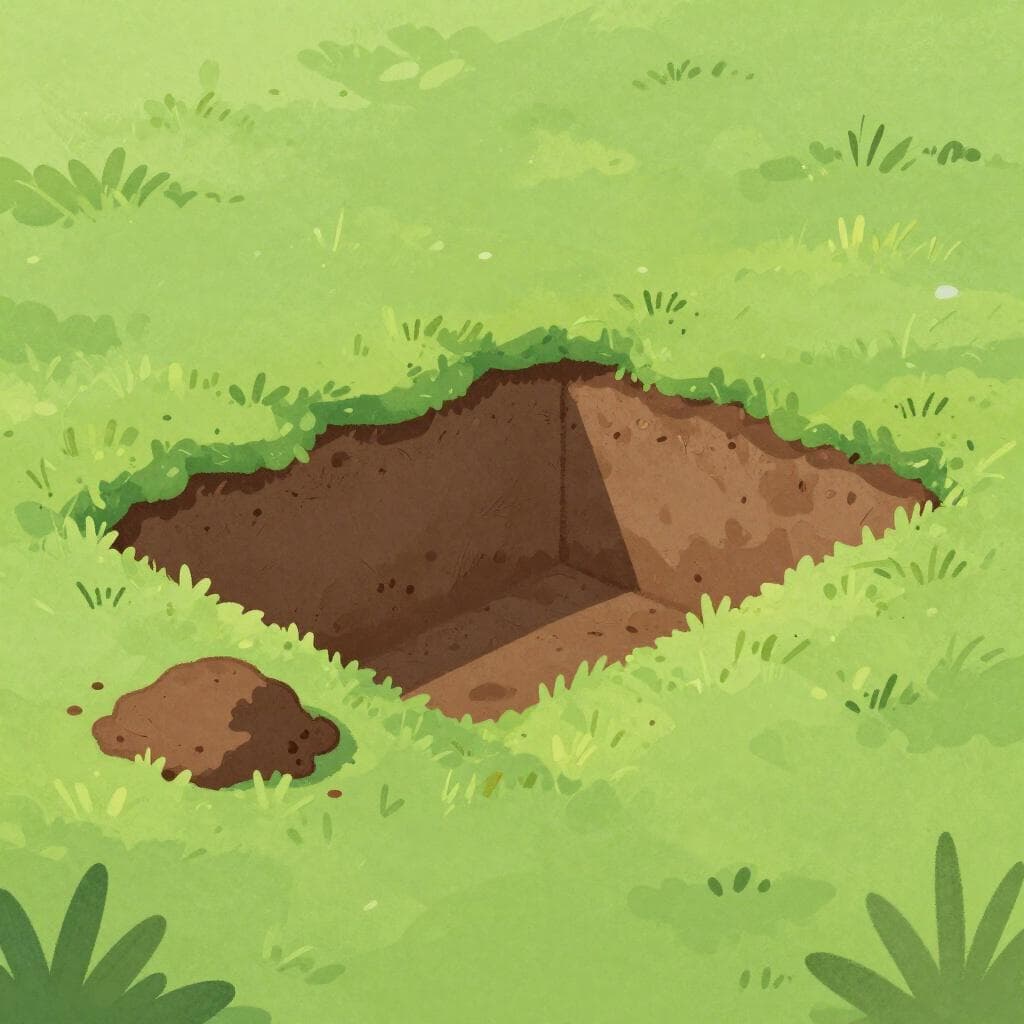
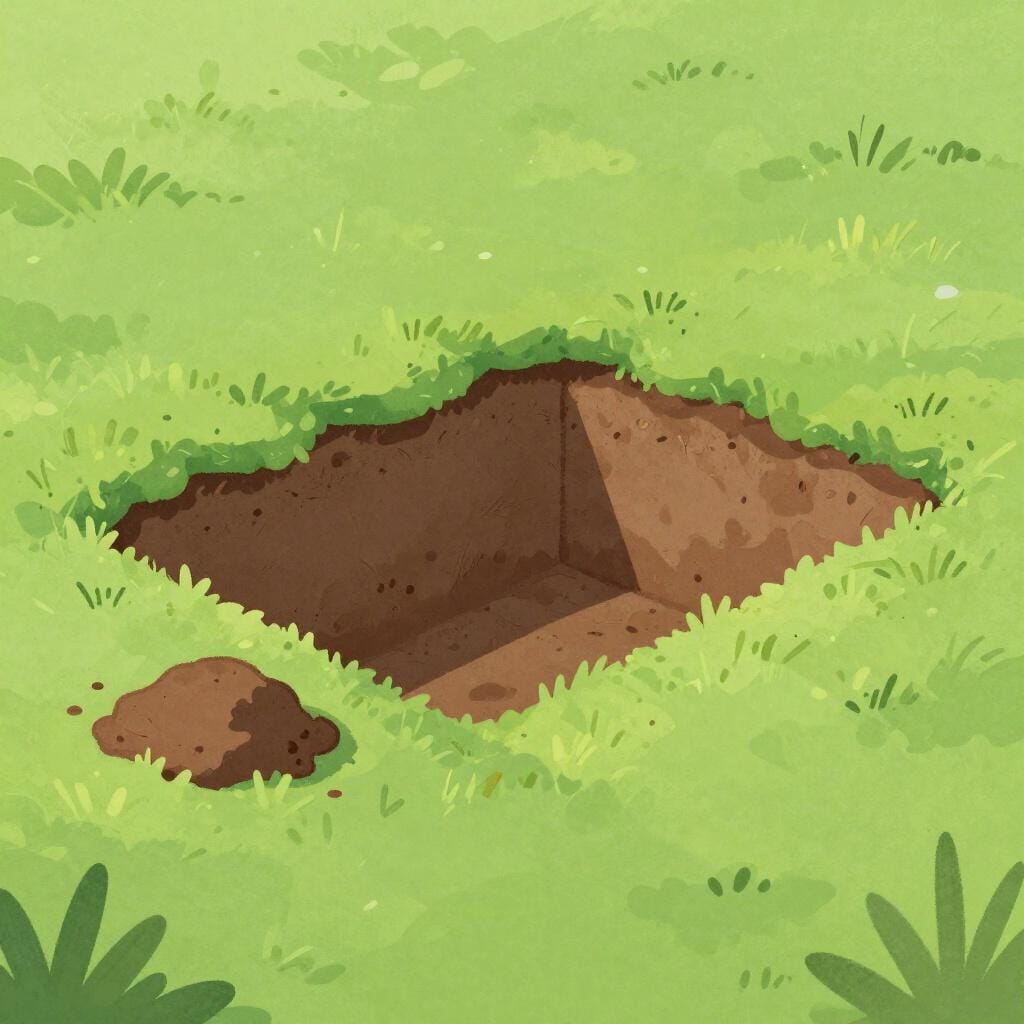
Use 'fosa' to describe a pit or a grave, especially an unmarked or ancient burial site, rather than a formal tomb.
Learn more →
Use 'serias' to describe a person's demeanor or character when they are serious, earnest, or not joking.
Learn more →
Use 'solemne' to describe a situation, ceremony, or person's manner that is formal, dignified, and often somber.
Learn more →
Use 'severo' to describe a situation that is extremely serious, harsh, or intense, often implying negative consequences.
Learn more →TOOM-bahˈtumba
Examples
Fueron al cementerio a visitar la tumba de su tía.
They went to the cemetery to visit their aunt's grave.
La arqueóloga descubrió una tumba antigua llena de tesoros.
The archaeologist discovered an ancient tomb full of treasures.
Escribieron un mensaje emotivo en la lápida de la tumba.
They wrote an emotional message on the tombstone of the grave.
Gender Reminder
Even though it ends in '-a,' 'tumba' is always a feminine noun, so use 'la' or 'una' before it.
FOH-sahˈfosa
Examples
Los arqueólogos descubrieron una fosa antigua con restos romanos.
The archaeologists discovered an ancient pit with Roman remains.
Muchos soldados fueron enterrados en una fosa común.
Many soldiers were buried in a mass grave.
Cavaron una fosa profunda para instalar las tuberías.
They dug a deep trench to install the pipes.
Fosa vs. Hoyo
Use 'hoyo' for any generic hole in the ground (like one a dog digs). Use 'fosa' when the hole has a specific purpose, like a grave or a technical trench.
The feminine gender
This word is always feminine ('la fosa'), even though the similar-sounding 'foso' (moat) is masculine.
Mixing up Fosa and Foso
Mistake: “El fosa del castillo.”
Correction: El foso del castillo (moat) or La fosa (pit/grave). Use 'fosa' for graves and 'foso' for castle moats or car mechanic pits.
SEH-ryahsˈseɾjas

Examples
Ellas son personas muy serias y trabajadoras.
They are very serious and hardworking people.
Estamos enfrentando unas crisis serias este año.
We are facing some serious crises this year.
Buscamos empresas serias para este proyecto.
We are looking for reliable companies for this project.
Matching the Noun
Since this ends in '-as,' it must describe a group of things or people that are feminine. For example, use it with 'mujeres' (women) or 'noticias' (news).
Missing the Accent
Mistake: “Using 'serias' when you mean 'you would be'.”
Correction: Use 'serías' (with an accent) for 'you would be'. Use 'serias' (no accent) for 'serious'.
so-LEM-nehsoˈlem.ne

Examples
El juez dictó la sentencia con voz solemne.
The judge delivered the sentence with a solemn voice.
Fue una ceremonia muy solemne en la catedral.
It was a very formal ceremony in the cathedral.
Hicieron una promesa solemne de ayudarse siempre.
They made a solemn promise to always help each other.
One ending for everyone
This word doesn't change based on gender. You use 'solemne' for both masculine and feminine things (un momento solemne / una misa solemne).
Placement for drama
While it usually comes after the noun, putting it before the noun (un solemne silencio) makes the sentence feel more poetic or dramatic.
Don't say 'solemna'
Mistake: “La ceremonia fue solemna.”
Correction: La ceremonia fue solemne. (The word always ends in 'e', never 'a'.)
seh-BEH-rohseˈbeɾo

Examples
La región sufrió una sequía severa durante tres años.
The region suffered a severe drought for three years.
El paciente presenta un cuadro severo de neumonía.
The patient shows a severe case of pneumonia.
Hubo daños severos en la estructura del edificio.
There was severe damage to the building's structure.
Intensity Descriptor
In this context, the word functions to show the high degree of something negative (like a drought or a sickness).
Overusing it for health
Mistake: “Saying 'tengo un dolor severo'.”
Correction: Say 'tengo un dolor muy fuerte'. In medical Spanish, 'severo' is often used by doctors, while everyday people use 'fuerte' or 'grave'.
Confusing 'Serious' Nouns and Adjectives
Learners often confuse the Spanish words for a burial site ('tumba', 'fosa') with the words for a serious situation or person ('serias', 'solemne', 'severo'). Remember that 'tumba' and 'fosa' are nouns referring to a physical place, while the others are adjectives describing a state or quality.
Related Translations
Learn Spanish with Inklingo
Interactive stories, personalized learning, and more.