How to Say "complete" in Spanish
The most common Spanish word for “complete” is “completo” — use 'completo' when referring to something that has all its necessary parts or is not missing anything.










completo
kohm-PLEH-tohkomˈpleto

Examples
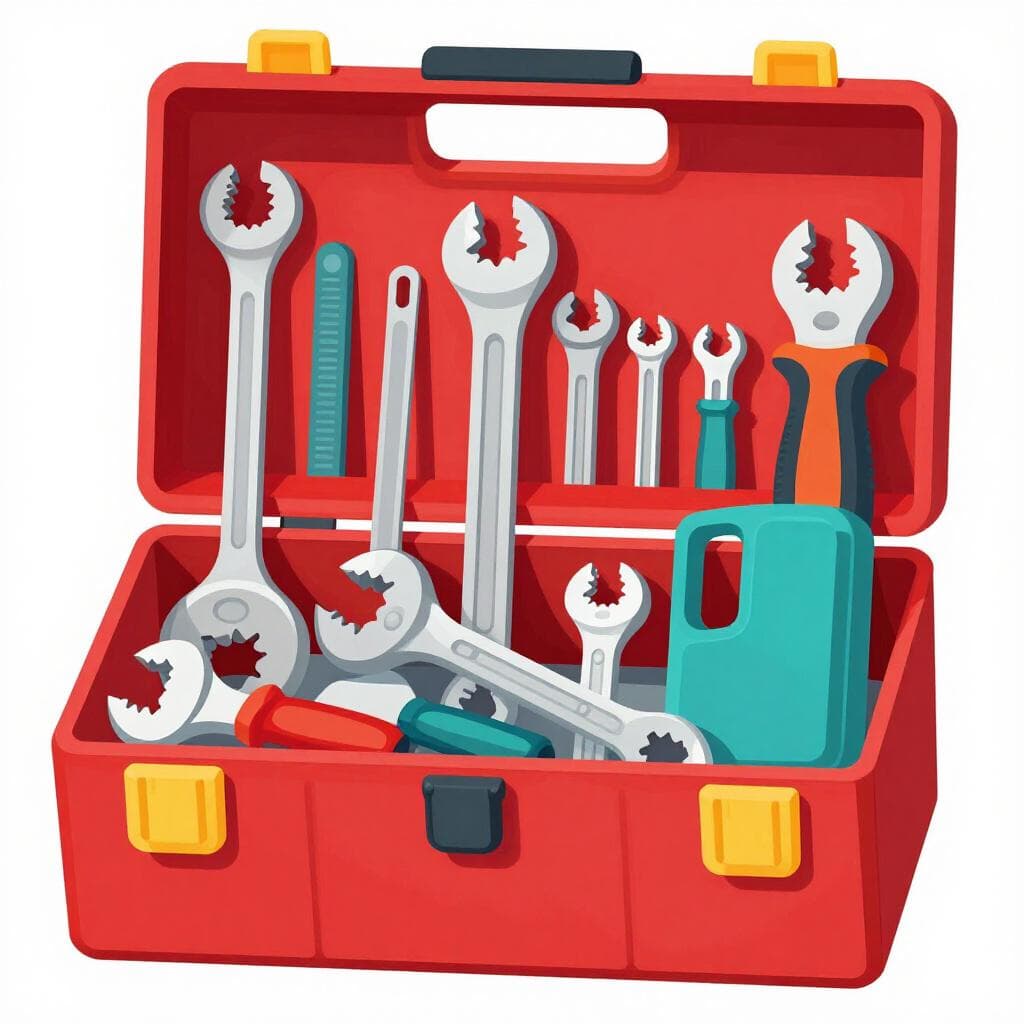
Necesito el juego de herramientas completo.
I need the complete set of tools.
Mi día de trabajo es a tiempo completo.
My workday is full-time.
La película dura dos horas completas.
The movie lasts two whole hours.
Gender and Number
Since 'completo' is an adjective, its ending must match the noun it describes. For a feminine plural noun like 'las mesas,' use 'completas'.
Confusing Time
Mistake: “Trabajo tiempo completo.”
Correction: Trabajo a tiempo completo. (Always use 'a' when saying 'full-time' in Spanish.)
entero
en-TEH-rohenˈteɾo

Examples
Comimos la pizza entera entre dos personas.
We ate the whole pizza between two people.
Necesito el informe entero para mañana.
I need the entire report by tomorrow.
El equipo se mantuvo entero a pesar de la derrota.
The team remained unified (or 'whole') despite the defeat.
Gender and Number Agreement
As an adjective, 'entero' must change its ending to match the noun it describes: 'el libro entero' (the whole book, masculine singular) vs. 'las ideas enteras' (the entire ideas, feminine plural).
total
toh-TAHLtoˈtal

Examples
Hubo una destrucción total de la casa por el fuego.
There was a total destruction of the house due to the fire.
Necesitas tener fe total en tu equipo.
You need to have complete faith in your team.
El costo total de la reparación fue de 500 euros.
The total cost of the repair was 500 euros.
Adjective Form
Unlike many Spanish adjectives, 'total' always stays the same regardless of whether the noun it describes is masculine or feminine (e.g., 'el gasto total' and 'la suma total').
perfecto
per-FEK-tohpeɾˈfekto

Examples
Este es el lugar perfecto para unas vacaciones.
This is the perfect place for a vacation.
Tu pronunciación no es perfecta, pero se entiende muy bien.
Your pronunciation isn't perfect, but it's very easy to understand.
La película tiene un final perfecto.
The movie has a perfect ending.
Making it Match
Like most Spanish describing words, 'perfecto' changes to match the person or thing it describes. Use 'perfecto' for masculine things, 'perfecta' for feminine things, 'perfectos' for masculine plural, and 'perfectas' for feminine plural. (e.g., un día perfecto, una noche perfecta).
Describing a Thing vs. an Action
Mistake: “El equipo jugó perfecto.”
Correction: El equipo jugó perfectamente. (The team played perfectly.) Use 'perfecto' to describe the team (a thing), but 'perfectamente' to describe *how* they played (an action).
pleno
PLEH-nohˈpleno

Examples
Tengo plena confianza en tu capacidad.
I have full confidence in your ability.
Fue un éxito pleno para todo el equipo.
It was a total success for the whole team.
Matching the Noun
Since this describes a noun, it must change its ending to match. Use 'pleno' for masculine words and 'plena' for feminine words.
termines
tair-MEE-nessteɾˈmines

Examples
Quiero que termines tu cena.
I want you to finish your dinner.
Avísame cuando termines de trabajar.
Let me know when you finish working.
No creo que termines hoy.
I don't think you will finish today.
The 'E' Swap
For verbs ending in -ar, we swap the usual 'a' for an 'e' when expressing wishes, doubts, or future plans. That is why 'terminas' becomes 'termines'.
Future Timing
Use 'termines' after 'cuando' (when) if you are talking about something that hasn't happened yet, like 'Call me when you finish'.
Don't use the 'Fact' form for wishes
Mistake: “Quiero que terminas.”
Correction: Quiero que termines. Because 'wanting' something isn't a guaranteed fact, Spanish uses the special 'e' form for -ar verbs.
cumplido
koom-PLEE-dohkumˈpliðo

Examples
La misión fue cumplida con éxito por el equipo.
The mission was successfully fulfilled by the team.
Necesitas tener dieciocho años cumplidos para obtener la licencia.
You need to be eighteen years old (complete) to get the license.
Toda la documentación está cumplida, podemos seguir adelante.
All the documentation is complete/fulfilled, we can move forward.
Agreement is Key
Since this word acts as an adjective, it must match the noun it describes. For example, 'la promesa cumplida' (feminine singular) or 'los deberes cumplidos' (masculine plural).
integral
een-teh-gralinteˈɡɾal
Examples
La escuela ofrece una educación integral para los niños.
The school offers a comprehensive education for children.
Necesitamos una reforma integral del sistema de salud.
We need a comprehensive reform of the healthcare system.
El médico recomendó un tratamiento integral para el estrés.
The doctor recommended a holistic treatment for stress.
Word Order
In this context, 'integral' almost always comes AFTER the thing it is describing (e.g., 'solución integral').
cabal
ka-BAHLkaˈβal

Examples
Han pasado tres horas cabales desde que se fue.
Three full hours have passed since he left.
Le dio el peso cabal de la mercancía.
He gave him the exact weight of the goods.
No tengo una explicación cabal de lo ocurrido.
I don't have a complete explanation of what happened.
Use with Plurals
When used for time or measurements, it usually follows a plural number, like 'diez días cabales' (ten full days).
Cabal vs. Cabalmente
Mistake: “Using 'cabal' when you need an adverb.”
Correction: Use 'cabalmente' to say 'exactly' or 'thoroughly' as an action. Use 'cabal' for descriptions.
solemne
so-LEM-nehsoˈlem.ne

Examples
Eres un solemne tonto si crees que eso es verdad.
You are an utter fool if you think that's true.
Le dijo una solemne mentira a su jefe.
He told a complete lie to his boss.
The 'emphasizer' role
In this context, the word comes before the noun to add weight to a negative description, similar to saying 'a total...' in English.
Tone check
Mistake: “Using this meaning in a business meeting.”
Correction: This emphatic use can sound quite blunt or insulting, so save it for informal vents or literature.
pedazo
peh-DAH-thoh (Spain) / peh-DAH-soh (Latin America)peˈðaθo

Examples
¡Qué pedazo de concierto! Fue la mejor noche de mi vida.
What an amazing concert! It was the best night of my life.
Es un pedazo de mentiroso, nunca le creas nada.
He is a complete liar, never believe him.
Su nuevo teléfono es un pedazo de máquina.
His new phone is an absolute machine (a great piece of technology).
Intensifier Placement
In this meaning, 'pedazo de...' acts like an adjective but always precedes the noun it modifies, emphasizing the quality (good or bad).
Literal Translation
Mistake: “Translating 'pedazo de idiota' as 'piece of idiot'.”
Correction: The meaning is figurative; translate it as 'complete idiot' or 'total idiot'. It intensifies the following word.
Confusing 'Completo' vs. 'Entero' vs. 'Total'
Related Translations
Learn Spanish with Inklingo
Interactive stories, personalized learning, and more.