How to Say "full" in Spanish
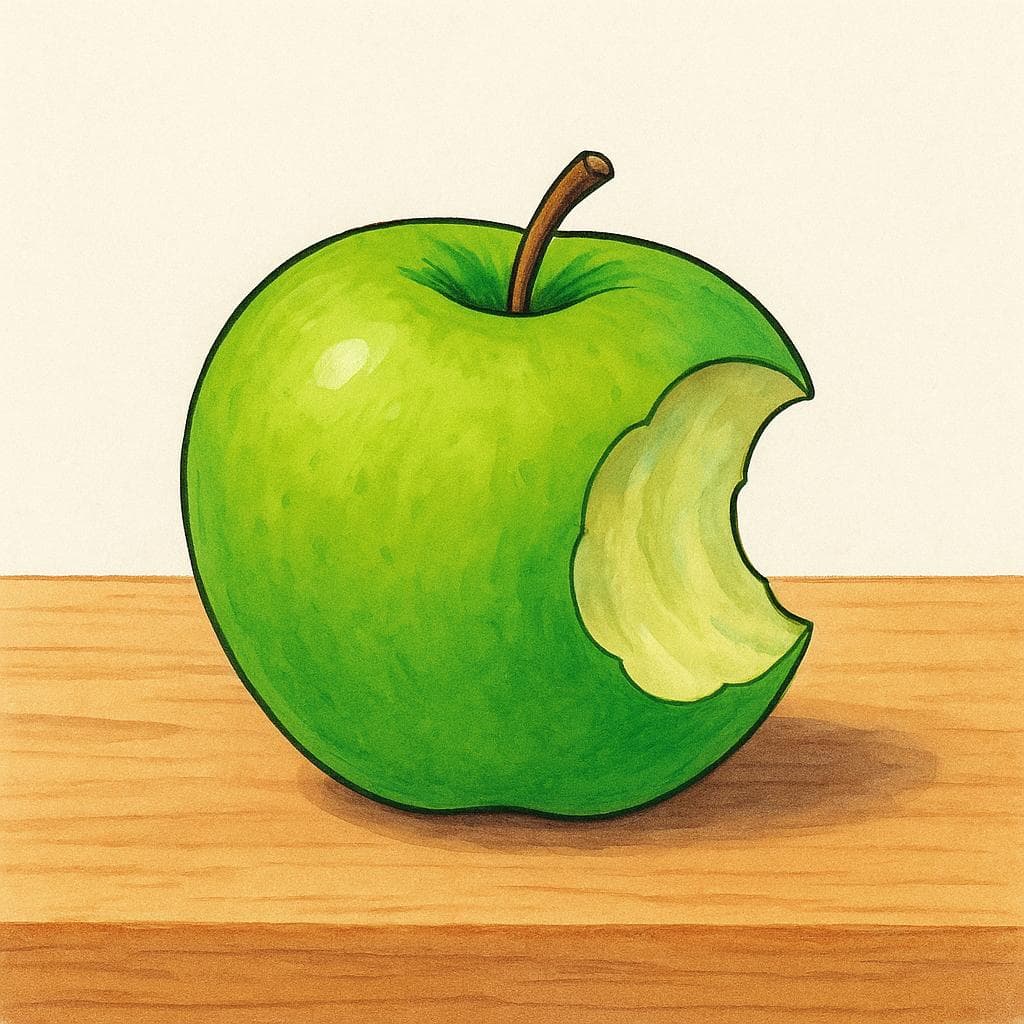
The most common Spanish word for “full” is “lleno” — use 'lleno' when a container, space, or area has no room left, indicating it is at maximum capacity.








lleno
yeh-nohˈʝeno

Examples
El vaso está lleno de agua.
The glass is full of water.
No puedo comer más, estoy lleno.
I can't eat anymore, I'm full.
El autobús va lleno de gente.
The bus is full of people.
Matching the Noun
As a describing word, 'lleno' changes to match the thing it describes. Use 'llena' for feminine things, 'llenos' for plural masculine things, and 'llenas' for plural feminine things. (e.g., la botella llena, los vasos llenos).
Always Use 'Estar'
To say something 'is full', always use the verb 'estar' (e.g., El tanque está lleno). Using 'ser' is a common mistake because being full is a temporary state, not a permanent characteristic.
Using 'Ser' Instead of 'Estar'
Mistake: “El restaurante es lleno.”
Correction: El restaurante está lleno. Think of 'full' as a temporary condition. The restaurant could be empty later, so we use 'estar'.
completo
kohm-PLEH-tohkomˈpleto

Examples
Necesito el juego de herramientas completo.
I need the complete set of tools.
Mi día de trabajo es a tiempo completo.
My workday is full-time.
La película dura dos horas completas.
The movie lasts two whole hours.
El hotel está completo hasta el próximo lunes.
The hotel is full until next Monday.
Gender and Number
Since 'completo' is an adjective, its ending must match the noun it describes. For a feminine plural noun like 'las mesas,' use 'completas'.
Capacity vs. Contents
Use 'completo' specifically when a space or event cannot hold any more people or spots. If you mean something is physically filled with stuff (like a stomach or a glass), use 'lleno'.
Confusing Time
Mistake: “Trabajo tiempo completo.”
Correction: Trabajo a tiempo completo. (Always use 'a' when saying 'full-time' in Spanish.)
entera
en-TEH-rahenˈteɾa

Examples
Comí la pizza entera y ahora me duele el estómago.
I ate the whole pizza, and now my stomach hurts.
La familia entera asistió a la boda.
The entire family attended the wedding.
Para esta receta solo usamos leche entera.
For this recipe, we only use whole (full-fat) milk.
Gender Match
Remember, 'entera' is the feminine form. You must only use it when describing feminine nouns, like 'mesa' (table) or 'vida' (life). For masculine nouns, use 'entero'.
Emphasis
To really stress that something is totally whole, you often place 'entera' right after the noun it describes: 'la casa entera' (the whole house).
Mixing Genders
Mistake: “El ciudad entera es ruidosa.”
Correction: La ciudad entera es ruidosa. (Because 'ciudad' is feminine, you need 'la' and 'entera'.)
harto
AR-tohˈaɾ.to

Examples
No puedo comer más. ¡Estoy harto!
I can't eat any more. I'm full!
¿Quieres más postre? — No, gracias, ya estoy harta.
Do you want more dessert? — No, thank you, I'm already full.
Context is Clear
When used in the context of food, 'harto' (full) is generally understood to be related to the verb 'hartar' (to satiate). If you are talking about food, the meaning is usually obvious.
cargado
kar-GAH-dohkaɾˈɣaðo

Examples
El camión llegó cargado de mercancía fresca.
The truck arrived loaded with fresh merchandise.
Después de ir de compras, venía cargada con diez bolsas.
After going shopping, she came carrying ten bags.
Agreement is Key
As an adjective, 'cargado' must match the thing it describes. If you are talking about 'la maleta' (the suitcase), you must say 'la maleta cargada'.
Forgetting Gender
Mistake: “La mochila está cargado.”
Correction: La mochila está cargada. (Mochila is feminine, so the adjective must end in -a.)
pleno
PLEH-nohˈpleno

Examples
Tengo plena confianza en tu capacidad.
I have full confidence in your ability.
Fue un éxito pleno para todo el equipo.
It was a total success for the whole team.
Matching the Noun
Since this describes a noun, it must change its ending to match. Use 'pleno' for masculine words and 'plena' for feminine words.
completo
kohm-PLEH-tohkomˈpleto
Examples
El hotel está completo hasta el próximo lunes.
The hotel is full until the next Monday.
Necesito el juego de herramientas completo.
I need the complete set of tools.
Mi día de trabajo es a tiempo completo.
My workday is full-time.
La película dura dos horas completas.
The movie lasts two whole hours.
Gender and Number
Since 'completo' is an adjective, its ending must match the noun it describes. For a feminine plural noun like 'las mesas,' use 'completas'.
Capacity vs. Contents
Use 'completo' specifically when a space or event cannot hold any more people or spots. If you mean something is physically filled with stuff (like a stomach or a glass), use 'lleno'.
Confusing Time
Mistake: “Trabajo tiempo completo.”
Correction: Trabajo a tiempo completo. (Always use 'a' when saying 'full-time' in Spanish.)
comido
co-MÍ-dokoˈmiðo
Examples
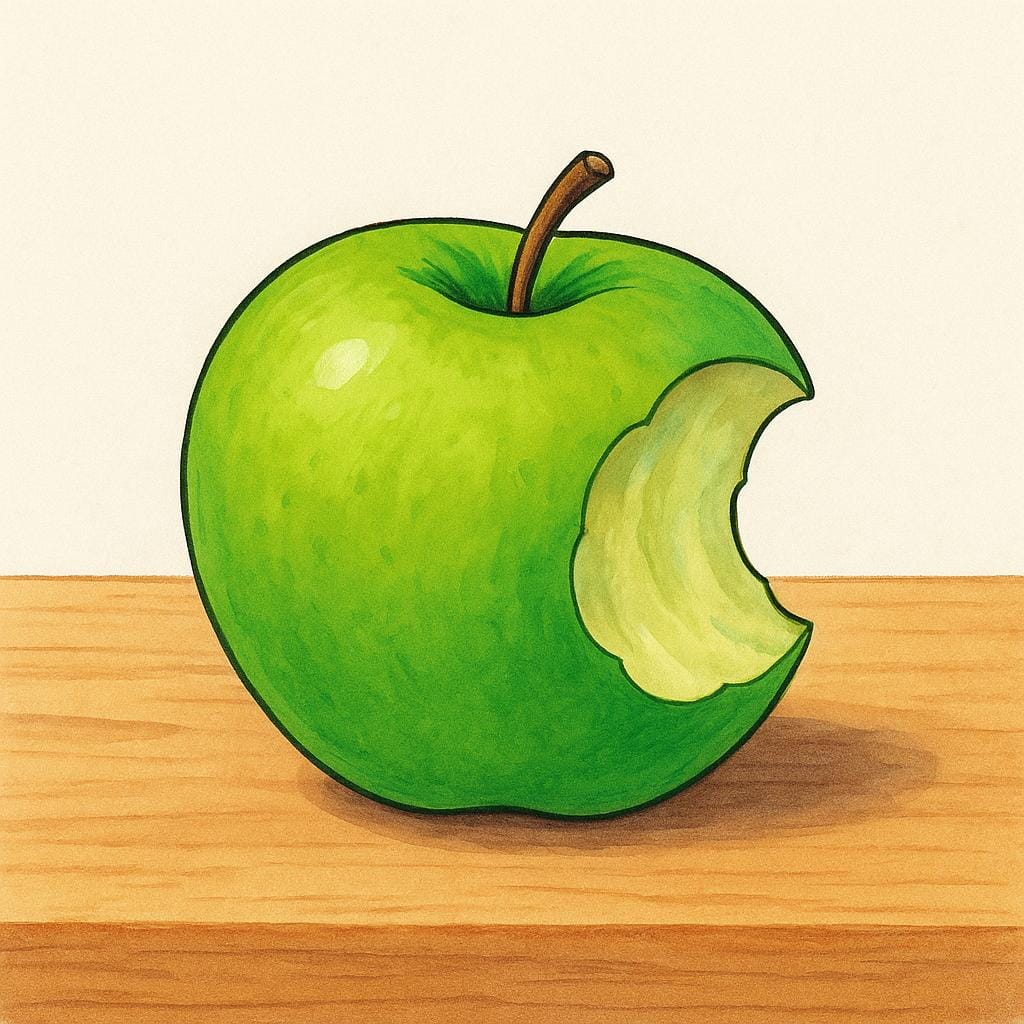
Solo queda la mitad del sándwich; la otra parte está comida.
Only half of the sandwich remains; the other part is eaten.
Después de la paella, estábamos todos comidos y satisfechos.
After the paella, we were all full and satisfied. (Informal usage)
Agreement is Key
When 'comido' describes a noun, it must match that noun in gender (masculine/feminine) and number (singular/plural): comido, comida, comidos, comidas.
Used with 'Estar'
As an adjective describing a state, 'comido' is usually used with the verb 'estar' (to be) to say that something is in an eaten state.
Forgetting Gender Agreement
Mistake: “La fruta está comido.”
Correction: La fruta está comida. Since 'fruta' is feminine, the adjective must end in -a.
cabal
ka-BAHLkaˈβal

Examples
Han pasado tres horas cabales desde que se fue.
Three full hours have passed since he left.
Le dio el peso cabal de la mercancía.
He gave him the exact weight of the goods.
No tengo una explicación cabal de lo ocurrido.
I don't have a complete explanation of what happened.
Use with Plurals
When used for time or measurements, it usually follows a plural number, like 'diez días cabales' (ten full days).
Cabal vs. Cabalmente
Mistake: “Using 'cabal' when you need an adverb.”
Correction: Use 'cabalmente' to say 'exactly' or 'thoroughly' as an action. Use 'cabal' for descriptions.
rotundo
roh-TOON-dohroˈtundo

Examples
El locutor tiene una voz rotunda que llena la habitación.
The announcer has a sonorous voice that fills the room.
Las esculturas de Botero se caracterizan por sus formas rotundas.
Botero's sculptures are characterized by their full, rounded shapes.
Describing Physicality
In this context, the word describes something that feels 'solid' and 'complete' in its physical presence.
Lleno vs. Completo
Related Translations
Learn Spanish with Inklingo
Interactive stories, personalized learning, and more.