How to Say "assembly" in Spanish
The most common Spanish word for “assembly” is “reunión” — use 'reunión' for any general formal or informal gathering of people, such as a meeting for work or a social event.



reunión
Examples
Tengo una reunión importante a las diez de la mañana.
I have an important meeting at ten in the morning.
asamblea
ah-sahm-BLEH-ahasamˈblea

Examples
La asamblea de vecinos decidió pintar la fachada del edificio.
The neighborhood assembly decided to paint the building's facade.
Todos los estudiantes deben asistir a la asamblea escolar mañana.
All students must attend the school assembly tomorrow.
Se convocó una asamblea extraordinaria para discutir los nuevos salarios.
An extraordinary meeting was called to discuss the new salaries.
Gender and Articles
Even though it ends in 'a' and begins with 'a', it uses 'la' (la asamblea) because the stress is on the 'ble' part, not the first letter.
Group Nouns
When talking about what an 'asamblea' does, the verb stays singular (e.g., 'la asamblea dice') because you are treating the group as one single unit.
Asamblea vs. Reunión
Mistake: “Using 'asamblea' for a casual coffee with friends.”
Correction: Use 'reunión' or 'quedada' for casual meetups. 'Asamblea' is for formal voting or official group business.
montaje
mon-TAH-hehmonˈtaxe

Examples
El montaje de los muebles de IKEA lleva mucho tiempo.
Assembling IKEA furniture takes a long time.
Trabaja en la cadena de montaje de una fábrica de coches.
He works on the assembly line of a car factory.
Gender Tip
Words ending in '-aje' in Spanish are almost always masculine, so you say 'el montaje'.
pleno
PLEH-nohˈpleno

Examples
El pleno del ayuntamiento se reunirá mañana.
The full city council meeting will take place tomorrow.
comicio
ko-MEE-syohkoˈmisjo
Examples
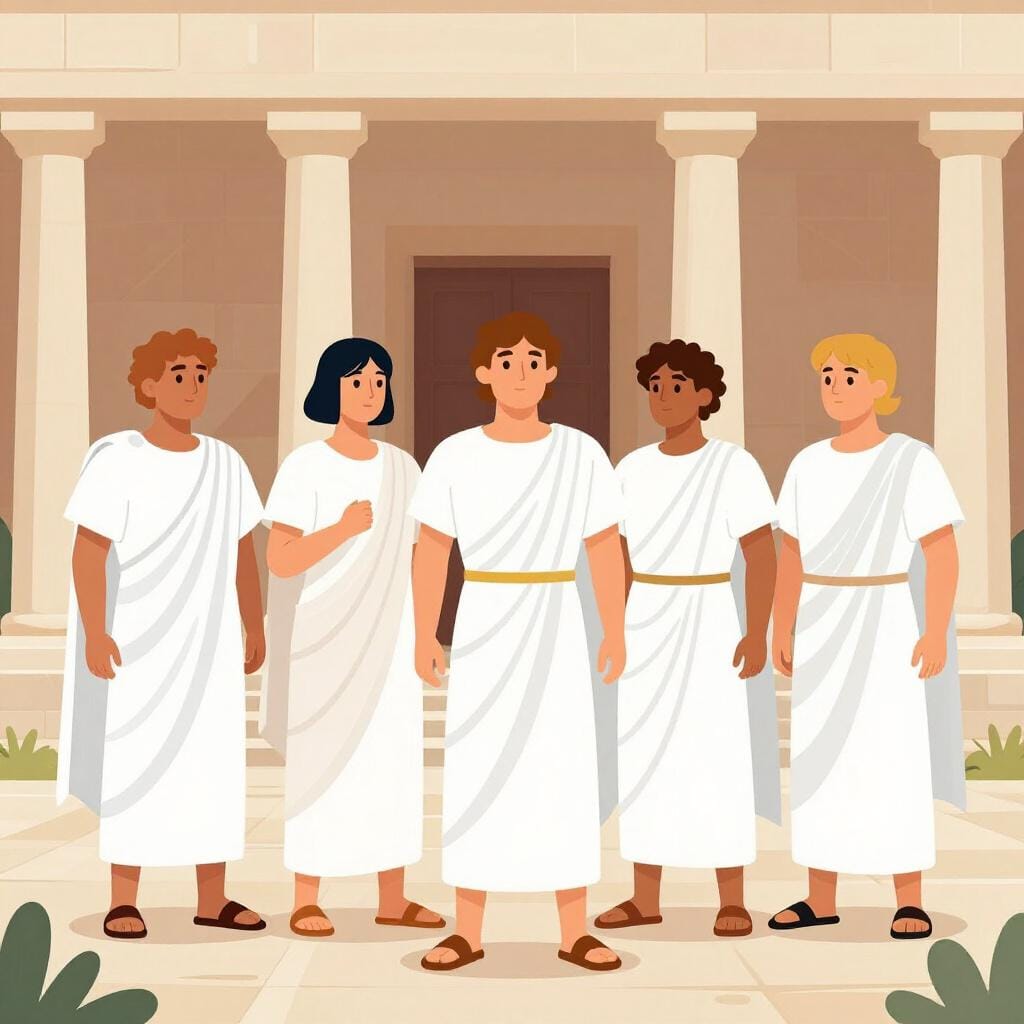
Los comicios curiados eran la asamblea más antigua de la Roma primitiva.
The curiate assemblies were the oldest assembly of early Rome.
Specific Context
In this singular form, it refers to the place where ancient Romans met to vote, though modern historians still mostly use the plural 'comicios'.
Assembly vs. Meeting
Related Translations
Learn Spanish with Inklingo
Interactive stories, personalized learning, and more.