comicio
“comicio” means “election” in Spanish. It has 2 different meanings depending on context:

election
Also: polls
📝 In Action
Los ciudadanos están llamados a participar en los próximos comicios.
B2Citizens are called to participate in the upcoming elections.
El ambiente era tenso durante la jornada de los comicios.
C1The atmosphere was tense during the day of the polls.
Tras los comicios, se formará un nuevo gobierno.
B1Following the elections, a new government will be formed.
comitia
Also: assembly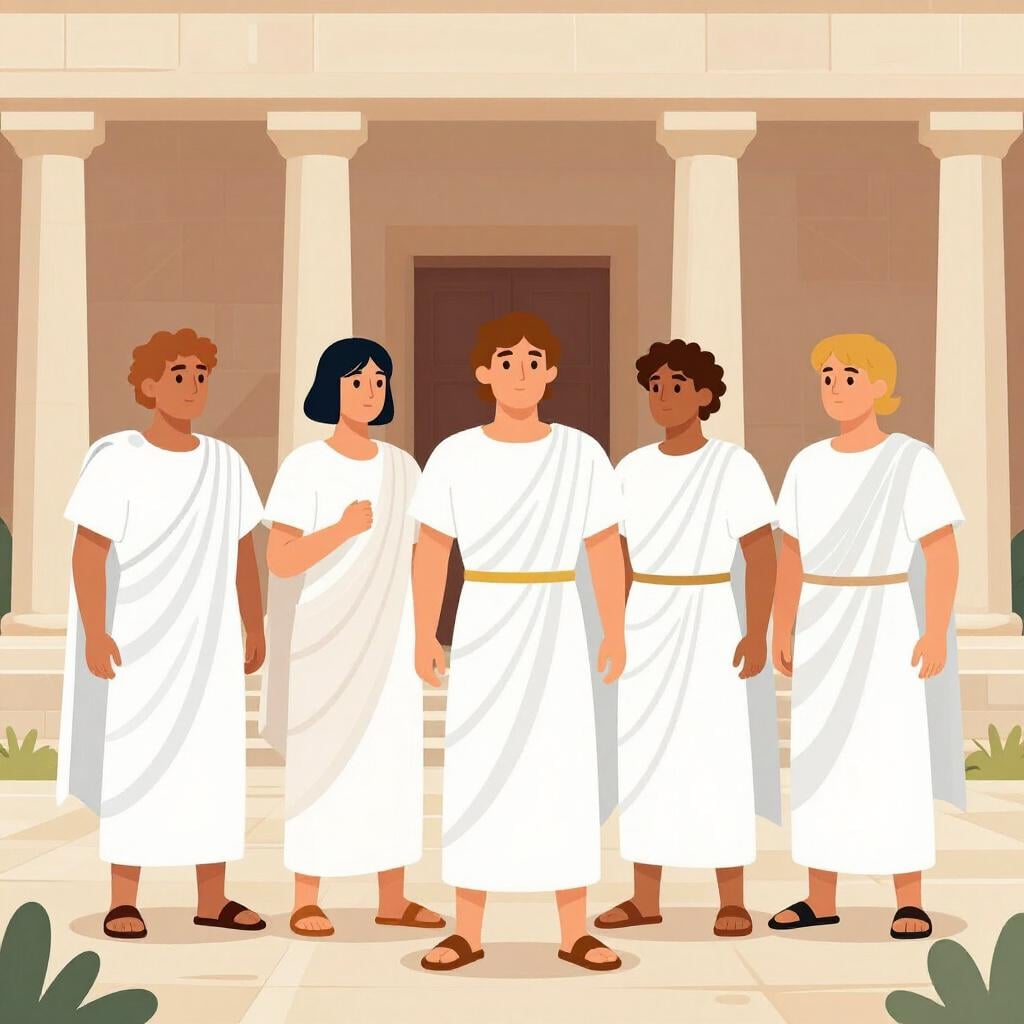
📝 In Action
Los comicios curiados eran la asamblea más antigua de la Roma primitiva.
C2The curiate assemblies were the oldest assembly of early Rome.
✏️ Quick Practice
Quick Quiz: comicio
Question 1 of 3
Which of these is the most common way to use 'comicio' in modern Spanish?
📚 More Resources
👥 Word Family▼
📚 Etymology▼
From the Latin word 'comitium', which referred to the place in the Roman Forum where people gathered for assemblies. It comes from 'cum' (with) and 'ire' (to go), literally meaning 'going together'.
First recorded: 15th century
Cognates (Related words)
💡 Master Spanish
Take your Spanish to the next level. Read 200+ illustrated and narrated Spanish stories tailored to your level with the Inklingo app!
Frequently Asked Questions
Can I use 'comicio' in the singular?
Technically yes, but it's very rare. In modern Spanish, even a single election is referred to as 'los comicios' (plural).
Does it mean the same as 'comisión'?
No! A 'comisión' is a committee or a group of people tasked with a job. 'Comicios' refers to the voting event itself.
Is it used in all Spanish-speaking countries?
Yes, it is a standard formal term across all of Spain and Latin America, especially in political journalism.