How to Say "bone" in Spanish
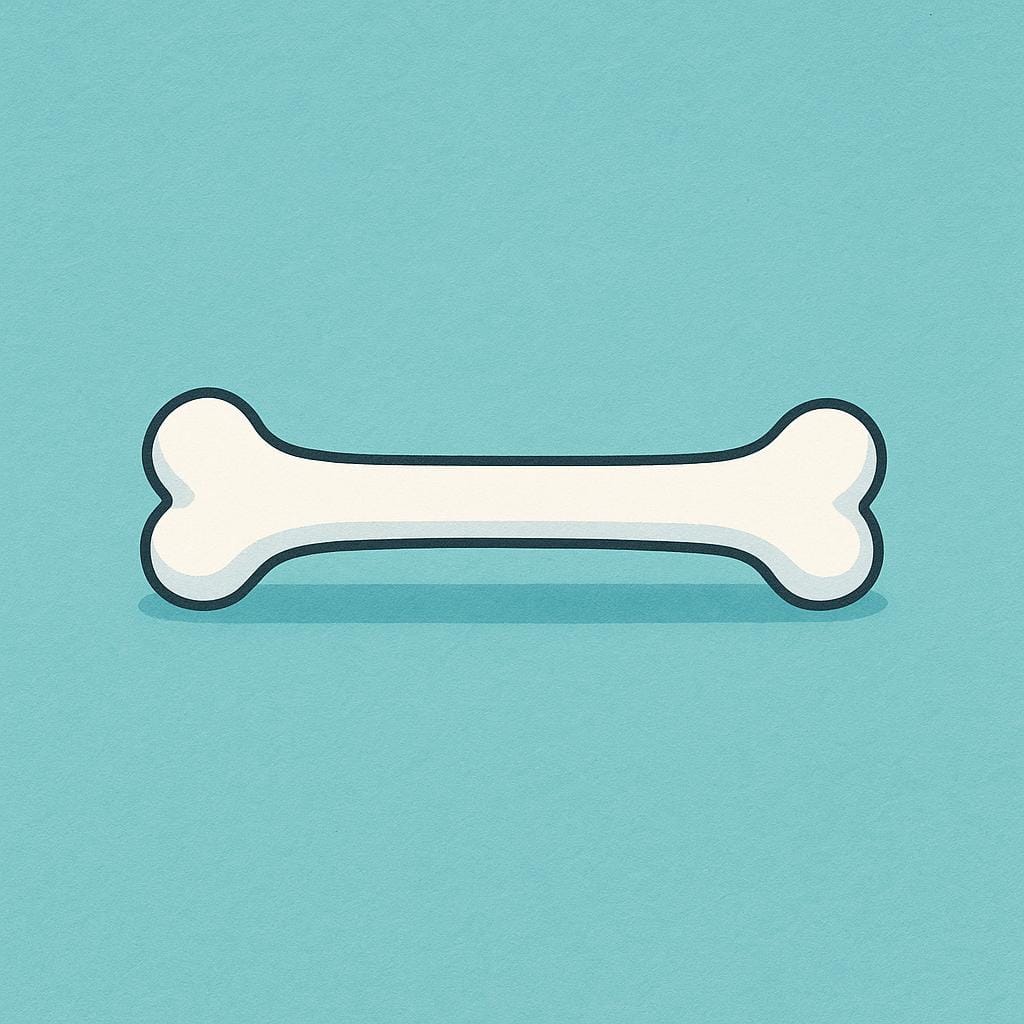
The most common Spanish word for “bone” is “hueso” — use 'hueso' when referring to the hard, calcified parts of an animal's skeleton, especially in the context of anatomy or injuries.
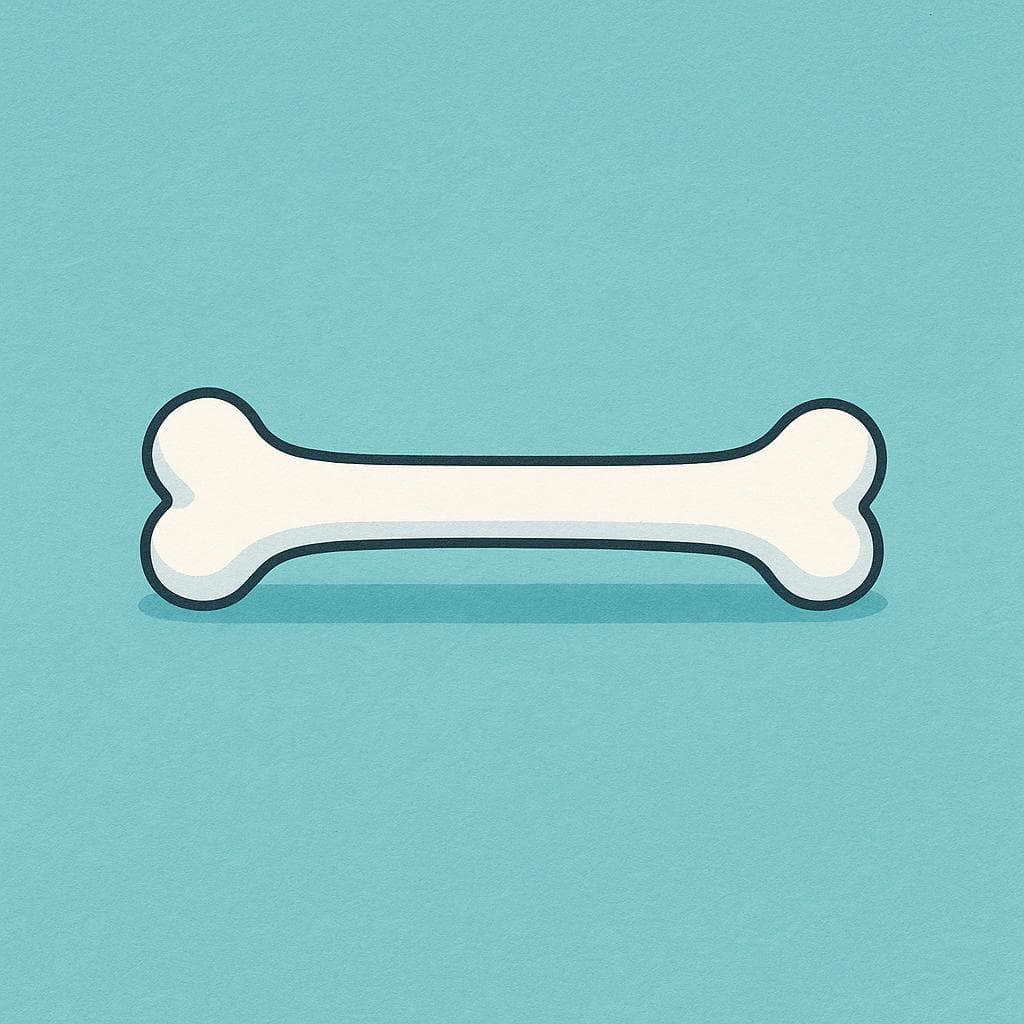

hueso
WAY-sohˈwe.so
Examples
Me duele el hueso de la muñeca.
My wrist bone hurts.
Me rompí un hueso del brazo jugando al fútbol.
I broke a bone in my arm playing soccer.
El perro estaba feliz con su hueso nuevo.
The dog was happy with its new bone.
Gender and Plural
Since 'hueso' is a masculine noun, it uses 'el' (el hueso) and 'los' (los huesos). Remember, it refers to a single piece of the body structure.
Pronouncing the 'H'
Mistake: “Hueso is pronounced /hwe.so/ (with an 'h' sound like in English 'house').”
Correction: The 'h' in Spanish is always silent. It should sound like 'WAY-soh,' starting with the 'u' sound.
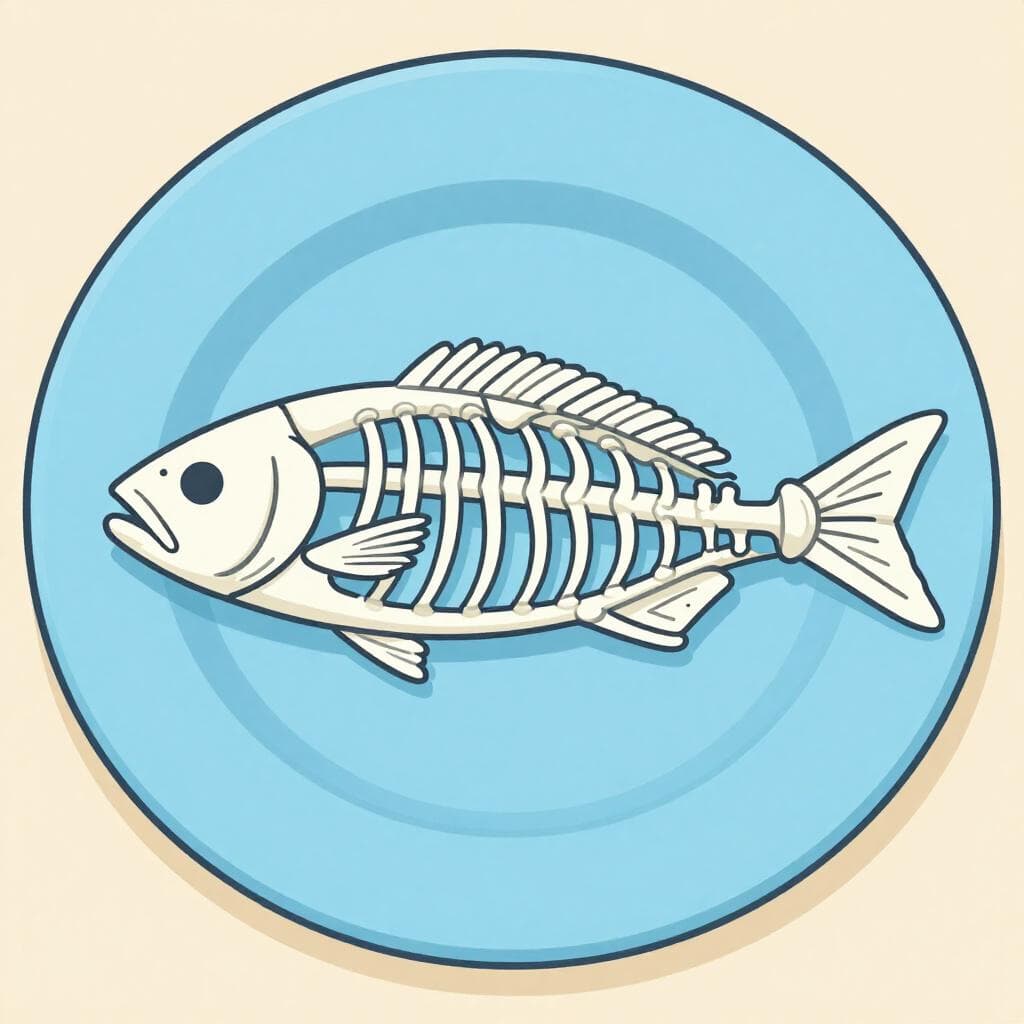
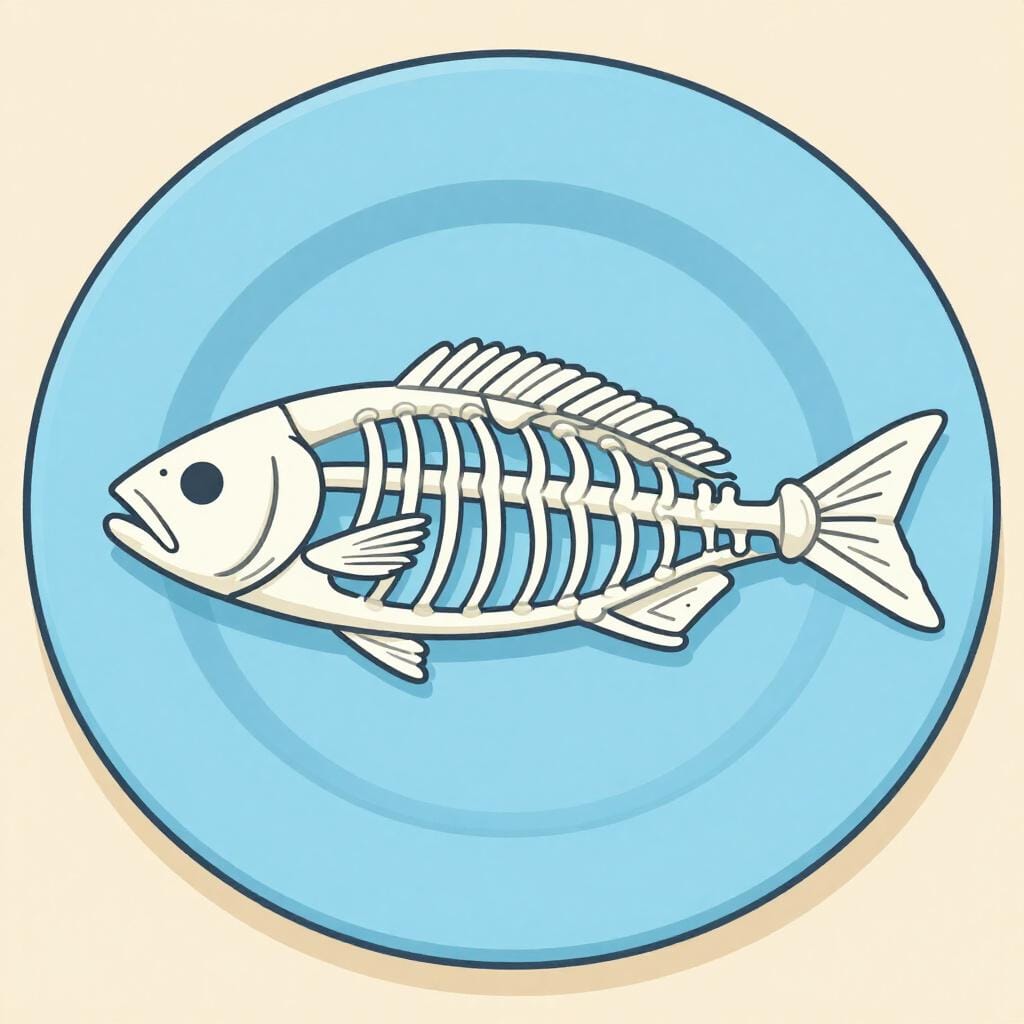
espina
ess-PEE-nahesˈpina
Examples
Ten cuidado al comer pescado, puede tener espinas.
Be careful when eating fish, it might have bones.
Este filete de pescado no tiene espinas.
This fish fillet has no bones.
Cuidado al comer, que el salmón tiene una espina pequeña.
Careful while eating, the salmon has a small bone.
Tengo una espina clavada en la garganta.
I have a fishbone stuck in my throat.
Bones: Hueso vs. Espina
In Spanish, we use 'hueso' for mammals and birds, but 'espina' for fish. Never call a fish bone a 'hueso'.
The Fish Bone Error
Mistake: “Comí un hueso de pescado.”
Correction: Say 'Comí una espina de pescado'. Fish bones have their own special word!
os
osos

Examples
El campo de batalla estaba cubierto de os y armaduras oxidadas.
The battlefield was covered in bones and rusty armor.
El poema describía un campo de batalla lleno de os y acero.
The poem described a battlefield full of bones and steel.
Confusing 'hueso' and 'espina'
Related Translations
Learn Spanish with Inklingo
Interactive stories, personalized learning, and more.