How to Say "a drag" in Spanish
The most common Spanish word for “a drag” is “chapa” — use 'chapa' when referring to a person who is boring or a long, tedious speech that is tiresome.


chapa
CHAH-pahˈtʃapa

Examples
Mi profesor es una chapa, siempre da discursos interminables.
My professor is a drag, he always gives endless speeches.
Mi jefe me dio una chapa de dos horas sobre el presupuesto.
My boss gave me a two-hour earful about the budget.
¡Qué chapa de película! Me quedé dormido.
What a boring movie! I fell asleep.
No me des la chapa con tus problemas ahora.
Don't bore me with your problems right now.
The verb 'Dar'
This meaning is almost always used with the verb 'dar' (to give).
Literal Translation
Mistake: “Thinking someone is giving you a piece of metal.”
Correction: If someone says 'No me des la chapa,' they want you to stop talking, not stop handing them objects.
hueso
WAY-sohˈwe.so
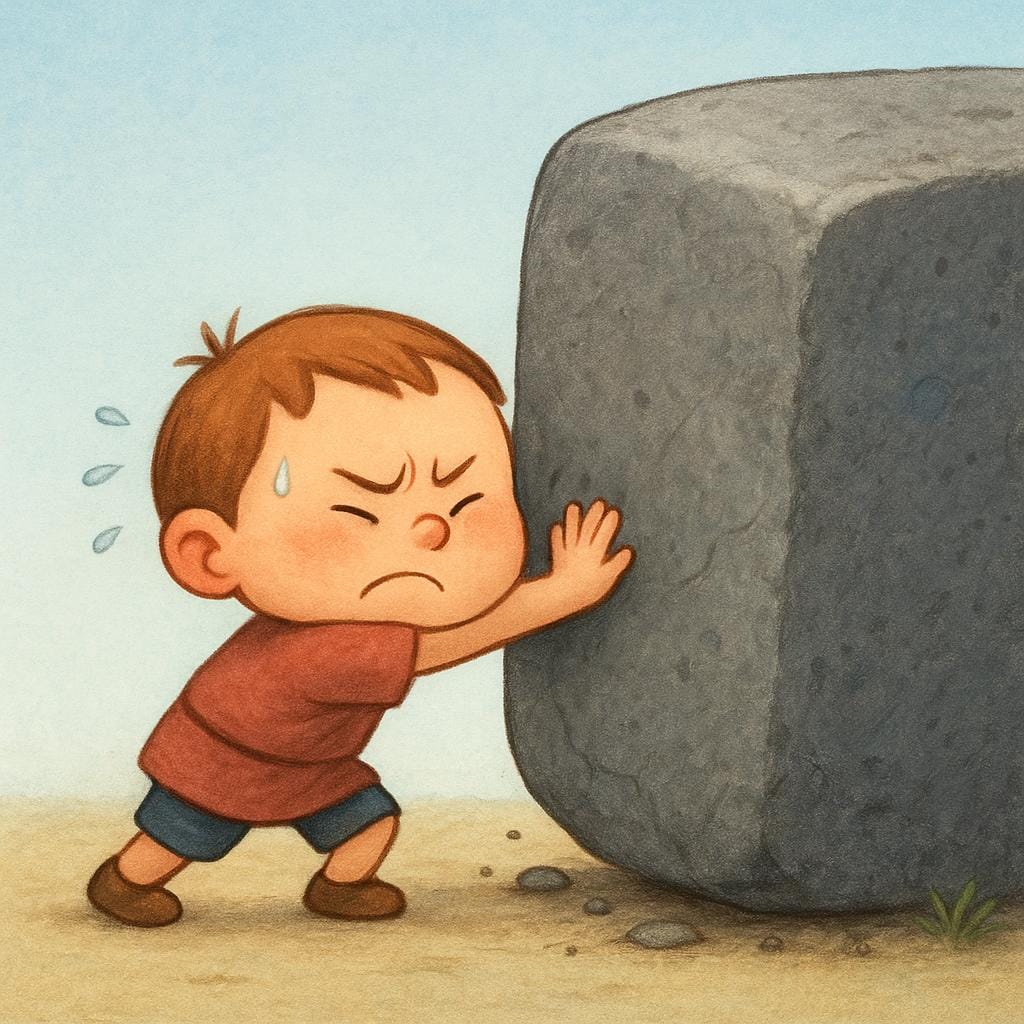
Examples
Terminar este informe va a ser un hueso, me está costando mucho concentrarme.
Finishing this report is going to be a drag, it's taking me a lot of effort to concentrate.
Esta clase de matemáticas es un hueso, no entiendo nada.
This math class is a real drag/tough, I don't understand anything.
Mi jefe es un hueso, siempre pone problemas.
My boss is a difficult person; he always causes problems.
Person vs. Task
Related Translations
Learn Spanish with Inklingo
Interactive stories, personalized learning, and more.