hueso
“hueso” means “bone” in Spanish. It has 3 different meanings depending on context:


boneAlso: skeletal part

📝 In Action
Me rompí un hueso del brazo jugando al fútbol.
A1I broke a bone in my arm playing soccer.
El perro estaba feliz con su hueso nuevo.
A1The dog was happy with its new bone.
Word Connections
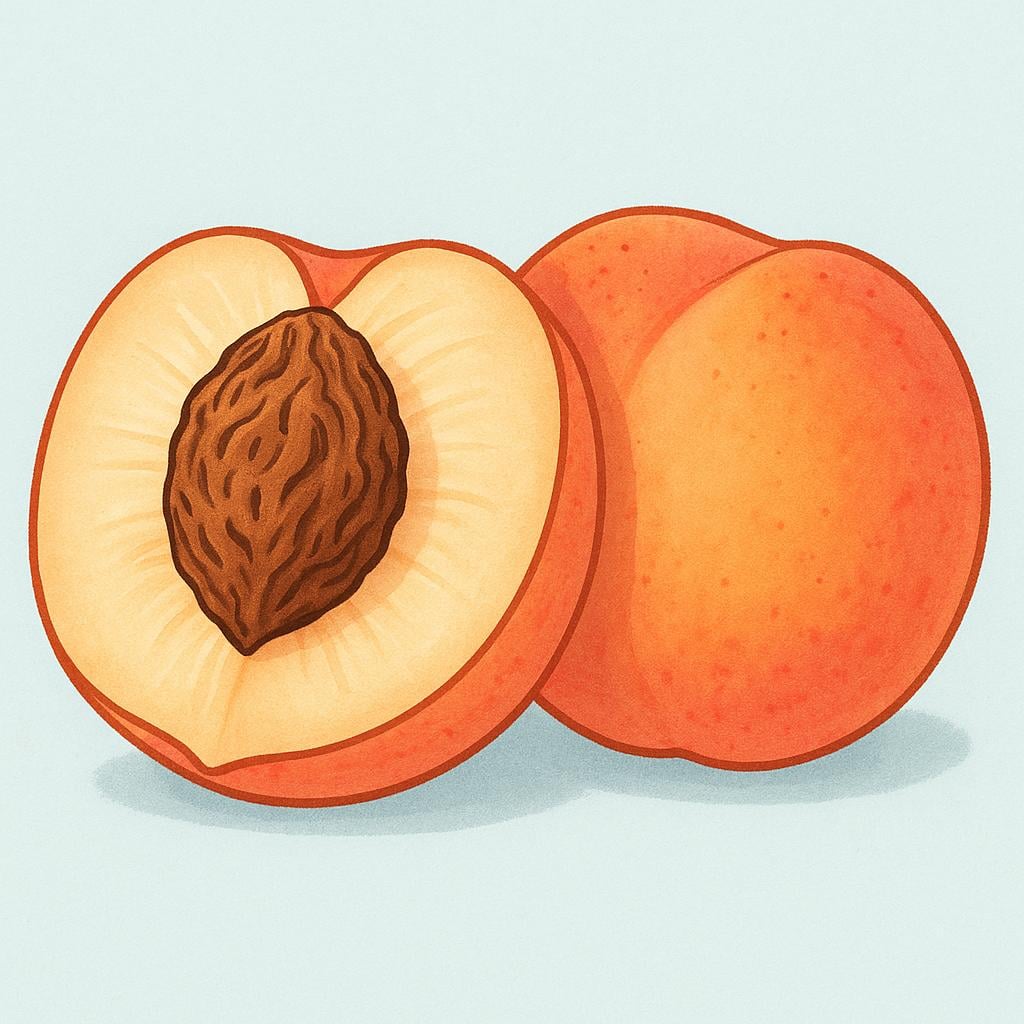
pit, stone
📝 In Action
Ten cuidado de no morder el hueso del aguacate.
A2Be careful not to bite the avocado pit.
Tiré los huesos de las cerezas a la basura.
B1I threw the cherry pits in the trash.
Word Connections
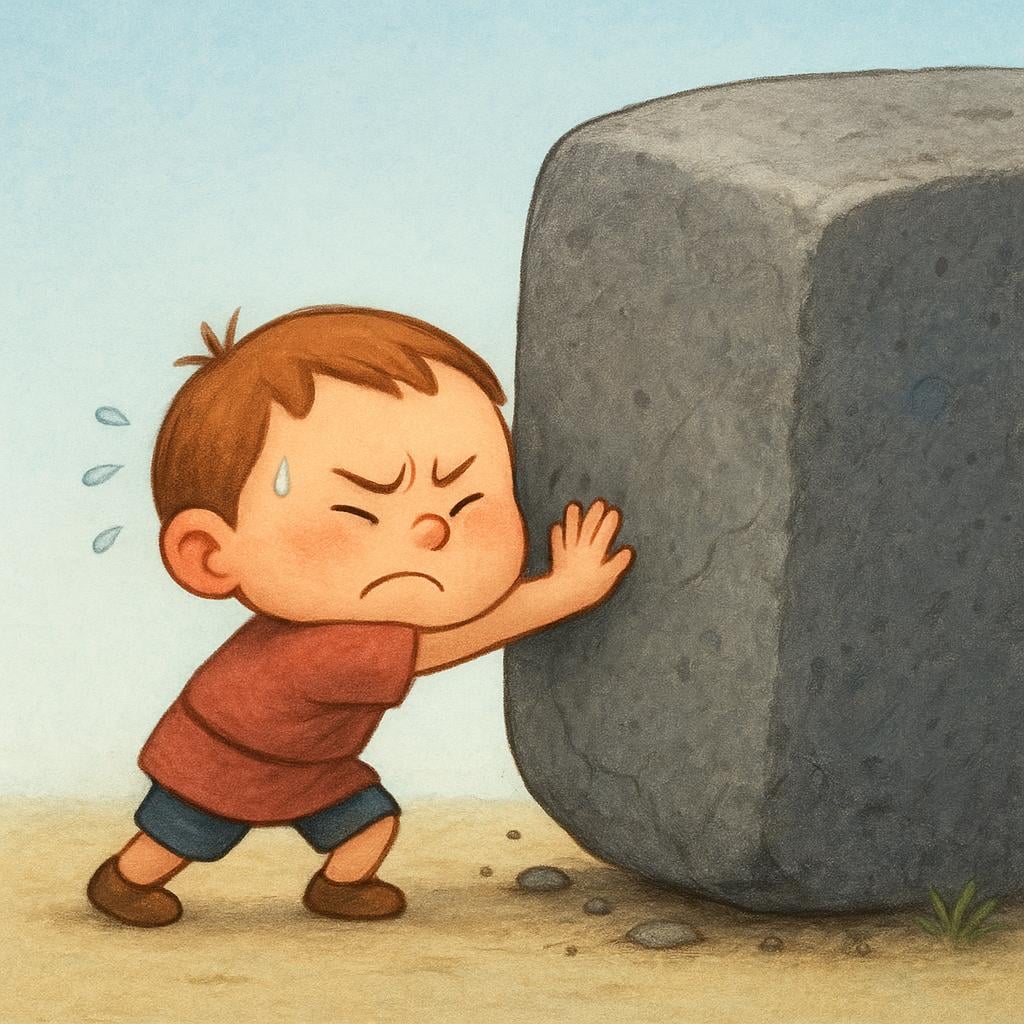
a drag, tough nut to crackAlso: lazy person
📝 In Action
Esta clase de matemáticas es un hueso, no entiendo nada.
B2This math class is a real drag/tough, I don't understand anything.
Mi jefe es un hueso, siempre pone problemas.
C1My boss is a difficult person; he always causes problems.
Word Connections
Translate to Spanish
Words that translate to "hueso" in Spanish:
✏️ Quick Practice
Quick Quiz: hueso
Question 1 of 2
Which sentence uses 'hueso' to mean a difficult task?
📚 More Resources
👥 Word Family
📚 Etymology
The word comes directly from the Latin word *ossum*, which also meant 'bone.' The initial 'h' was added in Spanish writing centuries ago, even though it was never pronounced.
First recorded: Around the 10th century in early Romance languages.
Cognates (Related words)
💡 Master Spanish
Take your Spanish to the next level. Read 200+ illustrated and narrated Spanish stories tailored to your level with the Inklingo app!
Frequently Asked Questions
How do I know if 'hueso' means a body part or a fruit pit?
Context is key! If you are talking about anatomy, injuries, or animals, it means 'bone.' If you are talking about eating fruit or preparing a recipe, it means 'pit' or 'stone.'
Why does 'hueso' start with an 'h' if it’s silent?
The 'h' is a historical remnant from the word's Latin root. Spanish kept the letter in the spelling, but the sound was dropped over time. You should always ignore the 'h' when speaking.