lata
“lata” means “can” in Spanish. It has 2 different meanings depending on context:
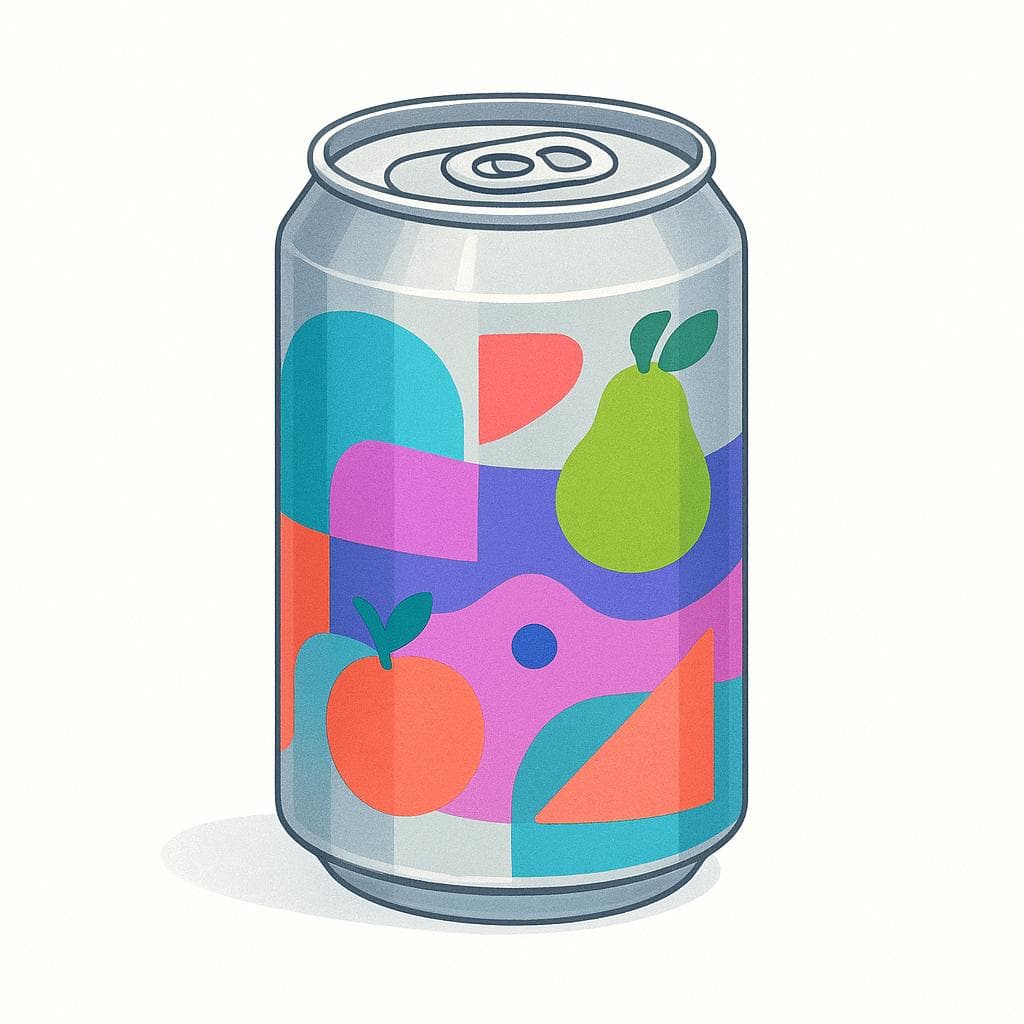

canAlso: tin

📝 In Action
Compré una lata de atún para la cena.
A1I bought a can of tuna for dinner.
Por favor, recicla las latas vacías.
A2Please recycle the empty cans.
Necesitas un abrelatas para esto.
B1You need a can opener for this.
Word Connections
botherAlso: pain (in the neck), drag

📝 In Action
¡Qué lata tener que esperar tanto!
B1What a bother having to wait so long!
Mi hermano me está dando la lata con su música.
B2My brother is bothering me with his music.
Es una lata tener que llenar todos estos formularios.
B1It's a hassle having to fill out all these forms.
Word Connections
✏️ Quick Practice
Quick Quiz: lata
Question 1 of 2
Which sentence uses 'lata' to mean 'annoyance'?
📚 More Resources
👥 Word Family
📚 Etymology
The word 'lata' comes from an old Germanic root related to 'latten,' meaning 'tin sheet' or 'metal plate.' It entered Spanish via French. The sense of 'bother' or 'nuisance' developed later, likely due to the loud, annoying noise a metal can makes when dropped or rattled, or perhaps the association with tedious, repetitive work.
First recorded: 15th century (referring to sheet metal)
Cognates (Related words)
💡 Master Spanish
Take your Spanish to the next level. Read 200+ illustrated and narrated Spanish stories tailored to your level with the Inklingo app!
Frequently Asked Questions
¿Es 'lata' lo mismo que 'bote'?
In many regions, 'lata' specifically refers to a cylindrical metal container (like a soda can or food tin), while 'bote' is a broader term that can mean any small container, jar, or sometimes a plastic can. While often interchangeable, 'lata' guarantees it's metal.
How do I say 'can' when referring to the verb 'to be able to'?
The word 'lata' is only a noun. To say 'I can' (meaning 'I am able to'), you must use a form of the verb 'poder,' such as 'Yo puedo' (I can) or 'Tú puedes' (You can).