molestia
“molestia” means “inconvenience” in Spanish. It has 2 different meanings depending on context:
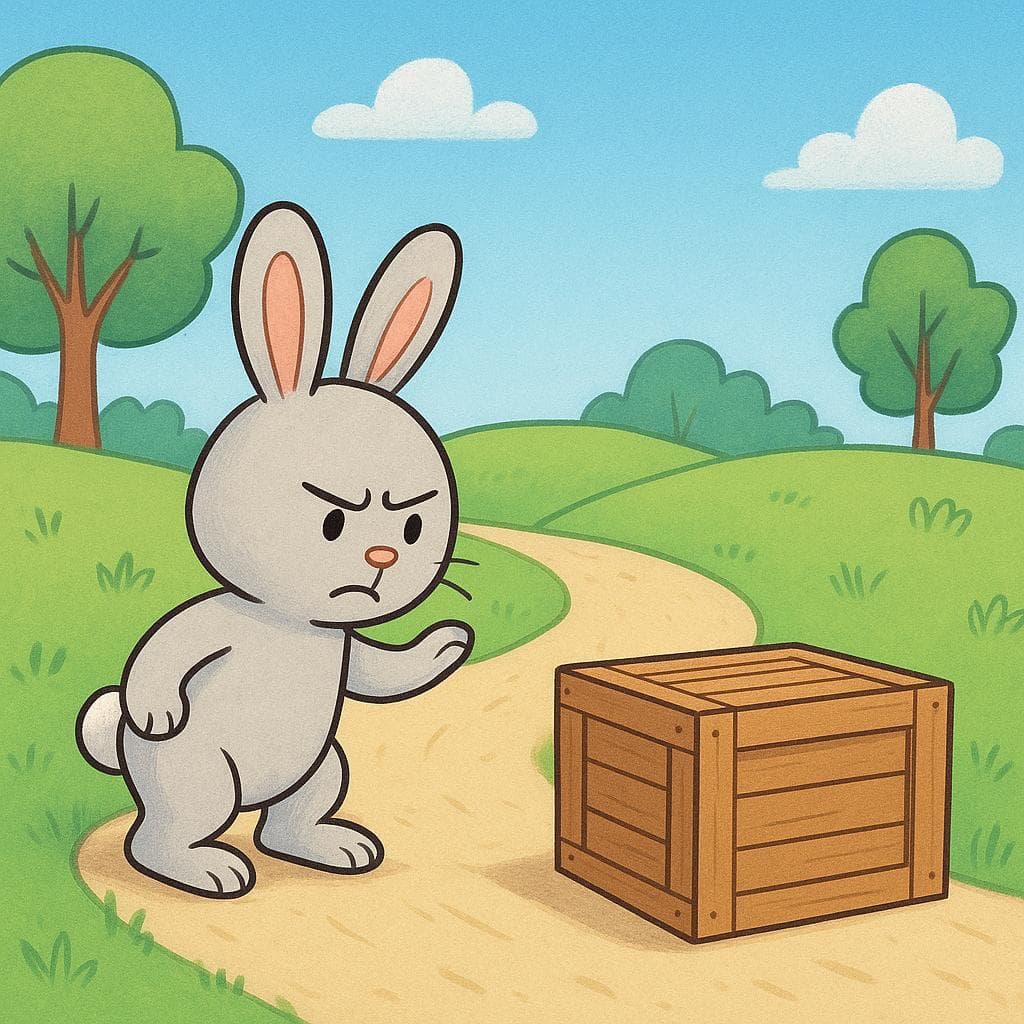
inconvenience, botherAlso: annoyance, trouble

📝 In Action
Disculpe la molestia, pero ¿me podría ayudar con esta caja?
A2Excuse the inconvenience, but could you help me with this box?
La constante música alta de los vecinos es una gran molestia.
B1The constant loud music from the neighbors is a great annoyance.
Tomarse la molestia de llamarme fue muy amable de tu parte.
B2Taking the trouble (or bother) to call me was very kind of you.
Word Connections
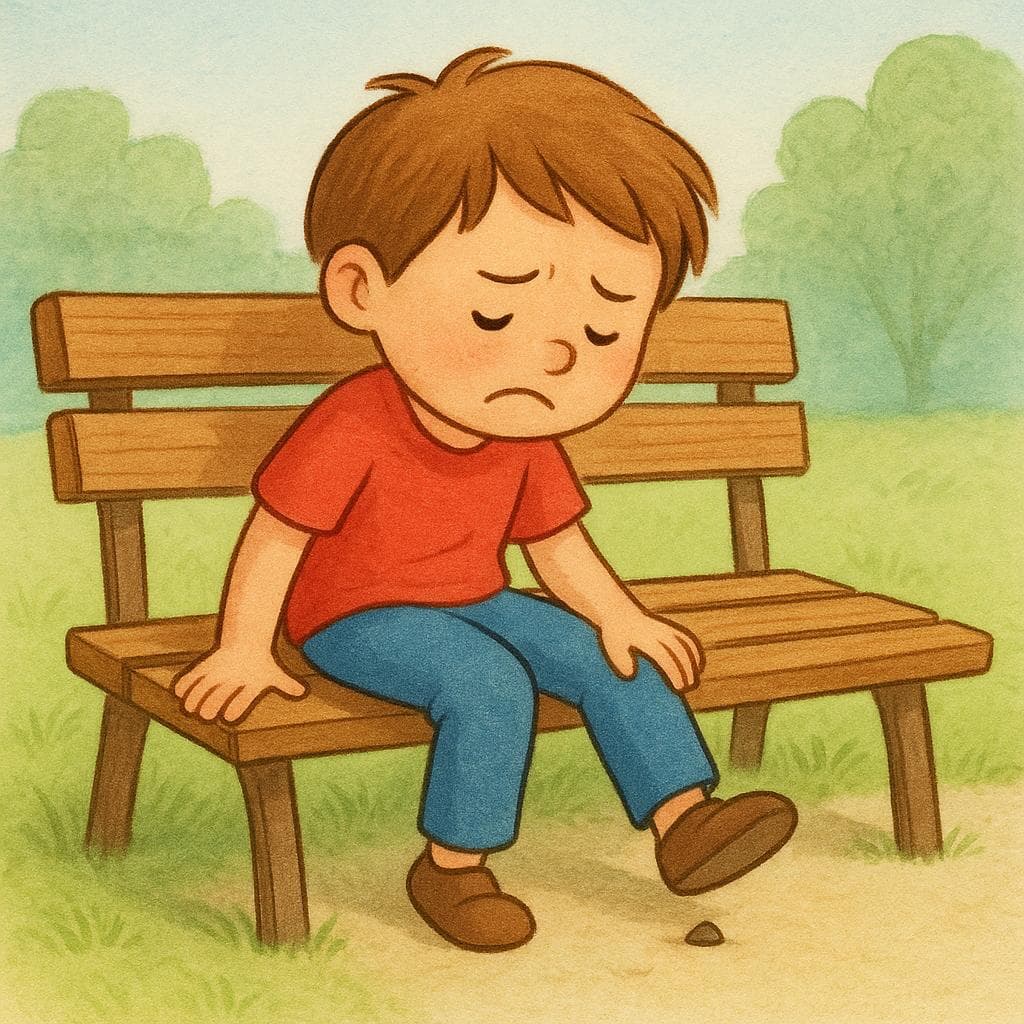
discomfortAlso: ache, soreness

📝 In Action
Después de correr, sentí una pequeña molestia en el tobillo.
B2After running, I felt a slight discomfort in my ankle.
Si la molestia persiste, debe consultar a un médico.
C1If the discomfort persists, you should consult a doctor.
Word Connections
🔀 Commonly Confused With
Translate to Spanish
Words that translate to "molestia" in Spanish:
✏️ Quick Practice
Quick Quiz: molestia
Question 1 of 2
Which phrase correctly uses 'molestia' when asking someone to do something for you?
📚 More Resources
🎵 Rhymes
📚 Etymology
Comes directly from the Latin word *molestia*, which meant 'trouble, annoyance, or difficulty'. It is related to the older Latin word *moles*, meaning 'mass' or 'effort', suggesting something that requires effort or is a heavy burden.
First recorded: 13th century
Cognates (Related words)
💡 Master Spanish
Take your Spanish to the next level. Read 200+ illustrated and narrated Spanish stories tailored to your level with the Inklingo app!
Frequently Asked Questions
Is 'molestia' the same as 'disculpa'?
No. 'Disculpa' means 'apology' or 'excuse.' 'Molestia' means 'inconvenience' or 'bother.' You use them together in polite phrases like 'Disculpe la molestia' (Excuse the inconvenience).
How do I say 'Don't bother' using the word family of 'molestia'?
You would use the related verb 'molestar' and say, 'No te molestes' (Don't bother yourself/Don't take the trouble).