cueva
“cueva” means “cave” in Spanish. It has 2 different meanings depending on context:

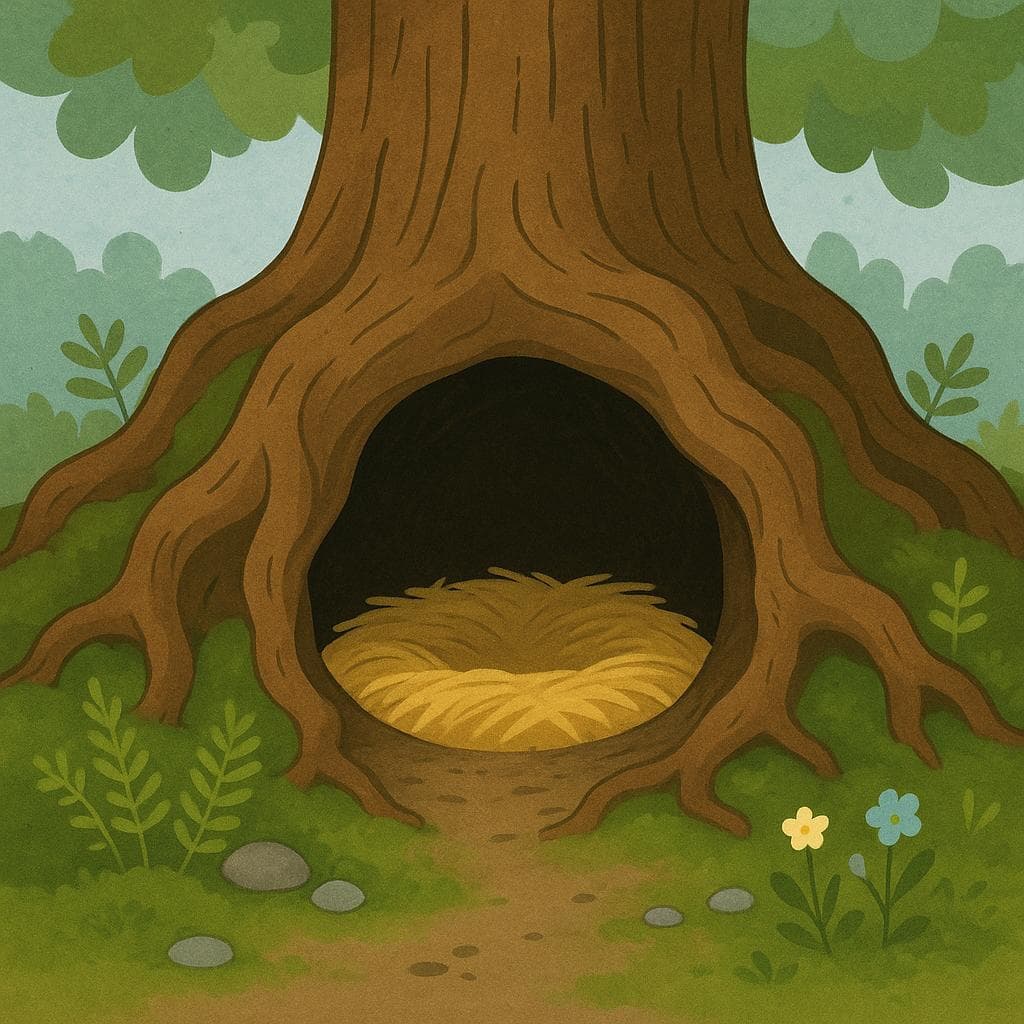
cave
Also: cavern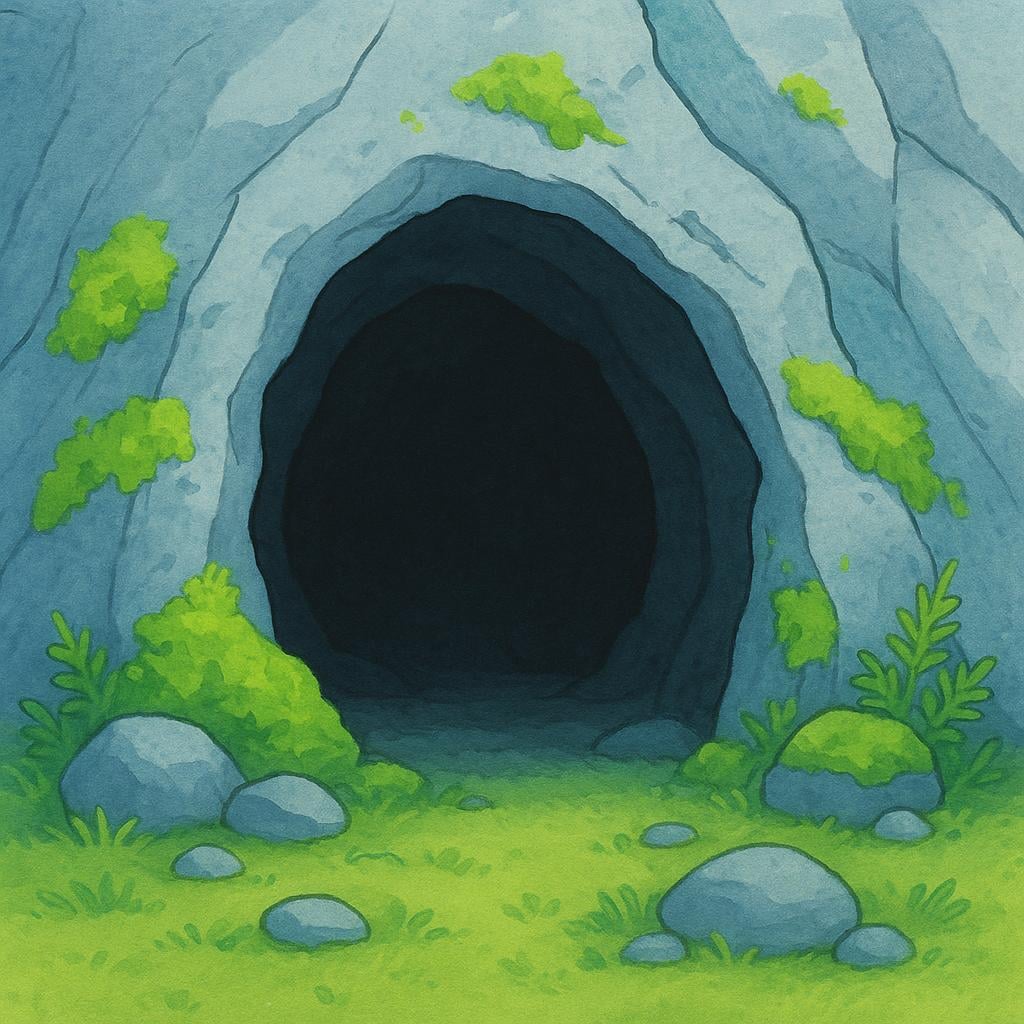
📝 In Action
Exploramos una cueva oscura y profunda en la montaña.
A1We explored a dark and deep cave in the mountain.
Los murciélagos viven en las cuevas durante el día.
A2Bats live in caves during the day.
La entrada de la cueva estaba oculta por rocas.
A1The cave entrance was hidden by rocks.
den, hideout
Also: pit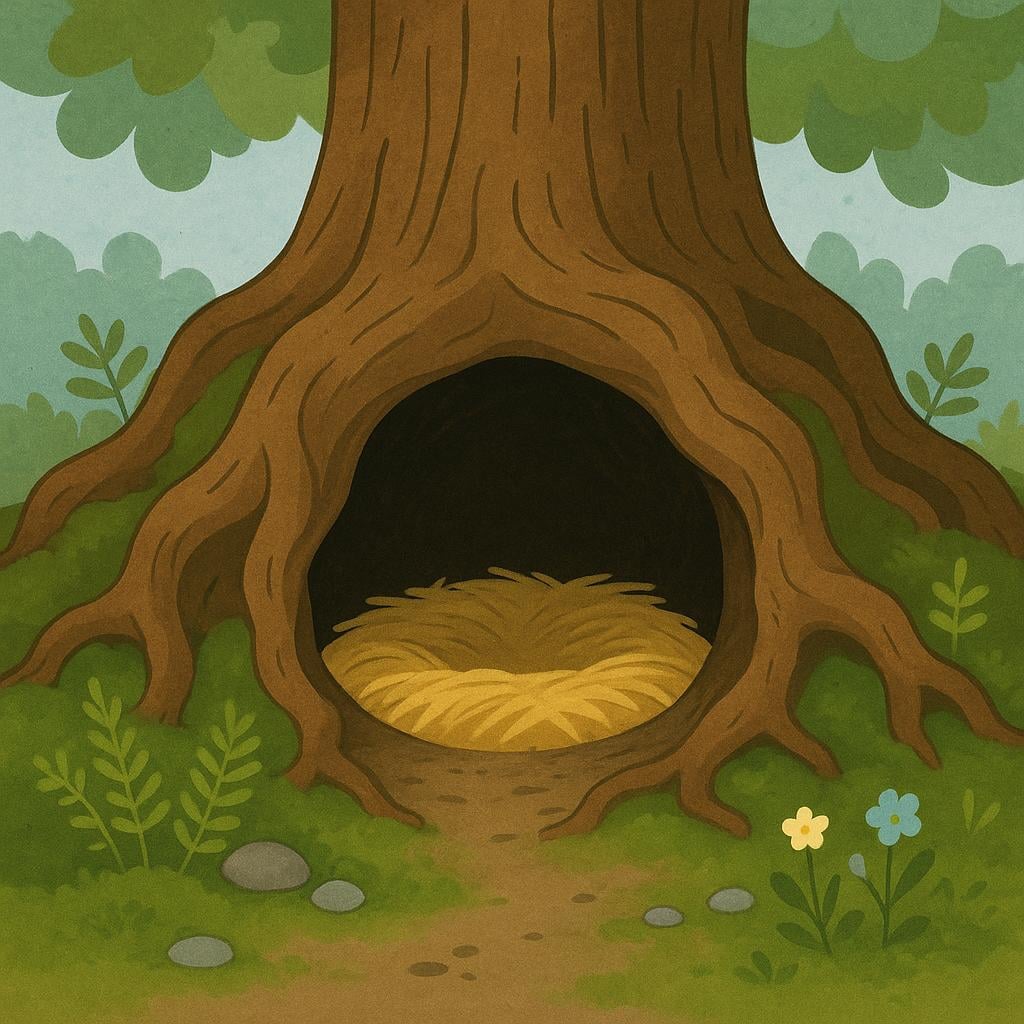
📝 In Action
Su oficina es una cueva llena de papeles viejos.
B1His office is a den full of old papers.
Los ladrones usaron ese almacén abandonado como su cueva.
B2The thieves used that abandoned warehouse as their hideout.
No salgas de tu cueva, el día está hermoso.
B2Don't come out of your hole (referring to a secluded room), the day is beautiful.
✏️ Quick Practice
Quick Quiz: cueva
Question 1 of 1
Which sentence uses 'cueva' to mean a 'messy, secluded room'?
📚 More Resources
👥 Word Family▼
📚 Etymology▼
Comes from the Latin word 'cava,' meaning 'hollow place' or 'hole.' This root is related to the idea of something being dug out or naturally sunken.
First recorded: 13th century
Cognates (Related words)
💡 Master Spanish
Take your Spanish to the next level. Read 200+ illustrated and narrated Spanish stories tailored to your level with the Inklingo app!
Frequently Asked Questions
¿Es 'cueva' lo mismo que 'agujero'?
No. 'Agujero' means 'hole' and is usually small. 'Cueva' refers to a large, deep chamber, usually natural, that you can walk into. Think of a hole you dig in the dirt versus a large underground cavern.
How do I use 'cueva' in a negative way?
You can use it to describe a place that is dark, dirty, or claustrophobic. Saying 'Esta casa es una cueva' implies the house is gloomy and lacks light.