How to Say "hideout" in Spanish
The most common Spanish word for “hideout” is “escondite” — use 'escondite' when referring to a secret place where someone or something is hidden, like a hiding spot for children playing or a secure location for valuables.

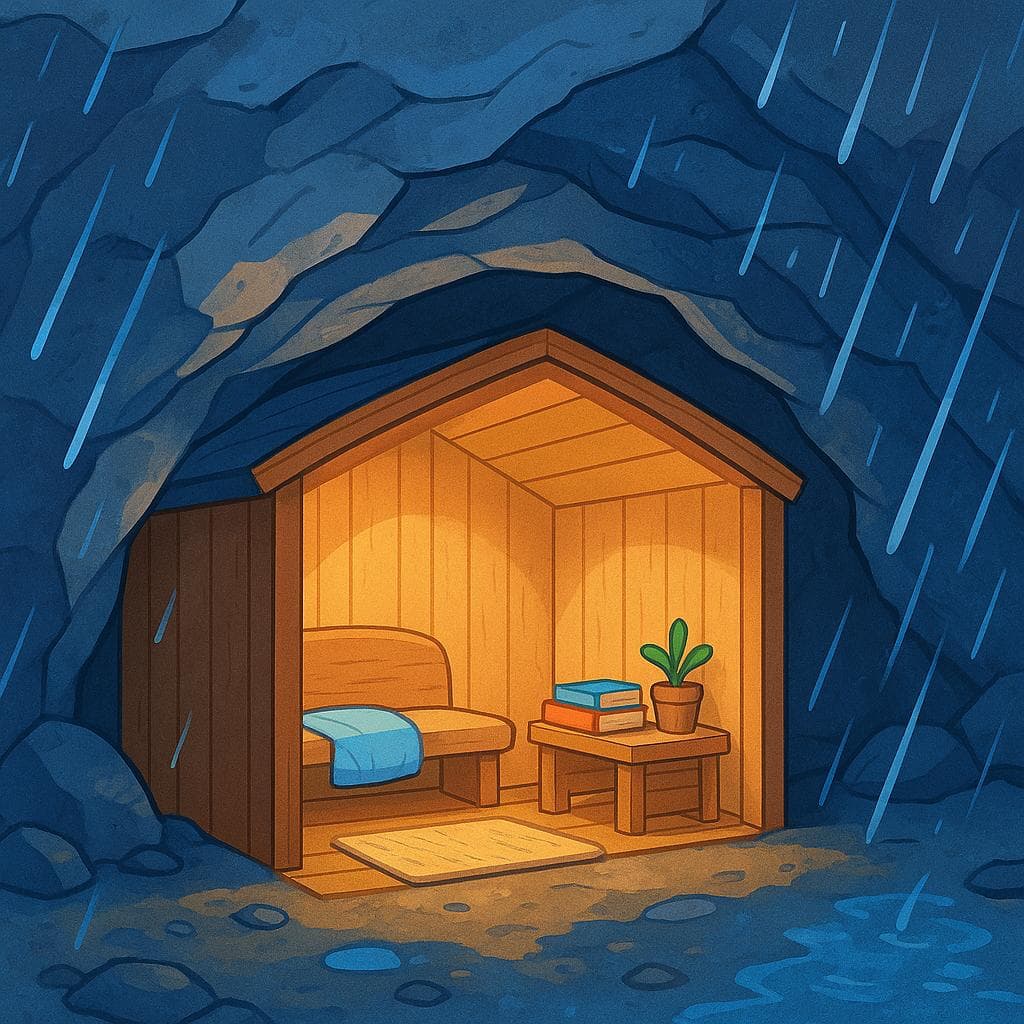

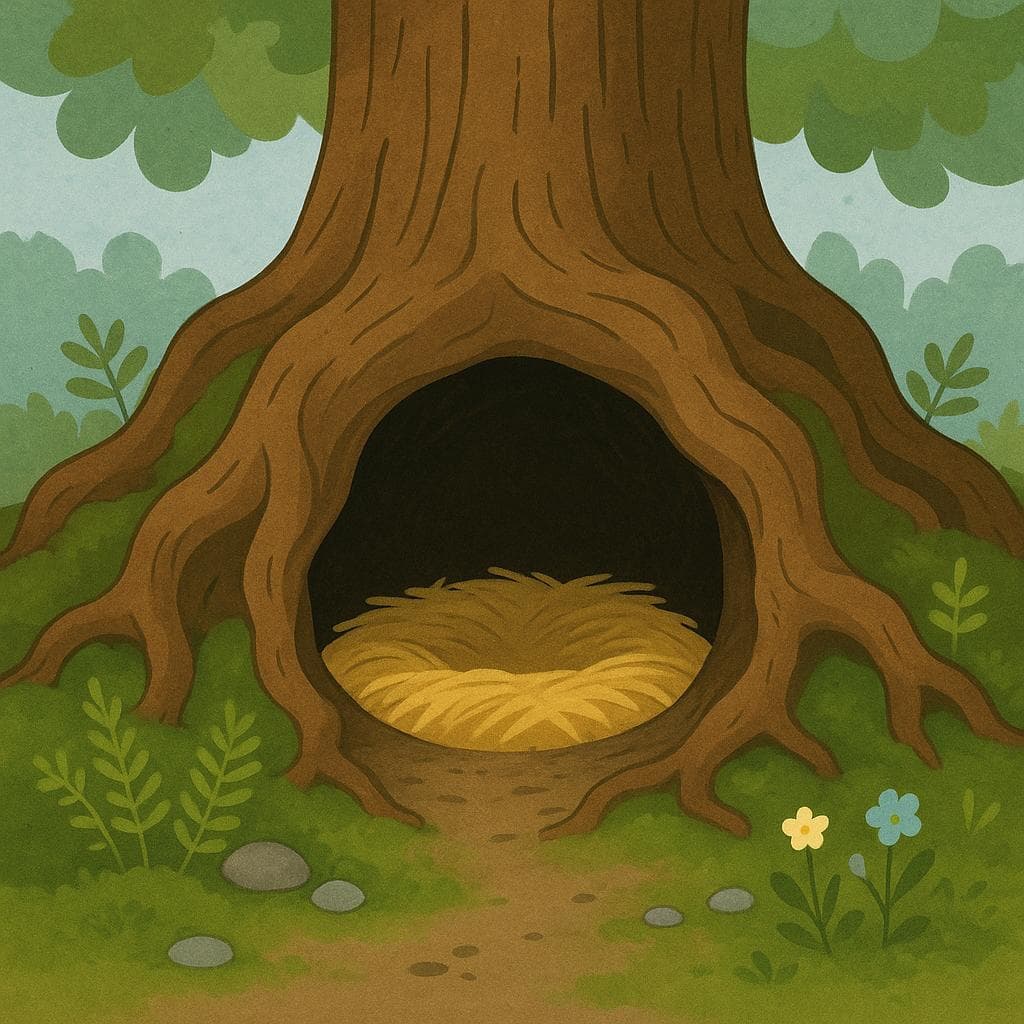
escondite
es-con-DEE-tehes.konˈdi.te

Examples
Los niños jugaban al escondite en el jardín.
The children were playing hide-and-seek in the garden.
Necesitamos un buen escondite para guardar las llaves de repuesto.
We need a good hiding place to keep the spare keys.
La policía descubrió el escondite de los documentos robados.
The police discovered the hideout of the stolen documents.
Using Prepositions
When talking about what you do in or from a hiding place, use 'en' (in/at) or 'desde' (from): 'Estaba en su escondite' (He was in his hideout).
Confusing Place vs. Action
Mistake: “Using 'esconder' when you mean 'escondite'.”
Correction: Remember 'esconder' is the verb 'to hide' (the action), while 'escondite' is the noun (the place or game). 'El escondite está aquí' (The hiding place is here).
refugio
rre-FÚ-hioreˈfu.xjo
Examples
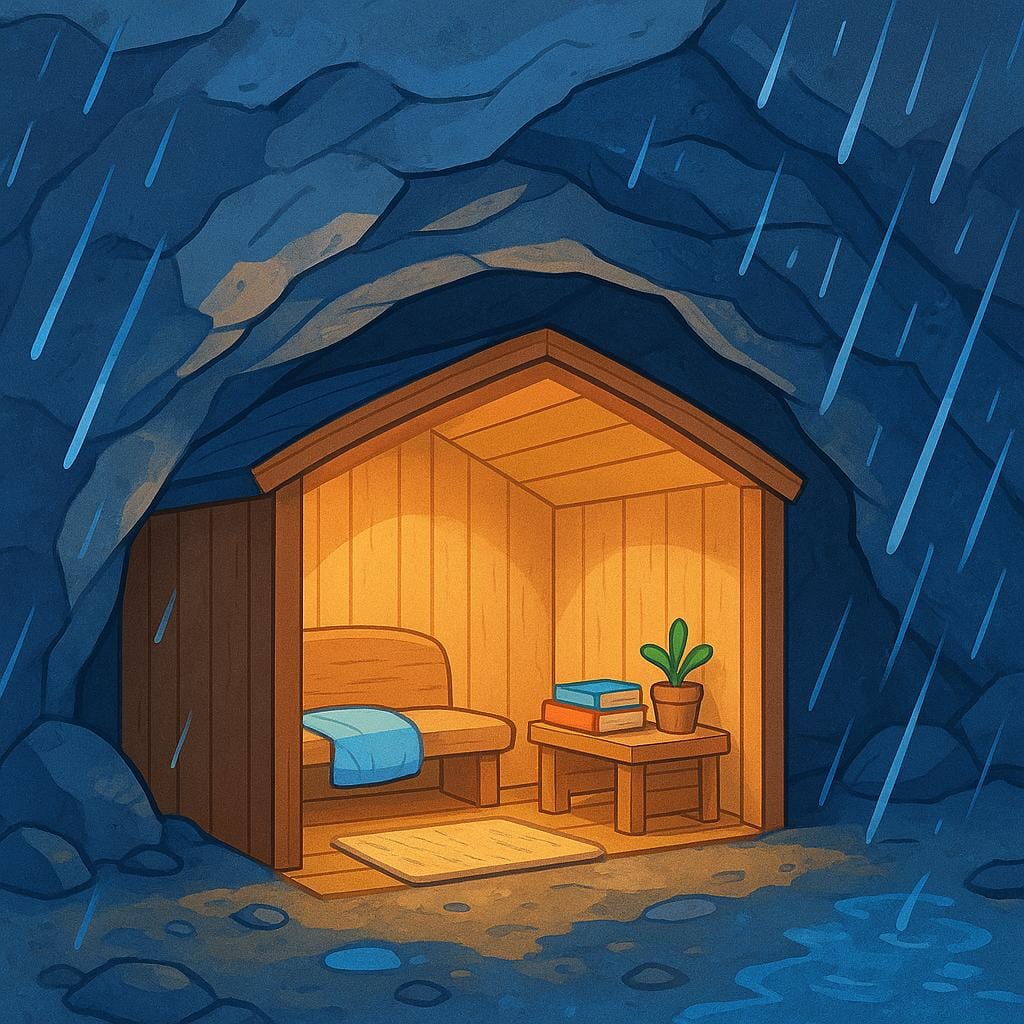
Encontraron refugio en una cueva durante la tormenta.
They found shelter in a cave during the storm.
Necesitamos encontrar un refugio antes de que empiece a llover fuerte.
We need to find shelter before it starts raining heavily.
El refugio de montaña estaba lleno de excursionistas.
The mountain hut (shelter) was full of hikers.
Millones de personas buscan refugio de la guerra en otros países.
Millions of people seek refuge from the war in other countries.
Masculine Noun Rule
Refugio is always a masculine noun, so it takes the masculine articles: 'el refugio' (the refuge) or 'un refugio' (a refuge).
guarida
gwah-REE-dahɡwaˈɾiða

Examples
El oso regresó a su guarida después de cazar.
The bear returned to its den after hunting.
El lobo regresó a su guarida con comida para sus cachorros.
The wolf returned to its den with food for its cubs.
Los bandidos tenían una guarida secreta en lo profundo del bosque.
The bandits had a secret hideout deep in the forest.
Mi habitación es mi guarida; nadie me molesta cuando estoy allí.
My room is my hideaway; nobody bothers me when I'm there.
Always Feminine
Even though it doesn't describe a person, 'guarida' is always a feminine noun. You must use 'la' or 'una' regardless of who or what lives inside it.
Describing the Resident
To say whose den it is, just use 'de' (of). For example: 'la guarida de los leones' (the lions' den).
Guarida vs. Casa
Mistake: “Using 'guarida' to mean a normal home.”
Correction: Use 'casa' or 'hogar' for a normal house. Use 'guarida' only if you want to sound like it's a secret spot, a messy place, or a place for animals.
cueva
KWEY-vahˈkwe.βa
Examples
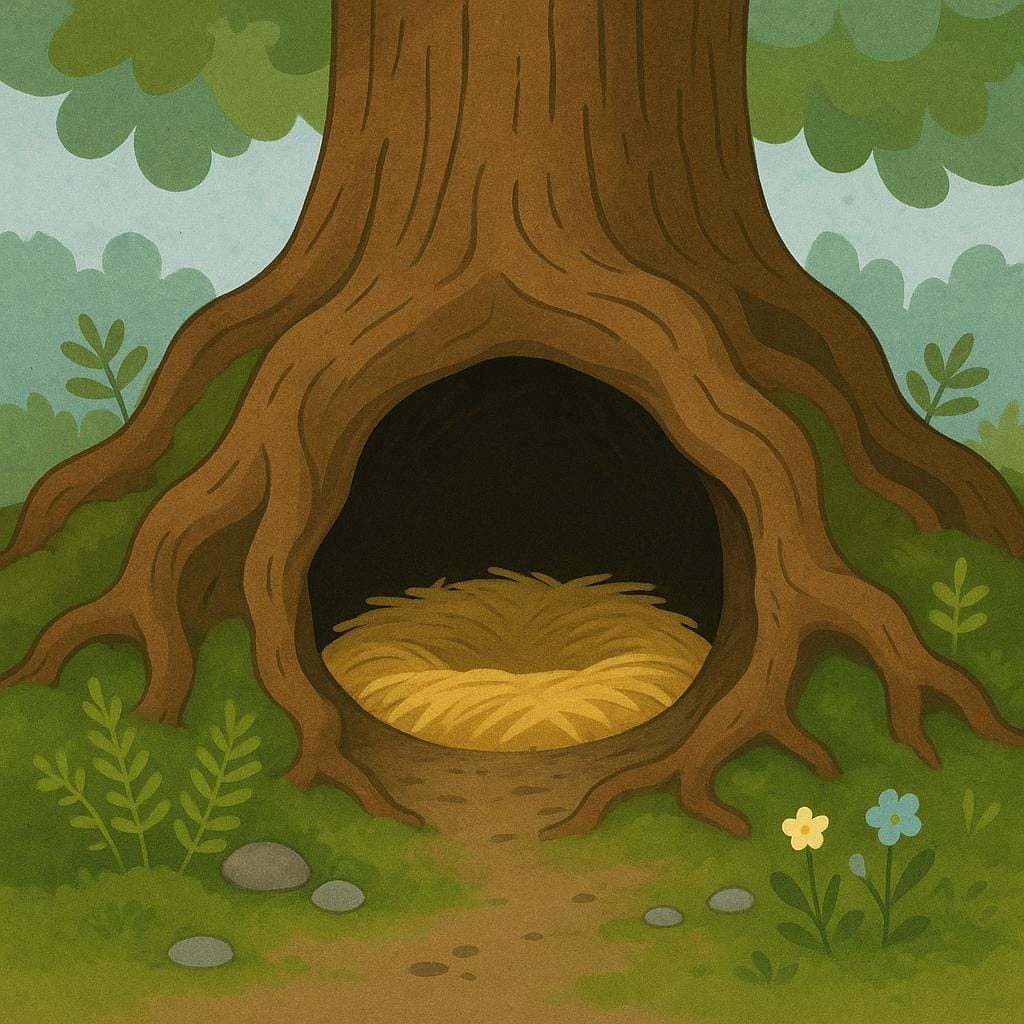
Su estudio era una cueva de libros y papeles.
His study was a den of books and papers.
Su oficina es una cueva llena de papeles viejos.
His office is a den full of old papers.
Los ladrones usaron ese almacén abandonado como su cueva.
The thieves used that abandoned warehouse as their hideout.
No salgas de tu cueva, el día está hermoso.
Don't come out of your hole (referring to a secluded room), the day is beautiful.
Confusing 'escondite' and 'refugio'
Related Translations
Learn Spanish with Inklingo
Interactive stories, personalized learning, and more.