refugio
“refugio” means “refuge” in Spanish. It has 2 different meanings depending on context:
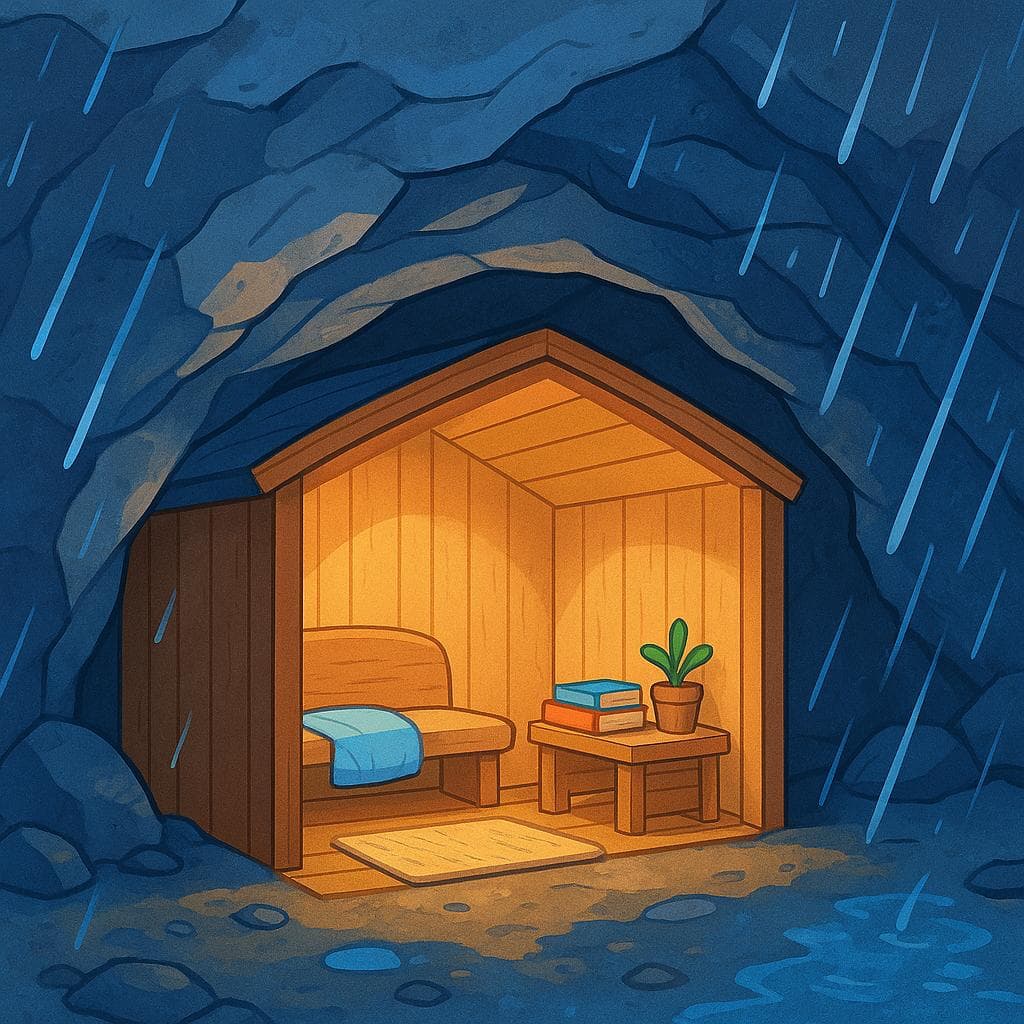
refuge, shelterAlso: sanctuary, hideout
📝 In Action
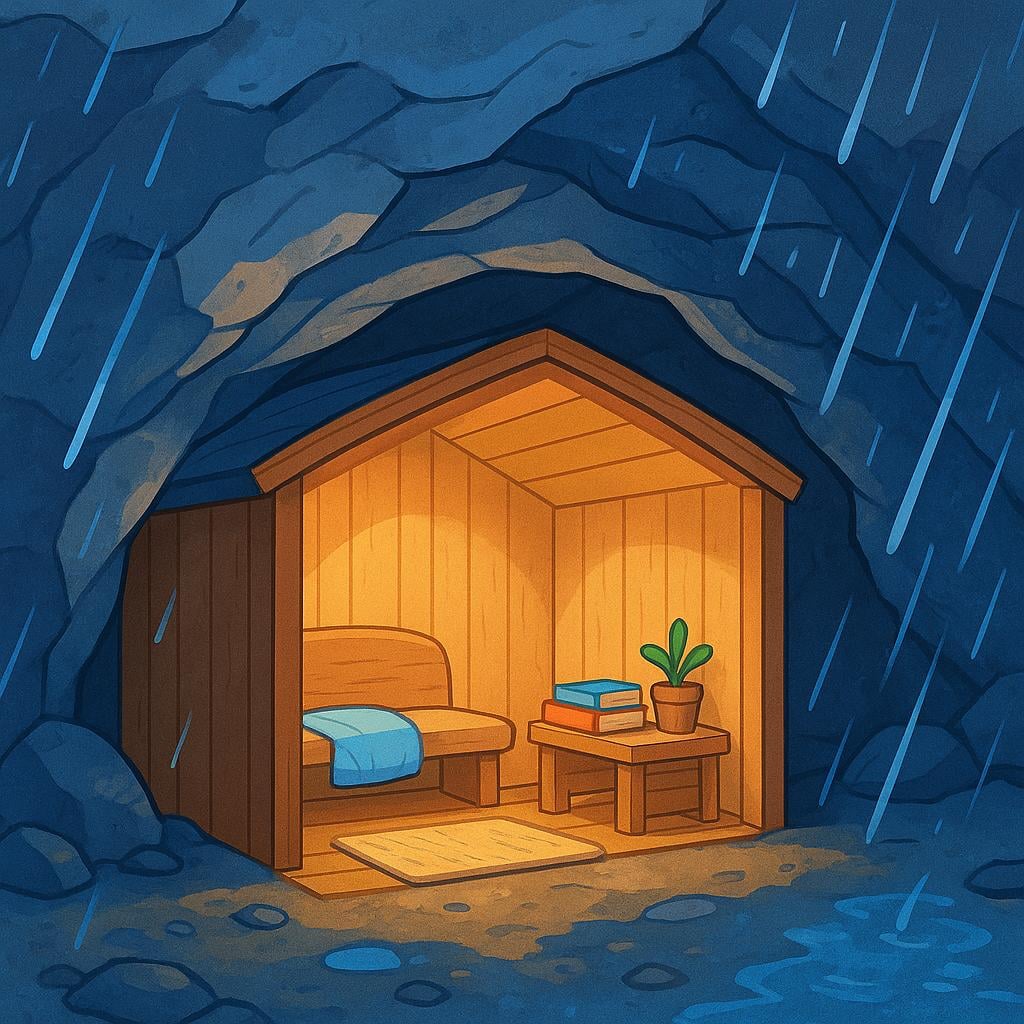
Necesitamos encontrar un refugio antes de que empiece a llover fuerte.
A2We need to find shelter before it starts raining heavily.
El refugio de montaña estaba lleno de excursionistas.
B1The mountain hut (shelter) was full of hikers.
Millones de personas buscan refugio de la guerra en otros países.
B2Millions of people seek refuge from the war in other countries.
Word Connections
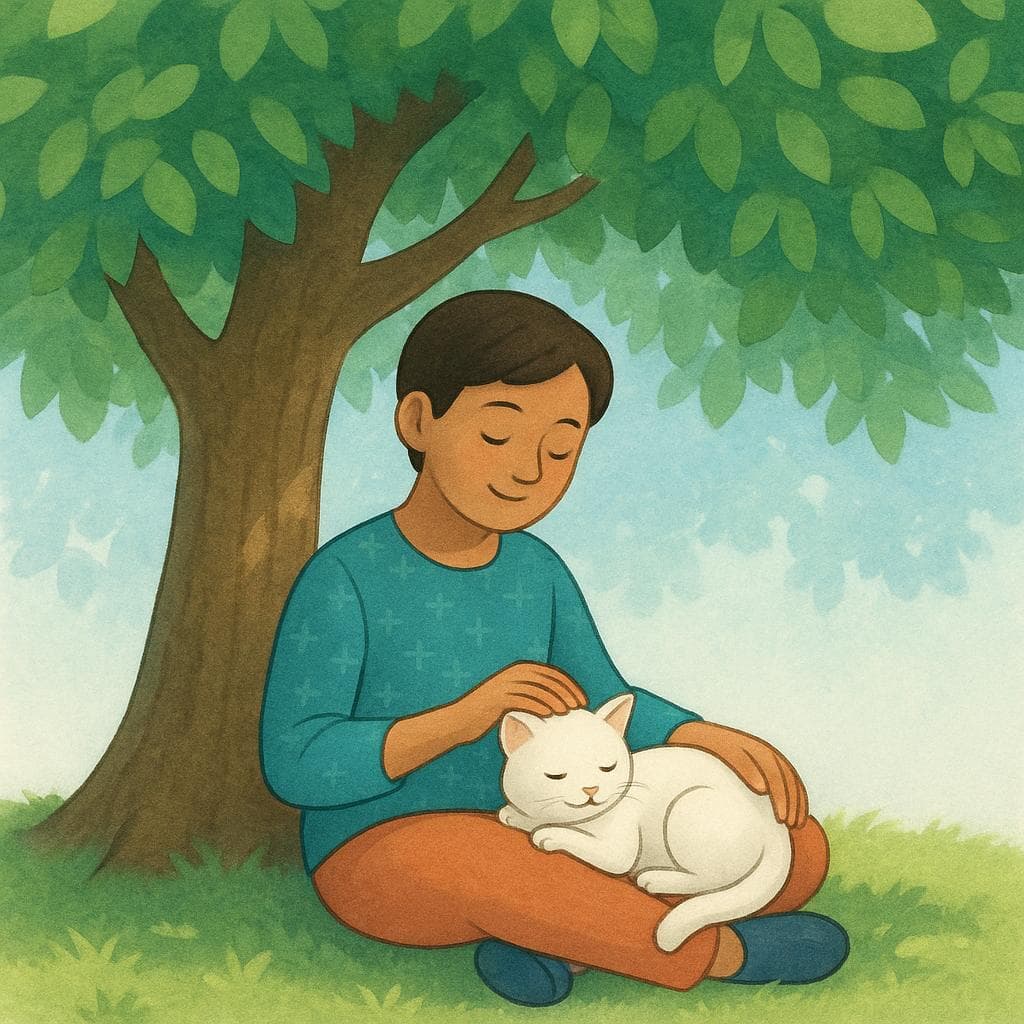
solace, retreatAlso: comfort

📝 In Action
Su jardín secreto era su refugio contra el estrés de la ciudad.
B1Her secret garden was her refuge against the stress of the city.
Encontró refugio en el arte después de la tragedia.
B2She found solace (refuge) in art after the tragedy.
Word Connections
Translate to Spanish
✏️ Quick Practice
Quick Quiz: refugio
Question 1 of 1
Which sentence uses 'refugio' in its abstract, emotional sense?
📚 More Resources
👥 Word Family
📚 Etymology
Comes from the Latin word *refugium*, which meant 'a fleeing back' or 'a place to which one flees.' It is built from the prefix *re-* (back, again) and the root *fugere* (to flee).
First recorded: Around the 13th century
Cognates (Related words)
💡 Master Spanish
Take your Spanish to the next level. Read 200+ illustrated and narrated Spanish stories tailored to your level with the Inklingo app!
Frequently Asked Questions
¿Cuál es la diferencia entre 'refugio' y 'albergue'?
'Refugio' is a general term for any place of safety (physical or emotional). 'Albergue' is usually a temporary communal dwelling, like a hostel, shelter for the homeless, or a lodge for travelers, often implying a shared space.
Does 'refugio' always refer to a permanent place?
No. While it can mean a permanent sanctuary, it is often used for temporary safety, like finding 'refugio' from the rain or a temporary 'refugio' for people displaced by a disaster.