caverna
“caverna” means “cave” in Spanish. It has 2 different meanings depending on context:
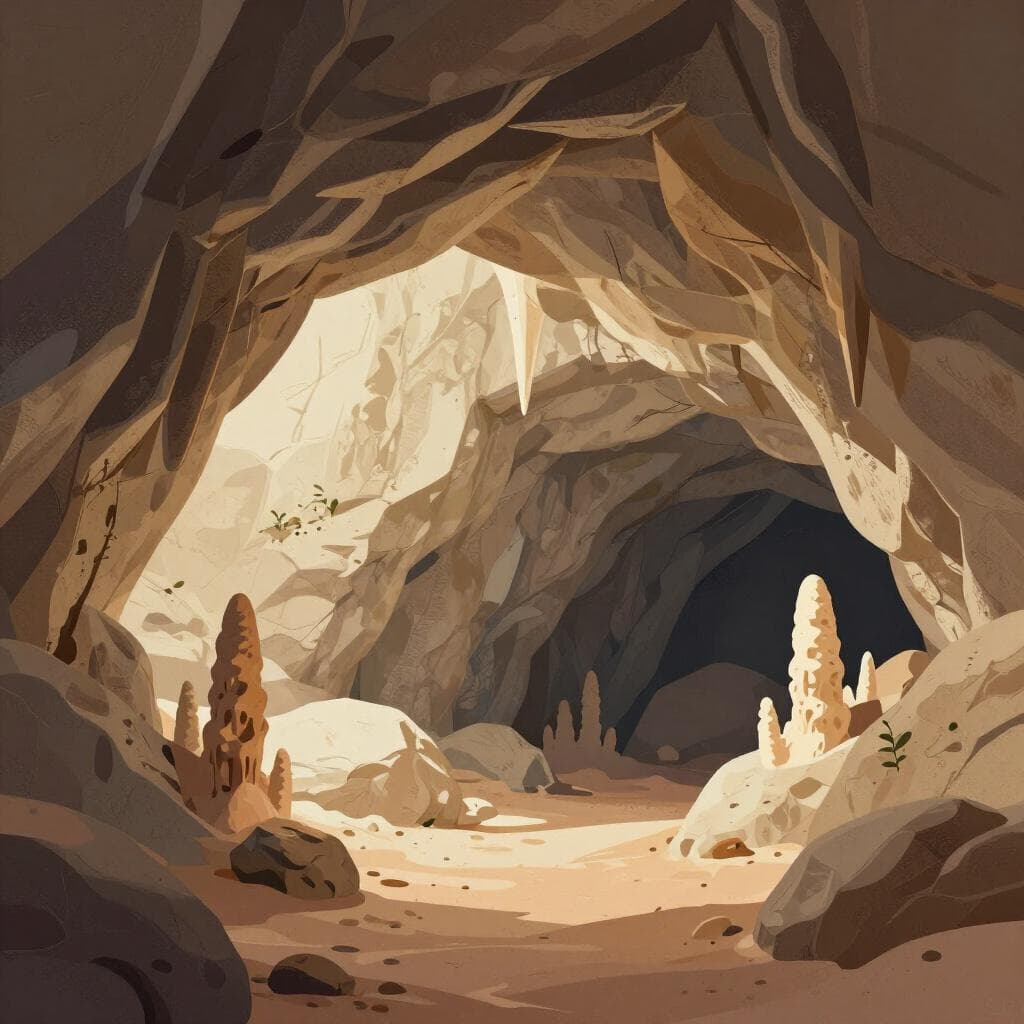

cave
Also: cavern, hollow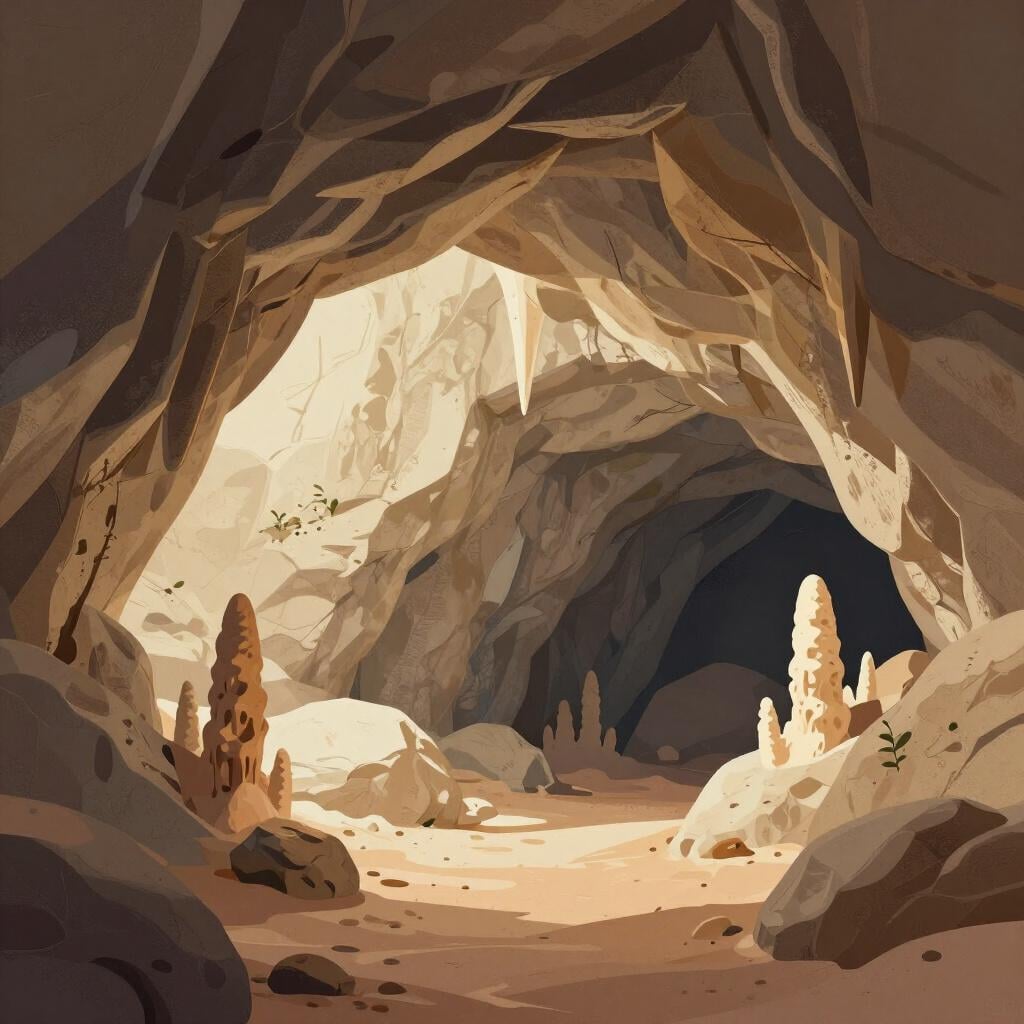
📝 In Action
Los excursionistas entraron en una caverna profunda.
A2The hikers entered a deep cave.
En esta caverna hay pinturas de animales muy antiguas.
B1In this cavern, there are very old paintings of animals.
La luz de la linterna apenas iluminaba la inmensa caverna.
B2The flashlight beam barely lit up the immense cavern.
reactionary
Also: the far-right
📝 In Action
Ese comentario es propio de la caverna mediática.
C1That comment is typical of the reactionary media.
La caverna se opone a cualquier tipo de progreso social.
C2The ultra-conservatives oppose any kind of social progress.
No escuches sus ideas, son de la caverna.
C1Don't listen to his ideas; they are backwards/reactionary.
Translate to Spanish
✏️ Quick Practice
Quick Quiz: caverna
Question 1 of 3
Which word is more common for a small hole in a mountain?
📚 More Resources
👥 Word Family▼
📚 Etymology▼
From the Latin 'caverna,' which comes from 'cavus,' meaning 'hollow' or 'empty space.'
First recorded: 13th century
Cognates (Related words)
💡 Master Spanish
Take your Spanish to the next level. Read 200+ illustrated and narrated Spanish stories tailored to your level with the Inklingo app!
Frequently Asked Questions
Is 'caverna' the same as 'cueva'?
Almost. They both mean 'cave,' but 'caverna' usually implies a larger, deeper, or more majestic underground space.
Can I use 'caverna' for a basement?
No, 'caverna' is specifically for natural rock formations. For a basement, use 'sótano'.
Why do people talk about Plato and a 'caverna'?
Plato's 'Allegory of the Cave' (El mito de la caverna) is a very famous philosophical story used to explain how humans perceive reality.